
While the Super Bowl has managed to remain the most-watched live event of the year, it has not managed to maintain its robust viewership numbers in the age of cord-cutting and media saturation. Despite the trend of lower viewership, there is one instance that raises audience interest, but it remains outside of the NFL’s direct control: too-close-to-call games. Thus, there is the possibility that viewership has decreased simply due to an increase in uninteresting games in the past few years. If there’s anything the many close games this past football season, and subsequent increase in viewership, can teach us, it’s that viewers enjoy watching competitions that are truly anyone’s game.
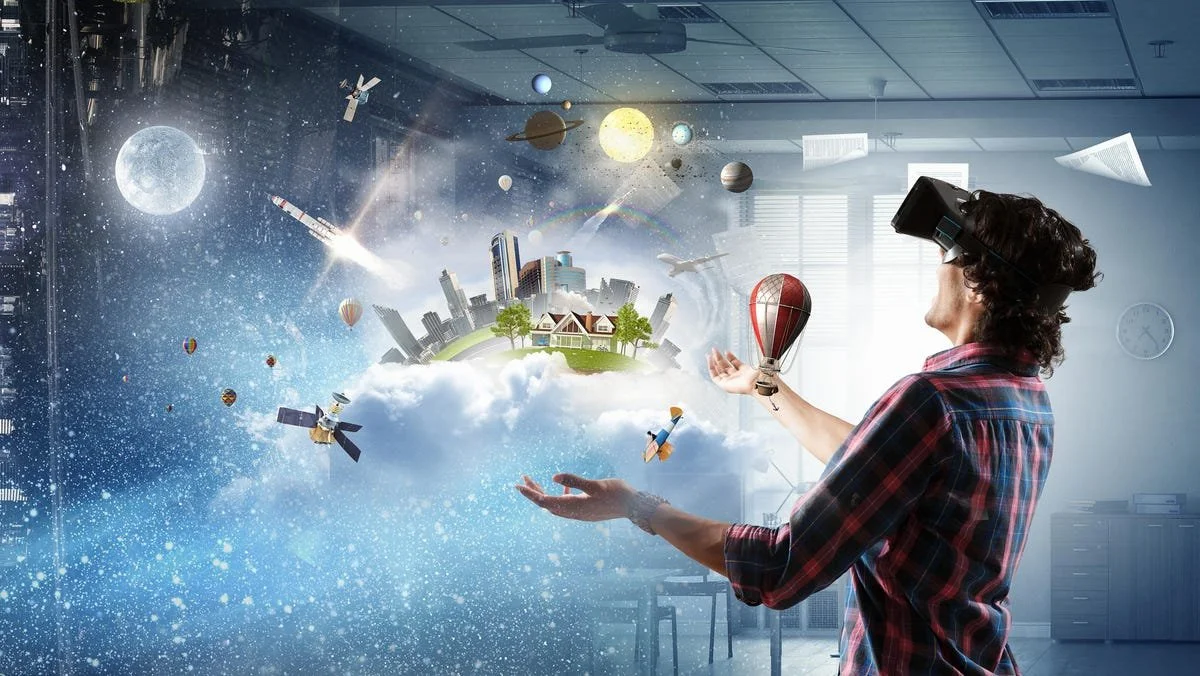
Using VR & AR in Live Music
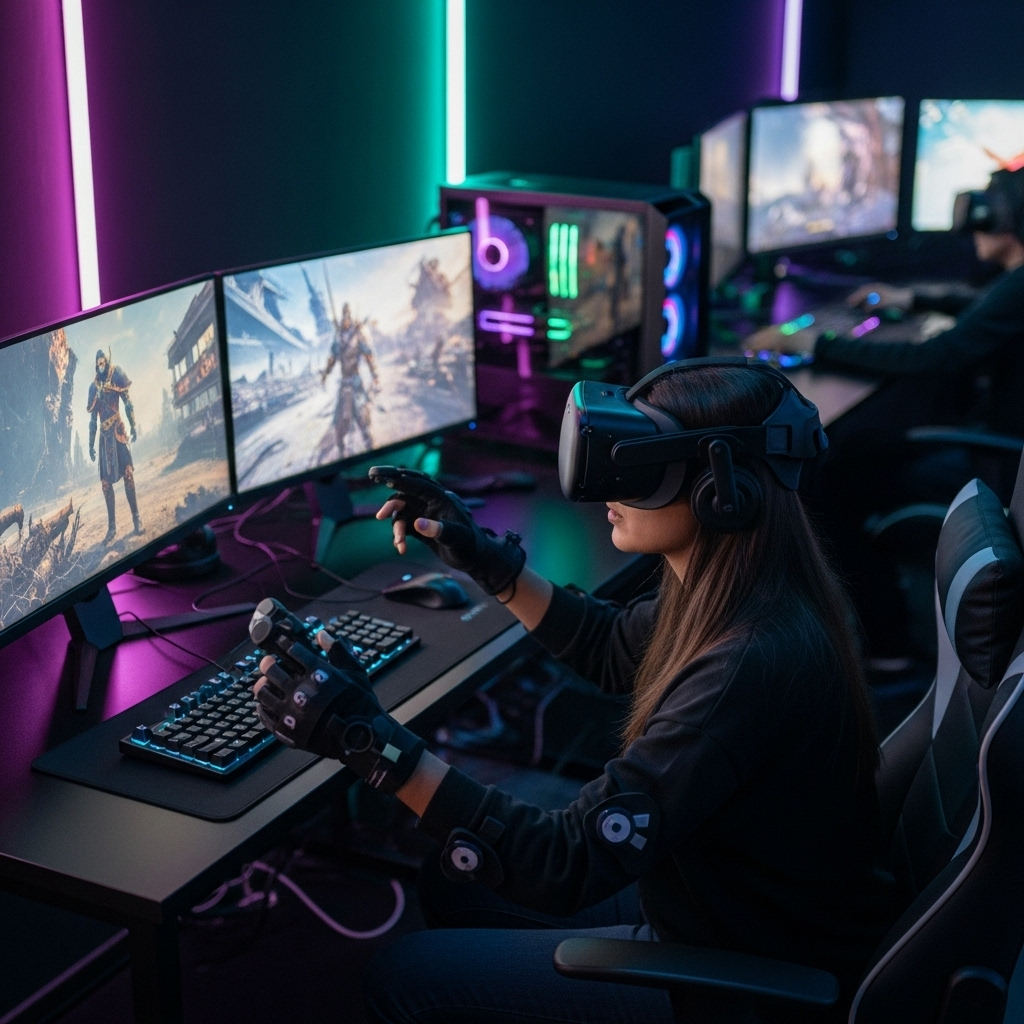
Virtual Reality technology puts the user in a computer-generated environment, allowing them to interact with simulated elements via a headset. On the other hand, Augmented reality incorporates elements that are generated, be it visual, audio, or other sensory elements into the real world via technology. AR technology lets the user position his or her smartphone to a point in the physical world and bring it to life by adding virtual components via this technology.
Expanding our Live Streaming Future: Refining and Developing New Arts & Entertainment Experiences
Livestreaming has become a burgeoning global industry, recording eight billion hours of content watched in the last quarter of 2020 (May, 2021). This research projects examines the industry before the COVID-19 pandemic, how it evolved during the pandemic, and its future opportunities. From October to December 2020, over eight billion combined hours of content were watched as livestreams on the top three largest platforms, Twitch, YouTube, Facebook Live (May, 2021). Using data from industry leader interviews, a national survey, and case studies the team reveals the power and current technology limitations to livestreaming for the live entertainment industry.
2021 Top 10 Most-Read Articles
As we welcome 2022 for myriad reasons, be sure to catch up on what you missed in 2021 by reading out top 10 most read articles. Surprisingly (or not), while the last year continued to show interest in covid’s impact on technology and work, our readers were curious about a broad set of content — from NFTs to using technology to track dance. Which of these articles did you read, or miss?
The State of Trust: Consumers and Transparency in the Entertainment Industry
The business of trust is complicated. The topics of trust, authenticity, and transparency have emerged as what consumers expect from businesses today (MultiVu - PR Newswire, 2020). This study looks at the entertainment industry and how these topics are central to the relationship between media and entertainment companies and consumers. Findings reveal simple but pivotal changes businesses can make to succeed.
A Path for Greater Diversity in Film Festivals
Film festivals are an essential part of the movie industry, as they provide opportunities for creators to garner recognition and to secure distribution for their films. However, there is a lack of racial representation and inclusion in the entertainment industry that prevents filmmakers of color from having the same opportunities as their White counterparts.
This study analyzes the current state of diversity and inclusion of Black, Indigenous, (and) People of Color within film festivals in Europe, the United States, and Canada. Assumptions behind the research are that with meaningful change implemented to increase racial diversity in festivals’ programming staff there will be a selection of more diverse film directors. This report consists of parts:
Interviews focused on filmmakers and film festival programmers. These are used to reveal common trends from personal experiences regarding diversity within film festivals
Analysis of a survey of film festival attendees conducted to understand their perceptions of diversity and inclusion in festivals’ lineup and programming staff
Streaming Service Algorithms are Biased, Directly Affecting Content Development
Despite the Covid-19 pandemic, 2020 was a big year for the entertainment industry. Many entertainment corporations reevaluated their approach to content distribution and accessibility for viewers. It is increasingly clear that streaming services will continue to exert evolutionary change on the entertainment industry. Regardless of the questions and problems posed about the algorithms used by streaming services, Netflix and other dominant platforms will continue to use them – and continue to work on optimizing the algorithm to eliminate at least the most egregious biases. It is up to the industry to hold itself accountable and ensure that the sanctity of the art of TV and film over the algorithm-based entertainment world.
How Video Games Can Serve as an Engagement Experience
The expansion of technology has enabled a wide array artistic growth in innumerable forms - often taking a life or genre of its own. One artistic form that has dominated the market since technology has become common in society is video games. The materials below serve as introductory infographics for arts organizations, detailing core considerations and a streamlined video game planning process. Additionally, it lists common employees needed to conduct video game production, common engines and coding languages used and their learning difficulty levels, so that arts organizations can jumpstart their gaming creations of their already-mastered craft.
How Streaming Services Use Algorithms
The Streaming Wars in 2021: Netflix, HBO Max, and Disney+
Streaming services have won the battle over the box, and now the streaming war is in full gear. Netflix, HBO Max, and Disney+ have taken differing approaches to capturing a competitive advantage to be the top streaming service users turn to. Read about where they stand in this research by Helen Hejran.
The Four Technologies Used in Virtual Production
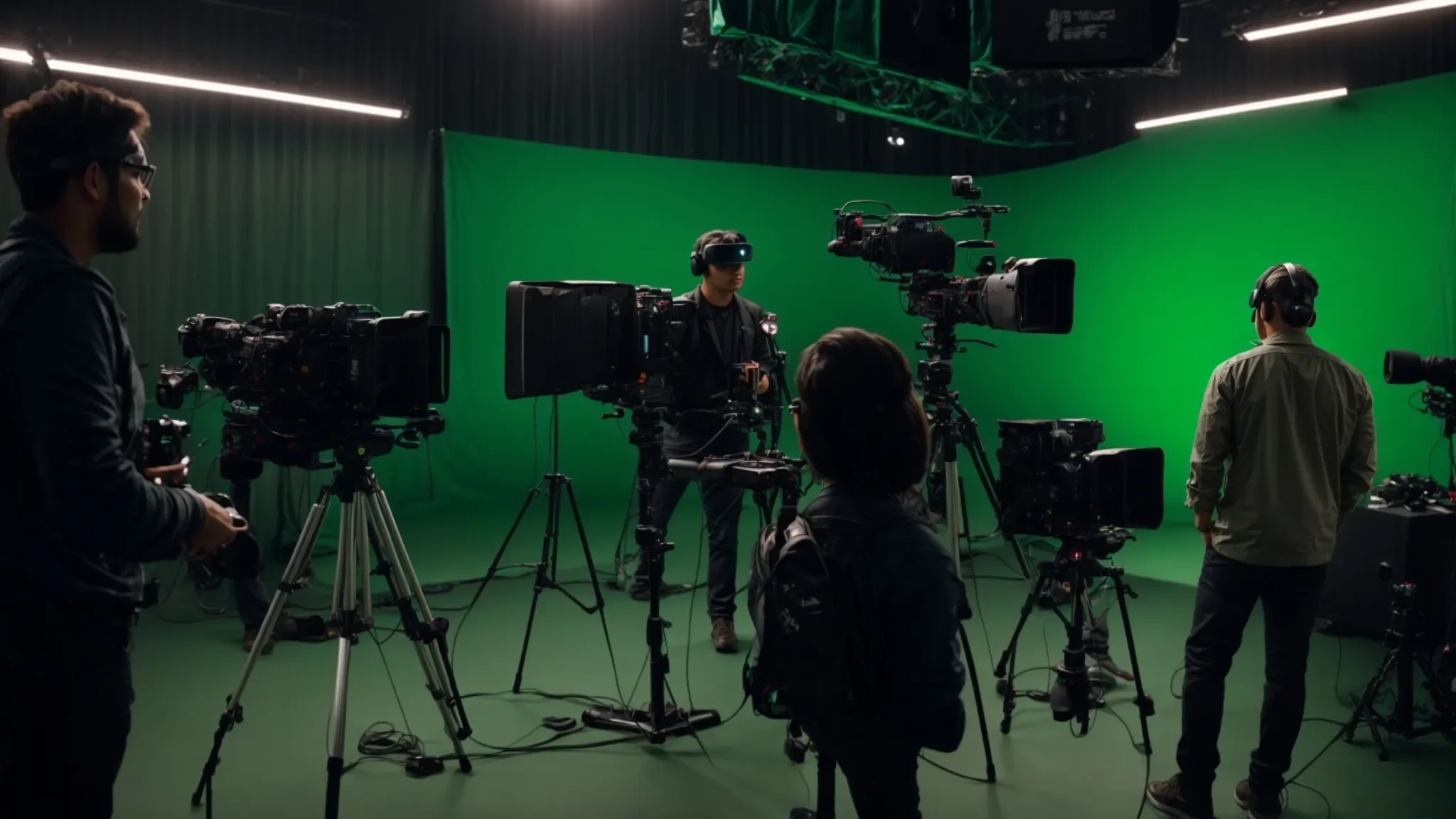
The visual effects (VFX) industry has come a long way in the past 30 years. Studios have discovered the importance of better production pipelines that create a more collaborative environment between directors, gaffers, and artists. This article will analyze four technologies that are used in virtual production, discussing how they work, who is implementing them in their productions, and how they will disrupt the industry.
How AR and VR are Changing Film: A Look at the Revolutionary Stagecraft, The Volume
Part 2: Surveys, Interviews and Recommendations for Documentary Distribution
Emerging Trends in Documentary Program Distribution focuses on understanding the current market for documentary programs and the current best practices to sell, distribute, and market documentary content. Part two of this research analyzes data and information collected through an audience survey and one-on-one interviews. This original research will be used in connection with the broader contextual research to provide recommendations for documentary filmmakers on the best paths for taking their work to the market.
Emerging Trends in Documentary Program Distribution: Part 1
Documentary content has long been a staple of culture and entertainment in the United States, but emerging technologies are changing the way this programming is consumed. Emerging Trends in Documentary Program Distribution focuses on understanding the current market for documentary programs and the current best practices to sell, distribute, and market documentary content. This research article is presented in two parts. The first lays out an overview of the documentary market and then moves into an analysis of how the consumption of video content has changed due to emerging technologies.
The Streaming War During the Covid-19 Pandemic
The Covid-19 pandemic has drastically disrupted all business sectors, including the arts, culture, and entertainment industries. Unfortunately, the Covid-19 pandemic’s impacts are far more permanent for an audience-oriented industry that requires a high level of engagement. The business model might be fundamentally changed and there will certainly be a shift in how content is produced and consumed. While lockdowns and social distancing measures to contain the pandemic have had a huge impact on the traditional movie industry, the video streaming model seems to be the greatest beneficiary in this difficult time as people are isolated at home, which is the ideal condition for binge-watching. This white paper looks at the status of the streaming industry before and after the first Covid-19 outbreak.
Case Study of China’s Entertainment Market under COVID-19
As we near the end of 2020, it is important to consider the emerging opportunities for live television as the world transitions through the global pandemic. Live performers sharing space is one aspect of a live broadcast. A second element is a live audience. The following case study focuses on how China restarted its entertainment industries and how other markets might adapt as well.
How Covid-19 Has Impacted Live Audience-Based TV Shows
One of the areas of the entertainment industry that has been hit the hardest by the Covid-19 pandemic is live audience-based TV. Not only is it difficult for show participants to film in person, but social distancing guidelines also prevent live audience members from attending normally. To investigate the effects of the pandemic on live audience-based TV, this post will look at the political, economic, social, and technological factors that are impacting live entertainment in the United States.
From the Hollywood Bowl to Drive-In Concerts: Live Music During Covid
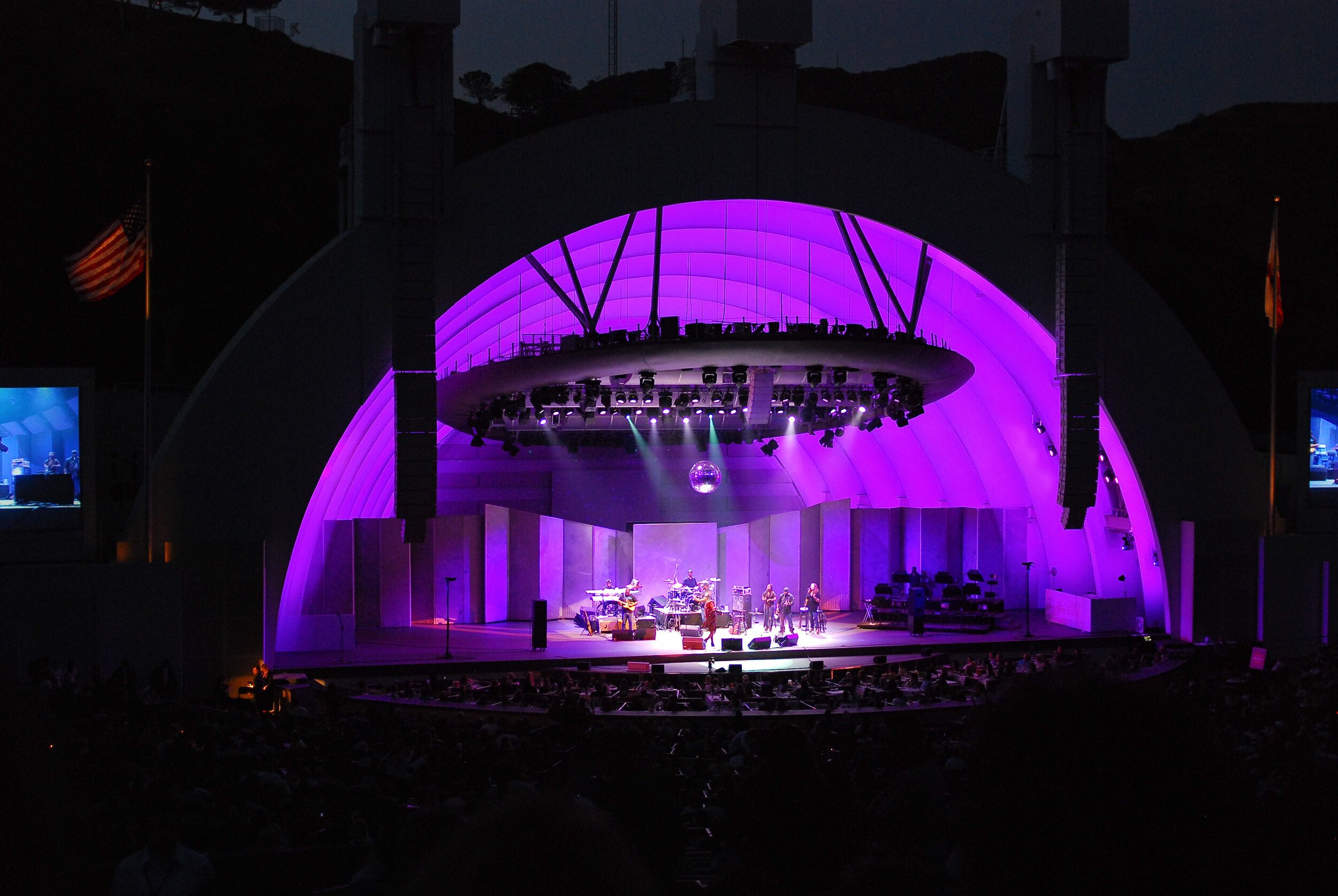
Live music venues—from large to small—have had to look for alternative ways to stay afloat and engage audiences while the pandemic prevents people from gathering en masse. Many places have turned to technology for solutions, frequently in the form of live streamed concerts. The following three cases provide a breadth of examples for how venues are innovating in the face of adversity and planning to implement technological solutions before and after reopening. The Hollywood Bowl is an example of a large, outdoor venue that could benefit from using software to map out what seats could safely be filled. As a small, independent venue, Mr. Smalls Theatre exemplifies how to use technology to remain connected with the community. A trend among artists and performing arts organizations across the United States is the repurposing of the drive-in model. We will look at how that can provide a safe, live complement to digital offerings.
Adapting to the Pandemic: The Enterprise Center and Wolf Trap
To investigate how the Covid-19 pandemic is affecting the live music industry, we will look to case studies of venues that normally host concerts. In this first set of case studies, we will look at the Enterprise Center and the Wolf Trap Foundation for the Performing Arts. The Enterprise Center is a 22,000 capacity (for concerts) arena in St. Louis, Missouri. Located in Northern Virginia, Wolf Trap Foundation for the Performing Arts was the first National Park dedicated to the performing arts. Performances take place at the Filene Center, The Barns, and Children’s Theatre-in-the-Woods, and the foundation also operates the Wolf Trap Opera Company. Because it is currently not safe for either of these venues to operate at full capacity, these case studies will investigate technology-based alternatives.
How Technology is Helping the Live Music Industry Respond to Covid
The music industry in the United States has been a thriving industry since the success of publishers selling sheet music in “Tin Pan Alley” in the late 19th century. Over time, with technological advances, the music industry has blossomed into the multi-billion dollar industry it is today. As you are probably aware, however, the live music industry has been hit hard by the pandemic. The music industry is very familiar with disruptions, but Covid-19 has posed a new set of challenges for it to recover from. This post introduces live music performance as part of the arts and entertainment ecosystem. Throughout the upcoming case studies, we will explore the different types of technology that are being utilized in live entertainment to assist in reopening and the technology that is allowing the public to be entertained.