


Audience Engagement

Consumers Spent Big This Holiday Season - What and How Did They Buy, and What May Capture Their Attention Next?

Consumers Spent Big This Holiday Season - What and How Did They Buy, and What May Capture Their Attention Next?

There are a lot of options for how people may choose to allocate their time, attention, and financial resources. To an extent there is competition in the cultural sector between museums, theaters, and other similar organizations, but external options, such as other forms of entertainment or educational technology, present a plethora of choices for the consumer. With that in mind, as we start the year let’s take a brief scan of what was hot in the tech world through the 2018 holiday season, and what appears to be on the horizon.
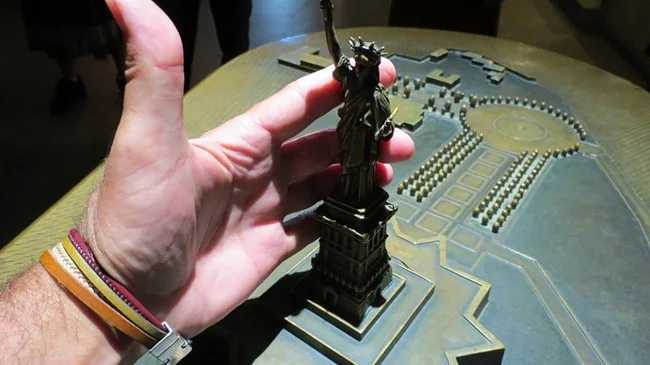
4 Ways to Increase Accessibility for Low-Vision and Blind Patrons in Art Museums

4 Ways to Increase Accessibility for Low-Vision and Blind Patrons in Art Museums

Technical innovations are increasing opportunities for patrons who have low or no vision to engage with the arts. There are four dominant approaches for serving these members of the community: seeing through touch tours, beacon technology, audio description, and applications on personal devices.

Image credit: National Park Service

Artificial Intelligence In Museums: Chatbots, Social Analytics, and More!

Artificial Intelligence In Museums: Chatbots, Social Analytics, and More!

Artificial Intelligence is opening up a new world of possibilities for arts organizations in terms of programmatic offerings, guest services, and management. A recent convening of the American Alliance of Museums, hosted by the Perez Art Museum Miami, and sponsored by The Knight Foundation and Alley Interactive, brought together museum professionals, technologists, and futurists to discuss how AI is, and can be used in museums.

Requiem For a Stream: Who's Listening to Classical Music

Requiem For a Stream: Who's Listening to Classical Music

This is the first of a series on orchestras streaming their performances. This installment centers around the audience. Orchestras have done a lot of research on who their audience is, and there is a lot of data on who streams music. This article talks through both sets of observations and find the overlap between the two.  

Camera Precision: How ARTMYN Leverages Digitization for Engagement

Camera Precision: How ARTMYN Leverages Digitization for Engagement

Cataloging is one of the most labor intensive responsibilities for collections management, requiring the expertise of many art-specialists. It typically is also the most encountered feature of a collection, especially when the actual object is restricted with respect to: preservation, accessibility, and engagement. Digitizing collections challenges traditional paradigms for audience interaction,  and one private organization leading the progression is ARTMYN.

A Look Back: Museum Computer Network Conference 2017

A Look Back: Museum Computer Network Conference 2017

AMT Lab recently served as a sponsor for the Museum Computer Network Conference hosted in Pittsburgh, PA. Our contributors attended the conference and reported their most interesting findings in the field.

Blurring the Physical And Digital: 6 Takeaways for Arts Mangers from the Insight of Two Microsoft HoloLens Designers

Do you think virtual reality is all the rage? Or not? Here's some insight from Microsoft designers for arts managers.

Multi-Touch Technology and the Museum: An Introduction

Multi-Touch Technology and the Museum: An Introduction

Touchscreens have altered the way we interact with our world. From scrolling through our Facebook newsfeed, to picking up tickets at the airport kiosk, we use this technology on a daily basis. Today museums around the world are embracing this tool as a way to promote interactive learning. Multi-touch technology, in particular, can create an interactive and collaborative learning environment. But what exactly is multi-touch technology?  

SecondSundaySurvey: Trends in Digital Video Consumption

SecondSundaySurvey: Trends in Digital Video Consumption

More and more arts organizations are investing in digital video production as a means of engaging audiences who want to know more about arts programming.  These audiences connect across a spectrum of devices, so knowing how audiences consume video will help organizations create the best format for engagement. A new survey conducted by Ooyala illuminates these patterns and provides vital insight to the conversation surrounding video distribution.

Gallery One at the Cleveland Museum of Art: Connecting Audiences to Art Through Technology

Gallery One at the Cleveland Museum of Art: Connecting Audiences to Art Through Technology

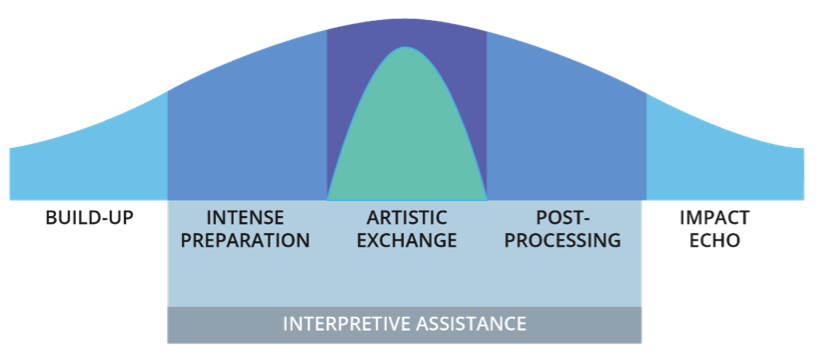
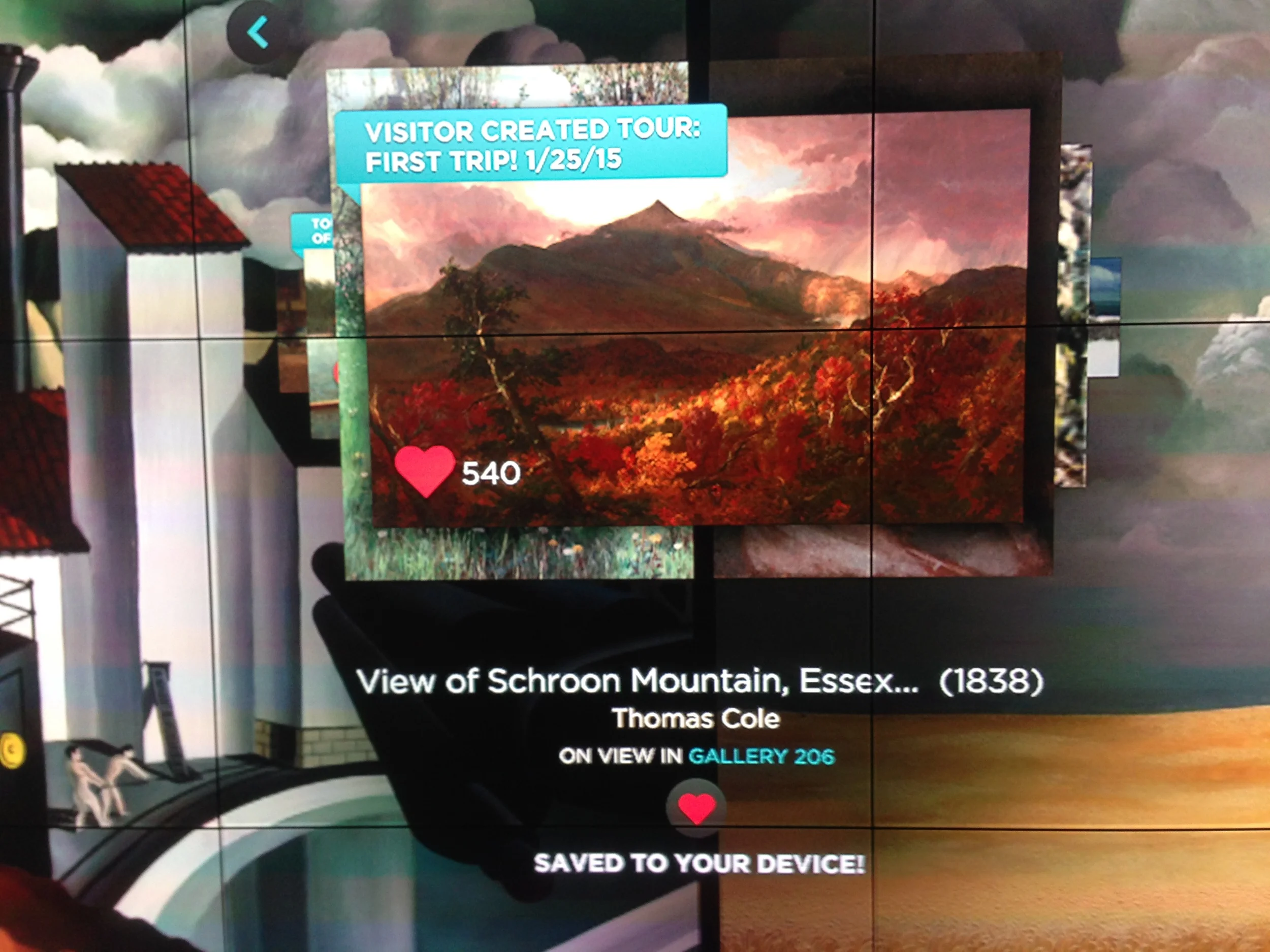
Museums, and all arts institutions, focus on reaching and engaging their audiences. For some it may mean reaching a broader audience while others are looking for a deeper relationship with their current audience. No matter the motivation, art museums face the daunting task of turning these desires into actionable and measurable endeavors. For some organizations, deep investments in technology may be a part of the solution. AMT Lab's latest publication, Gallery One at the Cleveland Museum of Art: Connecting Audiences to Art Through Technology uses WolfBrown's WolfBrown’s “Making Sense of Audience Engagement” framework to explore the Cleveland Museum of Art’s Gallery One initiative and to show how technology is able to reach a wide audience by filling diverse needs of engagement. 

Gallery One: Engaging Audiences Infographic

Gallery One: Engaging Audiences Infographic

How do you learn best about art? Maybe you lightly browse, interact with friends, or get right in the middle of the action. There are multiple ways to engage with and explore art forms, however cultural institutions may not always program to meet these needs. 

The Cleveland Museum of Art's Gallery One activities, on the other hand, were designed with people's learning needs and preferences in mind. In this article I apply WolfBrown's Making Sense of Audience Engagement Audience Typologies to the different initiatives to see how learners can interact with the the Art Lens App, Collection Wall, Interactives, and Studio Play at the CMA.