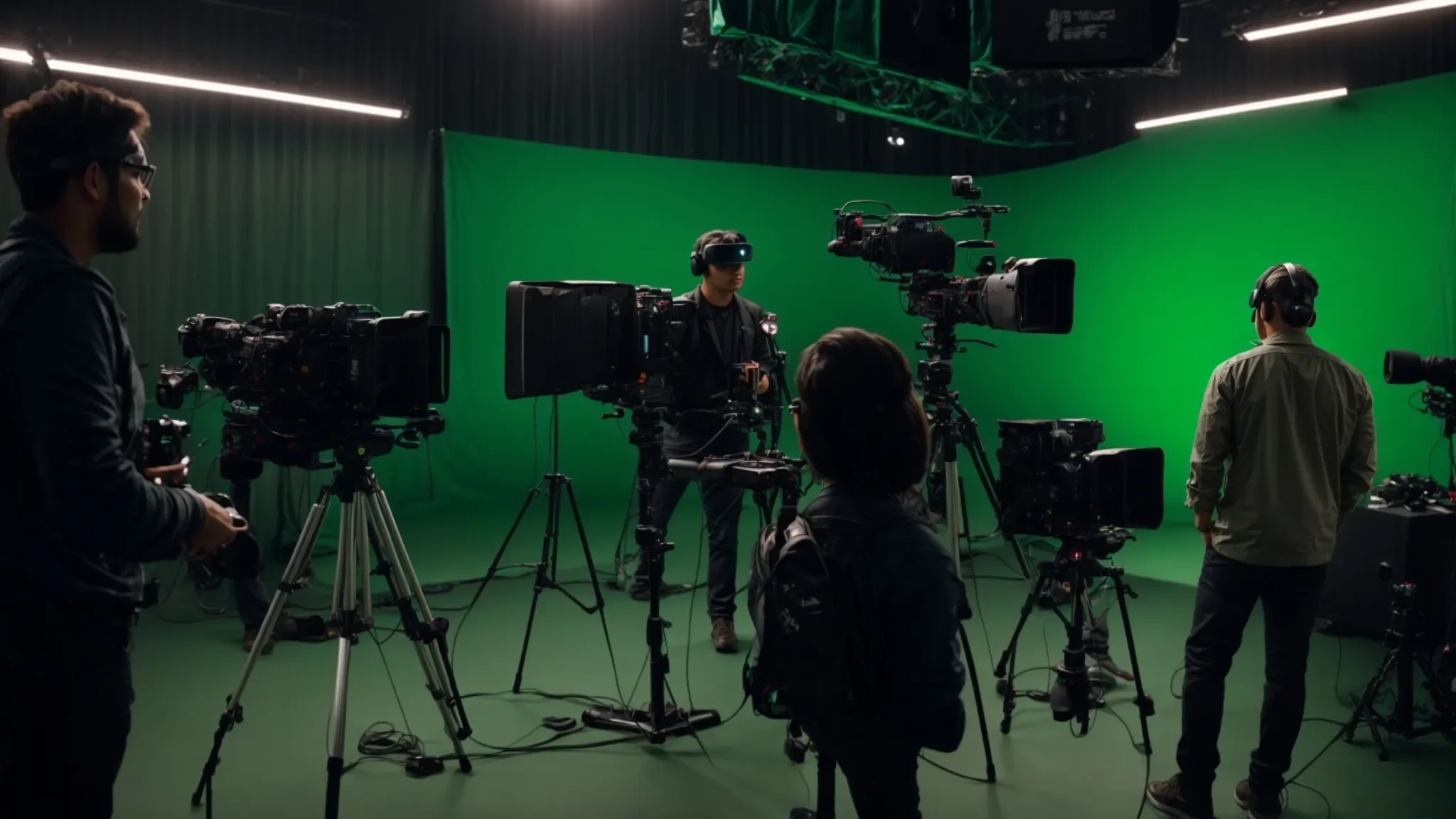
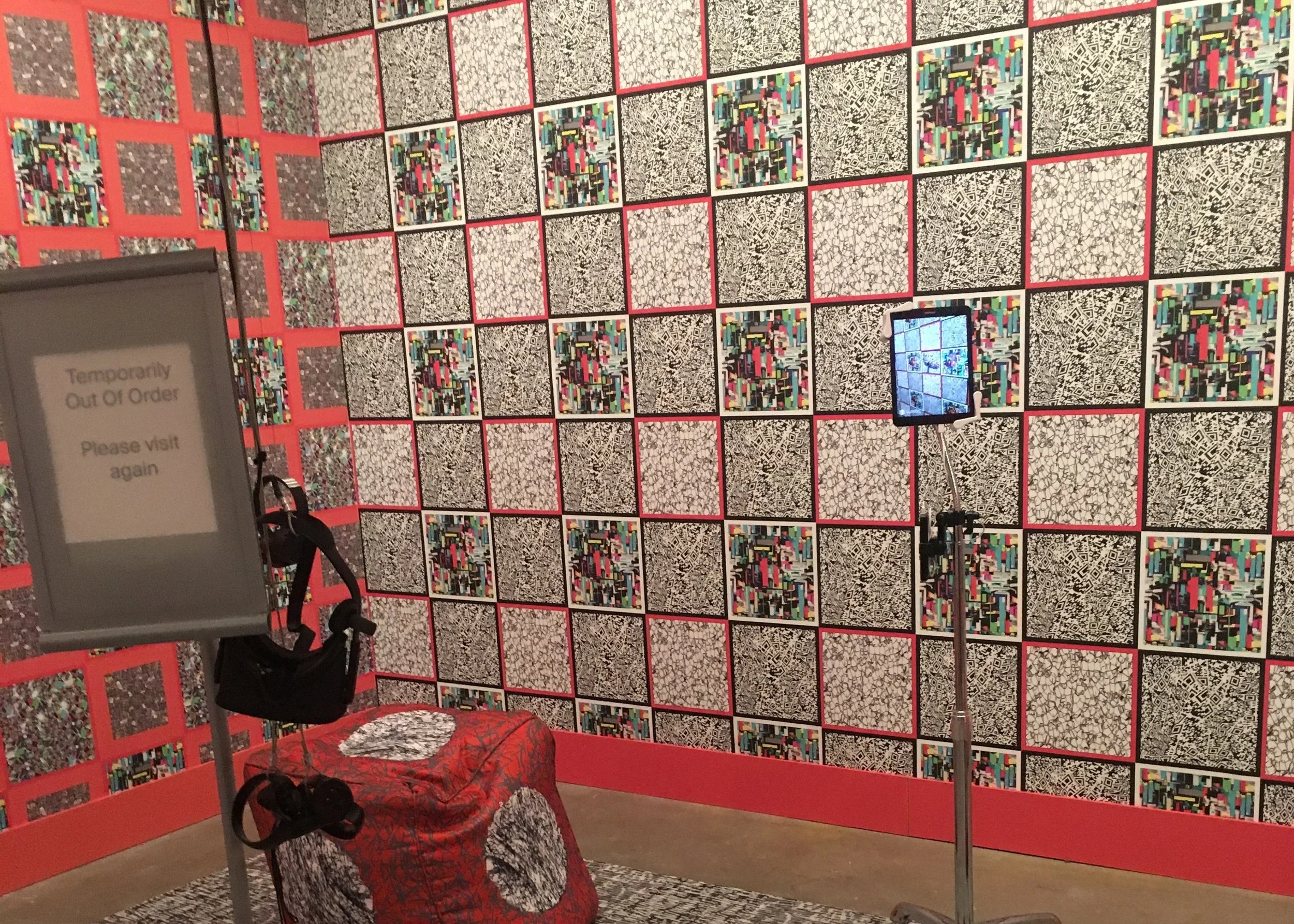
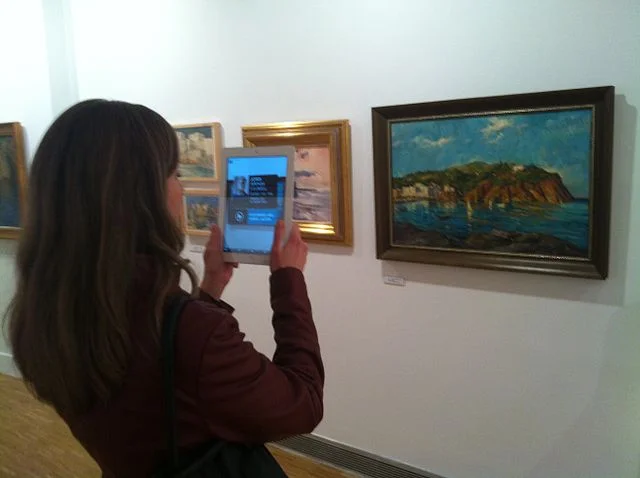
Virtual Reality technology is increasingly more sophisticated and powerful, and it’s predicted to fully hit the mainstream within the next year. In the performing arts VR has been adopted slowly, most commonly used for immersive experiences. However, there may be a lost opportunity: institutions can use VR simply to grow audiences.
Playing with Reality in the Performing Arts: AR, VR, and MR
Immersive Experiences (AR, VR, and mixed reality) are emerging in the performing arts world. Let’s take a close look to gain a better understanding of the reasons why performing arts organizations implement these kinds of technology and discover whether it was worth the investment at this time in the technology’s development.
Considering Biases in AI and the role of the Arts
Consumers Spent Big This Holiday Season - What and How Did They Buy, and What May Capture Their Attention Next?
There are a lot of options for how people may choose to allocate their time, attention, and financial resources. To an extent there is competition in the cultural sector between museums, theaters, and other similar organizations, but external options, such as other forms of entertainment or educational technology, present a plethora of choices for the consumer. With that in mind, as we start the year let’s take a brief scan of what was hot in the tech world through the 2018 holiday season, and what appears to be on the horizon.
4 Ways to Increase Accessibility for Low-Vision and Blind Patrons in Art Museums
Technical innovations are increasing opportunities for patrons who have low or no vision to engage with the arts. There are four dominant approaches for serving these members of the community: seeing through touch tours, beacon technology, audio description, and applications on personal devices.
Image credit: National Park Service
Internet2: A Faster Internet for Live Streaming and Music Education
Artificial Intelligence In Museums: Chatbots, Social Analytics, and More!
Artificial Intelligence is opening up a new world of possibilities for arts organizations in terms of programmatic offerings, guest services, and management. A recent convening of the American Alliance of Museums, hosted by the Perez Art Museum Miami, and sponsored by The Knight Foundation and Alley Interactive, brought together museum professionals, technologists, and futurists to discuss how AI is, and can be used in museums.
Is a Digital Map in Your Organization’s Future?
Blockchain Explained: Applications for the Arts Part 2 of 3
ReMasterpieces: A Machine Learning Powered Provenance Research Tool
Blockchain Explained: Understanding the Technology and its Applications for the Arts, Part 1 of 3
New White Paper: Open Data and Data Visualization in Arts Organizations
Data collection and communication is an essential tool for effectively managing arts organizations. Data visualization techniques can reveal organizational or industry insights in a manner which is easy for managers to understand and communicate to their stakeholders. Explore sources for open source data, and low cost, high impact data visualization tools in this new white paper.