Artificial Intelligence

U.S. Copyright Office Ruling and Implications on A.I.

U.S. Copyright Office Ruling and Implications on A.I.

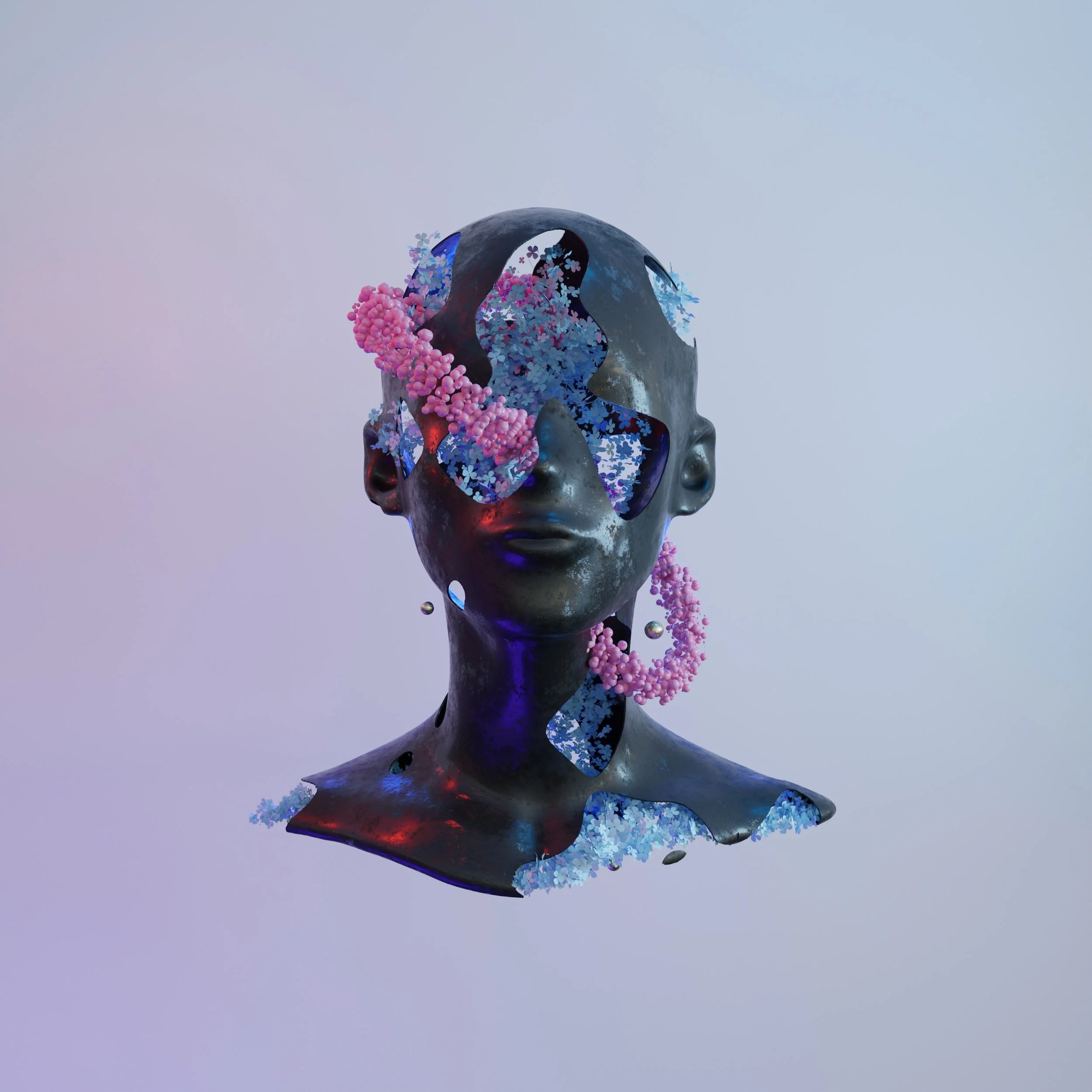
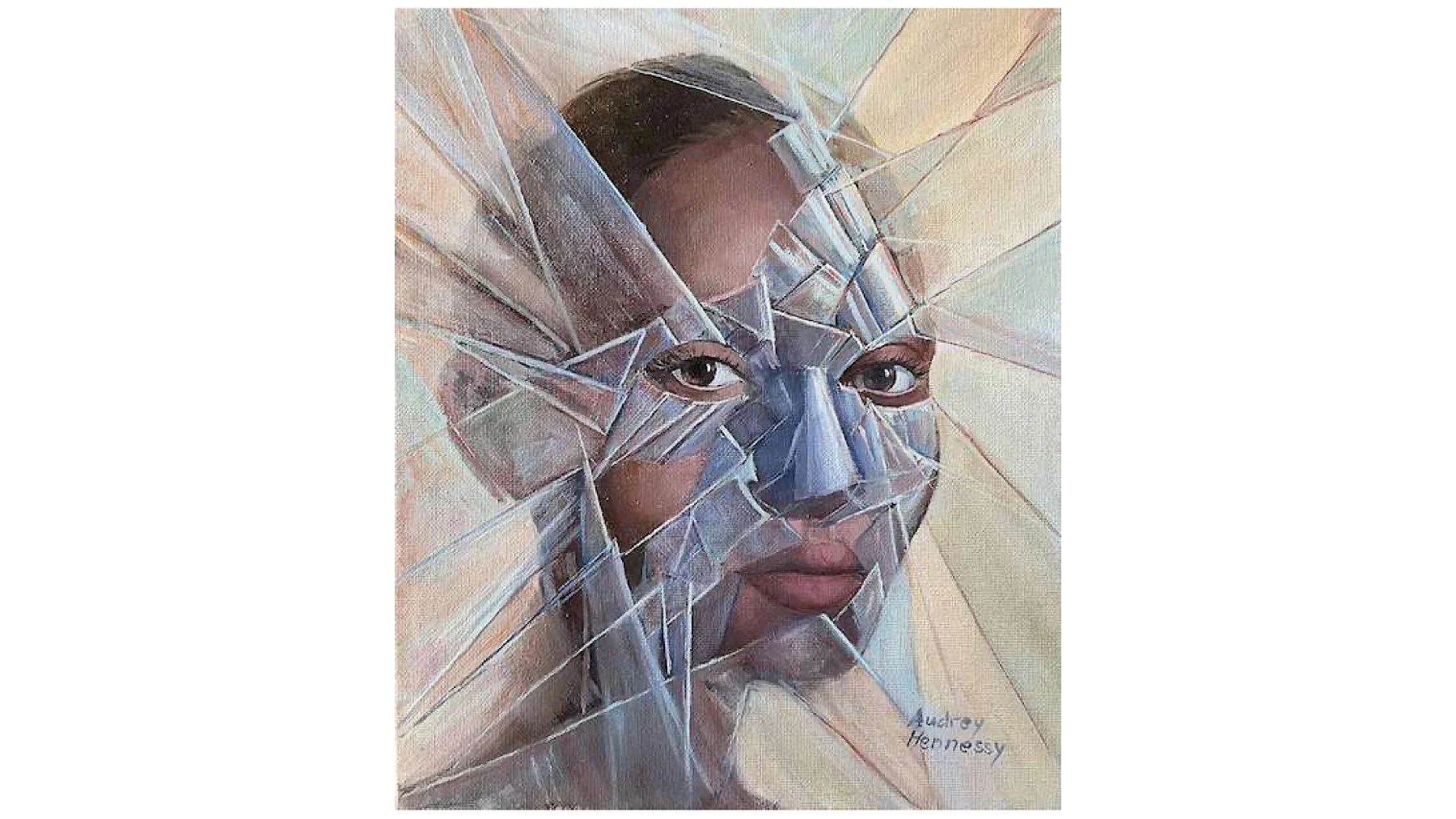
Generative AI in an art context raises a multitude of legal questions, one of the more important ones being, who owns the art? Is it the AI-tech company? The person who inputs the prompts? Some mysterious third party? More specifically, with the U.S. Copyright Office declaring that AI cannot be credited as an author on a piece of art, how does this change the legal landscape for the AI-curious and artists who already use AI as part of their creative process?
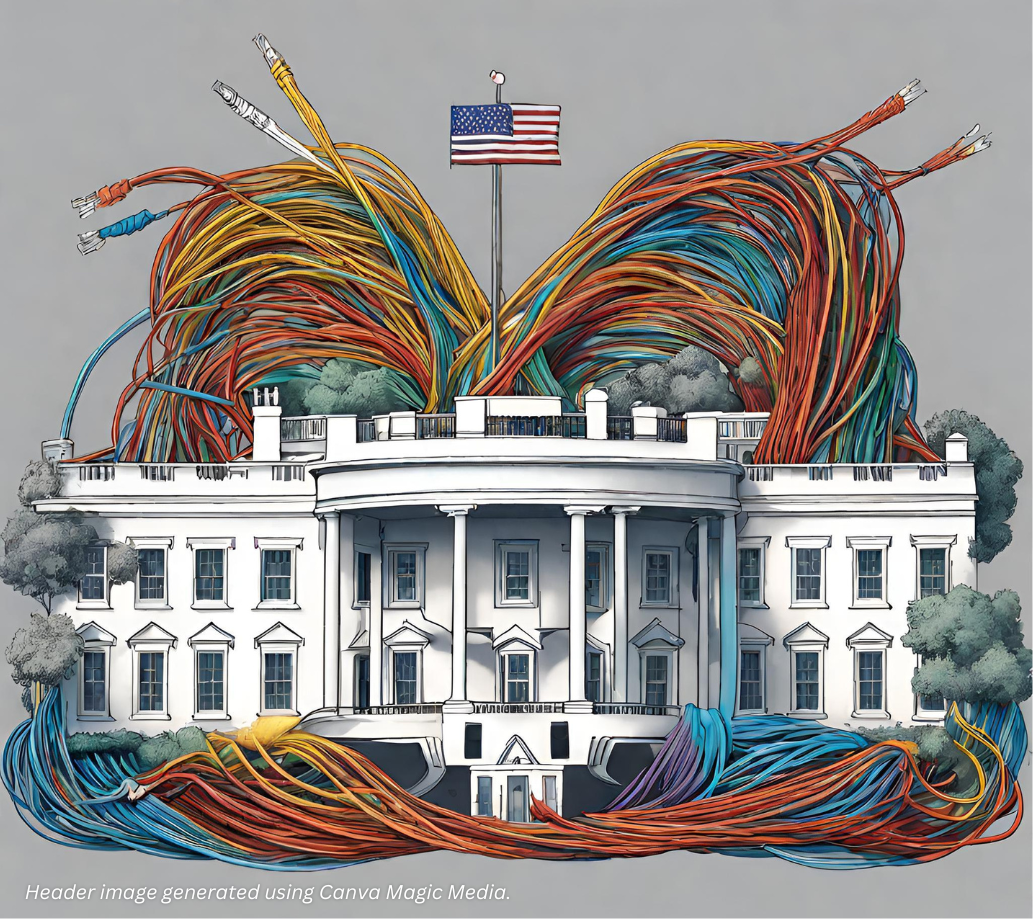
How President Biden's Executive Order Might Affect Artists and Arts Organizations

How President Biden's Executive Order Might Affect Artists and Arts Organizations

On Monday, the headlines were ablaze with President Biden’s executive order addressing safe, secure, and trustworthy Artificial Intelligence. At 111 pages, the order offers a breadth of policy frameworks and standards creation that affect government operations and industry reporting. However, several areas of note have a direct potential impact on the work of artists and arts organizations: Watermarks of content authenticity, Copyright, and Labor.

October's News: Regulation, Disinformation, and Leveraging the Metaverse

October's News: Regulation, Disinformation, and Leveraging the Metaverse

October offers some seizmic change in the technology regulation space concerning an executive A.I. order, ‘deepfake’ mimicking, and the use of A.I. and the metaverse to enact positive change.

Exploring the Feasibility of AI Music Therapy

Exploring the Feasibility of AI Music Therapy

Patients can now enjoy music therapy through smartphones or computers, breaking geographical barriers. Music therapists have become more professional, with mandatory qualifications and standardized practices. These developments have paved the way for the emergence and growth of AI music therapy.

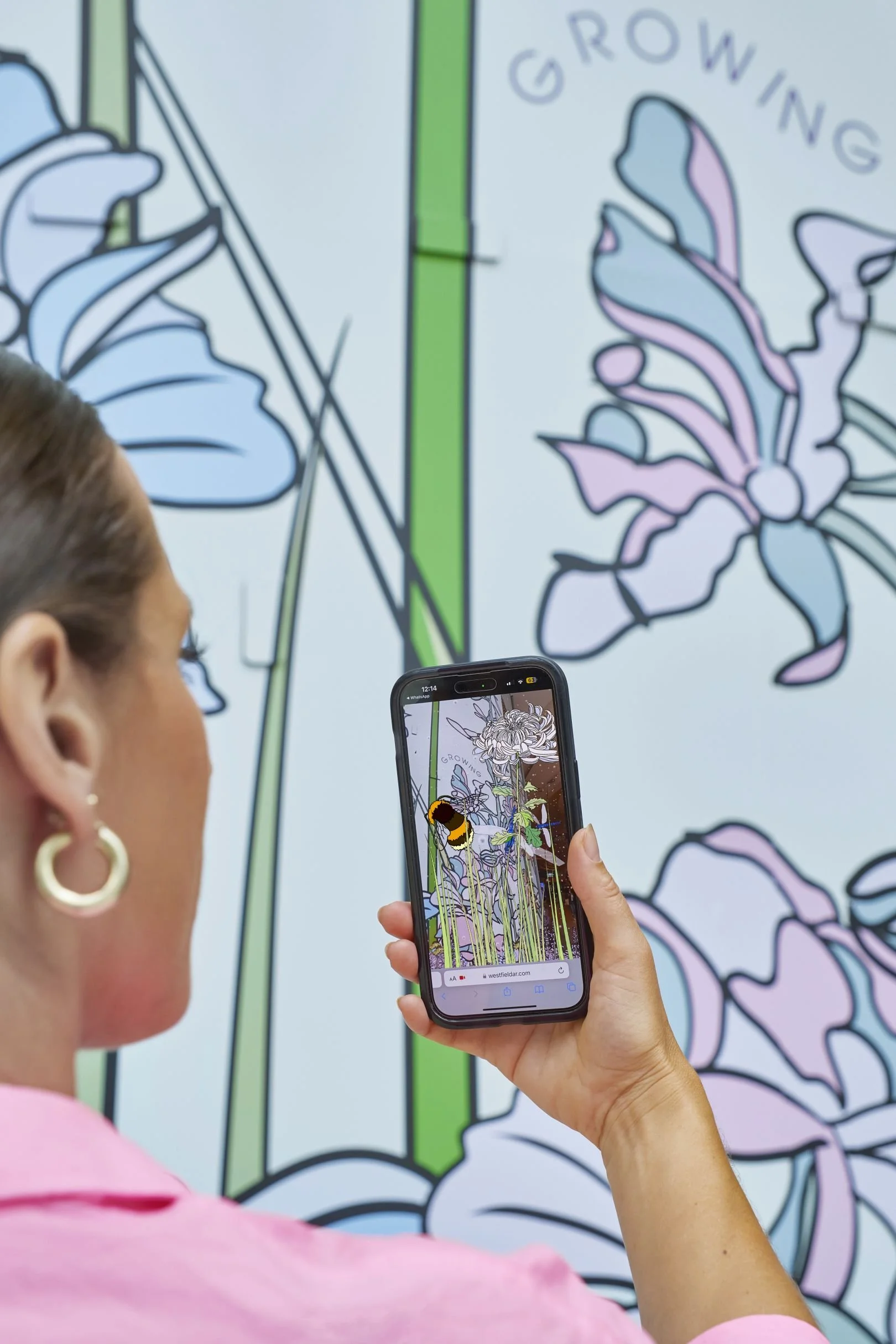
AR Public Art & Climate Intervention

AR Public Art & Climate Intervention

AR artwork is moving away from dependence on commercial or scientific success and artists have more freedom to create place-based artworks without necessarily having permission or costly materials. As a result, artists are stepping into the AR public art space to tell stories, respond to inequity, and shift behavior for positive social impact.

September’s News: AI’s Next Moves as Social Media Platforms Reposition

September’s News: AI’s Next Moves as Social Media Platforms Reposition

September news reveals a quickly maturing AI marketplace while there seems to be a new era in the social media space as companies emerge and adapt in the post-Twitter age. Read on to catch up on all the news you might have missed. 


TikTok: Opportunity and Risk

TikTok: Opportunity and Risk

The latest controversies surrounding TikTok are no secret: Biased algorithms, censored content, & intensive personal data collection to name a few. But how exactly are these controversies posing risks for users, and why should those involved in the arts industry care? Buckle in (especially YOU, arts marketers) because this may potentially change the future of social media and marketing moving forward.

TikTok Testimonies

TikTok Testimonies

The writing in this article is mainly based on opinion as I interpret the coverage of the testimony. The following commentary on the testimonies with links to the testimonies and relevant coverage. There are many, often heated, opinions on this topic and the hearing. Rather than simply explaining the facts of what occurred, for many people already know what occurred and I found it more beneficial to express my opinions on the case.

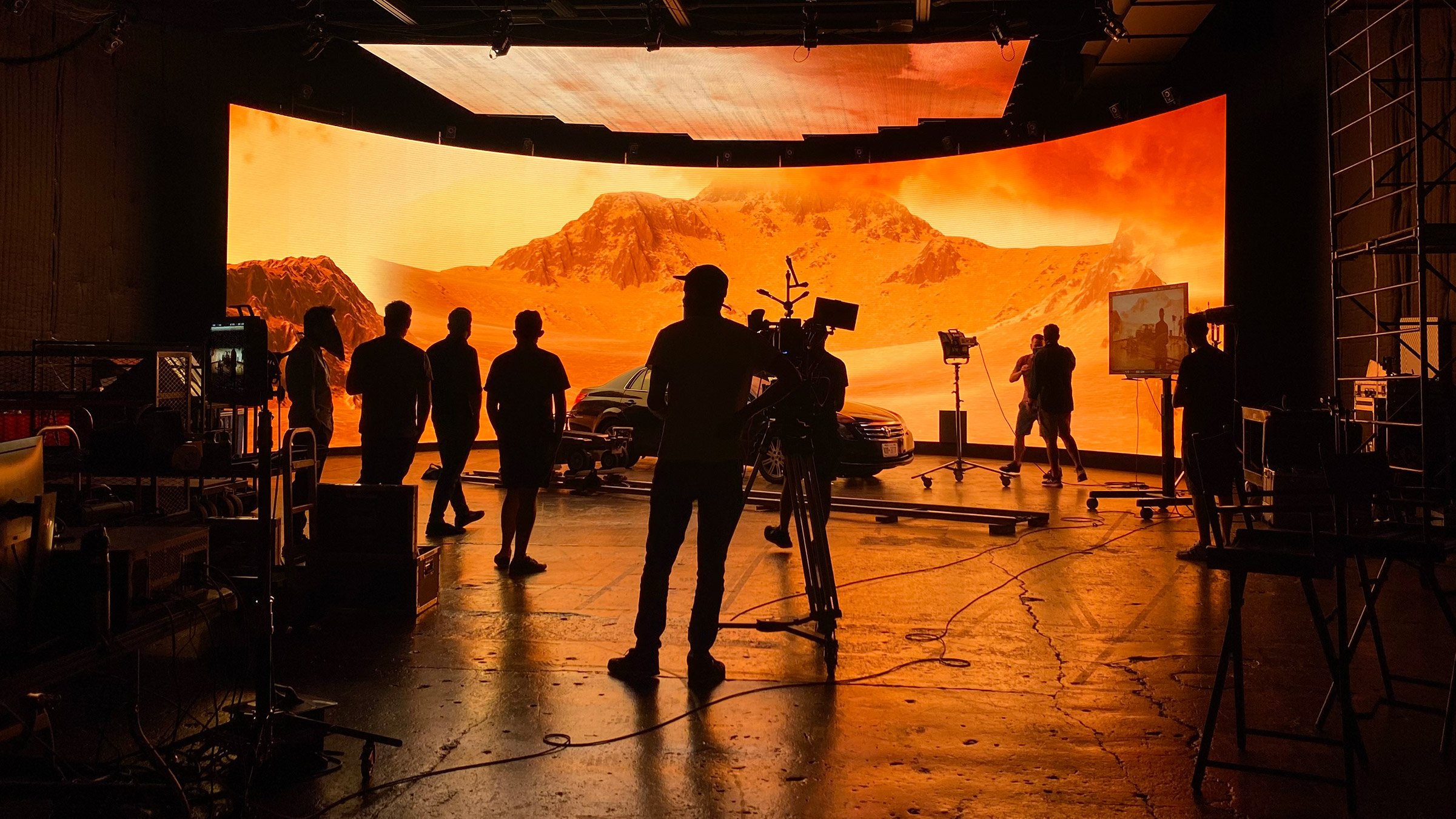
AI and Virtual Production: The Past Meets the Future

AI and Virtual Production:  The Past Meets the Future

Technology has played a critical role in the film industry since its inception. Advances in the film industry are always closely related to technological advances in society, integrating them quickly into the filmmaking process. Almost every aspect of filmmaking, from pre-production to post-production, from digital cameras, editing software, sound and music, distribution, exhibition, and of course, special effects, has undergone major changes and has evolved over the last 190 years. 

Contemporary, traditional film production involves building physical sets, scouting locations, and coordinating large crews and equipment, all of which can be time-consuming and expensive. To overcome some of these "problems" or “needs” was born what we know today as Virtual Production. Virtual production has and will be further enhanced by the opportunities afforded by artificial intelligence.

Artificial Intelligence Can Change the Game for Artists and Organizations

Artificial Intelligence Can Change the Game for Artists and Organizations

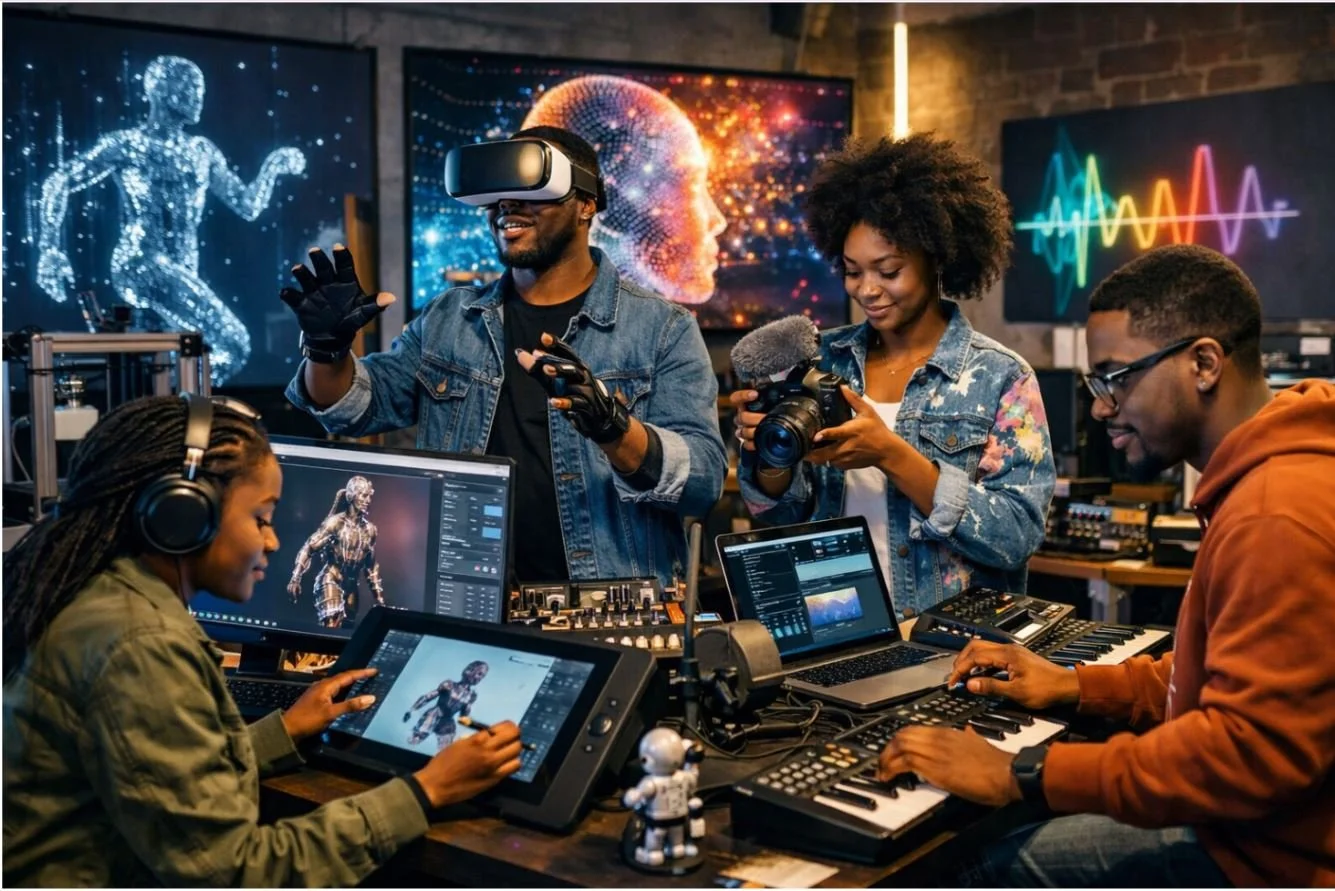
The successful future of the arts and arts organizations will include artificial intelligence (AI). Artificial intelligence operates in many spheres, from generative AI, including OpenAI’s ChatGPT, DALLe or VALLe, or OtterAI’s transcription tools to robots cleaning offices to machine learning algorithms. While the opportunities seem both endless and perhaps intimidating, strategic application of these tools can make a significant difference.

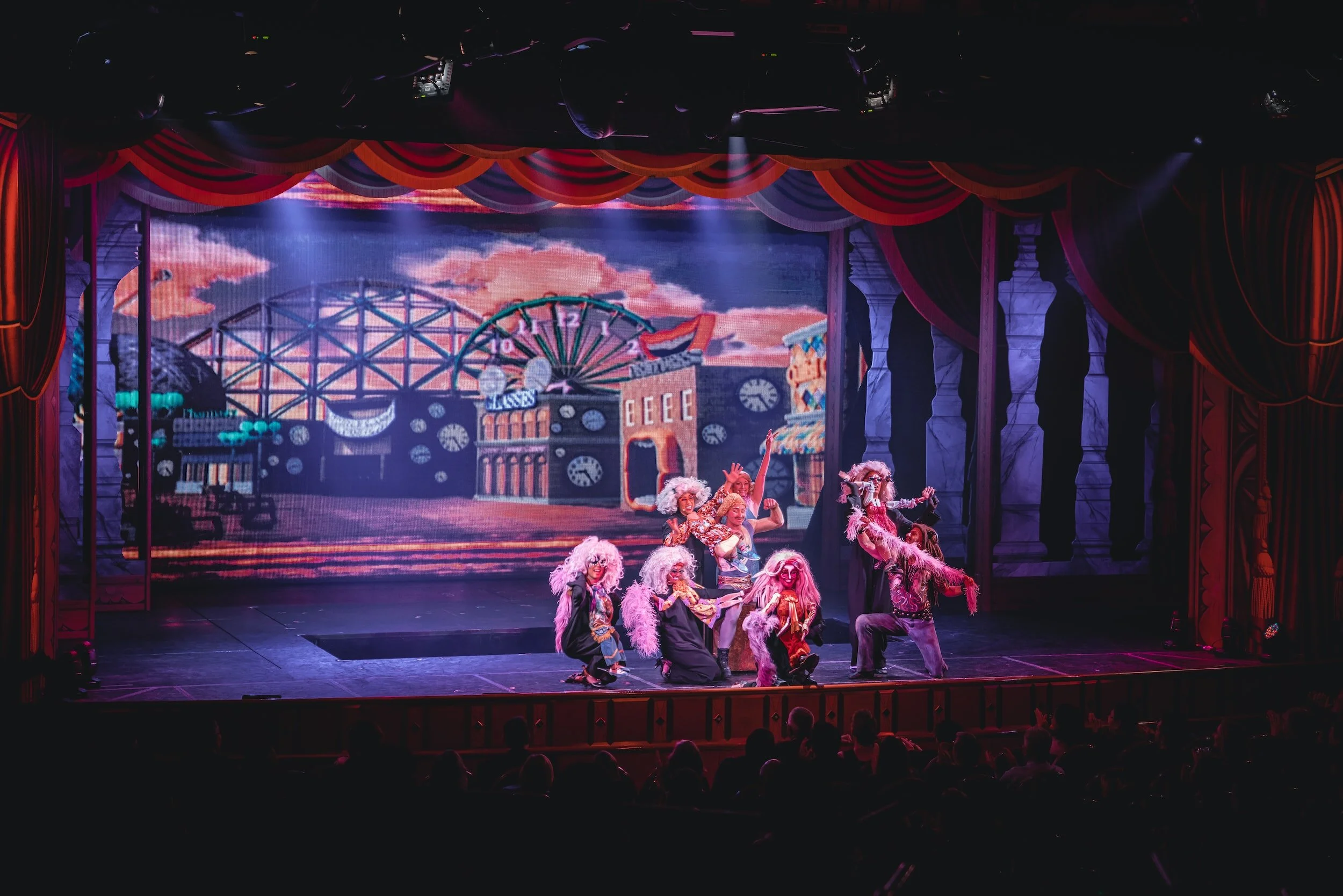
AI And Theatre: Playwriting, Stage Design, and Ticketing

AI And Theatre: Playwriting, Stage Design, and Ticketing

Artificial Intelligence is being experimented with in the world of theater, from playwriting in traditional theatre, musicals, and improv. It is also being used for scene design and as a creative collaborator and director. Can AI successfully produce on these fronts? What does this mean for the future of the industry?

Massive Software’s Influence on Popular Fantasy Film

Massive Software’s Influence on Popular Fantasy Film

Massive Software creates hordes of fantasy armies using Artificial Intelligence and in doing so it has changed the fantasy entertainment game. Their realism is largely due to fuzzy logic, a “way to create naturalistic and subtle behavior” that human viewers will interpret as realistic and powerful. This combined with emergent technology offers a wide array of opportunity for creators.

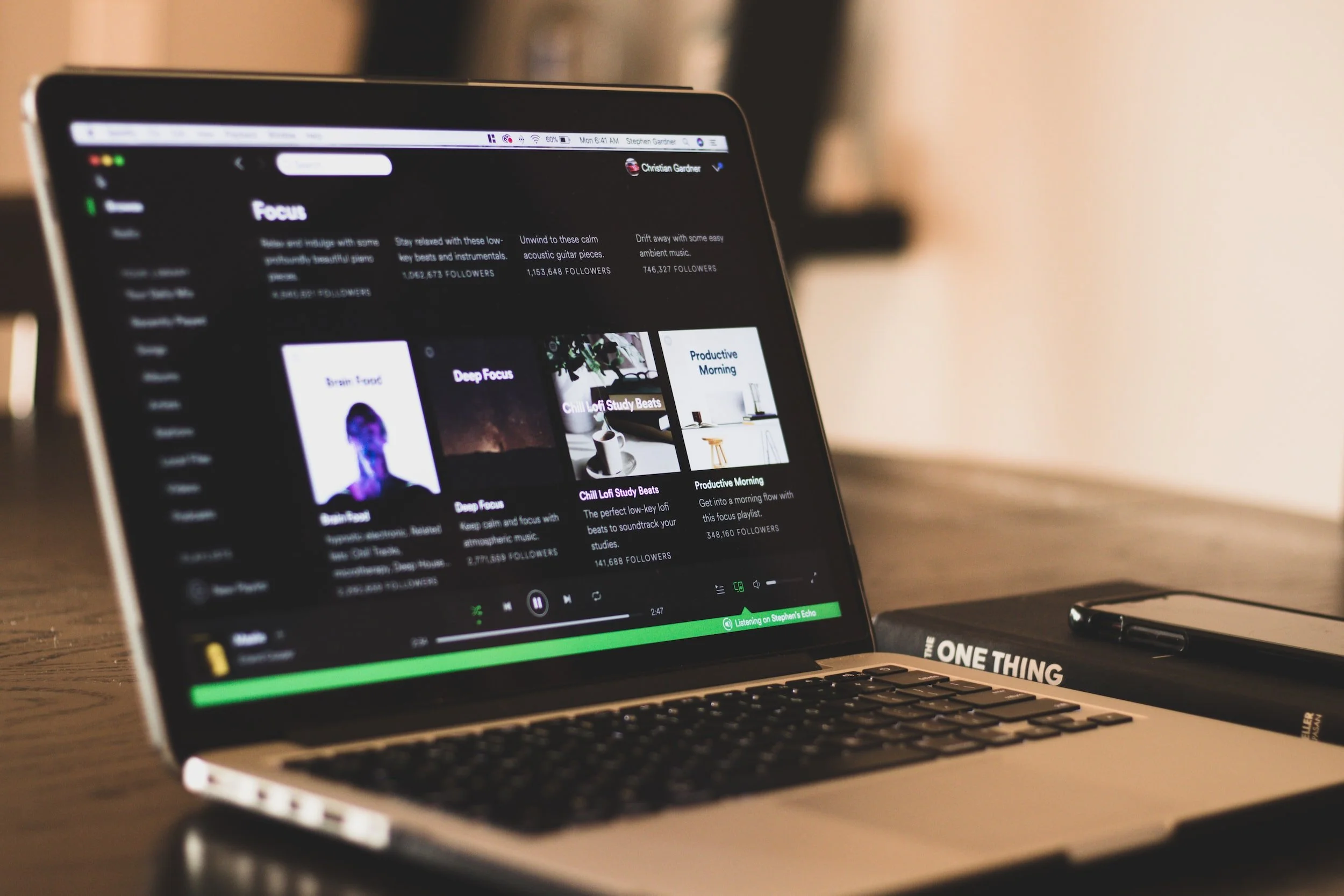
AI in Spotify’s New ‘AI DJ’

AI in Spotify’s New ‘AI DJ’

While Spotify has been a frontrunner in the AI field for a decade, its increased infusion of AI into its algorithmic content suggestions has put it into the spotlight with its ‘AI DJ.’ Consumers return again and again to Spotify largely for its enhanced personalization that few other streaming platforms can match. While AI is central to that personalization, it hasn’t surfaced without baggage and some consumer retaliation. It is also worth considering how this technology will further perpetuate algorithmic biases that disproportionately affect Black musicians.

How AI Is Used in Video Games: The Sims 4 and Red Dead Redemption 2

How AI Is Used in Video Games: The Sims 4 and Red Dead Redemption 2

Artificial intelligence (AI) has been fundamental since the 1950s in game design and development, but a subset of AI called generative artificial intelligence (GenAI) is now deployed in nearly all video games to create clever, responsive, or adaptive behaviors. This article examines the unique cases of Generative AI in 2 incredibly popular video games: The Sims 4 and Red Dead Redemption.

In the News: November 2022

In the News: November 2022

Each passing month of 2022 seems to give us no shortage of controversial tech-related news that has implications for the nonprofit arts sector. The following stories exhibit the ways in which large companies in the tech sector overstepped their roles and abused their power.

In the News: October 2022

In the News: October 2022

As issues surrounding AI and NFTs continue to come to light, conversations about ethical uses of technology become more complex. This month, we are taking a look at stories that address the issues of data privacy in AI technology, the ongoing legal battlefield of NFTs, and digital strategies in theatre.

In the News: September 2022

In the News: September 2022

In the past month, AI has been dominating arts news. As its role as a collaborator and partner in visual art projects grows in popularity, many question its ethics and even object to its use in the arts entirely. There’s no doubt of its benefit in certain contexts. For instance, in the area of cultural preservation projects, which may take humans much longer if unassisted by the technology. But, understandably so, there also seems to be a looming fear in the artist community that it will displace human artists. Many object to even calling AI-generated or AI-assisted art “art.” While the future is uncertain concerning the legality and ownership of such “artwork,” these conversations are important to have. And it is vital to stay informed on the various issues involving AI in art, both good and bad, to see how the law adapts.

TBT: Art and AI

TBT: Art and AI

In late August, Jason Allen's AI-generated artwork "Théâtre D'opéra Spatial" took first place in the digital category at the Colorado State Fair. One critic called it "the death of artistry." But others, like Shelly Palmer, say if he crossed a line, "we’ve been walking up to the edge for decades." Allen himself believes AI-generated art will eventually become its own category.

Today, we're looking back at some of the ways AI has been incorporated into the visual arts realm.