

Every month, AMTLab publishes a collection of recent news in the field of arts management and technology. Follow the links below to find out what moved the arts and technology world in November 2013. Enjoy!
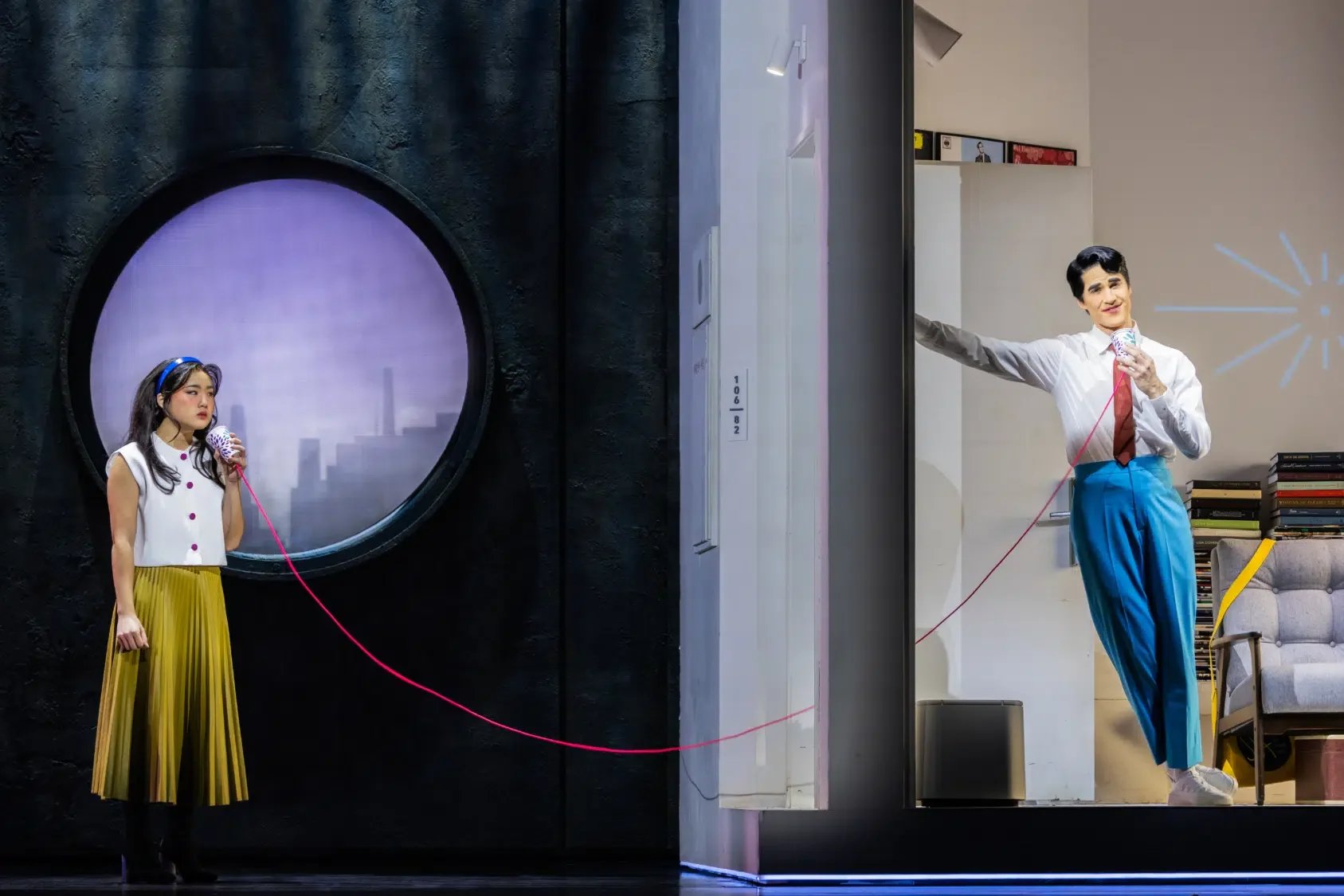
How can Broadway embrace technology as both a dramaturgical and production practice to mirror the evolving digital era? To understand how technology should function in theatrical storytelling, it is necessary to review what the foundations of digital media are in the theatre space, how theatre makers have portrayed aspects of the digital era, and what the ongoing discourse within the industry is on this topic. Skyler Baker’s research explores how technology can and should be directly tied to a show’s dramaturgical context.
Unchecked SEO spam has been plaguing Google for years, and it is showing no signs of stopping. SEO spam minimizes the work of thoughtful website design and prioritize fraudulent strategies to boost content in search engine rankings. However, by understanding how SEO spam is dramatically affecting search rankings, we can learn a great deal from it. By fairly and thoughtfully implementing the following strategies that scammers are taking advantage of, your business can boost its website’s SEO while beating out any potential spam that may be getting in the way of users finding your content.
In this month’s Byte Sized Culture, lead researcher Julia Srnec writes about Giving Tuesday in the age of AI, how AI and local LLMs are changing grant writing for artists and non-profits, and AI authentication of artwork.
In Part 1, our research team explored the current state of regional sports networks (RSNs) and the challenges FanDuel Sports Network (FDSN) faces as the sports media landscape shifts. Part II focuses on our qualitative and quantitative research to examine how FDSN’s audience discovers content, how integrating gambling elements into FDSN’s content affects audience engagement, and whether that integration helps consumers discover content. The survey was distributed through digital platforms (e.g., social media and online communities) to reach active sports audiences. Team members also interviewed five sports media experts who offered informed, decisive opinions on the state of the industry.
The regional sports network (RSN) model, and sports media in general, has experienced severe disruption from the streaming revolution. To adapt, RSNs, like FanDuel Sports Network (FDSN), have been forced to update their business models, adopt DTC streaming strategies, and renegotiate their distribution agreements. As cord-cutting accelerates and the streaming landscape becomes increasingly saturated, RSNs must find new ways to differentiate themselves and capture consumers’ limited attention. A defining challenge for FDSN is determining whether its naming-rights partnership with FanDuel Sportsbook and the broader integration of gambling-related content into live broadcasts can meaningfully drive audience discovery and engagement. In Part II, our research team will present data and findings from our research, and reflect on their implications for FDSN’s content strategy and audience growth objectives.
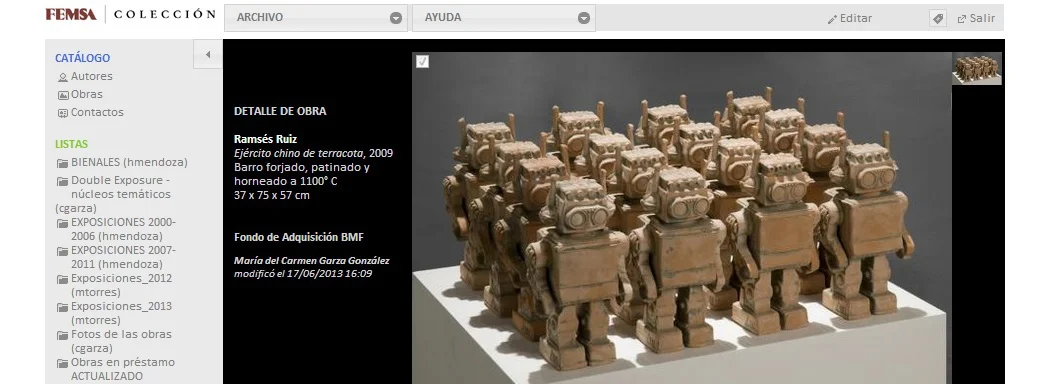
Colección FEMSA specializes in travelling exhibitions for Mexican and international institutions. A nine-person team manages all aspects of planning, from building crates and preventive conservation to facilitating partnerships with museums and other cultural organizations, culminating in up to twelve different shows each year. While a relatively small collection, the management challenge for this organization is having artwork constantly on the move. This case study concentrates on how Colección FEMSA meets this challenge through the help of a collection management application, Spaces for Art.
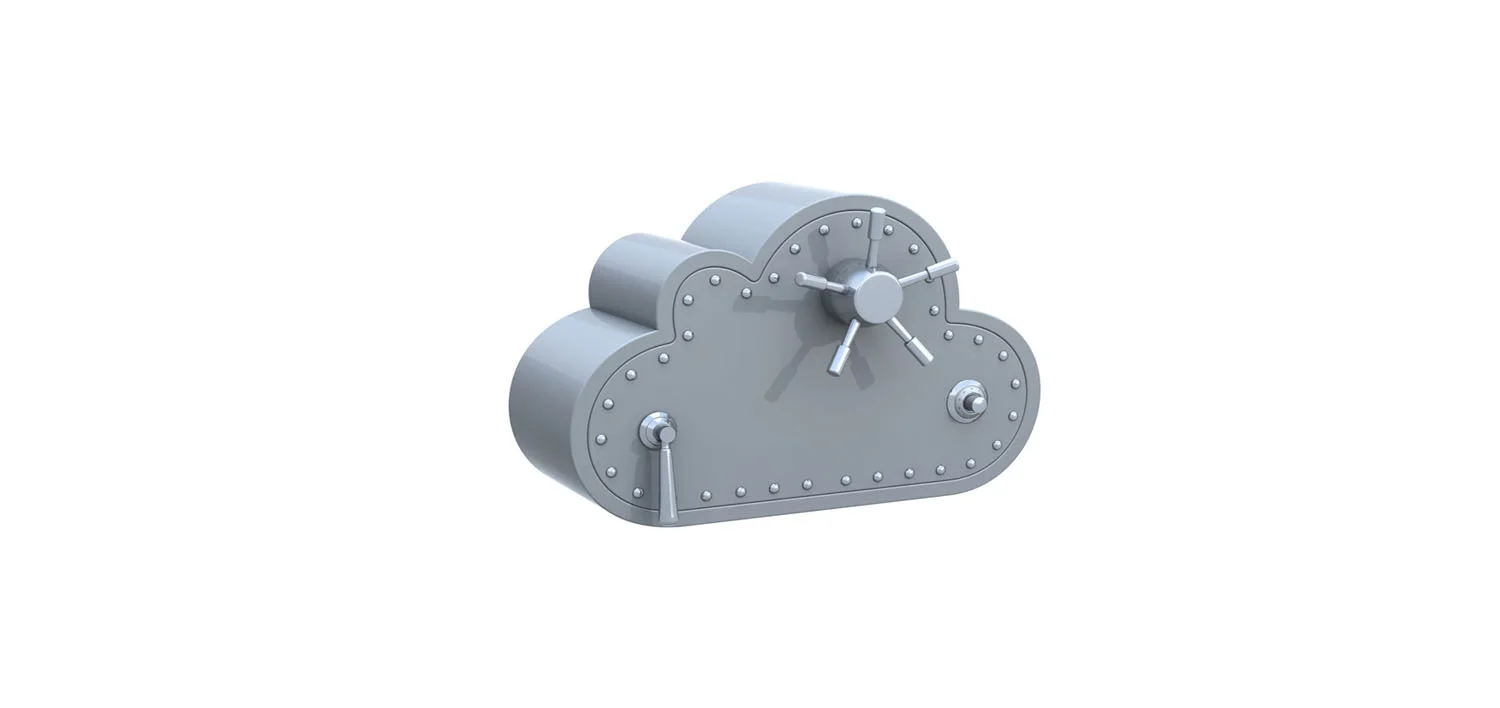
When it comes to the cloud, security is a widespread concern across sectors. According to a recent survey, conducted by Lockheed Martin and the Cyber Security Alliance, security was listed as the top concern by Government IT decision makers, despite overall increasing adoption of cloud technology. Security is a multifaceted issue, ranging from the above example concerning what rights are retained when information is uploaded to the cloud, to more classical issues involving data theft. The basic fact is that when organizations take their data into the cloud they are ceding day-to-day control of that data. Though they can access it and share it at will, they typically will have no idea in which physical datacenter, or even in which country, their files are currently stored. Users must rely on the provider to not just manage their data responsibly, and to prevent loss of their data through hardware failure, but to keep their data encrypted and inaccessible to unauthorized users.
An ongoing concern of performing arts managers is the impact of arts participation and engagement programs on creating new audiences. Specifically, arts organizations are concerned as to whether or not their efforts elicit new patrons to attend performances regularly. Concerns exist in particular about the overall impact of engagement programs like simulcasts, wondering if a new audience members are attending these events at all, or if the events are drawing the same group of people that come to staged performances. Furthermore, a growing discomfort exists that opera simulcasts might actually be “cannibalizing sales,” or in other words, reducing ticket sales at live opera performances.
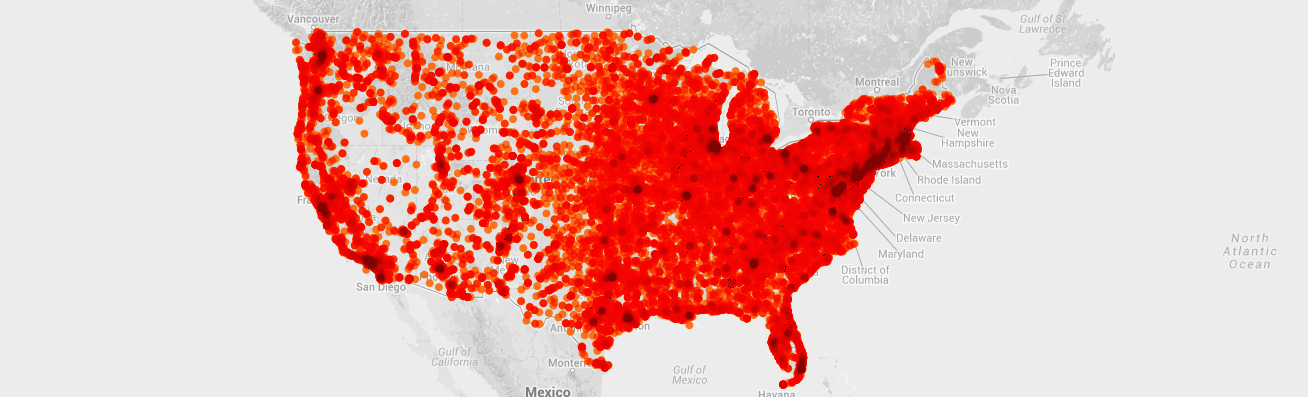
As I continued to research how arts organizations can use spatial data to advance their programming missions, and looked at the volume of data already available, numerous scenarios come to mind. Spatial data can be used to evaluate a traveling exhibition proposal or a public art site, develop a grant-making or educational program, or identify potential partnerships.
When moving toward making data-driven decisions, arts organizations can begin by recognizing many of the different data sets generated internally that contain valuable information about their audiences. Here is a brief look at four such data sets and the corresponding reports arts organizations can utilize from them.
In an attempt to better understand the current use of assistive technology across all genres of arts organizations (theatre, music, dance, visual art museums, regional arts councils, etc.), I have created a simple 10-question survey to establish the most commonly used assistive technology services and their current audience impact.
The Australian Chamber Orchestra (ACO) has teamed up with Sydney digital media company Mod Productions to produce a new interactive “virtual orchestra” that is breaking down audience barriers in the music world. The resulting audio-visual installation, “ACO Virtual,” has created the means to bring the Orchestra outside the concert hall and into spaces where the ACO may not perform.
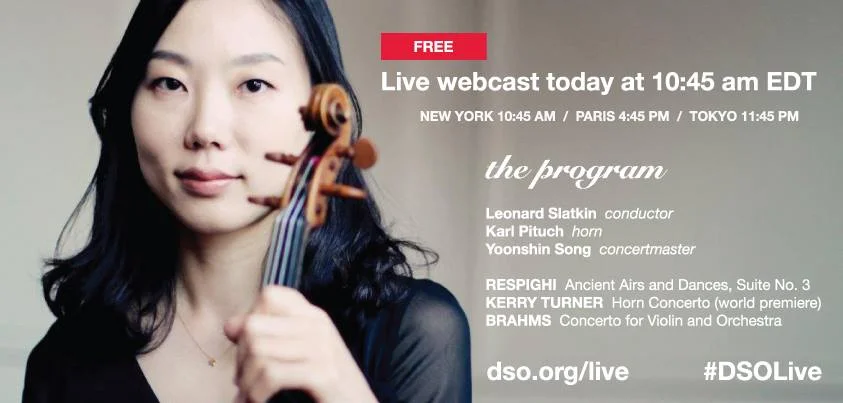
Last month, I introduced the Berlin Philharmonics’ Digital Concert Hall as a best-practice example of creating online audiences by a symphony orchestra. Indeed, we can find orchestras worldwide reaching out for audiences beyond the walls of a traditional concert hall. So let us inspect three of these orchestras—the Detroit Symphony Orchestra, the Sydney Symphony Orchestra, and the Philharmonia Orchestra (UK)—and have a closer look at some of the tools they use, how these tools are being implemented, and the resulting opportunities they create.
Last month I gave a general overview of the wide variety of services that fall under the umbrella of “the cloud.” Since then I’ve focused on Infrastructure as a Service, or IaaS, one of the three major cloud subcategories and a topic that can be rather intimidating, due to the plethora of technical specifications providers use to distinguish themselves from the competition. Looming larger than the question of which specific provider to use—a topic well-covered by many expert reviewers—is the question of whether undertaking a transition from a more traditional server infrastructure to an IaaS model is a good idea for arts organizations, especially when it comes to small organizations with limited resources.
Using data to design marketing campaigns is great. Using data as an accountability tool to report back to our funders is also great. Even if we’re not leveraging it to its full potential, most of us would agree on the last two statements. It’s when we start talking about incorporating data-driven-decision making to our programming that things start to get complicated.
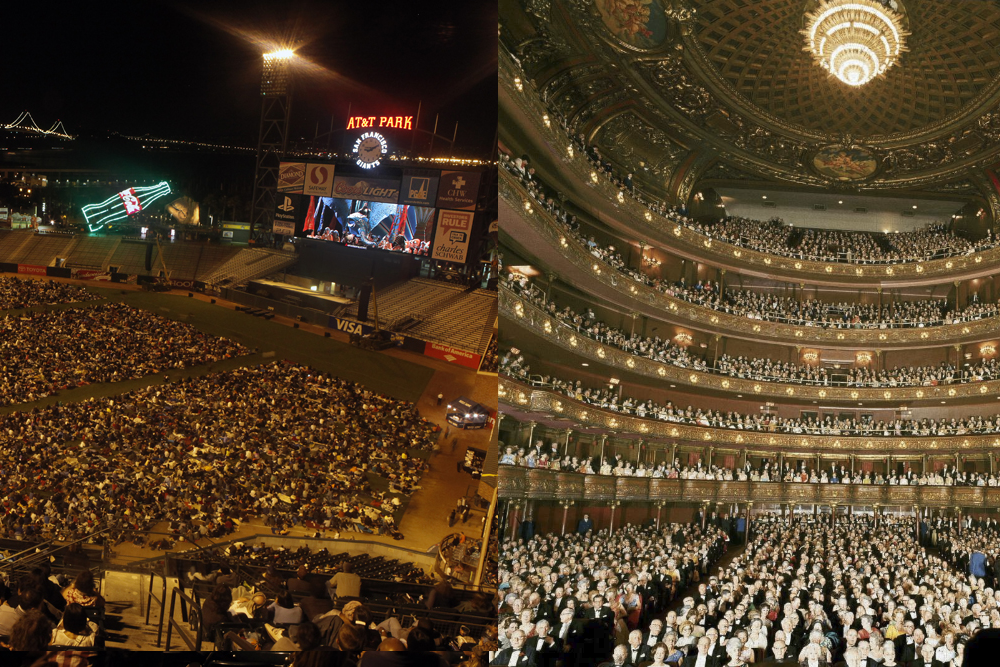
San Francisco Opera's (SFO) general director David Gockley came to the company in 2006, bringing with him the legacy of free "plazacasts" that he had done at the Houston Grand Opera, his former home. During his first year at the San Francisco Opera, 8,000 people turned up at Civic Center Plaza near the Opera’s home at War Memorial Opera House to watch a simulcast of Puccini's Madama Butterfly. However, Gockley was concerned that there was no method of tracking the conversion of simulcast attendees to ticket buyers, so at the suggestion of a staff member, the simulcasts were moved to the AT&T ballpark.
In 2012, NTEN partnered with Idealware to gauge the use of data by nonprofit organizations. Among arts organizations, only 26% reported that their decision-making processes are generally informed by data. What metrics are relevant for each department to make smart business decisions, whether they be about marketing or ticketing or development? How does an arts organization decide what metrics to use and why?
Harvard Business Review found that 43% of companies that use (or are planning to use) social media believe they are using it ineffectively. Do those companies think social media is a passing fad? Or, do they just not know what to do with it? When implementing a social media plan, several questions arise: Who will update it? When will they update it? How will we keep track of our company’s reputation on a medium that never sleeps?
Susie has just accepted a job at an arts organization that she has always admired. But on her first day of work, Susie notices that things seem a little off. She is already trained to use their CRM system, a major reason she was hired, but many of the features that distinguish this system are not being utilized at all. Moreover, she realizes that many constituents have multiple accounts within the system, limiting the CRM system’s ability to integrate in the first place. How can Susie change the technological behavior of the organization she now finds herself in, let alone that of her boss, so that it operates more efficiently and is better able to carry out its mission?