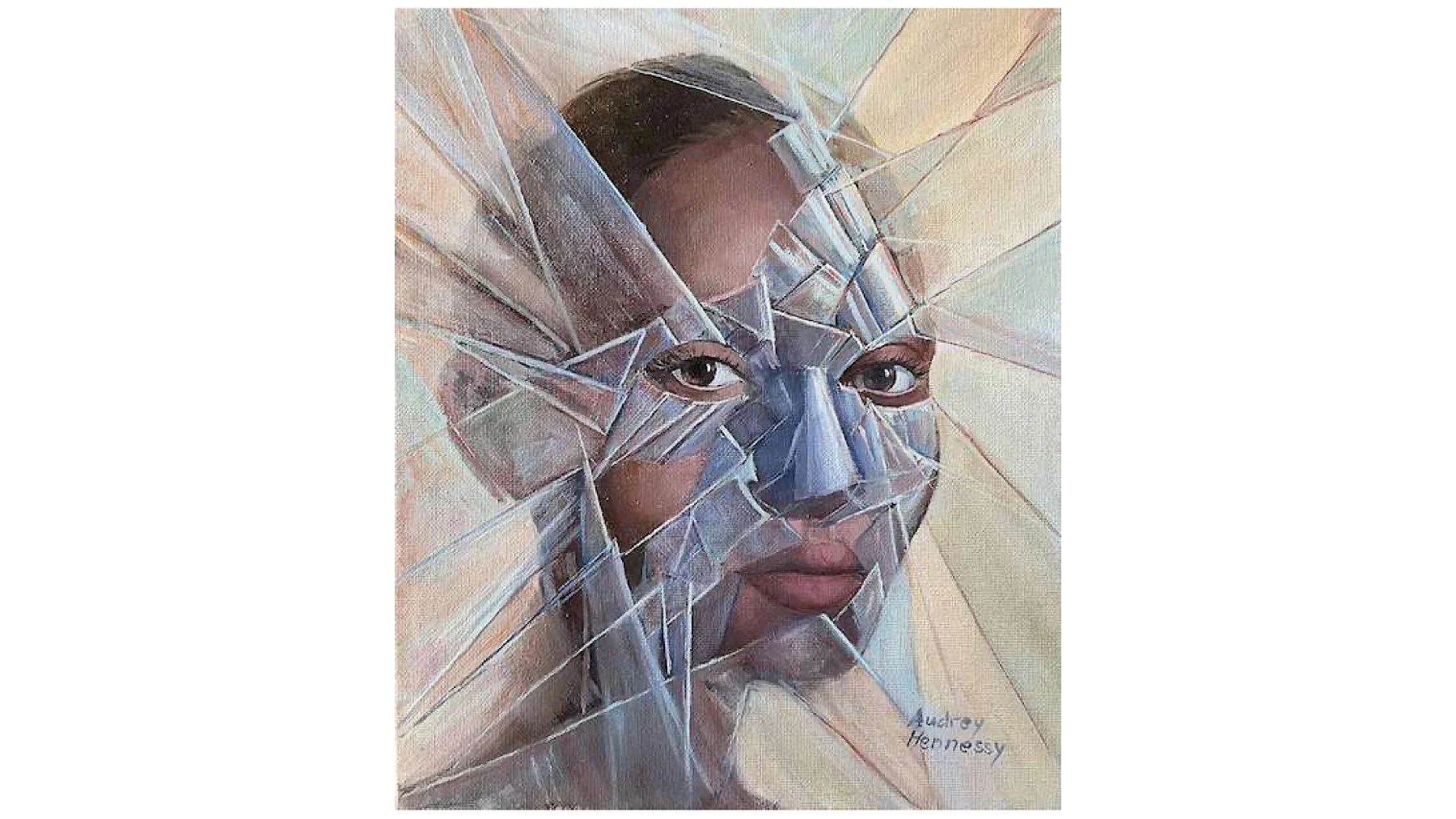
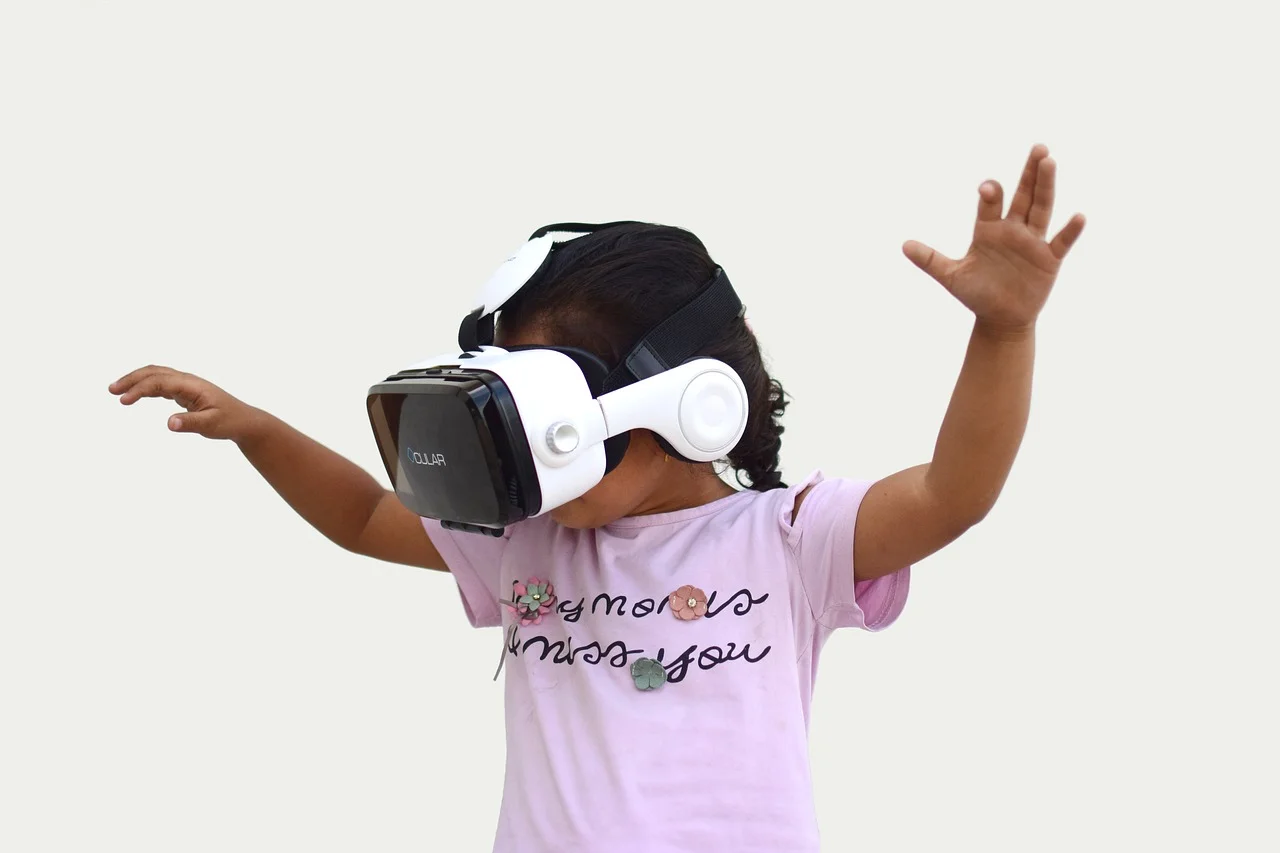
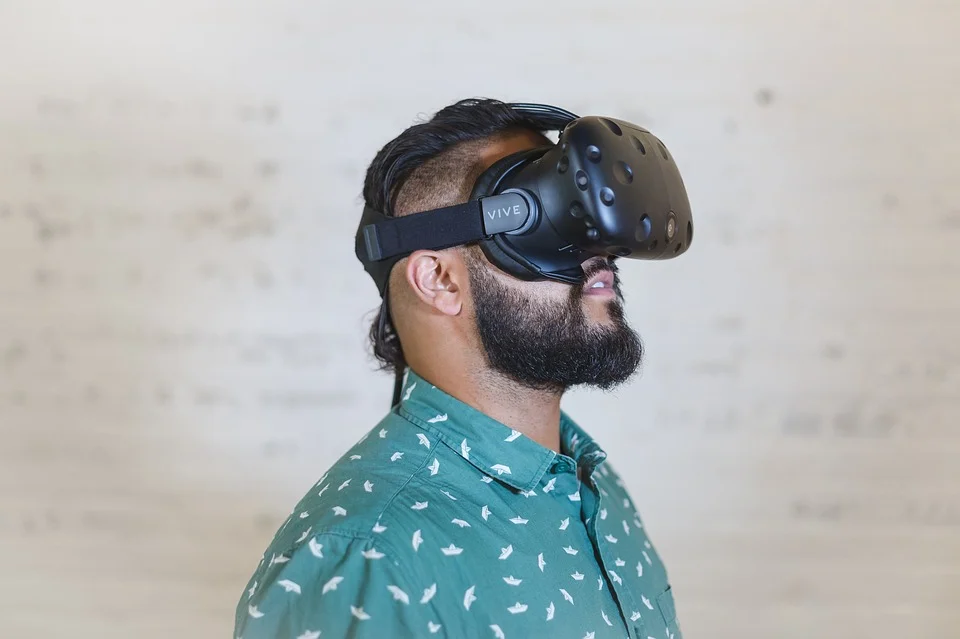
The presence of Virtual Reality (VR) technology in arts education is growing. From museums to live music to healthcare and more, VR is beginning to change how we perceive the arts and learning. After all, this immersive experience has been proven to enhance the learning experience and achieve a higher retention of knowledge, quickly changing the learning environment. This research study investigates the opportunities presented by VR for arts education as well as the practical hurdles that need to be overcome to successfully use VR in K-12 educational settings.
Future Trends of Music Streaming Services: Part 2
The music industry faces both challenges and opportunities due to streaming technologies and must consider the long-term viability of streaming business models. New challenges emerge as consumers are listening to their music on ever-changing devices, like smart speakers. There are also varying levels of awareness and comfort of streaming platforms among different age groups. These challenges can become opportunities for businesses who understand their market and can anticipate future change. This research study explores innovations and trends expected to emerge next within the music distribution world.
The Hybrid Museum Experience: Case Studies in Digital Engagement and Experience Design
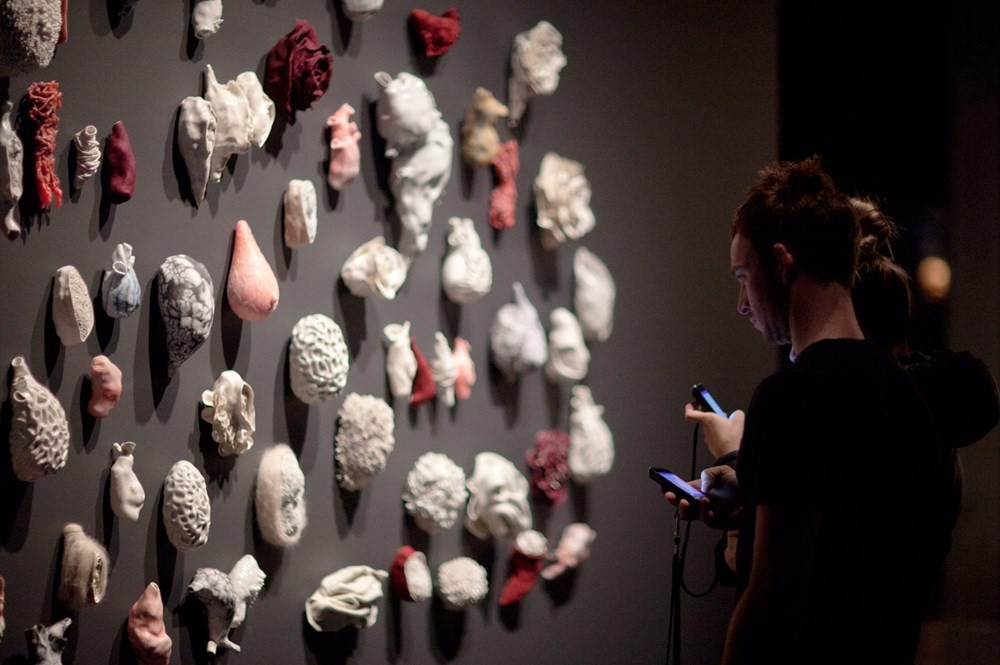
This is part 1 in a two-part series examining hybrid museums that successfully demonstrate how bridging the physical and virtual in the museum visitor experience can increase the length, breadth and depth of engagement with the institution and its collection. Part 1 explores the Museum of Old and New Art in Tasmania.
Live Streaming Performing Arts Using Social Media: Why, How & Best Practices
As more people are consuming and participating in the arts via electronic media, it is essential for arts institutions to develop a strong online presence. Uploading content and performances online can allow more people to access the arts and learn about an institution. One strategy to increase engagement and build an online presence is through live streaming. This paper explores the benefits of live streaming, and how it can remove barriers of access to the arts. It explores various platforms for streaming, like Facebook, Periscope, Youtube, Livestream.
A Competitive Analysis of the Music Streaming Industry: Part 1
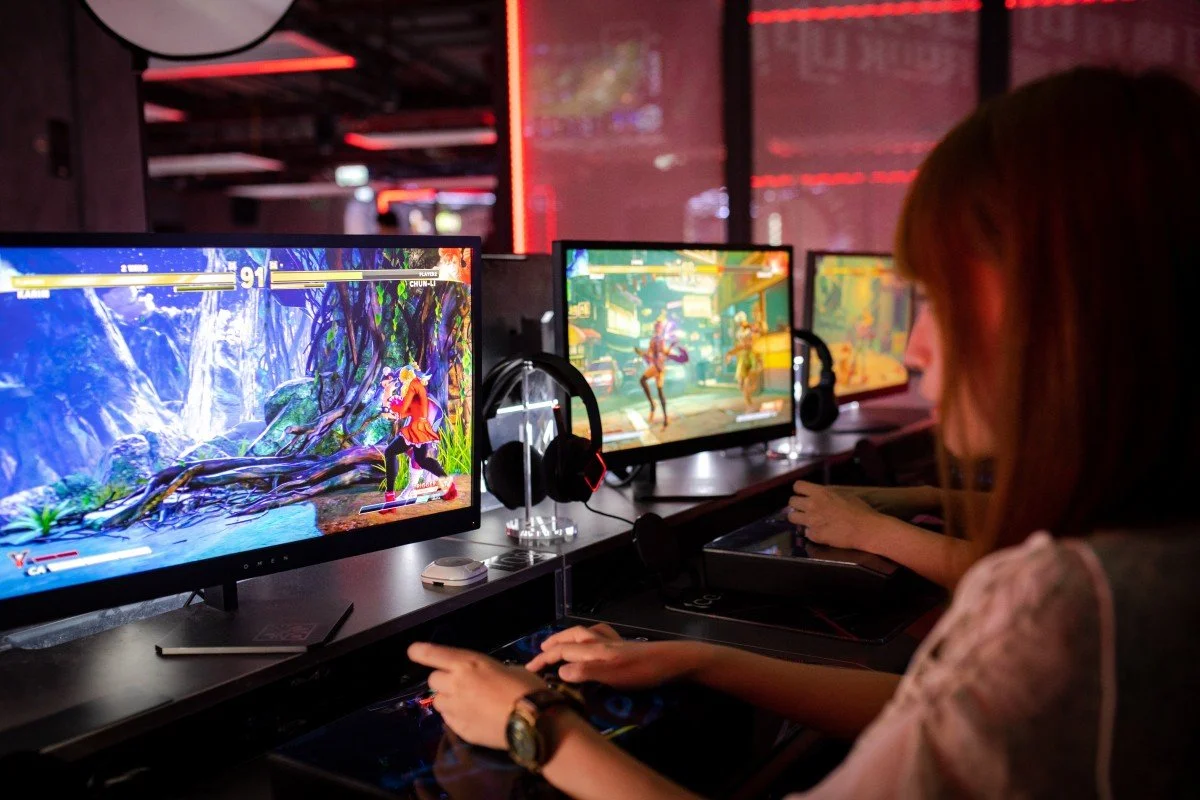
Streaming platforms have revolutionized the music industry and the way consumers discover and listen to music. Companies are having to differentiate themselves by offering unique content, focusing on the artist, or developing different price models. To better understand this landscape, we examined six of the most successful platforms for a competitive analysis to understand the existing music streaming business model.
Best Practices in Website Redesign: Inside AMT Lab's Refresh
Fostering Environmentally-Friendly Practices in Collegiate Theatre
As the public becomes increasingly aware of the disastrous effects of climate change, individuals and businesses across the globe have tried to decrease their waste by pursuing environmentally friendly and sustainable practices. The theatre industry has made some attempts to follow suit, but their expenditure of resources is still extremely high. Environmentally friendly theatre practices taught at the collage level have the potential to impact the industry at large in the near future.
What is Internet2 and How Can Music Education Programs Use It?
Imagine a network like the Internet, except exclusive in access meaning no commercialization. That’s Internet2, which exists to streamline network access for entities with a commitment to research and education.development. This paper examines the technology and its various uses to music organizations in both education and performance contexts.
Looking to the future: 2019-2020 at AMT lab
Summer Road Trip Series: Barnes Foundation Image Recognition App Increasing Visitor Engagement
A summer long weekend in Philadelphia is inspiring by the many art experiences the city has to offer. Of the museums I visited I was most impressed by both the collection and quality of experience at the Barnes Foundation. The museum has a noteworthy collection of impressionist, post-impressionist, and early modernist artwork, which includes the world’s largest holdings of paintings by Renoir and Cézanne.
Geographical Analysis of Nonprofit Data: A How-to Case Study
AMT Lab’s latest white paper is a preparatory guide for those embarking on geographic analysis for the first time. The case study explores how one organization used this type of analysis to inform decisions about donor recruitment and retention. This guide aggregates useful resources, highlights important considerations, and outlines the process of geographic analysis step-by-step using a succinct case study.
AMT Lab Summer Road Trip - Childrens Museum of Pittsburgh
In April 2019 the Children’s Museum of Pittsburgh opened MuseumLab. According to the museum “MuseumLab is a place where kids 10+ can work with makers to create everything from furniture to apps, experiment with cutting edge technology in the creation of art, climb three stories on a unique sculpture, collaborate on one-of-a-kind art installations, and more!” On a rainy summer day they kids and I decided to take a mini road trip across the city to check it out!
Technology Solutions to Enhance Museum Accessibility and Engagement for Visually Impaired Guests
Elizabeth Long’s latest white paper explores how experience enhancement and the development and implementation of new programs and resources can increase accessibility for low-vision and blind individuals. It provide an overview of what is possible for museums and other visually-oriented art forms. Read the full report here!
Summer Road Trip Series - Museum of the Bible: Innovative Technology Interactives for Audience Engagement
In Washington, DC, The Museum of the Bible is strategically using various modes of technology to encourage audience engagement. The entire museum is full of interactives for an array of targeted age groups and technological comfort levels. Thoughtfully placed throughout the museum’s 7 floors, there are tech-focused interactive opportunities for individuals, small groups, and even guided experiences for up to 25 visitors at a time.
UX Design for Cultural Institutions: Observation Studies
UX design explains how organizations value and practice relationships with audiences. These relationships are defined by the single and accumulated experiences that occur through interacting with an object in a given context. If an institution truly understands how audience members consciously and subconsciously interact in a given environment, they can better design their spaces and develop programming.
Podcast: CRM and Social Media Integration
In the latest episode of the AMT-Lab Podcast series, Chief Technology Manager Ashley Anderson Kowach interviews AMT-Lab contributor Megan Ma about her research on how a nonprofit organization can integrate social media data with an existing CRM system to better understand their constituents interests which could lead to better engagement between the organization and the audience.
Summer Road Trip Series - BreckCreate's WAVE Festival: Breckenridge, Co
The Future of AI and Audience Engagement in the Arts
NY Live Arts hosted the Arts + AI Symposium, Saturday May 11, 2019. The Symposium was part of Live Arts, their annual humanities festival of arts and ideas. The 2019 Festival AI: Are You Brave Enough for The Brave New World? pondered a future with artificial intelligence, a technology that promises to revolutionize human existence. The festival headliner was a performance by discrete figures. Other activities included a hacking camp for teens and panel discussion on the Future of Work.
The Art + AI Symposium offered the sold-out crowd a speed dating style share-out from panel participants. As the manager in the group, I provided a perspective on AI focusing on how institutions will begin connecting the art to the audience using emerging technologies. The following article provides a summary of the frameworks and solutions I presented.