


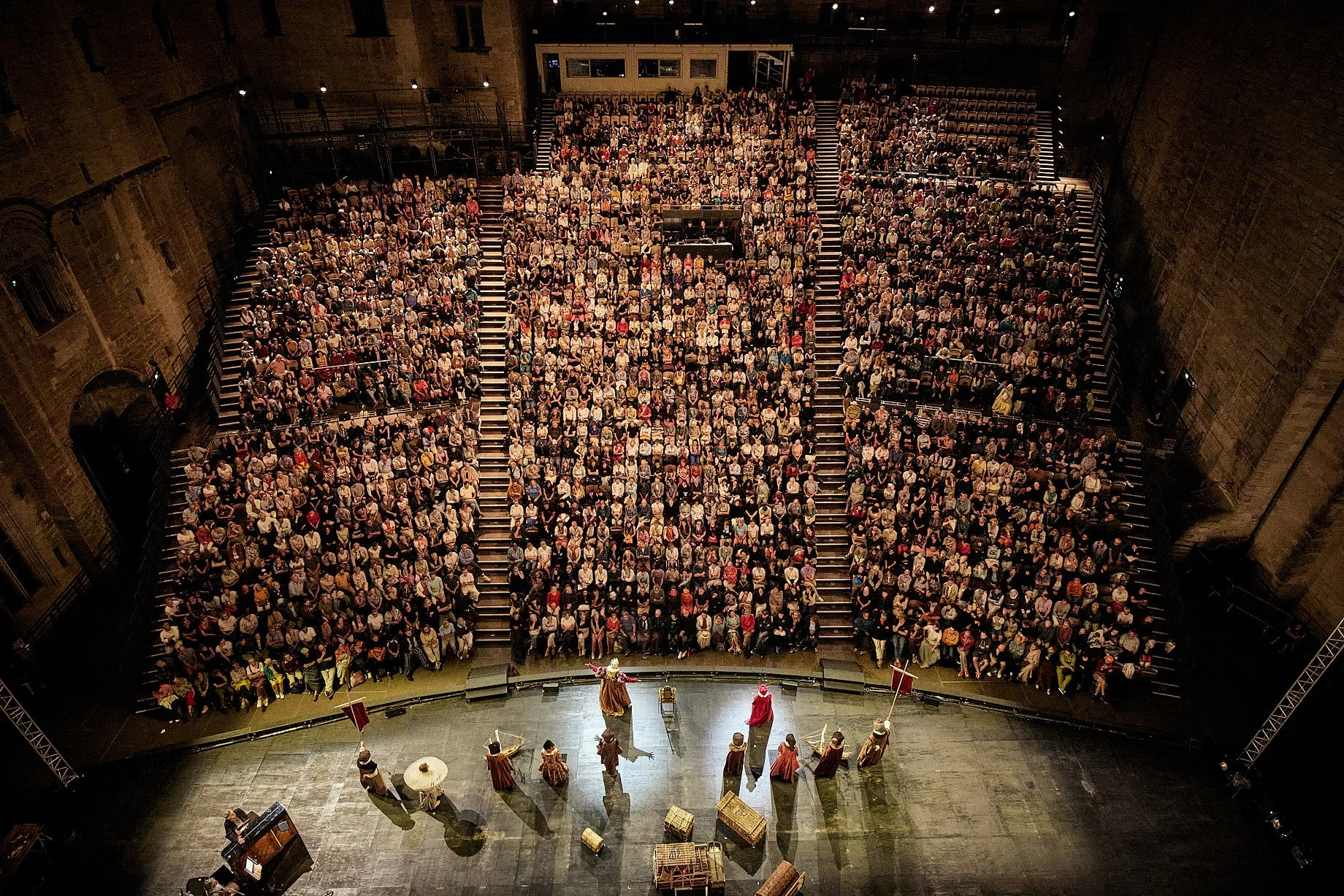


The motion picture industry has long searched the magical formula of predicting future box office performances. A glimpse of future box office performances can help a studio save millions in post-production marketing and distribution expenses. The same logic applies to all nonprofit presenting and performing arts organizations - if NPOs can predict their future events’ financial outcomes NPOs can save their precious resources and reallocate them to other uses. Social media may just provide this magical prediction formula.
Opening Doors: The People Behind Sensory-Friendly Programs
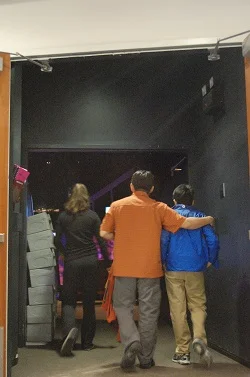
One of the most important aspects of successful sensory-friendly programming is the proper training and involvement of staff, volunteers, and artists. Despite any initial concerns or nerves about the uncertainties with this programming, staff members at every organization I spoke with were eager to get involved. This is the third post in our series on sensory-friendly programming.
Tell us how you really feel - AMT Lab 2015 Reader Poll
Hello AMT Lab Readers!
With another year of research, reviews, interviews, and more almost completed, we wanted to take a moment to ask about your needs and about what content you'd like to see more of in the future. Please consider taking a moment to complete our 2015 Reader Poll, either below or on the home page so we can better serve your needs.
Can Cloud-Based Event Management Software Help Arts Managers Be “Propared?”
With a wealth of project management, task management, and personnel management software now at our fingertips, it can be difficult to know which software is the best for an organization’s needs, especially arts organizations with their unique project structures and demands. Enter Propared. A software application designed for use by project managers working on live events. I met the Propared team at the United States Institute for Theatre Technology (USITT) Conference in March and had a demo of the software.
Click here to learn more.
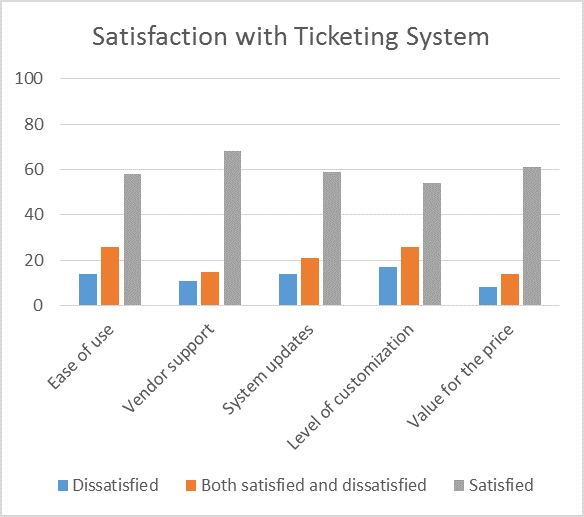
National Ticketing Survey: Sneak Preview!
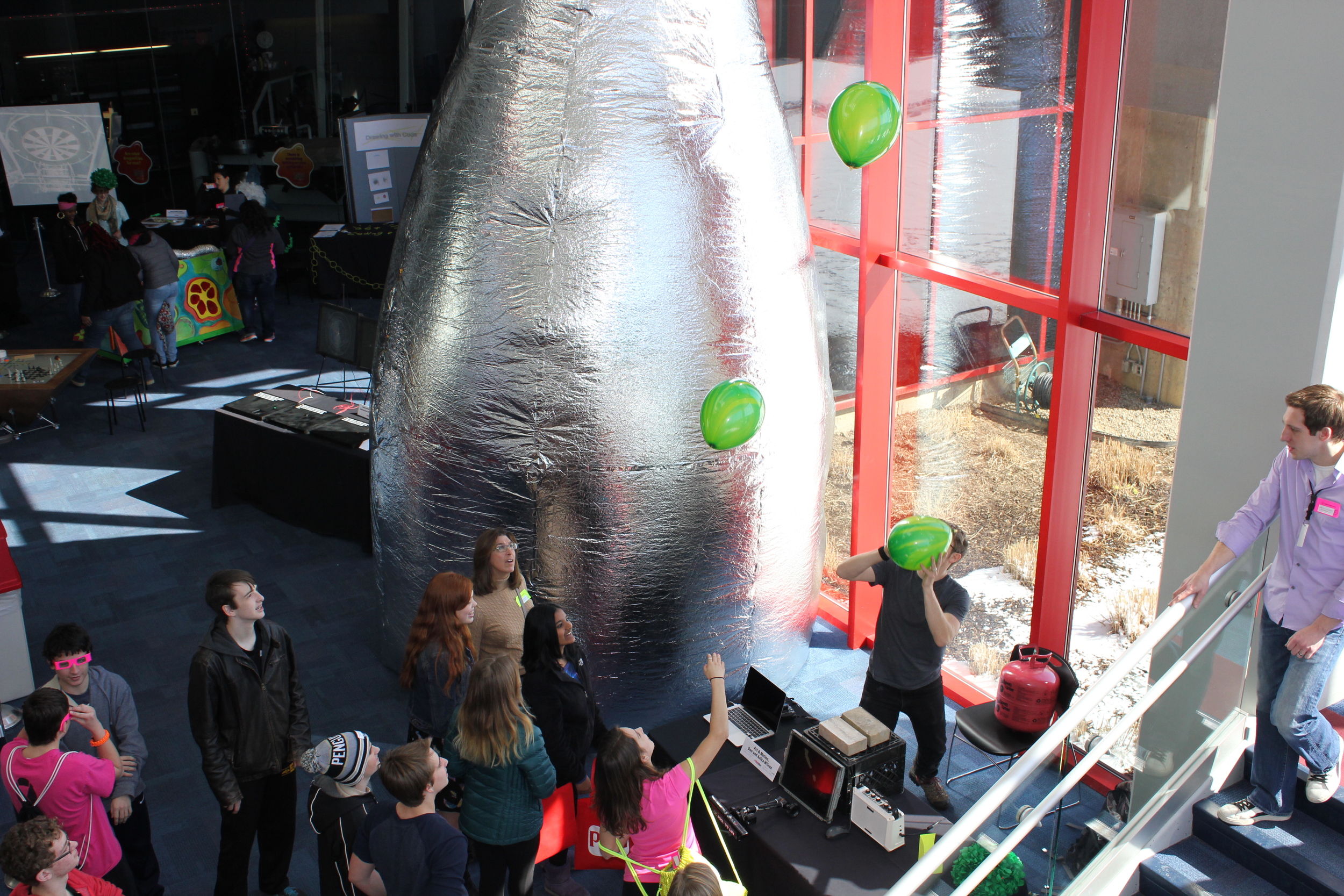
STEAM Learning at the Carnegie Science Center
Moving the conversation around public education from STEM (Science, Technology, Engineering, and Math) to STEAM (Science, Technology, Engineering, Arts, and Math) has long beleaguered arts managers and arts educators alike. Defending the argument for arts programming and arts education can be difficult in the face of shrinking school budgets and a highly competitive grant environment. Particularly in a country that increasingly favors the hard sciences above the humanities, cultural pursuits, and artistic studies. Despite gains at the federal level with the new core arts standards, the STEAM caucus, and the first budget increase for the National Endowment for the Arts in years, it is still easy to feel defeated. The question remains, what can arts leaders and community organizers do at the local level to push the conversation in a positive direction?
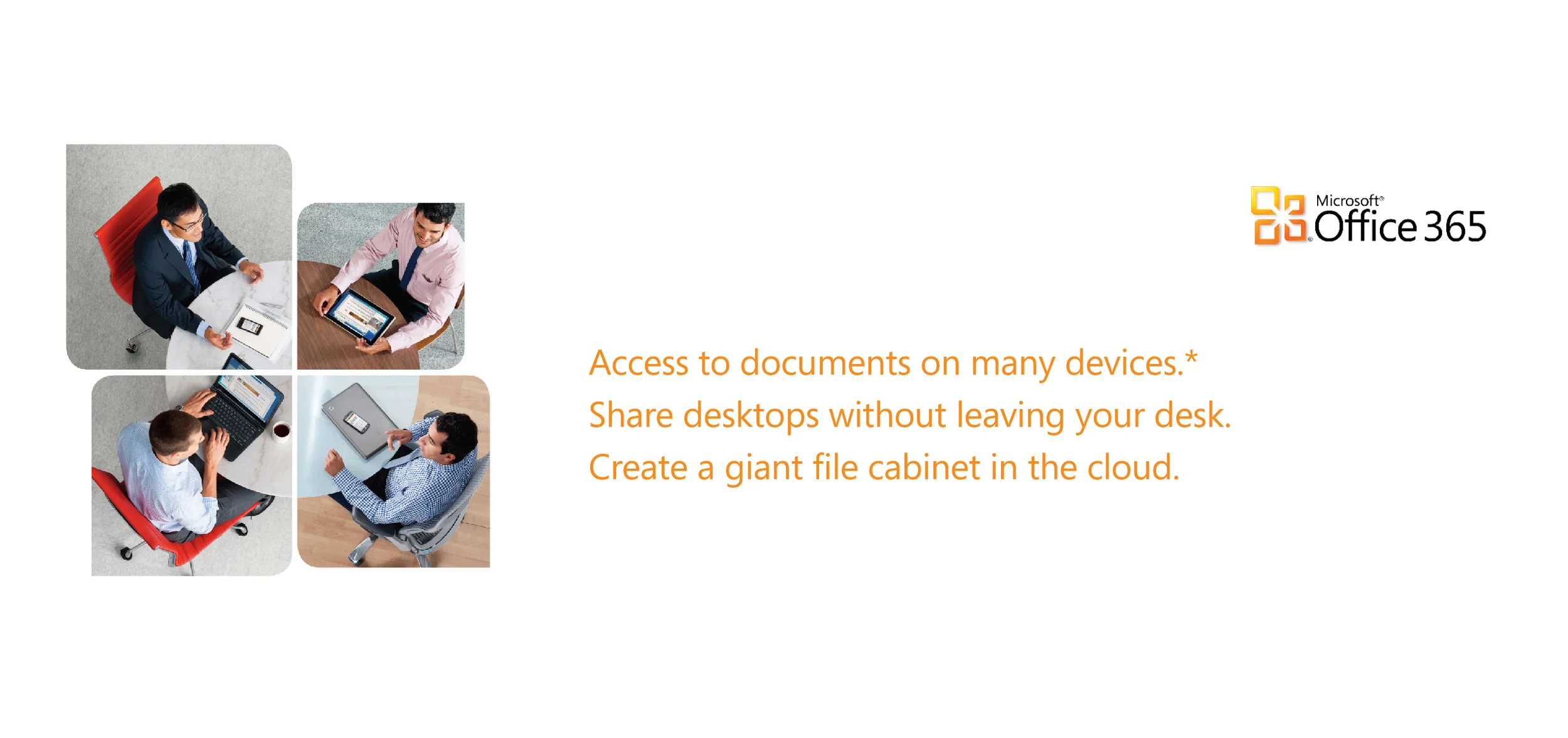
Affordable And Convenient Access To Word, Excel With Cloud-Based Office 365
Office 365, Microsoft’s cloud-based software service, provides affordable monthly access to the ubiquitous software suite: Microsoft Word, Excel, Publisher, Access, OneNote, and PowerPoint. AMT Lab contributor Kristen Sorek West speaks with the Pittsburgh Choral Arts about their experience using the tool and the features it offers. Click here to read more.
Silicon Struggle: The Battle for The Bay Area Arts' Scene
If you told the average San Francisco resident 40 years ago that the art scene in the Bay Area would be gasping for life in 2015, they probably would have laughed in your face. But it is 2015, and that is the reality we are facing. The tech giants have moved in, and tension is building between the Silicon Valley community and its non-profit entities. In particular, arts organizations seem to be at an extreme disadvantage for a few reasons:
What's on your phone, Michael Lowder?
Contributor Sarah Murphy speaks with Michael Lowder, the executive Director of Artsplosure, a non-profit in Raleigh, NC that produces Artsplosure – The Raleigh Arts Festival and First Night Raleigh to find out what apps he uses on his phone.
ToDoist: An App To Manage Your To-Do List Anytime, Anywhere
CREATE Lab: Creating Social Impact Through Empowering Communities
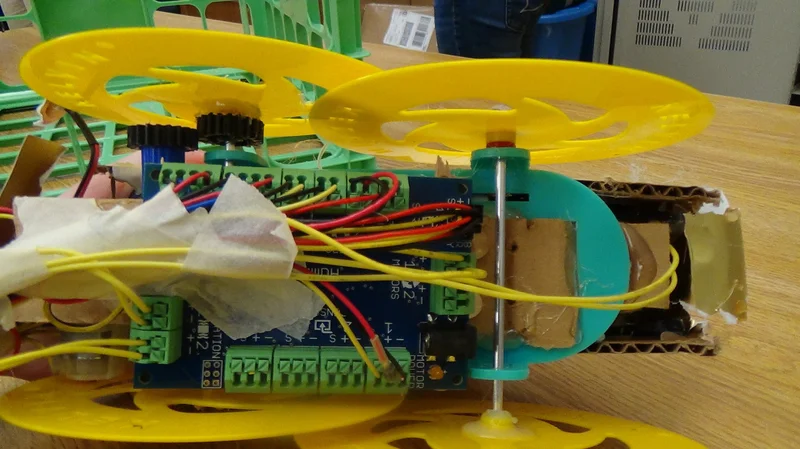
CREATE Lab creates multi-disciplinary learning experiences that allow communities to become technologically fluent. CREATE Lab’s novel combinations of visual arts and technologies provide a wealth of new potential tools to arts administrators and their organization. This article will introduce a few of the exciting projects that CREATE Lab is already testing in the Pittsburgh community, as well as access points for administrators and educators who are interested in implementing them.
The Art of Data Management
This post, originally published on Analysis from TRG Arts, is the second in a series of blog posts sharing success stories and best practices to highlight the benefits of effective data management. Find the first post here.
Data isn’t about numbers. It’s about people. When analyzed, data tells stories about people and their actions. Right now, in your database, a story exists about the decisions that people in your organization make. And, a story exists for every patron, which chronicles their relationship with your organization.
Research Update 1: How Technology Supports Collaborative Artistic Projects
Picture a producer preparing for the upcoming world premiere Contemporary Color, “a pep rally pop music mashup.” Conceived by David Byrne and commissioned by Luminato Festival and Brooklyn Academy of Music, Contemporary Color will bring together artists such as Nelly Furtado, St. Vincent, and Ira Glass, 350 performers, and a 15 piece band for its world-premiere performance in Toronto this summer. Not only are the artists, performers, and musicians all located in different cities across North America, great distances also separate the designers, technicians, and other producers. To coordinate the project across these distances, the producer relies on online collaborative tools to orchestrate the project from pre-production to post-production.
Attendance Trends: A Case for Technology in Museums
Tableau: The High Cost / High Reward of Data Visualization
With more than 23,000 customer accounts, Tableau has established itself as a powerhouse of data visualization experts. Clients include aerospace companies such as SpaceX, healthcare institutes like John Hopkins Hospital, and even financial sector customers such as Goldman Sachs. But what does Tableau- a rather expensive budget line item- do for its non-profit customers like the Red Cross? What does data visualization even mean for non-profit groups, let alone arts organizations?
Read the full article by clicking here.
Slideroom: Full of Features, High Price
Slideroom is a cloud-based applicaiton manager that allows organizations of various sizes to create, distribute, collect, and evaluate submissions. It is an intelligently designed and executed product with features suited for even the most complex institutions. However, this feature-packed suite may price out many organizations.
Hollywood Stock Exchange: A League of Its Own
First launched in 1996, HSX is a free web-based multiplayer gaming simulator of American film industry. The rules are simple: players use virtual currency to buy, sell, short and cover “shares” of films, directors, actors and other related virtual securities. Although the exchange is entirely fictional, it reacts to actual industry-related news, making itself a community and information hub for both professionals and enthusiasts in the film industry.
Opening Doors: Best Practices for Developing Sensory-Friendly Programs
In part 1 of Opening Doors, I reflected on sensory-friendly programming through my personal experience at Pittsburgh Ballet Theatre. These performances create an incredible opportunity for arts organizations to include individuals and families from around their communities. Yet effective implementation requires time and in-depth planning with staff and community partners. This second post continues the discussion looking at best practices related to sensory-friendly program design.
The Future of Microcredentials: Why Arts Organizations Should Prioritize Digital Badges Over College Degrees
Digital badges are an alternative method of credentialing that can identify specific skills that a learner has mastered through the course of their own self-directed learning. Over the course of this research, I will be sharing more about the digital badge acquisition process, taxonomies of digital badges, initiatives being undertaken to standardize and create accreditation, and what employers should know for using digital badges in both hiring and continuing education of employees.
Curiator: An App to Advance the Online Art World
Curiator encourages users to discover, collect and share art. Launched in early 2014, the app is an extension of the Curiator online platform, a social media website with an emphasis on visual art which claims to be the world’s largest online collaborative art museum.