



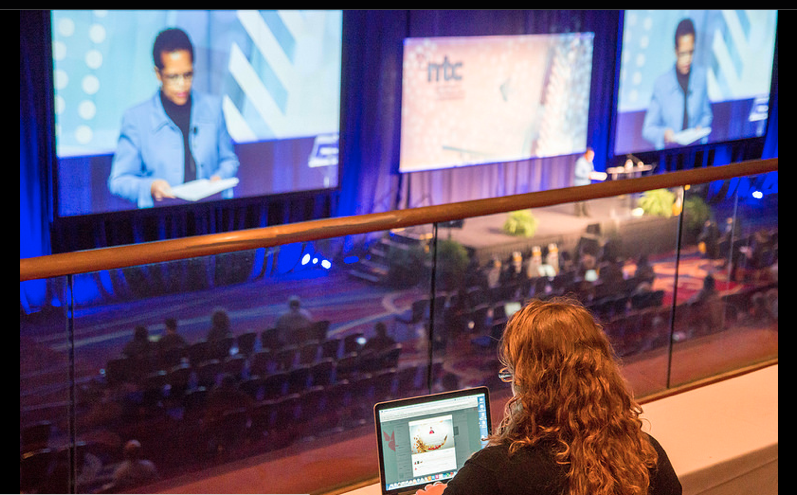
While the conference has become a fond memory, the truly important lessons learned and a new arts community of practice remain. The following are the top 10 ideas that emerged from the NTC14 as applicable to the arts:

This article analyzes Ireland’s emerging position as a global cultural policy case study, focusing on the Basic Income for the Arts (BIA) program and its place within the national framework Culture 2025. While Ireland’s consensus-driven political system, strong arts advocacy networks, and history of support for artist income have enabled an ambitious, research-oriented basic income pilot, the article highlights deeper tensions within cultural policymaking. Drawing on Stephen Hadley’s concept of “cultural policy realism,” it argues that Ireland’s policies—despite their novelty—remain rooted in traditional, instrumentalist views of culture as an economic engine and national branding tool. By contrasting democratization of culture with cultural democracy, the piece situates Ireland’s model between innovation and reversion, emphasizing the need for sustained experimentation, critical evaluation, and more genuinely democratic approaches to cultural support.
This study advances Part II by translating Scopely’s strategy into an execution plan across three tracks - NPC innovation, intelligent monetization, and ethical LiveOps - supported by new evidence from a 1,159-response consumer survey, nine expert interviews (developers, influencers, and experiential professionals), and secondary industry research. Part I established the market context for AI’s disruptive potential and identified three priorities: live operations evolution, commerce optimization, and advanced player analytics. The goal of this phase is to pinpoint the highest-leverage AI applications that deepen gameplay engagement, convert payment resistance through demonstrated value, and safeguard community trust. Accordingly, Part II outlines actionable playbooks (context-aware NPCs and adaptive narratives), platform tactics (purchase-aligned mobile personalization and cross-play integration), and operational models (behavior-based matchmaking and transparency protocols) designed to drive scalable, technology-led growth while preserving the integrity of shared human play.
This study provides a comprehensive analysis for Scopely to enhance its position as a leader in interactive and mobile gaming, focusing on AI integration in live operations, in-game commerce, and player analytics. The research reveals the urgent need for gaming companies to navigate accelerated AI adoption and evolving player expectations for personalized experiences. The goal is to identify the most impactful AI applications over the next three years and strategies that maximize engagement and monetization while maintaining player trust. Significant to this goal is balancing innovation with ethical considerations, including data privacy and transparency, while recognizing AI's potential to enhance storytelling and create immersive experiences. Employing a mixed-methods approach with industry interviews, a survey of over 1,000 U.S. gamers, and secondary research, Part I establishes the foundation for understanding AI's transformative impact - setting the stage for Part II's empirical findings and strategic recommendations.
A daylight robbery at the Musée du Louvre in mid-October resulted in the theft of eight priceless pieces from the French Crown Jewels housed in the Galerie d’Apollon. The incident now serves as an in-depth analysis for arts leaders globally to confront not only external threats, like highly organized professional thieves, but also the complex, internal risk of compromised staff and the urgent need to re-evaluate their security posture, technological investment, and institutional accountability.
As immersive technologies redefine the live concert experience, artists and virtual idols alike are transforming how audiences engage with music. From Hatsune Miku’s “holographic” performances powered by projection and LED technologies to VR concerts by creators like BlackGryph0n and Gorillaz, extended reality (XR) is blurring the lines between physical and digital performance. This article explores the evolution of Vocaloid software, the artistry behind digital concerts, and the growing influence of augmented and virtual reality in live music. As AR and VR become more accessible, musicians and fans alike are discovering new ways to connect—reshaping what it means to perform, attend, and experience music in the digital age.
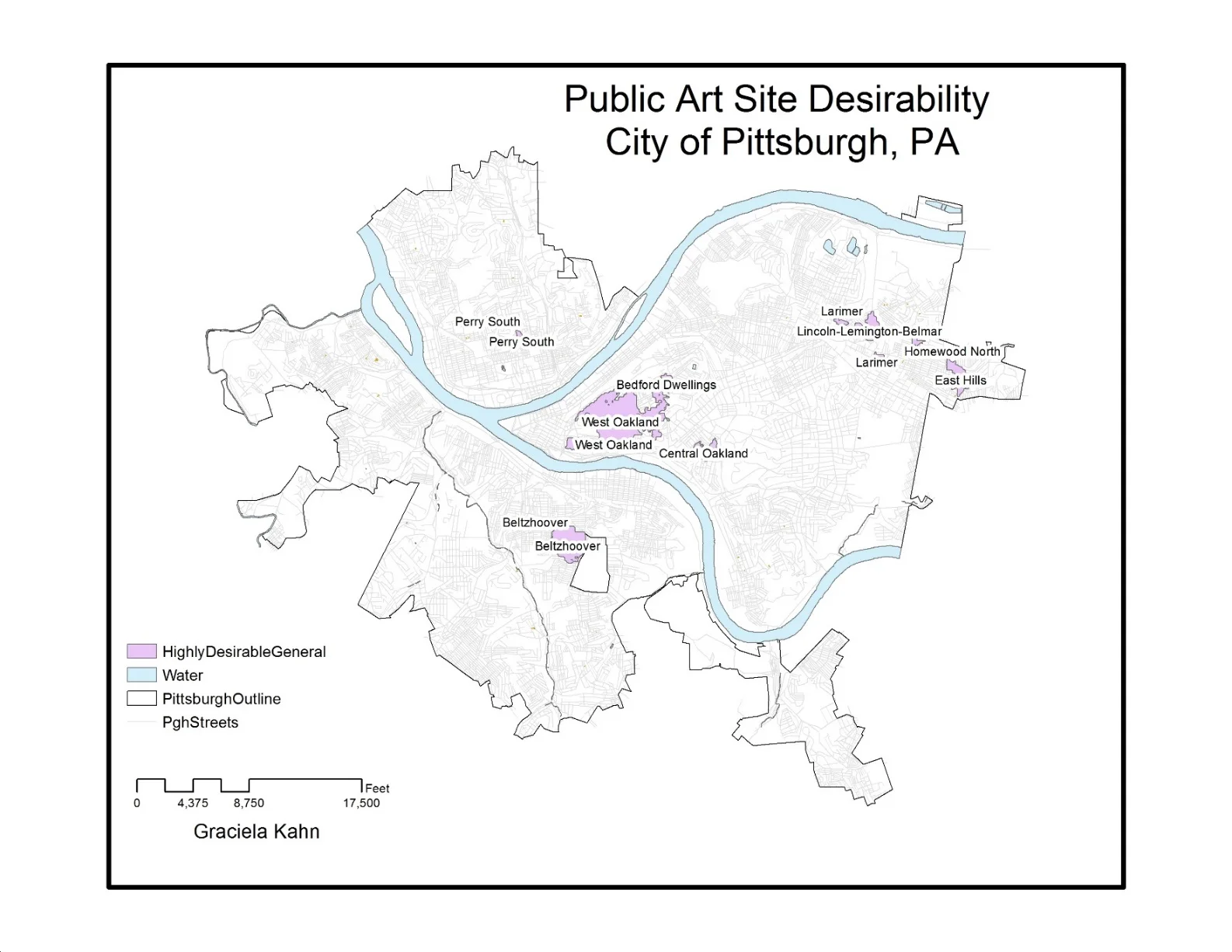
Spatial data--information that relates to or identifies a specific geographic location--are frequently used by the corporate and public sectors to make management decisions, be it to improve shipping logistics or to create a marketing campaign. They can also be an asset for arts organizations seeking to maximize program impact. To better understand how spatial data analysis can help arts organizations, AMTLab presents Using Spatial Data to Advance Programming Missions, the latest white paper in its publication series on management.
If you have an idea about developing an online exhibition for your organization, but aren’t exactly sure how to get from point A to point B, looking at award evaluation criteria is a good place to start. Regardless of whether a project will be designed to win a certain prize, award evaluation criteria provide insight on what is considered by the field to be good practice, and shed insight on the narrative possibilities that are unique to the web.
When adopting a CRM system, especially as a young organization, it is often better to enter the process with a view that focuses less on the expectation of immediate business returns and more on making an investment in the future. Indeed, even the implementation of a user-friendly system like Artful.ly or PatronManager will likely involve significant staff-hours to clean data, transfer files, and train users. During a recent series of interviews conducted with nano-nonprofit administrators either on the verge or in the midst of CRM implementation, ensuring that this huge productivity drain is a one-time occurrence and not a recurring nightmare emerged as a common concern.
As performing arts organizations strive to increase diversity among their audiences, assistive technologies provide an opportunity to create more inclusive environments. But what is assistive technology? How do arts organizations currently use it? What is preventing organizations from providing assistive technologies in their venues? Where can organizations find support? Assistive Technology in Performing Arts Organizations, the latest paper in the AMTLab publication series, addresses these and other questions, and presents findings from a national survey of arts organizations on the use and management of assistive technologies.
Many arts organizations want to improve the functionality of their boards. But it is impossible to know areas of board strength and weakness if the experiences and efforts of board members are not understood. Whether feedback is gathered from an online assessment, an electronic survey, or both, the resulting information can be compiled and shared at both the next Board meeting and on the Board portal, potentially sparking a candid and engaged discussion about the optimum path toward improving board engagement, motivation, and performance.
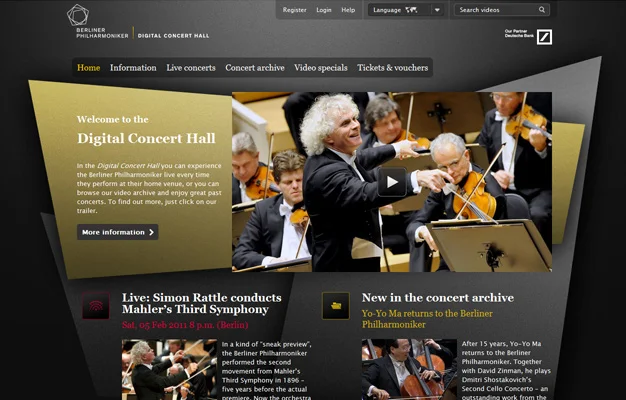
Just what is an online audience? How does it differ from an offline audience? How does participating in the arts through electronic media and online channels relate to the attendance of arts events? Moreover, exactly what (and how) are symphony orchestras using these digital technologies to engage with individuals around the world?
It is difficult for board members to connect with the activities of the organization merely by attending quarterly meetings in sterile rooms. How can the passion that brought board members to the organization be reinforced if they are not directly (or even indirectly) experiencing the impact of the organization’s activities? Software specifically designed for board management is a growing market with the potential to address board engagement through unique and pervasive methods.
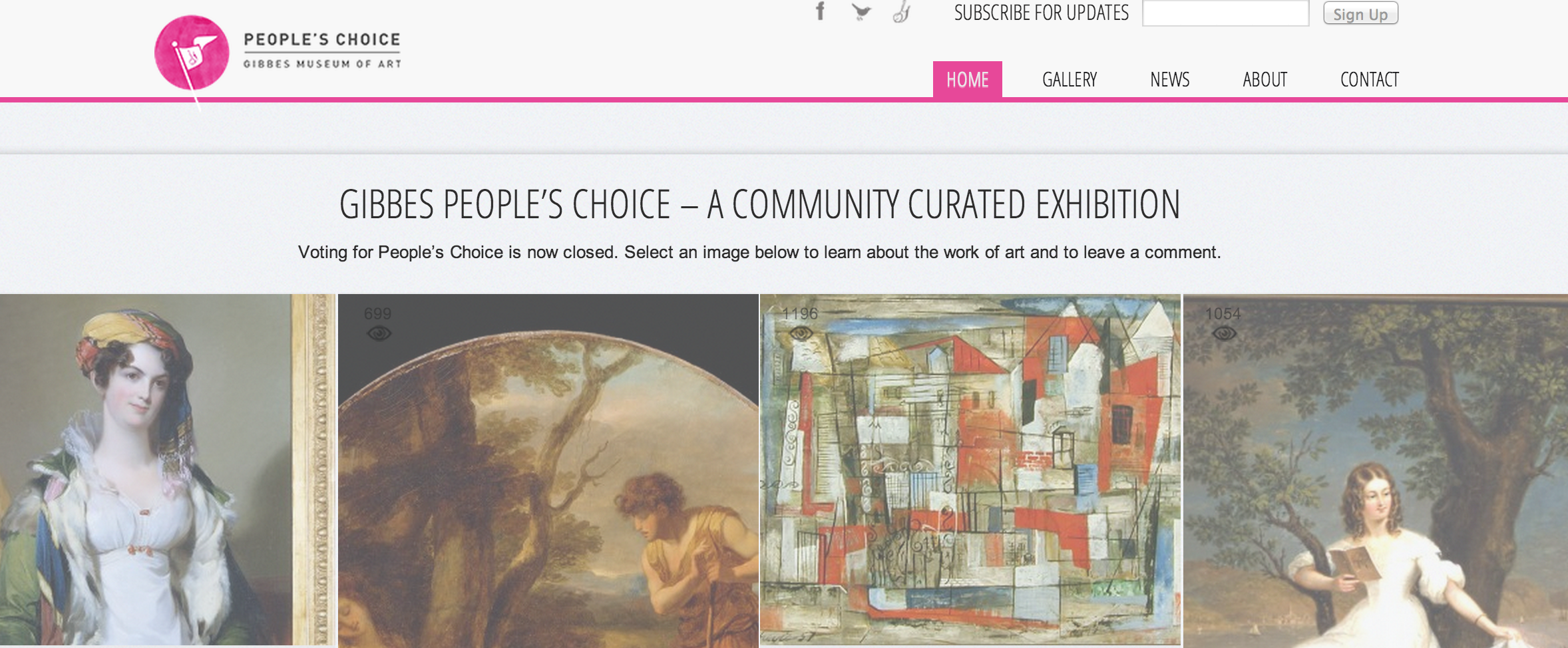
In recent years, crowdsourcing has become an increasingly familiar concept implemented by multiple arts organizations to develop and engage audiences. Examples include “Click! A Crowd sourced Exhibition” (Brooklyn Museum, 2008), “Soapbox!” (Museum of Photographic Art, 2013), “Boston Loves Impressionism” (Museum of Fine Art Boston, 2014), and “People Choice”(Gibbes Museum of Art).
Three questions, three wishes...and a three-way tie. As AMTLab prepares to close its 2014 Reader Poll at the end of the week, we're in a dead heat for the topics of most interest to our readers.
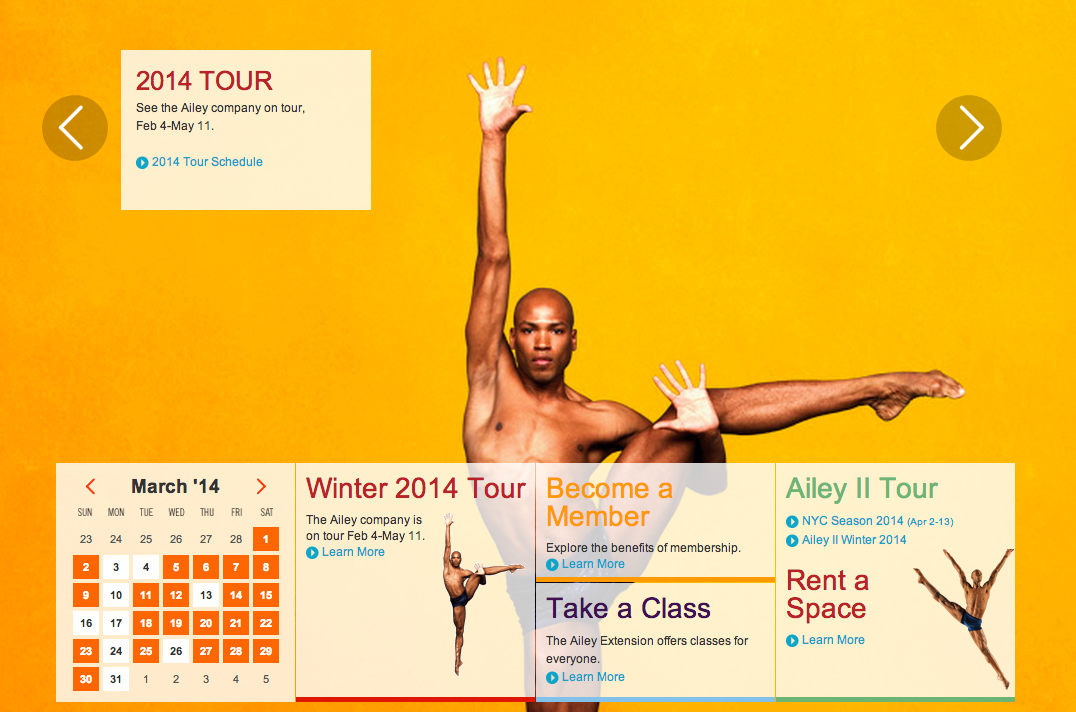
Many arts organizations also want to develop a data-informed culture, but are unsure how to begin. The case of Alvin Ailey American Dance Theater demonstrates that by clearly articulating overarching organizational goals, technology and the data that it collects can be leveraged as valuable information to move your arts organization toward success.
On October 21st, 2013, Fractured Atlas officially ended the beta phase of their cloud-based CRM solution, Arful.ly. Over 1,400 organizations participated in this five-year process, characterized by what the Fractured Atlas team called “community-driven design.” Harnessing the collective wisdom of organizations and arts professionals, they took suggestions both online and through a number of sessions, soliciting ideas for features to include in the finished version.
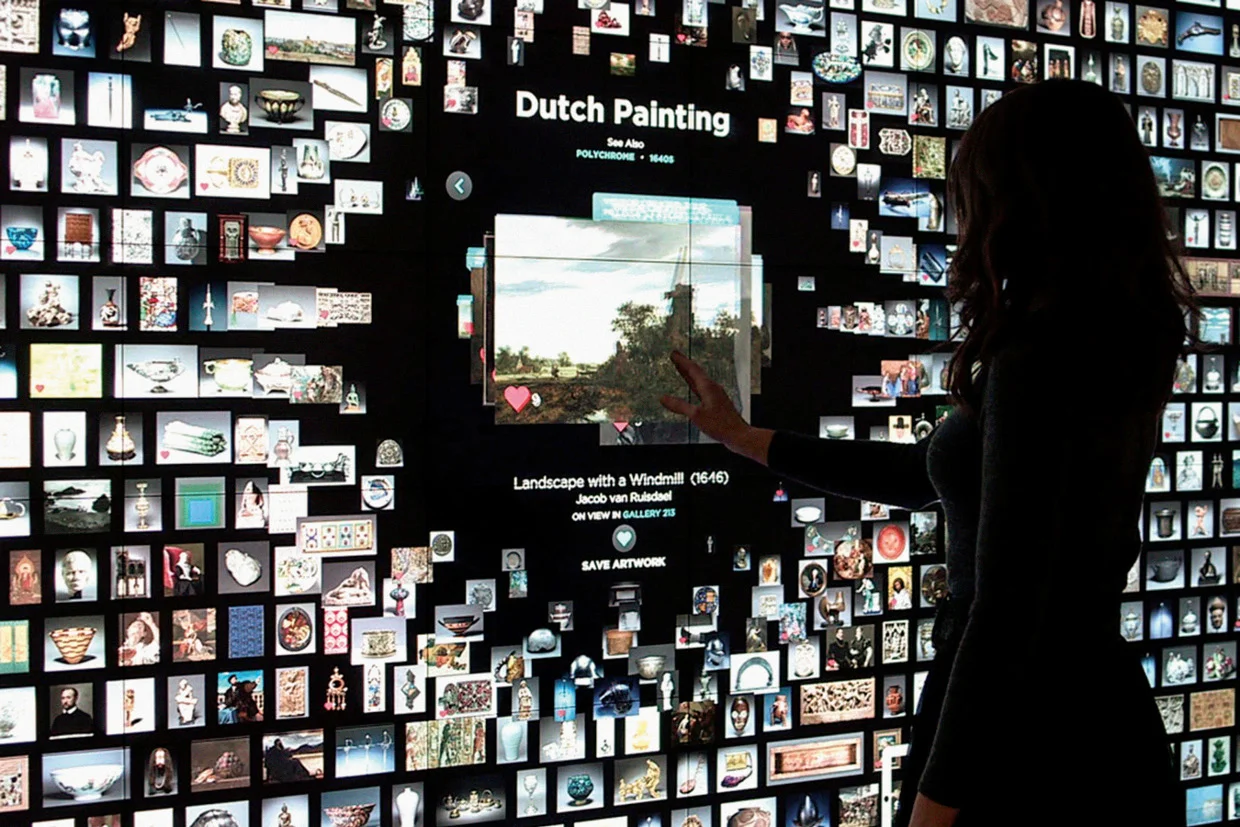
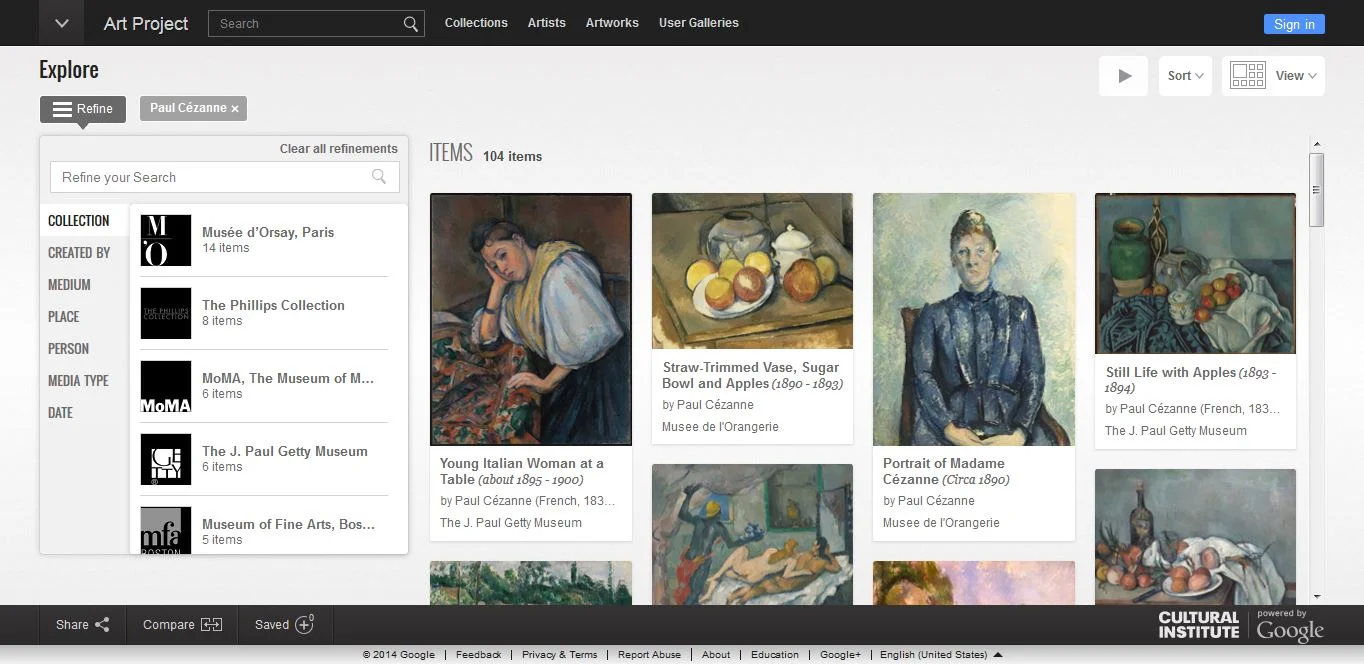
The ArtProject is a collaboration between Google and numerous cultural institutions, with Google providing an enormous amount of technological resources and human expertise behind the project, The WebMuseum, on the other hand, is reminiscent of an DIY era, “No support, no funding, no manpower: the WebMuseum is a collaborative work of its visitors contributing to expand and improve the WebMuseum.” It’s interesting to note that the crowdsourcing component remains a constant, even if the ArtProject tackles it in a much more structured, or even curated, way.
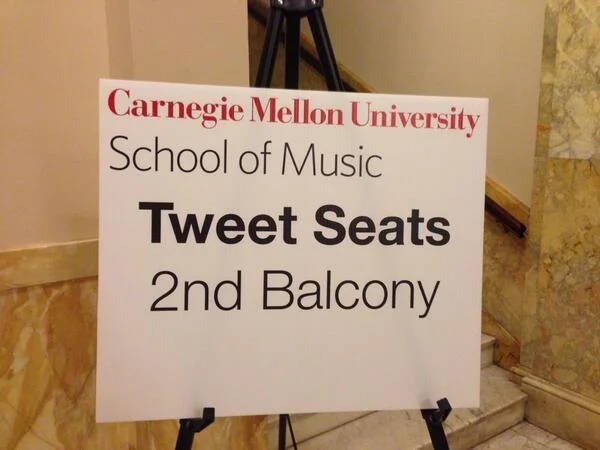
On January 26, 2014, Carnegie Mellon University’s School of Music offered a little something extra to its audience both in Pittsburgh and afar: tweet seats. Last summer I wrote an article about tweet seats that provides an overview of decisions that need to be made before implementing this heavily debated audience engagement technique. With this advice in mind, the School of Music set out to define how and why tweet seats might be a good idea for live concerts.
In the early 2000s, nonprofit organizations asked themselves, “Why should we start using social media?” A decade later, the question now is, “How can we best use social media?” Let’s begin by exploring the ability of social media monitoring software to help carry out the social media efforts of an organization effectively and efficiently.