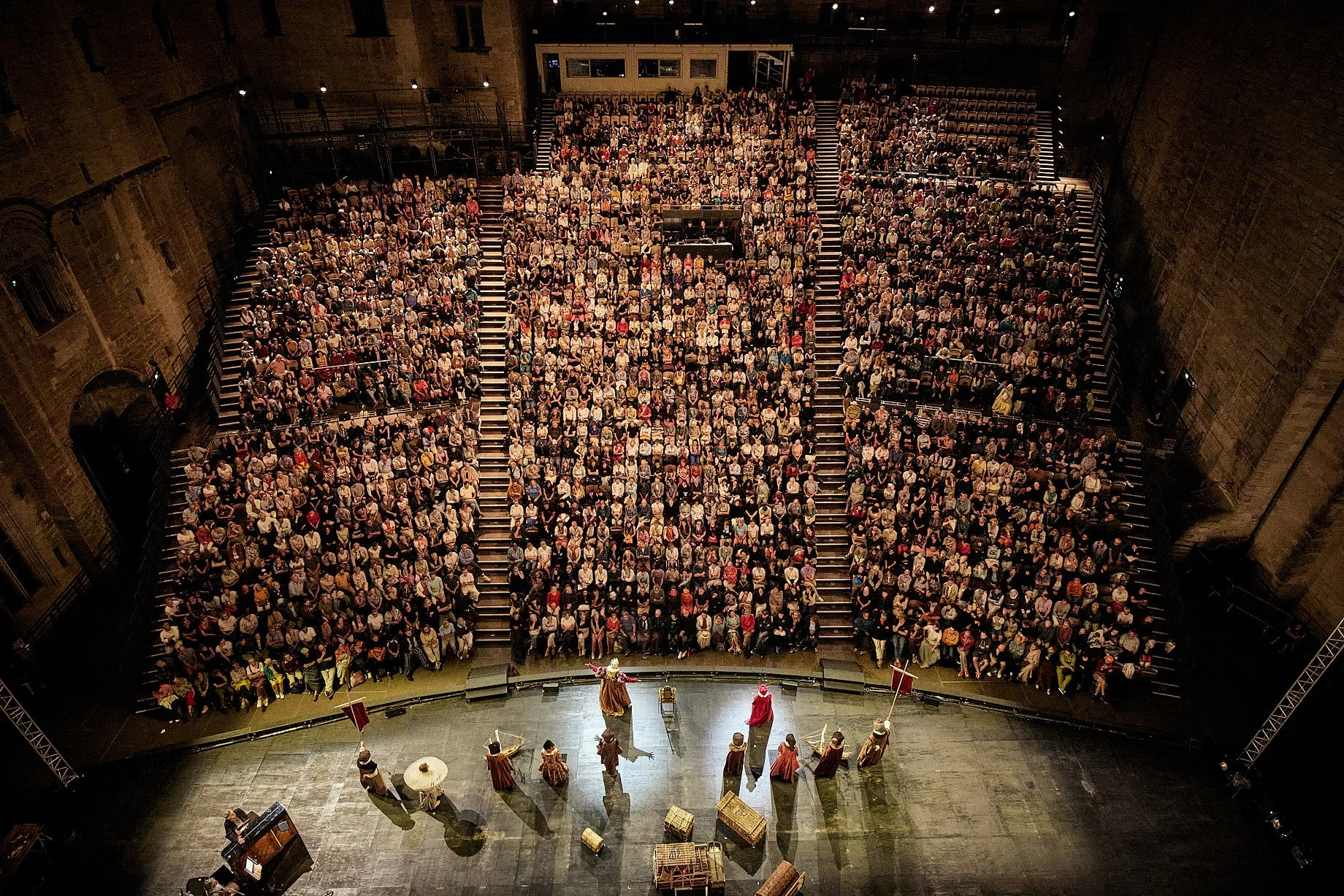
International theatre festivals have long served as sites of cultural exchange, political expression, and artistic innovation. This article traces their evolution from post–World War II cultural diplomacy to their role in today’s “creative city” economy, examining how festivals reflect shifting geopolitical forces, neoliberal policies, and ongoing tensions between global prestige and local representation.
Arts & Technology, Artificial Intelligence, Emerging Technology
This Women's History Month, AMT Lab highlights five groundbreaking women redefining the intersection of arts and technology across disciplines spanning new media, algorithmic theater, performance art, music activism, and artificial intelligence. Each trailblazer has used the tools of her time to challenge who gets to be seen, heard, and represented. Their collective body of work makes clear that the future of art and technology will be shaped, in no small part, by women who refused to wait for a seat at the table.
In Part II, this study builds on the industry context established in Part I by shifting from macro-level analysis to audience-centered insights. While Part I identified independent adult animation as a growing global opportunity shaped by evolving production ecosystems and market conditions, Part II examines how these trends translate into audience behavior and engagement. Drawing on survey data from audiences ages 18–35 and interviews with industry professionals, this section explores what viewers are seeking from independent animated films, the factors that drive discovery and theatrical attendance, and the key elements that contribute to commercial and critical success. In doing so, Part II connects broader industry dynamics to actionable insights that inform strategic decision-making for distributors such as NEON.
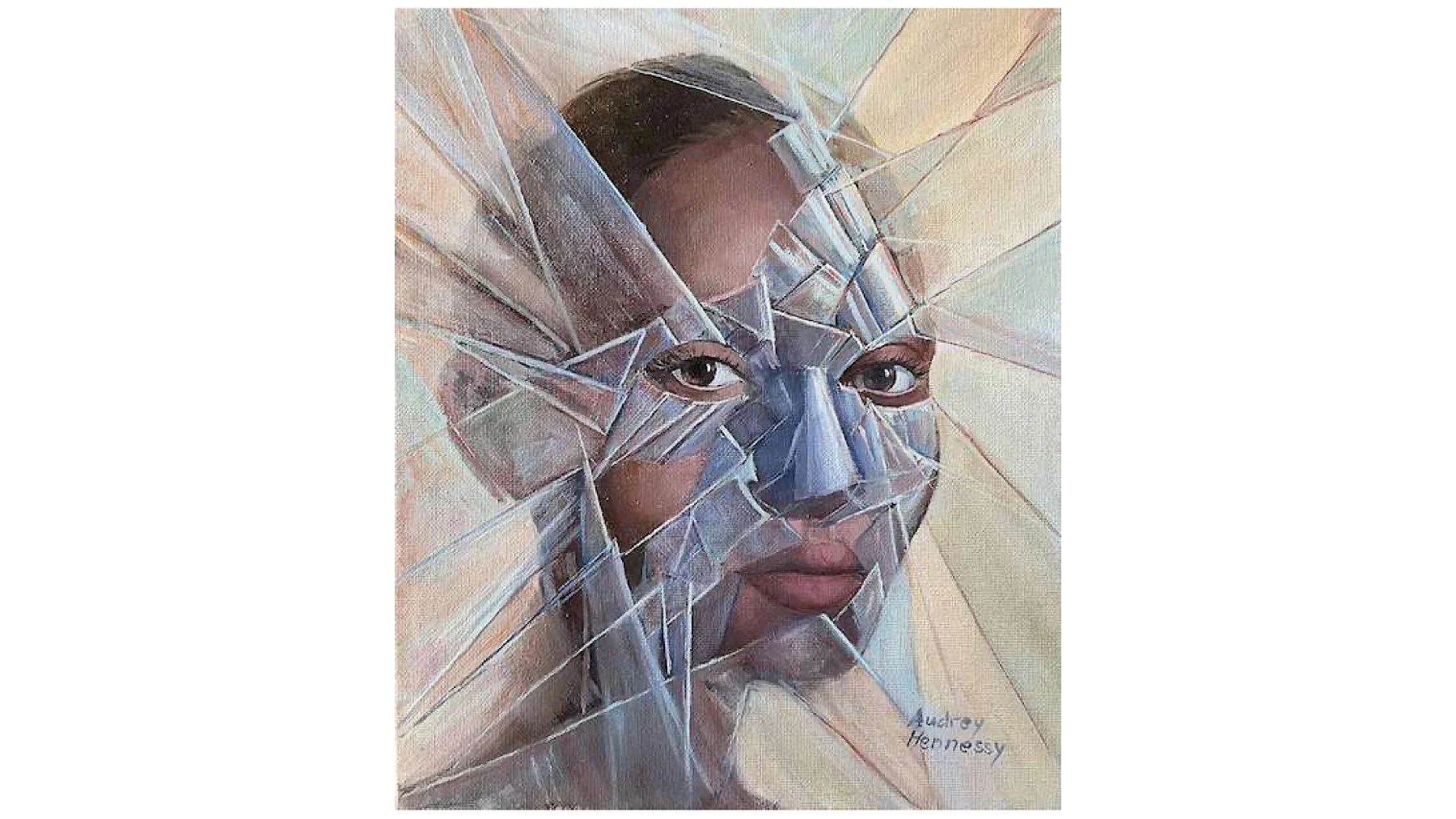
This article examines how generative AI is reshaping copyright law and challenging traditional notions of authorship in the visual arts. By outlining key legal principles, including originality, fair use, and human authorship, it explores the growing tension between technological innovation and artists’ rights and highlights the urgent need for clearer legal frameworks in the age of AI.
This study provides a foundational analysis of how independent adult animation is emerging as a significant opportunity within the contemporary film industry, with a particular focus on market trends, audience engagement, and the strategic role of distributors. As global demand for animated storytelling continues to grow - driven by streaming platforms, evolving audience tastes, and international co-production networks - independent distributors face increasing pressure to identify sustainable models for developing and distributing animated films. Part I examines the evolution of the independent animation landscape and situates the project’s client, NEON’s, recent exploration of the sector within broader industry trends. Drawing on existing research, industry reports, audience surveys, and expert interviews, this section frames the study’s central research questions and methodology. By outlining the challenges and opportunities surrounding independent adult animation, Part I establishes the conceptual groundwork for the industry interviews, survey analysis, and strategic recommendations that will be presented in Part II.
As a denizen of downtown Pittsburgh, I am well aware of how difficult it can be to find a parking spot when I go to the theatre, a gallery crawl, or the symphony. You end up driving to various parking garages only to find a "Lot Full" sign at the entrance.
In a brilliant bit of service to the arts organizations in the cultural district, the Pittsburgh Cultural Trust has created ParkPGH - a multi-platform service providing real-time parking availability information for eight garages in downtown Pittsburgh.
Here are two key reasons why I find this to be a brilliant service:
Addressing a community challenge: By creating ParkPGH, the Pittsburgh Cultural Trust has provided a solution for an issue impacting not just audience members for its own venues, but also audience members for a multitude of arts and cultural organizations not affiliated with the Trust, as well as employees and visitors for other businesses in the downtown cultural district.
Multiple ways of accessing information: The Cultural Trust worked with developers at Deep Local to create a multi-platform service, so that audiences have multiple ways of learning about available parking options. In addition to the iPhone application, ParkPGH has a mobile website, a traditional website, and both text and voice option -- thereby offering the service to anyone with a phone or access to the Internet.
Did I mention that the parking availability information is updated every minute? A key layer of the service developed in collaboration with Traffic 21, a multi-disciplinary initiative of Carnegie Mellon University directed from within Heinz College, which provided research capabilities and back-end support for the ParkPGH project.
So, thanks to the Pittsburgh Cultural Trust for making it easier and more convenient for me to find a parking spot in the cultural district! Hopefully, this idea will catch on in other cities.
As 2010 rolls to a close, Technology in the Arts wants to know: What were your favorite arts-related mobile apps of the past year?
Which apps this past year were the best? The wackiest? The most engaging? Take a second and click the link below to let us know. Enter the name of the app, the platform you use it on (iPhone/Android/etc.), and why you think it's the best of the best. We'll be taking the most popular app choices and including your comments in our year-end app wrap.
Created in 2005 as a grant-making and arts advocacy group based, United States Artists (USA) acts as an avenue for individual artists to find private funding for themselves and their projects. Earlier this month, they entered into the foray of crowdfunding platforms with the launch of the USA Projects, a fund-raising engine that is specifically focused on funding individual artists and their projects through grassroots micro-donations.
Part social network, part fund-raising vehicle, the USA Projects site combines many aspects of other popular crowdfunding sites like Kickstarter, RocketHub, and IndieGoGo. While still in beta testing, the site has already garnered some major attention according to The New York Times:
In testing, the Web site attracted roughly 36,000 unique visitors and raised a total of $210,000, with an average of $120 from each of 1,500 small donors, Ms. DeShaw said.
Not bad at all for a recently launched crowdfunding platform for the arts. Still, there are some major differences between USA projects and the other crowdfunding sites out there. Here’s a look at some of the similarities and differences between USA Projects and its peers:
Similarities
It’s all or nothing, baby – Like Kickstarter and Rockethub, USA Projects adheres to the “all or nothing policy” wherein projects must meet 100% of their stated fundraising goal, or the funds are returned to their respected donors. Some people have seen this as a great motivator for their projects, while others claim it is a waste of time. This isn’t true of every platform though, IndieGoGo allows people to keep all funds contributed to their projects, even if the final fund-raising goal has not been met.
The final countdown – As is common on crowdfunding sites, artists on USA Projects have three months in which to raise the money for their projects.
Getting friendly – Most of the platforms out there have a social media element to them, and the USA Projects site is no exception. Users on the site can create profiles, follow artists and funders, send messages, leave comments, and view recent activity on the projects they have funded or have an interest in. This creates a more personalized experience as well as a stronger connection to the projects and the artists.
Incentivizin’ – Crowdfunding sites mirror traditional donor campaigns in that different donation levels come with various perks and rewards. Since the perks and rewards are determined by the artists, the endless possibilities are limited only by the artists’ capacity to deliver. Rewards might range from a personal note from the artist to prints or video downloads of the resulting artwork, from private studio visits to the chance to sing back-up on the artist’s CD, etc.
Differences
At what cost? - In order to meet the bottom line, sites like Kickstarter and RocketHub will charge a percentage of the final funds and for the credit card processing fees. These fees can amount from 5-8% of a project’s total funds raised. Since United States Artists is a not-for-profit organization, there is no fee attached to the projects.
[Correction: According to an FAQ on the USA Projects Web site: "81% of every dollar pledged goes directly to the artist’s project, and 19% supports USA’s programs for artists and the site’s administration." So with this information, it appears that the percentage of funds received by US Artists is two or three times the percentage received by other crowdfunding sites. -- Hat tip to Justin Kazmark.]
Who gets to play in the sandbox? – Now we hit the major difference between USA crowdfunding and the other platforms out there: not just any artist can add a project to the site. In order to appear on USA Projects, the artist in charge must have received a previous grant or award from a USA Project Partner or recognized organization. Visit the main website here to view all of the recognized organizations and their award/grant programs.
This requirement for artists to have been granted a USA grant, or equivalent from a partner organization, in the past in order to pilot a project raises some interesting questions about this model of crowdfunding:
Is the policy too exclusive? Requiring grants or awards in order to even start a project excludes a large number of artists right off the bat. And while there are a considerable number of organizations partnering with USA, they do not cover the full spectrum of creative professionals in the United States.
Does the grant/award requirement go against the spirit of crowdfunding? One of the exciting aspects of crowdfunding is that virtually anyone can start a project and find the funders to make it happen. So what happens to all the first timers? The energetic artists with a great idea and the will to make it happen, but lacking the professional background to make it onto the site? It can be argued that much of the success individuals have had on sites like Kickstarter can be attributed to the strength of the idea behind the project, not necessarily their past accomplishments.
Will having “approved” artists act as an incentive for people to donate larger amounts? There is definitely a reassurance when donating to an artist who has had some previous success and support. But most existing crowdfunding platforms already have the reassurance of returned funds and set time limits, so how big of an impact will having pre-approved artists make? Will USA’s stamp of approval result in more donations or larger donations for these artists?
It will definitely be interesting to see how the USA Projects platform grows over time and if the requirements for projects will stay the same or evolve with that growth. Additionally, how might this model for crowdfunding the arts affect other existing platforms?
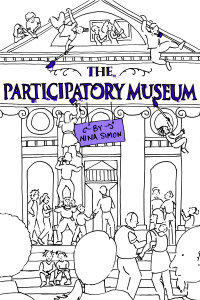
Earlier this week, the Pittsburgh Children’s Museum hosted a talk by Nina K. Simon, author of The Participatory Museumand the Museum 2.0 blog. Simon works with museums throughout the country to develop programs for improving visitor engagement.
Simon brought up some great ideas about the ways in which museums could use programming to increase engagement and create meaningful experiences between visitors. Might arts organizations be able to apply her ideas about museums when designing their own strategies with technology and social media?
Here are a few of her ideas from the talk and how I think they might be applied:
Museums should be seen as places for everyday use
Simon argued that many museums are seen as tourist destinations that have a long-standing stereotype of being a place to be visited maybe only once a year. This is also true for many other types of arts organizations. Many of us would like to see that change and for arts organizations to become places that people consider frequenting practically everyday. Social media could be a strong tool for stimulating this impression. Offering frequent, engaging content online and creating a personal connection with our organizations’ constituents can help counter the idea that arts organizations are aloof and impersonal tourist destinations. Social media offers an opportunity to communicate the frequent, sometimes daily offerings of your organization.
Museums should be trusted hosts for social experiences
Simon spoke last night about the success some museums have had with programs that involve voting, encourage competition, and prioritize face-to-face interaction between visitors. Arts organizations could apply this idea towards utilizing social event sites like meetup.com, where the end result is a real-life, social interaction. Or this idea could be applied towards using such tools as real time tagging of artworks from any discipline or mobile device voting systems as a way to create conversation and interaction between visitors. The Indianapolis Symphony Orchestra went the mobile voting route when they had audience members vote, via text, to choose which encore the symphony performed.
Museums should be places for seeing and exploring as well as sharing and making
Another great way to engage visitors in a meaningful way is to encourage them to share their experiences of the organization with their friends and to create their own content. Social networking sites are centered on this idea of sharing experiences online and many organizations have taken advantage of this by encouraging their visitors to share photos and stories on the organizations’ social networks. The Vancouver Opera has a flickr fashion page that gives visitors who have “dressed to the nines” a place to shine online. The Mattress Factory’s iConfess is a confessional booth for visitors to express their ideas about the museum and publish those ideas directly to YouTube. Photos and personal experiences are definitely visitor-created content, but current technology can push this idea of participation even further. The success the Guggenheim had with YouTube Play, an online exhibition of user-created videos, and online projects like The Johnny Cash Project, where users re-interpret a Johnny Cash video by drawing over each frame, are two great examples.
As technology and social networks continue to expand and grow at a rapid rate, it’s hard to know which to develop programming for. These ideas presented at Ms. Simon’s talk can serve as great starting points to that conversation. As your organization moves forward developing technological programming, some questions should be asked, such as: Is the technology serving the end goal of bringing people to our institution? Is it helping to create a worthwhile experience for visitors, or is it just tech for tech’s sake? How varied of an audience can a particular technology or social network reach? Are there better, low-tech solutions to visitor engagement? New technology and advances in web 2.0 can offer powerful tools that can help expand audiences and increase visitor engagement, but remember to step back and look at which strategy best serves your organization's visitors and creates a meaningful experience.
This article originally appeared in the Leading Creatively Blog Salon, a week-long exploration of leadership in the creative sector, hosted by the National Alliance for Media Arts and Culture.
When I first entered the workforce after graduate school, I believed that leadership originated at the top of the organizational pyramid and flowed downward. My first two jobs reinforced this belief: the senior leadership set the agenda for the organization, provided directives to the staff, and neither solicited nor desired the input of the junior staff. We were solely there to follow…or so I thought.
In retrospect, I see that my professional life has always contained the simultaneous duality of leading and following. When I worked in entry-level positions, I followed my supervisor’s directives for actualizing the executive director’s vision in service of the mission. And I was happy to be doing it. Following the lead of the senior staff allowed me to learn a great deal about management and leadership in the arts. So where did I lead in those early days? In the organization’s blind spots.
Small and mid-sized organizations in the creative sector are often faced with human resource capacity issues. Everyone on staff tends to wear numerous “hats.” Correspondingly, there are always areas within these organizations in need of attention and innovation. Turning these blind spots into areas of opportunity takes three key leadership traits: vision, initiative and persuasiveness.
In my personal experience, the organizations that I worked with had significant blind spots in their technology infrastructures. Once I recognized this, I started envisioning ways in which the incorporation of new and/or different technologies could improve organizational efficiency, audience reach, depth of engagement, etc. Having the vision for change was not enough by itself, I had to take the initiative to approach the senior leadership and persuade them to pursue change via technology adoption.
As I rose through the ranks, those three traits remained pivotal for leadership. Now as an executive director, I have tried to consciously foster a working environment wherein other members of the staff are encouraged to lead. Obviously, this requires me to follow. When I first took on the executive role, I wondered if I would be one of those executives who just could not follow someone else’s lead. I mean, I was hired to lead, right? Wouldn’t choosing to let someone else take the lead in an area be shirking my duties?
Three years into the role, I know that the answer to this is “no.” We must embrace the duality of leading and following throughout our professional lives in order to foster and ensure the continuous development of our organizations and ourselves.
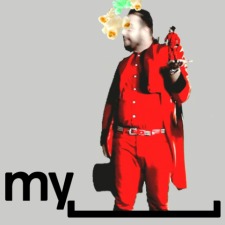
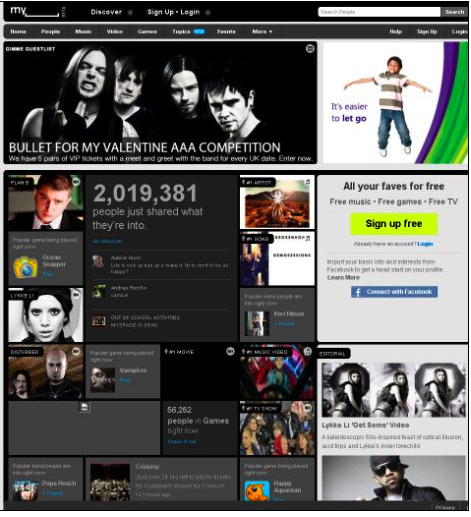
MySpace, the original social networking site, has relaunched and re-branded itself as My_______ ,the world's first “Social entertainment” website. The purpose of the website has shifted from a social networking site motivated by the slogan “a place for friends” to a site intent on “becoming the leading entertainment destination that is socially powered by the passions of fans and curators.”
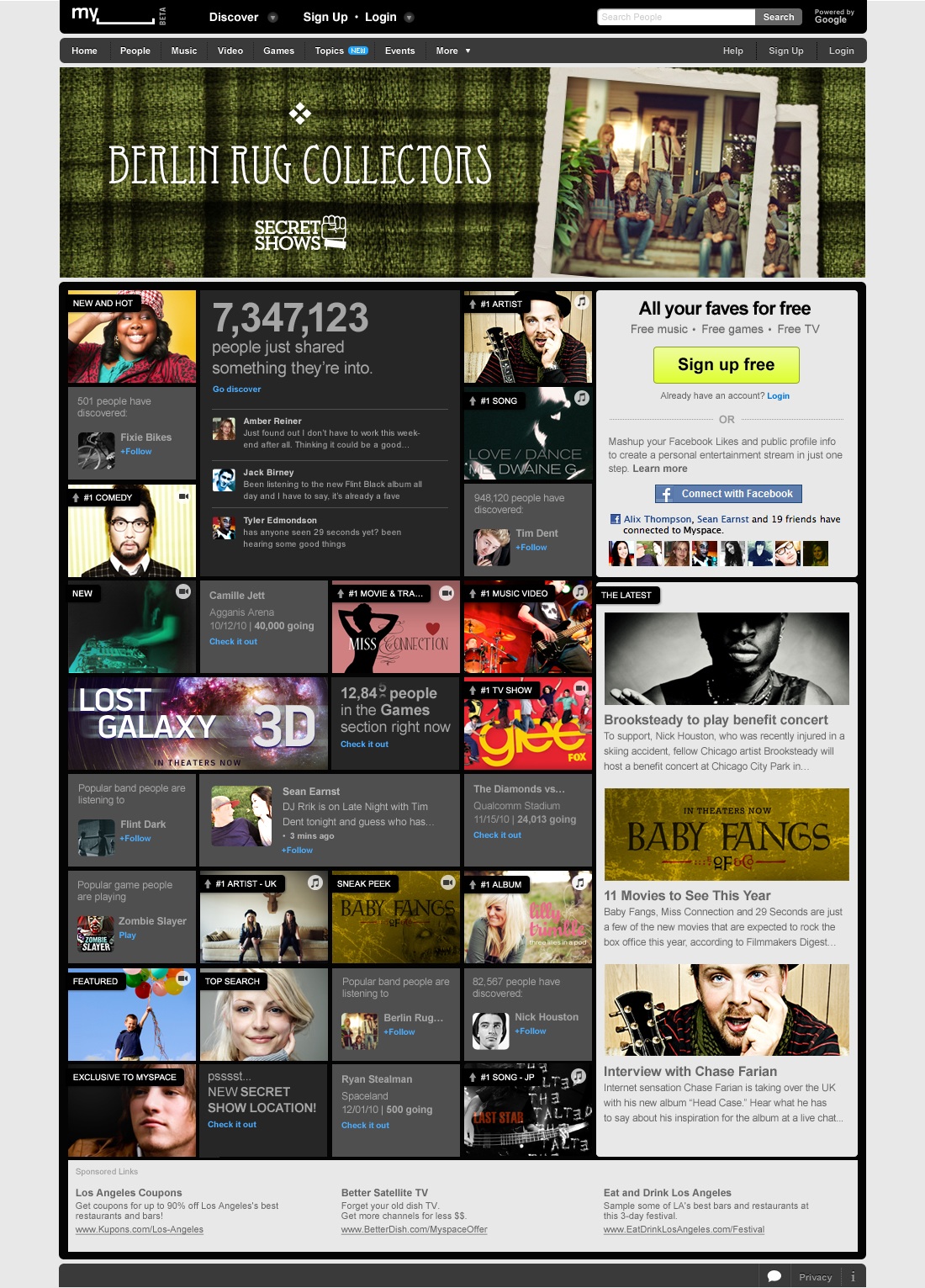
Essentially, the new My_______ focuses less on people and more on media and digital content sharing. The sleek new site combines the most popular features of Facebook, Twitter, Foursquare, and Youtube into a single media focused platform. Users can now follow artists and organizations on topic pages, similar to Facebook fan pages, while receiving real time updates on the music, videos and content being heard, viewed, or uploaded by them (very reminiscent of Twitter).
In this way, members will be able to see what music their favorite opera company is listening to as wellas what they are posting. Users will be shown the media that their friends are consuming, not just the media that their friends and topics are posting. It opens a new opportunity for media recommendations, community building, viral marketing, and content sharing.
These updates appear on the new homepage now referred to as the dashboard which can be viewed in three modes: list, grid, or full screen.
The list mode looks almost exactly like a Facebook news feed. The grid view integrates watchable videos, playable songs, pictures, and micro-blogs in a chronological collage of media tiles, and the full screen mode allows users to experience their media updates in an interface similar to iTunes coverflow.
My_______ has combined multiple features from across the web that have never been offered in tandem before - creating a unique media viewing and sharing experience. Some of the other new features include: interactive games, karaoke (Opera?), free music playlists creation (competing with Pandora?), and media trending.
The new interface and combination of features could prove very useful to cultural institutions and arts managers if the user base is willing to readopt a floundering platform.
The largest obstacle for the new My______ is the old MySpace. The relaunch comes after one of the worst years in the company's history. MySpace lost 50% of its user base between 2009 and 2010, a critical hit for the organization and a terrible loss for its functional use as a communications tool and social network. The new My________ is much more in line with Internet usage interests and behaviors of Millenials, but it is not yet clear if they will return to the site.
In order to make the transition smoother and help regain customers, My______ has paired with Facebook to create what they are calling a mashup, in which My_______ takes all of a user’s profile information, friends, and likes from Facebook and imports them into a My_______ page; making the process of setting up a new functioning account much quicker and helping users grasp the changes and full functionality of the site much faster. This partnership bodes well for My_______ and provides a clear focus away from social networking and onto new media and digital content sharing.
For arts organizations and non-profits that are currently tweeting links to content on Twitter, uploading videos to YouTube, and sharing pictures and events on Facebook, the new My_______ offers a single platform that will combine all three. A one-stop shop for all of your social entertainment and digital media needs. The ability for pictures and videos to appear directly in a news feed like Twitter but with a usable interface like Facebook is very desirable and something that I believe has huge potential. Pairing the interface with the content and media focus allows for a more streamlined experience that is not diluted by the social aspect of Facebook and Twitter. The New My_______ is definitely trying to steer away from content that does not surround music, media or artists in some way.
The ability to create opera karaoke, post audio excerpts from a concert, or share video from a stage production or event that are instantly previewable and clickable in a media focused feed that is more graphic than Twitter, less convoluted than a YouTube subscription, and easier to deliver than Facebook is very enticing. If users begin to adopt the new My_______, it seems only natural for organizations to follow. Only time will tell if this snazzy new facelift will take off, but the potential is definitely real.
Direct marketing campaigns are notoriously difficult to track in terms of ROI and effectiveness. It’s hard to know which of your organization’s communications best reaches your audience, the artfully designed postcard and brochure or the large billboards and posters placed throughout your area. Organizations usually have to rely on methods such as surveys and historical estimates to track the effectiveness of their marketing campaigns.
One possible solution to this tracking problem is to utilize customized URLs with your organization’s marketing efforts. When someone clicks on a custom URL, they are directed to a custom landing page seperate from your organization's main site and specific to your marketing campaign and can be individually noted using online analytics. There are two types of custom URLs currently available for marketing campaigns (and also great for puns): GURLs and PURLS
PURLs or Personal URLswill include both a message specific to your marketing campaign and the recipient’s name inside the URL. They are totally custom and best fit for E-mail and direct mail campaigns. PURLS contain the recipient’s name generated from your organization’s mailing list and leads to a custom landing page that can offer content specifically tailored for that person. For example, if Technology in the Arts were to have a membership campaign, our PURL would look like this:
www.ThomasHughes.JoinTechnologyInTheArtsToday.com
GURLs or General URLsare the more generic version of a PURL, usually including just a campaign name, but offer the same advantage with tracking. The landing pages are also more generic and the ability to customize the offer based on who clicks the link is lost. GURLs are a better fit for marketing efforts like signage, billboards, and print advertisements. For instance, say I wanted to use acustom URL for a newspaper advertisement for our website’s membership campaign; the GURL would look like this:
www.YourTechnologyInTheArtsMembership.com
If your organization decides to try out utilizing either GURLs or PURLs, or both, in its next direct marketing campaign, here are a few things to consider when choosing a service:
Cost – According to easypurl.info, the cost of a PURL can range from 4 cents to 12 cents per purl. The price varies based on the amount needed. For example, a campaign using about 10,000 PURLs can average about 10 cents per PURL. This is a case when you might want to go with a less personal, but less expensive, GURL. For both PURLs and GURLs, there is usually a setup cost for both the template and landing pages to which the custom links are directed.
Lifespan – These custom links won’t last forever, so this is an important question to ask when choosing a service. GURLs tend to have a longer lifespan that PURLs, which contributes to them being better for instances like billboard and signage where you are trying to reach a less specific audience.
An example of the PURL results and ROI tracking data taken from getsatisfaction.com
Data – What kind of tracking abilities comes with the URL service? In a recent post, we discussed the advantages to using custom URLs for tracking a variety of metrics using Google Analytics. Check into the kind of metrics that are offered and how well you can import, export, and integrate the data into your current database.
Finding new sources of traffic for a website or social media profile can be a challenging task for both novice and experienced web marketers. Facebook Ads are powerful, yet often-overlooked, tools for internet marketing campaigns.
Here is a quick overview of Facebook Ads' benefits:
Increased Exposure: Facebook continues to be the #2 ranked website in the world for web traffic according to Alexa.com. Of the top 5 highest-traffic websites in the world, users spend more time on Facebook than any of the others.
Increased ROI: Facebook Ads are 25-50% of the cost of running a Google Adwords campaign. A Google Pay-Per-Click campaign can sometimes cost $1 per click. A typical conversion rate (from clicking to taking action) would be 2%. Spending $3,000 for 3,000 clicks therefore, may only result in 60 people taking action (opting in for your email list, purchasing tickets to a show, making a donation, etc). A similar campaign on Facebook Ads would cost around $10 for 1,000 clicks. You can also choose to run a CPM campaign which calculates a cost based on how many 'impressions' you want to make on users. Impressions are geared more for marketers who want to raise awareness about their brand. The Search Engine Journal provides more insight into this topic. Here's a great visual from their article.
Note: Geo= Geographical Segmentation and Keywords= the word or phrase a user types directly into a search engine. Facebook Ads can only target what someone has already indicated they are interested in (theatre, live music, art galleries, etc).
Targeted Demographics:Facebook Ads provides a precise way to segment your market. From musical interests to relationship status, there are an endless amount of ways to run a market segmentation. Here is a detailed listing of your targeting options.
Less Competition: Facebook also has an advantage when it comes to your levels of competition. Facebook has an estimated 1/20th of the advertisers that Google has. Here are some other fascinating statistics from the internet marketing blog HubSpot.
If you're considering running a Facebook Ad campaign or are struggling with your current campaign, here are seven steps to help you make the most of your efforts:
1. Run More Than One Ad: As Robert Gore discussed in our latest podcast, it's a great idea to run 5 or more ads for each market segment you choose. Test each ad's performance to see which one has the highest success rate.
2.Choose a Compelling Image: Keep in mind that, unlike Google, the Facebook audience generally isn't logging on to shop for products or services. You must engage a user from the start. This process begins with your headline and image. Here's a great image from an ad run by the Pittsburgh Public Theater. The image conveys high energy and enthusiasm and raises curiosity about the show.
3. Direct Traffic to a Relevant Landing Page: Make sure that the landing page users are directed to after clicking through on your ad is relevant to what was being advertised. Consistency is key. It's up to you to select the most appropriate landing page. It could direct traffic to an outside website or to your Facebook Fan Page. Landing Tabs on your Facebook page can be particularly effective. For more information on creating a Landing Tab, you can refer to Facebook's Help Section or listen to our webinar recording on making the most out of your Facebook page.
4. Optimize Headlines: Marketing Experiments blog author, Hunter Boyle, suggests that the objective of your headline is "not to sell but to connect with your reader." Here's a great article that expands on this principle. One of the best ways to engage your reader is to pose a question in the headline.
5. Consider Your Targets Carefully: In the first tip, we recommended running more than one ad. It's a great idea to test your ads on different market segments too.
6. Make a Compelling Offer: If you are more concerned about click-through rates as opposed to impression levels, then you should consider making a compelling offer in the body of your ad. Just be sure that the landing page follows up on this offer.
7.Track Your Results: Some internet marketing experts, like Ryan Deiss, suggest you should delete any ad with a click-through rate below 2% after a week of running it. This may not apply if you're more concerned with making an impression. Always be mindful of your campaign's goals and re-calibrate your strategy accordingly. Small business expert and author, John Jantsch, suggests using Google Analytics and Google's URL builder tool to monitor the effectiveness of any ads that direct people to a link outside of Facebook.
Has your organization been giving some thought to creating online components for its upcoming exhibitions? The demand for having exhibition-related content available online is not only increasing, it has grown into an expectation. Web publishing can be a costly process for many arts organizations, especially if a web developer and designer is required for each exhibition. A more cost-friendly alternative is to consider using open-source, publishing software for creating collections and exhibitions online.
Here are two currently available, free downloadable options designed specifically with cultural institutions in mind:
Omeka – Launched this past year, Omeka was designed by the Center for History and New Media at George Mason University. Omeka features a variety of themes and plugins while offering a management system similar to that of the blogging site Wordpress. Here is a great video tour of the software.
Collective Access – Also utilizing a management system similar to many blogging platforms, Collective Access was developed by software firm Whirl-i-Gig in 2007. Click here to demo the software.
Both sites offer links to exhibition sites built with their software, which are worth checking out to see what’s possible using these open source systems.
So what is open-source software, anyway? A software is considered open source when the firm who created the software makes the source code available to the public and opts out of certain other copyrights that are normally reserved. This means that any user can alter, customize and develop for that software as they sit fit to meet their project’s needs. An important thing to keep in mind is that in the tradition of open source software, the user must share this new, modified code with the public as well.
Before your organization goes forward with publishing an exhibition or collection online with this kind of software, there are some questions you should consider:
What is the user experience like?
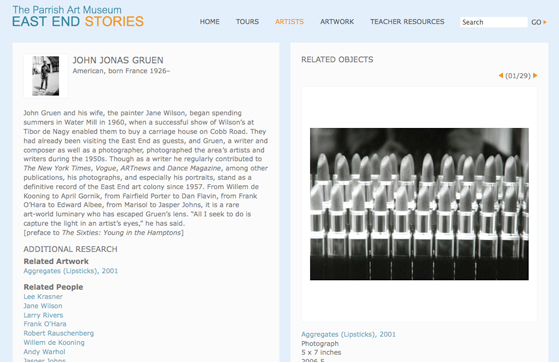
No two web publishing software systems are exactly alike, so make sure to take a detailed tour before committing to one. A clean and simple user interface will drastically shorten training time for your staff and save a lot of future headaches if you pursue more complex projects. Omeka and Collective Access are both strong examples since each offers a blog-like user-interface specifically designed with cultural institutions in mind.
Omeka offers services that cover a wide range of needs for cultural institutions
An example of how Collective Access allows you to build relationships between items in your online collection.
How much storage will you need?
What kind of content and media will your project involve? What kind of storage and back-up will be needed? Remember that server space is essential, whether it’s your organization’s internal server, a web-hosting service’s server, or buying some space from a server provider online. In addition to their software, Omeka offers a web-hosting service with different plans priced according to number of sites and the amount of storage needed.
How easy is it to customize?
This goes back to the importance of taking a detailed demo of the software. Many of the platforms have multiple themes available to make the task of designing your organization’s site a lot easier. However, you should test the platform to determine how difficult it will be to change those themes and customize them to fit your organization’s unique brand image without requiring the help of a web designer.
What kind of support is there for the software?
When an open source software is downloaded and installed on your server, all of the support and maintenance responsibilities for that software rests with your organization. A server provider will be able to fix bugs and issues specific to your server, but maintaining the software is up to you. Omeka and Collective access offer extensive documentation and guides as well as online forums, but support and troubleshooting are left to you. This is one of the advantages to Omeka’s hosted option; they will provide service support for both server and software issues.
How is the software upgraded?
When the system you use comes out with a new version, who installs the upgrade? How easily can an upgrade in the software be installed and configured? With both Omeka and Collective Access, the users have to manually perform the upgrades, but extensive documentation and guides are provided. This is another benefit of a hosted service option like Omeka.net; they will install and configure software upgrades for you.
So while these open-source, publishing software systems are free, there are some costs to consider. Be sure to do your research in order to determine if these open source tools will meet your budgetary and technical constraints for experimenting with online collections and exhibitions.
Broadway producer, Ken Davenport, recently surprised the theatre world with his decision to launch a crowdfunding campaign to produce a revival of the musical Godspell. The ambitious project is hailed as the "first-ever community-produced Broadway musical" and will probably not be the last of its kind. Crowdfunding, it seems, is here to stay.
Crowdfunding is essentially the pooling together of financial resources via the internet. Typically, the project manager solicits financial donations from the public via a web-based platform. Crowdfunding can be used to fund just about any type of project, whether its reviving a Broadway musical or financing a band’s studio time. While the idea of pooling together financial resources from the larger community to fund an artistic project is certainly not a new model, the internet is putting a new twist on things.
Here are 4 quick tips to consider before you or your organization embark on a crowdfunding campaign:
Choose an Appropriate Platform: There are many platforms to choose from for your crowdfunding campaign. Kickstarter and IndieGoGo are two of the more popular platforms. However, it's not always necessary to sign up with a third party. It is possible to launch a campaign through your own website, but strict securities and exchange commission regulations may make this option trickier. It's important to gauge the specific needs of your project and organization prior to choosing a platform.
Be Aware of All-Or-Nothing Policies: If you decide that a platform like Kickstarter or IndieGoGo is the best way to go, then take the time to become familiar with their policies. Platforms like Kickstarter and Rockethub have an "all or nothing" policy that requires a project to meet ALL of its stated fundraising goals in order to receive any funds. If a project falls short, then no money will be collected. Other platforms like IndieGoGo allow you to keep the funds you raise, even if you do not meet your fundraising goal. Some artists and groups find Kickstarter’s “all or nothing” structure to be a great motivator. Others consider it a potential waste of time if their goal is not met.
Consider the Legal Ramifications: While services like Kickstarter and Indie GoGo make it virtually painless to launch a campaign, it's always a good idea to make sure your legal ducks are in a row. Depending upon the complexity of the offer, you may need to meet particular requirements. Since the donors are considered investors in the Godspell production, Davenport's offer had to be reviewed by the Securities and Exchange Commission before it could be presented to the public.
Read the Fine Print! Some platforms do have fees and other hidden costs associated with their services. Take the time to understand the economic model that the service is operating on -- fee structure, donation collection process, funds disbursement, etc.
Thursday marks that wonderful time of the year when we gather with friends and family, give thanks, and have a perfectly valid excuse to eat too much food and take a nap. So in this time of giving thanks, has your arts organization thought about how you give thanks for your online communities?
Offering ways to thank and reward your organization’s online community is an important part of online social engagement. It reinforces for your followers how much you appreciate while giving them great incentives to spread your brand. These rewards can span from offering exclusive content only available to your online fan base to having something tangible like a specific event or rewards day at your organization focused on your online community.
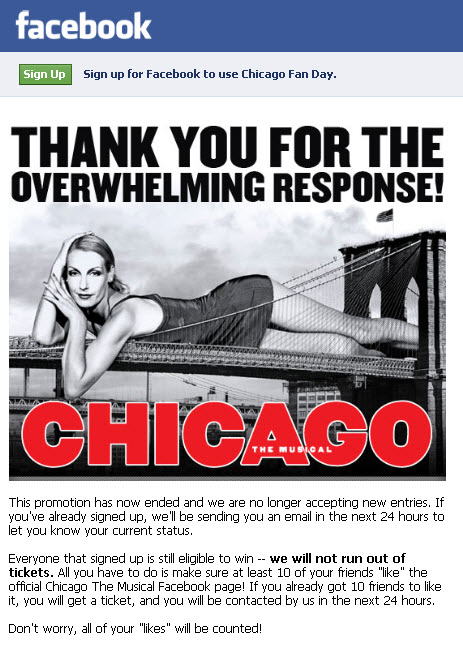
Take for example the recent move by Barry and Fran Weissler, producers of the musical Chicago, to reward their Facebook fans. On January 30, 2011, Facebook Fan Day will mark the first time that a Broadway show will fill its house exclusively with their Facebook fans -- for free. Yes, the tickets were free, but they were not simply first come, first served. Tickets were distributed chronologically to those people who got ten of their friends to “Like” the Chicago Facebook page.
Facebook Fan Day generated quite a bit of buzz and interest in a production that has been running for 15 years.
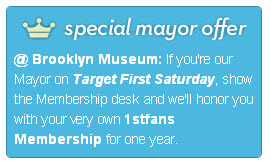
Brooklyn Museum's special offer on Foursquare
While an idea like Facebook Fan Day is a great way to reward and expand your organization’s online presence, it doesn’t necessarily need to be a one-time offering. The folks over at Brooklyn Museum have included an on-going rewards program for their Foursquare community. By becoming Brooklyn Museum’s "mayor" on Foursquare during their First Saturday social event, a visitor can receive a free one year membership for their 1stfans social event program. One advantage to using a location based platform is that it requires users to be present at the event in order to and claim the reward.
Rewarding your social media fans can increase their loyalty to your organization, give them some incentives to get through the door and create more advocates to spread your brand. What does (or could) your organization do to give thanks to members of your online communities?
Google Analytics has emerged as the industry's leading tool when it comes to web analytics. The platform's easy installation process, in-depth reporting features and user-friendly interface make it a marketer's best friend. Among the many reporting features in Google Analytics is the ability to chart where your website's traffic is coming from.
Google URL Builder is an often overlooked platform in the Google toolbox that can help organizations measure the effectiveness of their web presence. URL Builder is primarily tailored for tracking internet campaigns that fall outside of the pay-per-click or Adwords realm.
Here's a quick overview of URL Builder:
Works in conjunction with Google Analytics to provide advanced metrics for measuring the performance of a specific URL that you will “build”.
Allows you to chart the traffic for particular pages within your website and determine which communications channels provide stronger traffic per page.
Allows you to enter tags for detailed tracking, particularly Campaign Source, Campaign Medium, and Campaign Name.
Campaign Source indicates the originating source of the traffic. Does it come from your organization? Is another organization promoting a web link on your behalf?
Campaign Medium is useful for charting how much of the campaign's traffic comes from different locations. Did the traffic come from e-mail, web ad, Facebook, Twitter, etc.?
Campaign Name is a short description for the campaign - often one to three words and often a distillation of the link's page title.
Google processes this information and provides you with information about the performance of your unique URL including its bounce rate and conversion
For example, here's the information that we will assign to a URL campaign for the article you are currently reading:
Campaign Source: tita -- We use "tita" to indicate when Technology in the Arts is the originating source of the traffic.
Campaign Medium: twitter -- The medium area is where we indicate if a link will be shared on Twitter, in an e-mail, on our Facebook page, etc.
Campaign Name: GoogleURLBuilder -- Typically, we use a shortened version of our article titles as campaign names for analytics.
Let’s consider some practical applications:
Web Content: It could be very helpful to see how fans and followers on your social media profiles compare and contrast in terms of their interaction with your blog posts, event listings, etc. Simply build a URL for each campaign medium to which you distribute your web content links (Facebook, Twitter, LinkedIn, etc.) and see how your links perform across various sites.
Email Announcements and Newsletter Campaigns: Another useful application could be for tracking the performance of URLs in your email announcements and newsletter campaigns. You would simply enter ‘newsletter’ into the campaign source option. For smaller organizations or independent artists who do not utilize broadcast email service providers (like Constant Contact), Google URL builder could prove to be a viable alternative for tracking traffic deriving from e-mail communication.
Helping Others: When conducting an interview or mentioning another link on your blog or website, consider contacting that person and asking them if there is a specific URL you should use in your post (in case they have a campaign name established for that page). This will make it easier for them to track how much exposure their blog, website or the interview received based on your posting it.
If they do not have a customized URL for you to use, it is still a great idea to create your own. Because the web page is being tracked within their Google Analytics data, the campaign data (source, medium, name, traffic information) will appear in their reports. If you share multiple links from the same website, then using URL Builder for each link you share will allow the organization to see if particular links were more interesting to your communication recipients and site visitors.
Google URL Builder Best Practices
Always take time prior to setting up a campaign to consider your ultimate goals. Which sources and media will you need to track?
Reach out to other organizations and bloggers prior to posting a link to their information in your post. They may provide you with a customized URL designed for their Google Analytics campaign reports.
Consider if any adjustments should be made in your email, social media and overall web campaigns as a result of the data you collect.
Spread the word! Share URL Builder with your colleagues to make sure that everyone on staff uses the correct URLs when sharing links.
To conclude the 2010 National Arts Marketing Project Conference, Chip Conley delivered an inspired closing plenary to encourage arts organizations to provide "peak" experiences based upon their audience's hierarchy of needs. Conley is the author of Peak: How Great Companies Get Their Mojo from Maslow, an arts lover, as as the founder and CEO of the Joie de Vivre Hospitality. In his address, Conley shares his unique prescription for success based upon Maslow's classic Hierarchy of Needs. Conley illustrates how audiences are ultimately motivated by peak experiences and discusses how arts organizations can give those experiences to their audiences.
Americans for the Arts streamed Conley's presentation live via Livestream. The recorded version is embedded below. (Skip to the 16 minute point to get to Conley's presentation.)
David, Corwin and Amelia report out on Day Two of the 2010 National Arts Marketing Project Conference. Items discussed: disembodied panelists, Vimeo analytics, the Audience Engagement Platform, the value of quantifying intrinsic impact, and more.
David, Corwin and Amelia report out on Day One of the 2010 National Arts Marketing Project Conference. Items discussed: keynote by Chip Heath, breakout sessions (pros and cons), designing conferences for people with varied experience levels, social media rock stars, and more.
Corwin, Amelia and I are heading out to San Jose for the National Arts Marketing Project (NAMP) Conference this weekend.
In addition to presenting a panel on using performance video to motivate audiences and leading roundtables on Twitter and search engine optimization (SEO), we will be interviewing various presenters and arts marketing superstars for upcoming podcast episodes.
We will also be chatting with conference attendees to find out what useful information and experiences they will be acting upon when they go home.
If there are particular people whom you would like us to interview or particular questions you would like us to ask conference participants, then drop a note in the comments area below.
If you are on Twitter, you can read our thoughts about the conference by following TechInTheArts. You can also follow the #NAMPC10 hashtag on Twitter to read the chats taking place during the conference.
In response to CAMT's "Social Media, Video Footage and the Law" white paper, Lisa Niedermeyer from Jacob's Pillow Dance Festival contacted us with a related video about fair use as it relates to dance-related materials. As the white paper mentions, fair use can be a nebulous concept as far as what, how, and how much copyrighted material can be legally used. The video is a more detailed discussion of The Dance Heritage Coalition's published statement "Best Practices in Fair Use of Dance-Related Materials". It features curators, archivists, documentary filmmakers, librarians and other collectors of dance-related materials discussing what they currently regard as reasonable application of the Copyright Act's fair use doctrine.
Recently, Obopay Inc., an online mobile payment company, and Benevity Social Ventures Inc., a company focusing on the social practices and giving habits of corporate America, partnered to create a new text-to-donate platform for non-profits. This new easy-to-setup, easy-to-manage platform takes away many of the problems that have been associated with text-to-give in the past.
The new platform:
Is FREE for all registered organizations with active 501(c)3 status
Takes less than 24 hours to setup
Pays organizations within 30 days
E-mails tax receipts to donors immediately
Prior to this texting platform, setting up a text-to-give campaign took months and the providers that were available focused mainly on larger high profile clients (the Obama campaign and the Haitian relief effort are just two examples). Payment often took 60-90 days and there were a multitude of fees and charges associated with the products.
In an earlier post, I discussed the merits and benefits of micro-donation campaigns and ways they can best be implemented. Unfortunately, I did not have many suggestions on available products at that time. Many local non-profits and arts organizations simply did not have the budgets or profile to take on such campaigns.
This new text-to-give platform (which currently has no specific name) allows for easy setup and processing of text-to-give donations. A non-profit organization goes to the Obopay website, registers for a key word and the Benevity Corporation, in partnership with the American Endowment Foundation (AEF), creates the account and sets up the service on behalf of the non-profit. No extra work, no forms, no hassle.
When using this service:
Tax receipts are provided directly to the donor from Benevity via e-mail
Donations are received by the non-profit every 30 days
A 7% processing fee is collected from the donation by Benevity and AEF to process the transactions
The non-profit only receives 93% of the total donated amount
100% of the donation is tax deductable (Benevity & AEF are also non-profits)
Overall, this simplistic process combines Obopay’s easy text-to-pay platform with Benevity’s non-profit database and backend billing system, allowing for an easy-to-setup, easy-to-manage platform. A patron texts the organization's keyword to a short code (usually 5 numbers long) and immediately receives an SMS text in response. Potential donors are then prompted to enter a phone number and pin code to donate or they can use the mobile donation website which, on average, takes less than 90 seconds to complete.
Future expansion of this service will include corporate matching and a customizable database with a recommendation function. Benevity already has all registered US non-profits in their searchable database. Soon, the non-profits themselves will be able to be personalize their profiles, and a recommendation function for donors will be added.
Donors prefer push button solutions, mobile applications and ease of use. This new text-to-give solution by Benevity and Obopay opens the doors for arts organizations and other non-profits to provide cutting edge solutions to this problem.
Arts organizations across the country should be looking at this as a huge opportunity to expand micro-donation campaigns and reach new audiences. Patrons are most likely to give directly after or during an experience involving a non-profit. This quick and easy solution for instant giving provides a way for people to support organizations they care about while the experience is still fresh in their minds. Both companies recommend event based marketing for text-to-give donation campaigns.
Arts organizations should advertise how to donate via SMS text during intermissions, around galleries or surrounding specific events. It is a quick way for people to show their support and generally has little effect on their other giving habits. More importantly, the platform can provide a new revenue stream that opens up giving to a wider range of people and secures multiple gifts from long time donors.
Welcome to the third installment of the Social Media Spotlight, our monthly feature focusing on arts organizations’ social media strategies.
This month’s spotlight is the Guggenheim Museum’s strategy with YouTube Play, the recently debuted biennial celebrating creative talent in the realm of online video. The response leading up to Youtube play was massive, with over 23,000 video submissions and over 46,000 subscribers to the YouTube Play channel. The channel, to date, has been viewed over 23 million times. 25 videos were selected by an esteemed jury and celebrated on October 21st with an event at the Guggenheim in New York that was live streamed worldwide.
I recently had a chance to chat with Associate Curator Hanne Mugaas about YouTube Play:
Where did the idea originate for the Guggenheim to team up with a social media site like YouTube?
The Guggenheim had already collaborated with Google on Design It: A Shelter Competition, where on the occasion of the exhibitions Frank Lloyd Wright: From Within Outward and Learning By Doing, the Guggenheim and Google SketchUp invited amateur and professional designers from around the world to submit a 3-D shelter for any location in the world using Google SketchUp and Google Earth. Ideas for new collaborations originated from this project, and a celebration of online video became the next step.
Instead of using their existing YouTube channel, the Guggenheim decided to create an entirely new channel for YouTube Play. What drove that decision? Did it have a positive effect on your original channel?
Since the project is a collaboration between YouTube and the Guggenheim, we wanted a channel for Play content exclusively. The fact that it is a biennial (the project will continue every second year) is another reason why we wanted a separate platform. The project has certainly had a positive effect on the Guggenheim YouTube channel, and it has made it possible for us to reach new audiences.
Since its creation last May, the YouTube Play channel has gained over 46,000 subscribers. How did the Guggenheim cultivate such a large number of fans?
The project is unique in its global scope, which has generated extensive interest. We got 23,358 submissions, which is unheard of in a traditional art context. The pairing of YouTube and Guggenheim made people curious about the outcome. Most importantly, the shortlist and the top 25 videos have a diverse range of high quality works; videos that make you want to spend time on and revisit the channel.
In addition to YouTube, the Guggenheim also has a major presence on other social networks and social media sites like Facebook, Myspace, Twitter, & Flickr. What roles did these other sites play in your social media strategy with YouTube Play? Did the fact that YouTube Play culminated with a specific event affect your overall social media strategy?
The social media sites were important in getting the word out, and to drive submissions. We also started a blog, The Take, which contextualizes the project through writing by art, film, and Internet experts. We did frequent YouTube Play updates on Facebook and Twitter to keep people informed about the progression of the project. These were certainly important tools for the event, especially to make people aware of the live stream, and the external projections on the Guggenheim building in New York.
Speaking of events, the Guggenheim took full advantage of YouTube's new streaming service to live stream the YouTube Play event from the Guggenheim Museum in New York City. How was your experience with streaming video?
The live stream was a very important element given the global scope of the biennial; this way, anyone anywhere could watch the event live. It was a successful experience for us, and the feedback has been very good.
What advice would you give to other, smaller arts organizations that want to experiment with live streaming their own events?
Streaming video is a great way to make your content available to a global audience, either it’s an event, a panel or a talk. To watch a live stream is special, and as a cultural producer, it is a great asset to know that people around the globe are watching.
Thanks again to Hanne Mugaas and the Guggenheim Museum. Visit the YouTube Play channel to check out the 25 selected videos from the exhibition and view selected clips from the live streamed event.
Is your organization doing exciting work in social media? Leave us a comment and let us know. We may feature you in an upcoming spotlight!

 As a denizen of downtown Pittsburgh, I am well aware of how difficult it can be to find a parking spot when I go to the theatre, a gallery crawl, or the symphony. You end up driving to various parking garages only to find a "Lot Full" sign at the entrance.
In a brilliant bit of service to the arts organizations in the cultural district, the Pittsburgh Cultural Trust has created ParkPGH - a multi-platform service providing real-time parking availability information for eight garages in downtown Pittsburgh.
As a denizen of downtown Pittsburgh, I am well aware of how difficult it can be to find a parking spot when I go to the theatre, a gallery crawl, or the symphony. You end up driving to various parking garages only to find a "Lot Full" sign at the entrance.
In a brilliant bit of service to the arts organizations in the cultural district, the Pittsburgh Cultural Trust has created ParkPGH - a multi-platform service providing real-time parking availability information for eight garages in downtown Pittsburgh.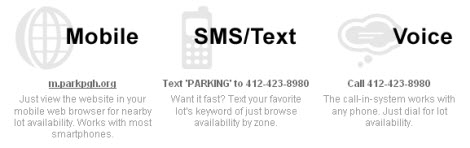
 Created in 2005 as a grant-making and arts advocacy group based,
  Earlier this week, the Pittsburgh Children’s Museum hosted a talk by Nina K. Simon, author of

 Has your organization been giving some thought to creating online components for its upcoming exhibitions? The demand for having exhibition-related content available online is not only increasing, it has grown into an expectation. Web publishing can be a costly process for many arts organizations, especially if a web developer and designer is required for each exhibition. A more cost-friendly alternative is to consider using open-source, publishing software for creating collections and exhibitions online.
Here are two currently available, free downloadable options designed specifically with cultural institutions in mind:
Has your organization been giving some thought to creating online components for its upcoming exhibitions? The demand for having exhibition-related content available online is not only increasing, it has grown into an expectation. Web publishing can be a costly process for many arts organizations, especially if a web developer and designer is required for each exhibition. A more cost-friendly alternative is to consider using open-source, publishing software for creating collections and exhibitions online.
Here are two currently available, free downloadable options designed specifically with cultural institutions in mind: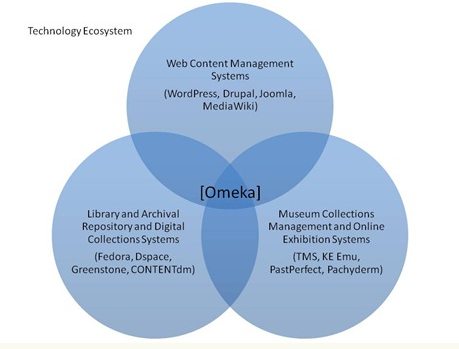

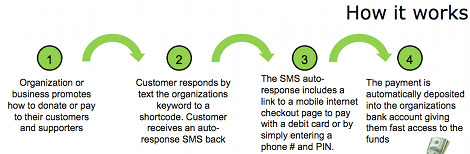 Overall, this simplistic process combines Obopay’s easy text-to-pay platform with Benevity’s non-profit database and backend billing system, allowing for an easy-to-setup, easy-to-manage platform. A patron texts the organization's keyword to a short code (usually 5 numbers long) and immediately receives an SMS text in response. Potential donors are then prompted to enter a phone number and pin code to donate or they can use the mobile donation website which, on average, takes less than 90 seconds to complete.