

AMT Lab recently served as a sponsor for the Museum Computer Network Conference hosted in Pittsburgh, PA. Our contributors attended the conference and reported their most interesting findings in the field.
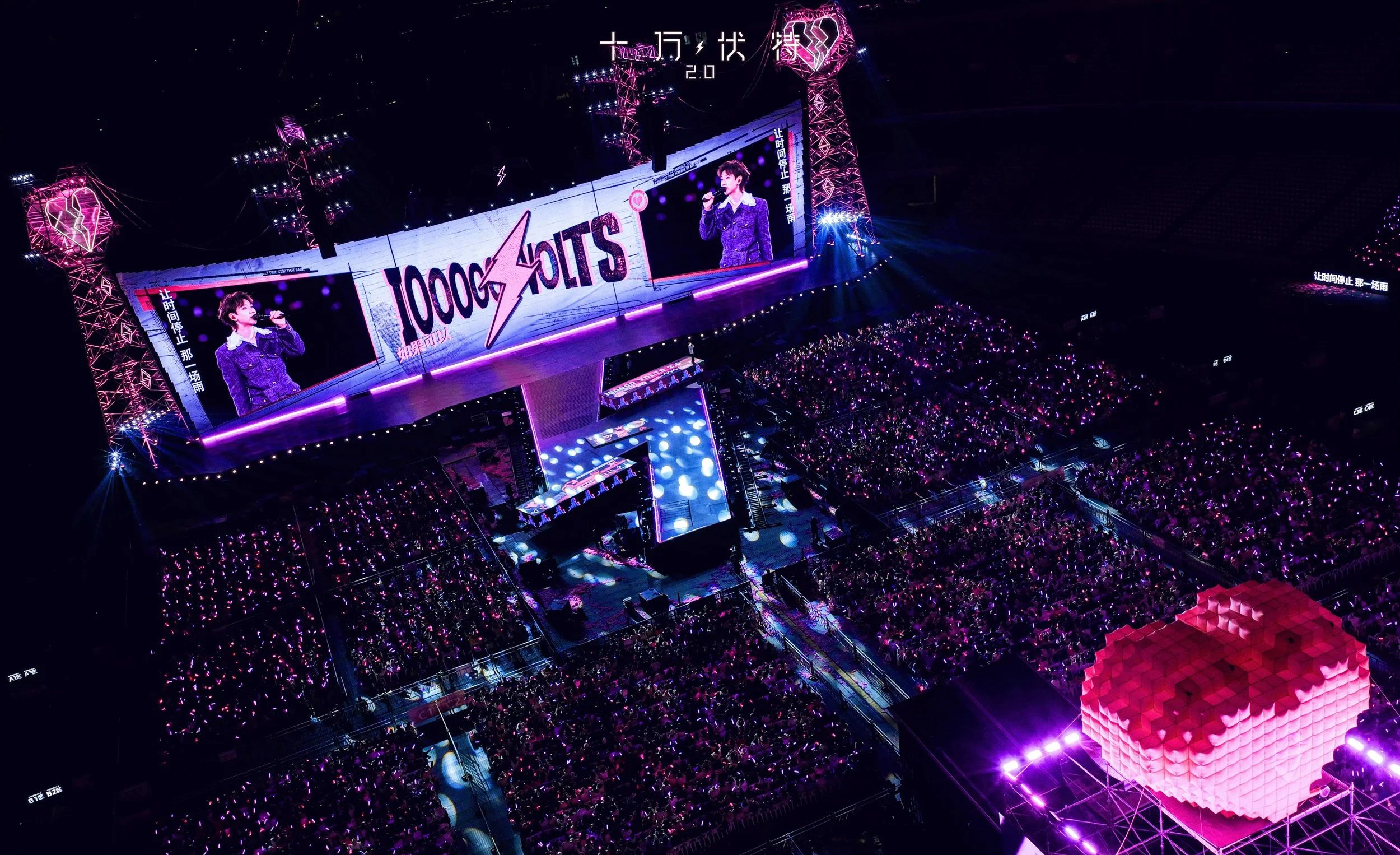
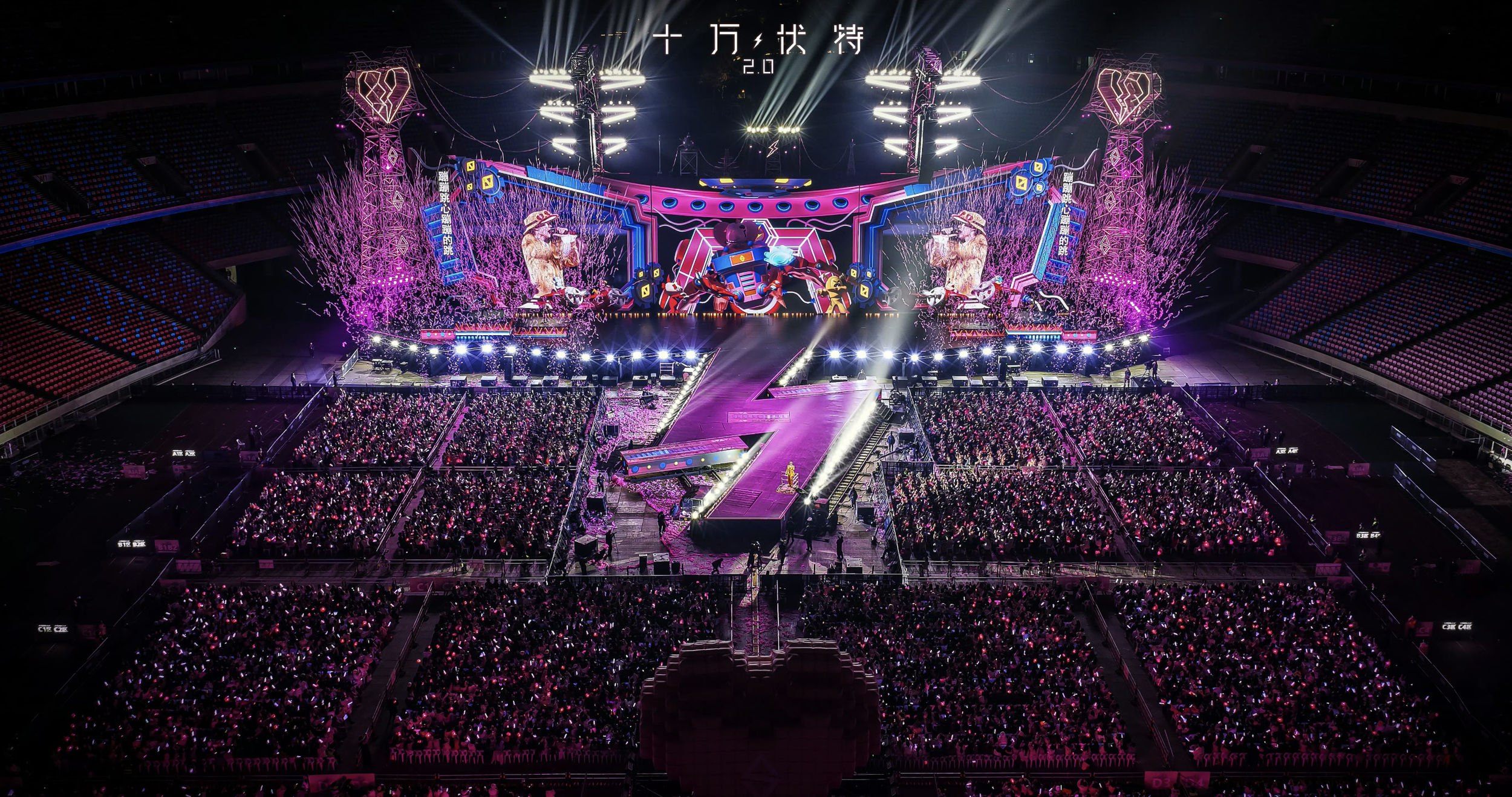
In an earlier article, we explored how live music concerts are evolving beyond mere performances into expansive, immersive storyworlds, using Silence Wang’s One Hundred Thousand Volts tour and its fictional setting of “Romance City” as a pioneering case study. By adapting world-building frameworks traditionally found in film, literature, and gaming—specifically the core principles of invention, completeness, and consistency—Wang transformed his stage into a dynamic socio-ecological system where the audience's emotional participation actively powered the narrative environment. Building upon this foundation of visual and spatial storytelling, this article will delve into the auditory and transmedia expansions of Romance City, examining the strategic role of sound and musical arrangement, the development of one of the world's first XR interactive concert films, and the unique integration of a "Concert Artbook" to deepen audience immersion and IP expansion.
How do you create an audience experience that drives not a one time purchase but a fan for life? Live concerts need to consider creating immersive worlds that engage fans before, during, and after their 2 - 3 hours in the space. This article uses a case study to unpack exactly how to to expand IP and build a world that creates a career sustaining model.
Turn-based games often rely on scripted opponents that are predictable, exploitable, and strategically limited. Through case studies from Final Fantasy X and Pokémon Trading Card Game Live, this article examines how current game AI falls short of creating engaging tactical experiences and explores whether more intelligent, adaptive opponents could improve player enjoyment and game design.
In Part II, this research moves from market context and prior literature to empirical analysis and actionable strategy. While Part I established the streaming landscape, reviewed existing research on Gen Z and millennials’ consuming behavior, Part II presents findings from the online survey and interviews with industry experts. Synthesizing these primary insights with our secondary literature review, we identify what drives and what undermines the subscriber loyalty among 18–34 age group, and conclude with six recommendations for Roku across its SVOD, FAST, and AVOD platform ecosystem.
This study examines what drives loyalty among 18-34 age streaming consumers. The problem we looked to solve through our study is how Roku can better reach older Gen Z (18-24) and younger millennials (25-34) and retain them, beyond an initial one-time acquisition. This is especially relevant in an age where streamers are continually competing with each other and other media companies for the consumer's attention. Part I analyzes the conceptual groundwork for our research, tracing the evolution of the streaming market, reviewing prior literature on Gen Z and millennial viewing habits, and introducing our mixed-methods research approach. Part II of this research will present the empirical findings, industry interview insights, and final analysis and recommendations for Roku.
Radio Frequency identification technology (RFID) is nothing new, and many museums are already using it for inventory and security of their pieces. If organizations already have the technology, there are boundless opportunities as to how they can use it to increase efficiency and enhance the visitor’s experience. But how does this new technology work?
Connecting the real and digital worlds, beacons will prove to be excellent pieces not only for marketing and general propaganda about your specific location, but as informational tools in your local museum or performing arts company. Beacons focus on the consumer, the integral part to any organization regardless of industry. So far, beacons are most common in the retail world, but they can easily be transferable into other industries, like the arts. That’s why you’re here today. Beacons could transform your organization, and I’m here to navigate you through this process in an understandable way.
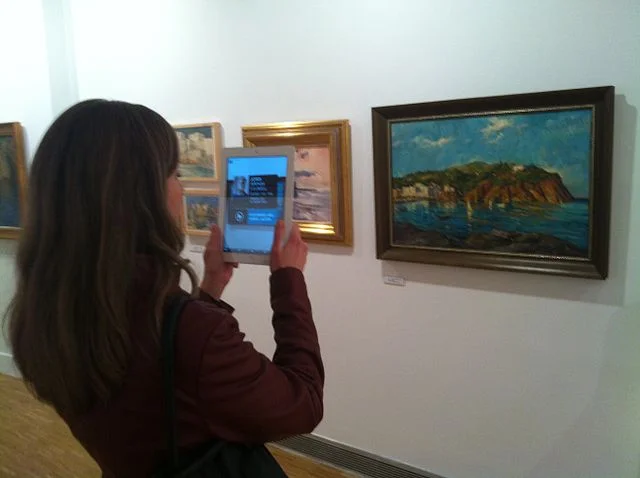
How do you learn best about art? Maybe you lightly browse, interact with friends, or get right in the middle of the action. There are multiple ways to engage with and explore art forms, however cultural institutions may not always program to meet these needs.
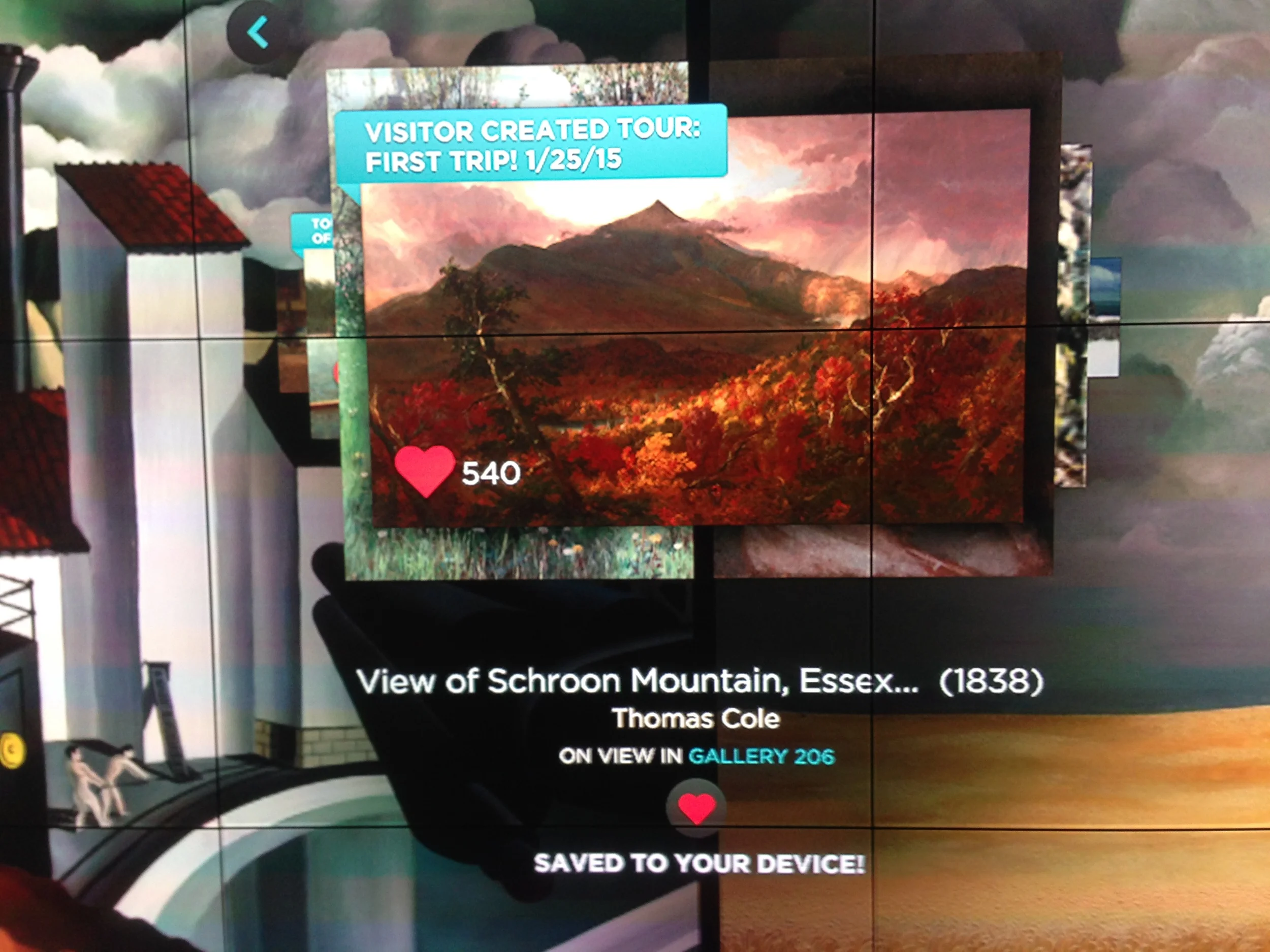
The Cleveland Museum of Art's Gallery One activities, on the other hand, were designed with people's learning needs and preferences in mind. In this article I apply WolfBrown's Making Sense of Audience Engagement Audience Typologies to the different initiatives to see how learners can interact with the the Art Lens App, Collection Wall, Interactives, and Studio Play at the CMA.
To understand why arts organizations have struggled to capture funds from tech billionaires, arts managers and development professionals would do well to recognize what philanthropic sectors they are losing these dollars to, and why. Armed with these insights, arts professionals can then adjust their strategies to better appeal to this new and growing donor segment.
Moving the conversation around public education from STEM (Science, Technology, Engineering, and Math) to STEAM (Science, Technology, Engineering, Arts, and Math) has long beleaguered arts managers and arts educators alike. Defending the argument for arts programming and arts education can be difficult in the face of shrinking school budgets and a highly competitive grant environment. Particularly in a country that increasingly favors the hard sciences above the humanities, cultural pursuits, and artistic studies. Despite gains at the federal level with the new core arts standards, the STEAM caucus, and the first budget increase for the National Endowment for the Arts in years, it is still easy to feel defeated. The question remains, what can arts leaders and community organizers do at the local level to push the conversation in a positive direction?
If you told the average San Francisco resident 40 years ago that the art scene in the Bay Area would be gasping for life in 2015, they probably would have laughed in your face. But it is 2015, and that is the reality we are facing. The tech giants have moved in, and tension is building between the Silicon Valley community and its non-profit entities. In particular, arts organizations seem to be at an extreme disadvantage for a few reasons:
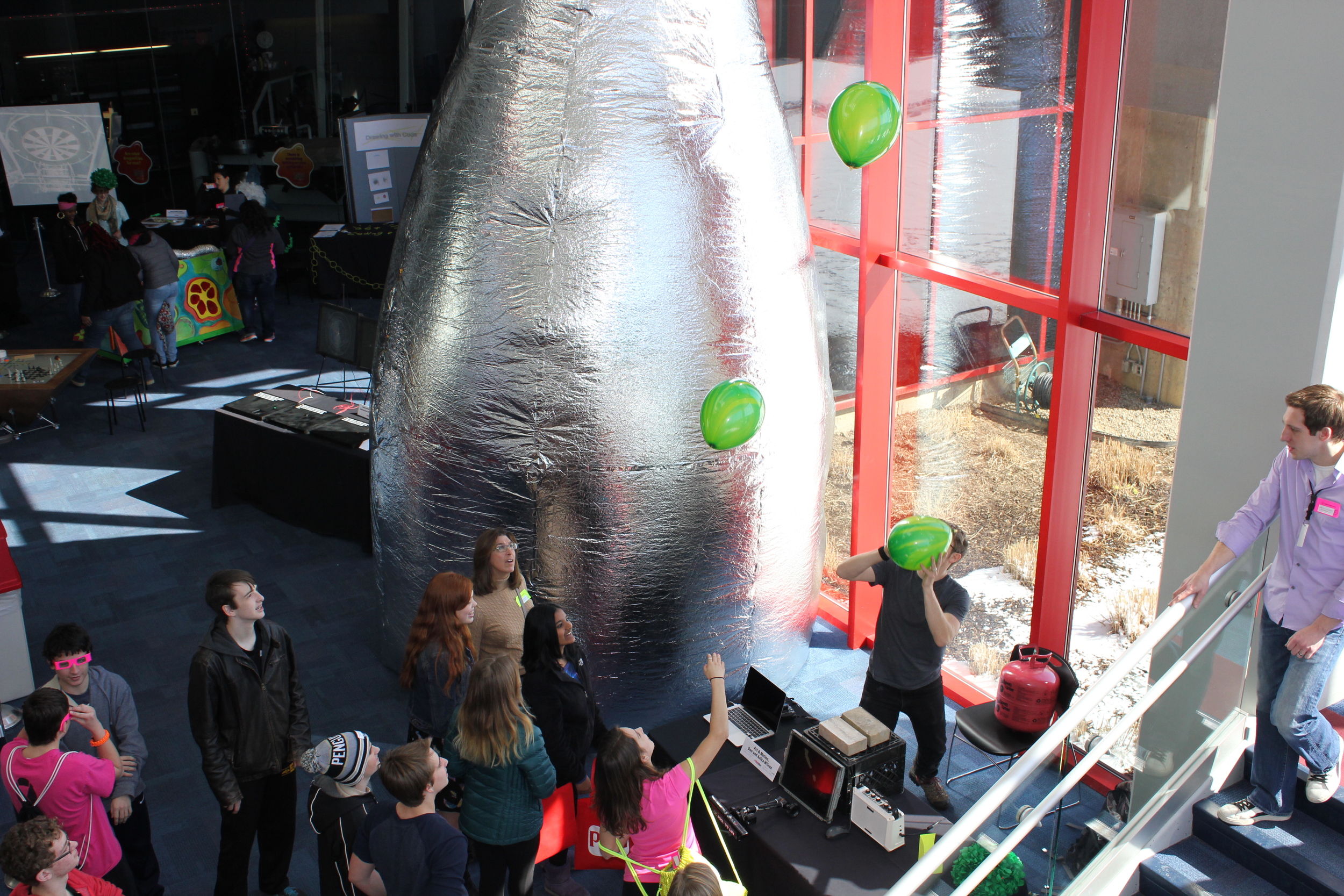
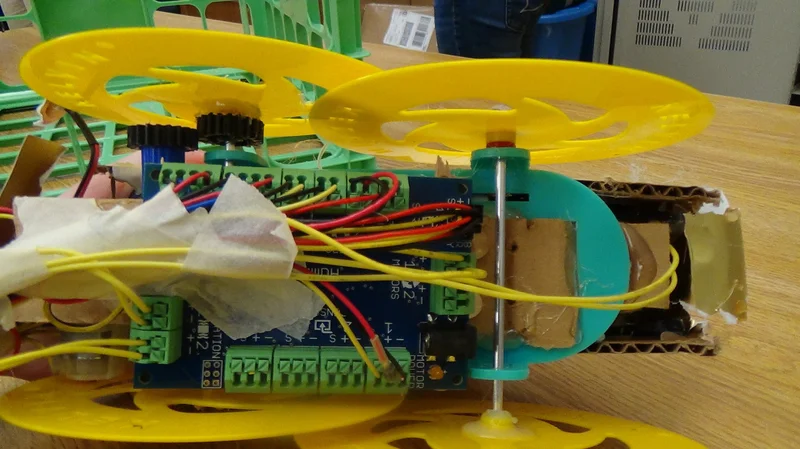
CREATE Lab creates multi-disciplinary learning experiences that allow communities to become technologically fluent. CREATE Lab’s novel combinations of visual arts and technologies provide a wealth of new potential tools to arts administrators and their organization. This article will introduce a few of the exciting projects that CREATE Lab is already testing in the Pittsburgh community, as well as access points for administrators and educators who are interested in implementing them.