
Artificial Intelligence

July News: Arts Leaders Face Big Questions on AI and Privacy

July News: Arts Leaders Face Big Questions on AI and Privacy

How can AI and blockchain play a functional role in arts and cultural organizations? At Christie’s 8th Annual Art + Tech Summit, top arts leaders gathered to address this question and more. While companies race to integrate the latest technology, uses may not align with consumer demand or practical need. With eyes on the creative industry’s next steps, companies must consider ethics of the AI tools they implement. For Disney, this resulted in a “hacktivist” cyber attack, leaking more than 1 TB of company data in protest of AI artwork policies. Meanwhile, individuals must take more responsibility in protecting their own data privacy as Google Chrome once again takes back promise to eliminate third-party cookies. Read more about this month’s news below.
Survey Results: Audiences and Generative AI and the Comic Book Industry

Survey Results: Audiences and Generative AI and the Comic Book Industry

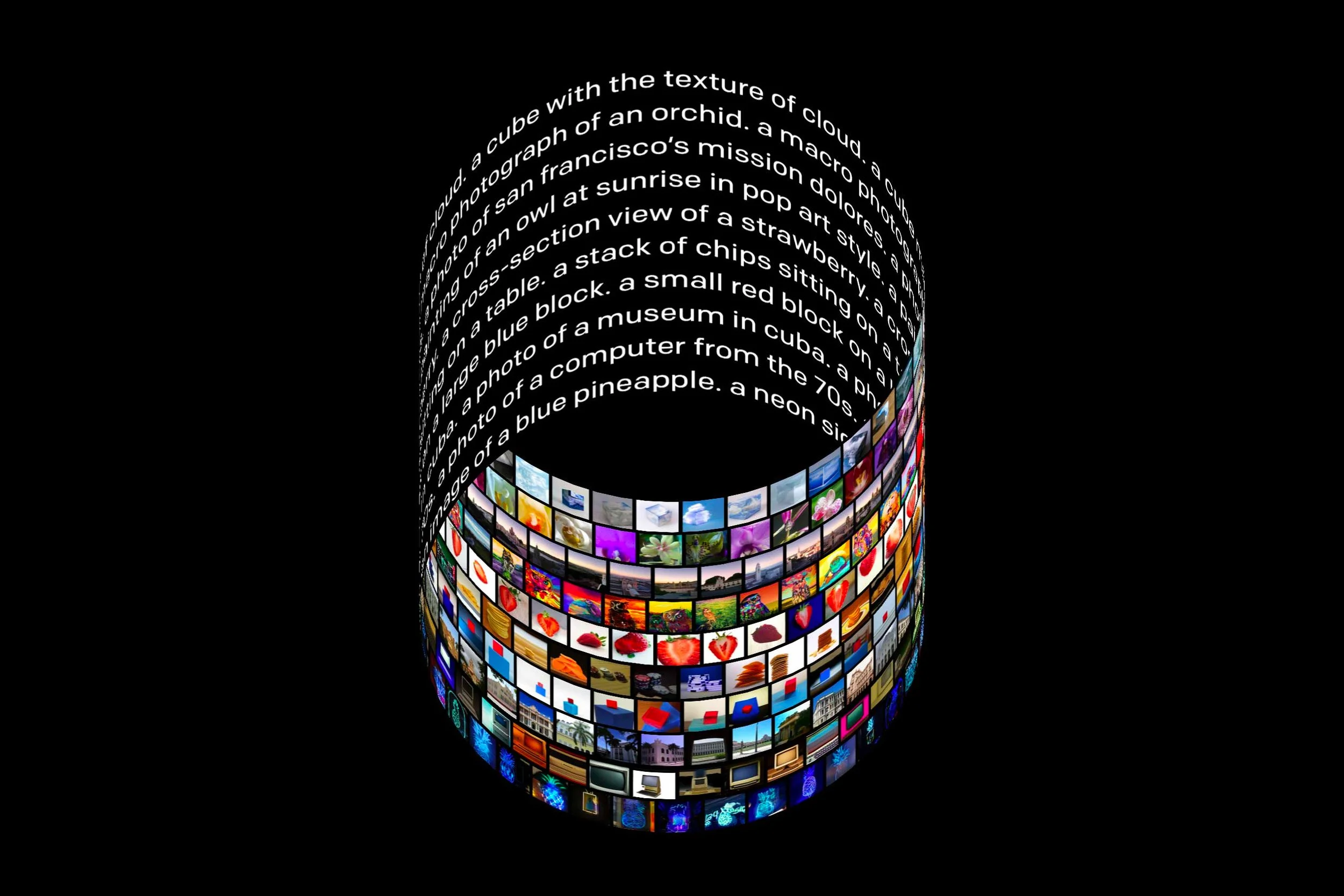
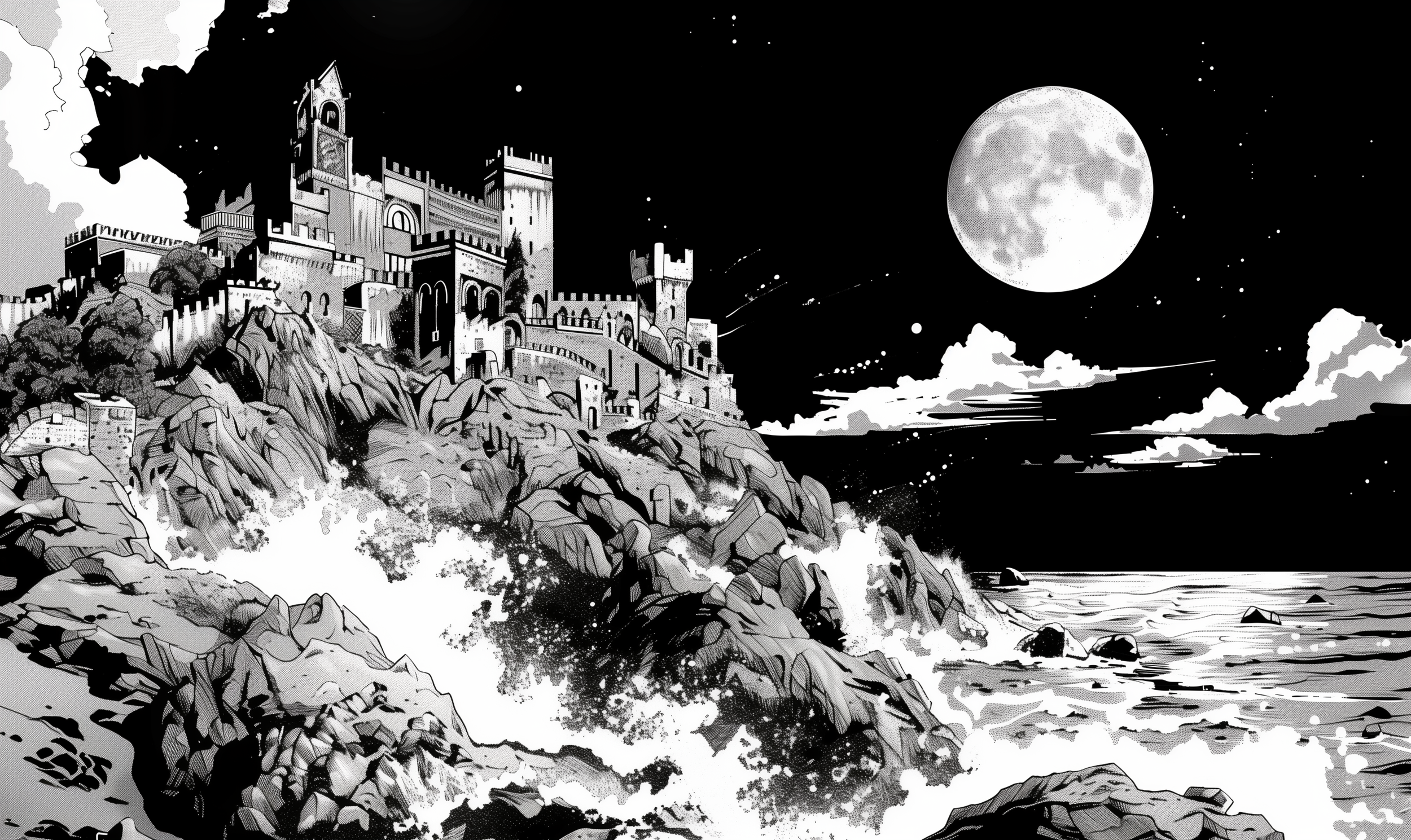
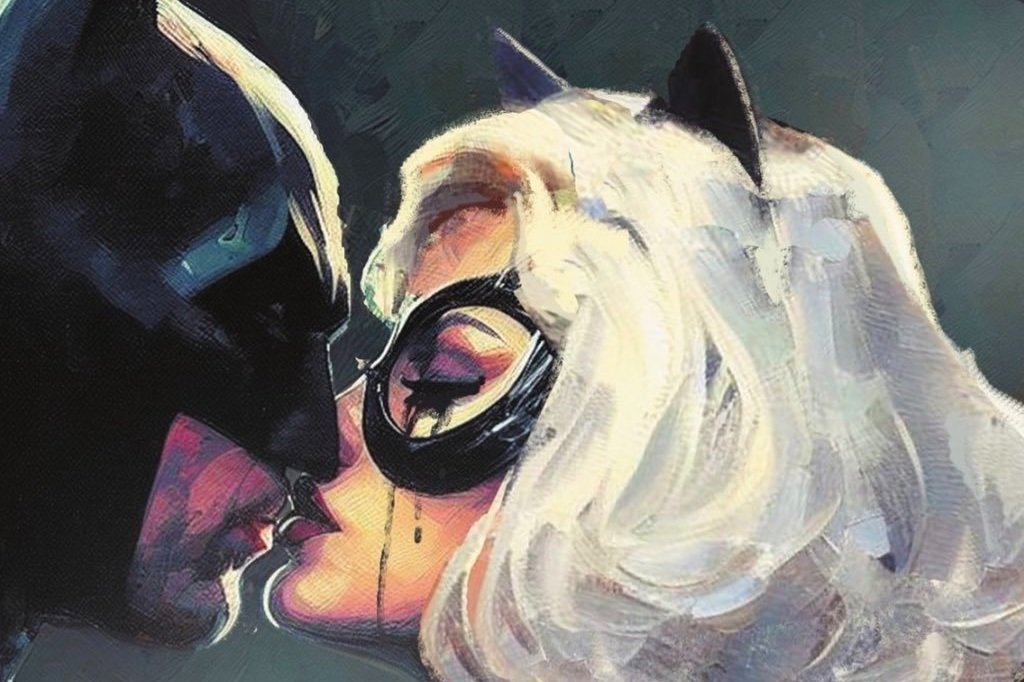
Studies focused on the “artistic” aspects of generative AI reveal negative bias, and a preference for human creations. None of these studies, however, account for the multimodality of comic books: text and image. Is a human-written story a mitigating factor for readers? Is it feasible for writers to become “AI comic book artists" or will consumers drive AI imagery out of the market altogether? Given the multitude of information making it difficult to discern how comic book consumers perceive AI imagery, the following provides first-person research by generating an AI comic and conducting a survey on unsuspecting comic book customers. 

Generative AI Text-to-Image: Artist, Audience and the Comic Book Industry

 Generative AI Text-to-Image: Artist, Audience and the Comic Book Industry

As little as ten years ago, the capabilities of image generators were mere fantasy. Now, images can be made in seconds or minutes and children’s books can be generated in an hour, but how will this impact an industry where the art is at the forefront of consumers' minds? Comics, whether they be digital or print, have been heavily dependent on individual or small groups of artists to weave together stories. The ease of using AI to replicate that work may not be simple.

June News: Artists Take a Stand on AI

June News: Artists Take a Stand on AI

This month, it’s hard to find a headline that doesn’t mention “AI.” For artists and arts managers, it can now be integrated in every aspect of our work - from creation, to promotion, and general administration. Even your iPhone may soon have AI features integrating messages, calendar, photos, and other personal content. In both music and visual spaces, artists are finding ways to push back on unethical use – while some take legal action, others call for change through the spaces they share their work.

May News: AI, Misinformation, and Cybersecurity

May News: AI, Misinformation, and Cybersecurity

Once again, AI continues to be front of mind this month. While companies expand AI functionality, artists call for protection of their likeness, and consumers call for accurate information. Meanwhile, cyberattacks evolve, and arts enterprises with high profile clients are challenged to respond. Looking at organizational workflow, popular tools like Canva are expanding to become a “one-stop shop” for design needs.

What Are Museum Professionals Saying About Generative AI for Marketing?

What Are Museum Professionals Saying About Generative AI for Marketing?

The use of generative AI (GenAI) tools is becoming increasingly prevalent in marketing, particularly for smaller organizations or nonprofits seeking innovative ways to engage audiences and improve workflow efficiency. This article dives into data collected through a survey that was sent out to museum professionals in Pittsburgh and Cleveland to better understand how and if they are utilizing generative AI tools in their marketing strategies.

April News: Entertainment Industry Divided on AI Tools

April News: Entertainment Industry Divided on AI Tools

This month, music and film are at the forefront as each battles with the future uses for burgeoning tech. While AI-generated film visuals seem to be coming up short, progress toward realistic AI-generated music is starting to send shockwaves. On the consumer side, music streaming tools are being released to allow more listening experience customization. Across the industry, artists are celebrating ways that some these new tools can enhance their work, while speaking out against potential impacts on jobs, compensation, and creative freedom.

How Generative AI is Impacting Digital Marketing

How Generative AI is Impacting Digital Marketing

Generative AI (GenAI) has become increasingly integrated into marketing and communication careers, and even our daily lives, with the rise of various text-to-image, text-to-video, & text-to-text tools. As digital marketers find new and innovative ways to keep up with the trends, and specifically GenZ in a quick-changing popular culture scene, how are they reacting to the rise of GenAI?

Digital Strategy: Not Optional Anymore

Digital Strategy: Not Optional Anymore

Digital strategy has become a buzzword after the explosion of AI in the last 18 months. Yet, it is not about AI. AI has been the tipping point for organizations and professionals to recognize that they must update or create a digital strategy for success. Digitally-forward arts organizations already have a digital component as part of their strategic plan. Read more to understand the need for technology to be a core component of strategic plans and operations.

An Exploration of VR Success Factors in the Museum Field

An Exploration of VR Success Factors in the Museum Field

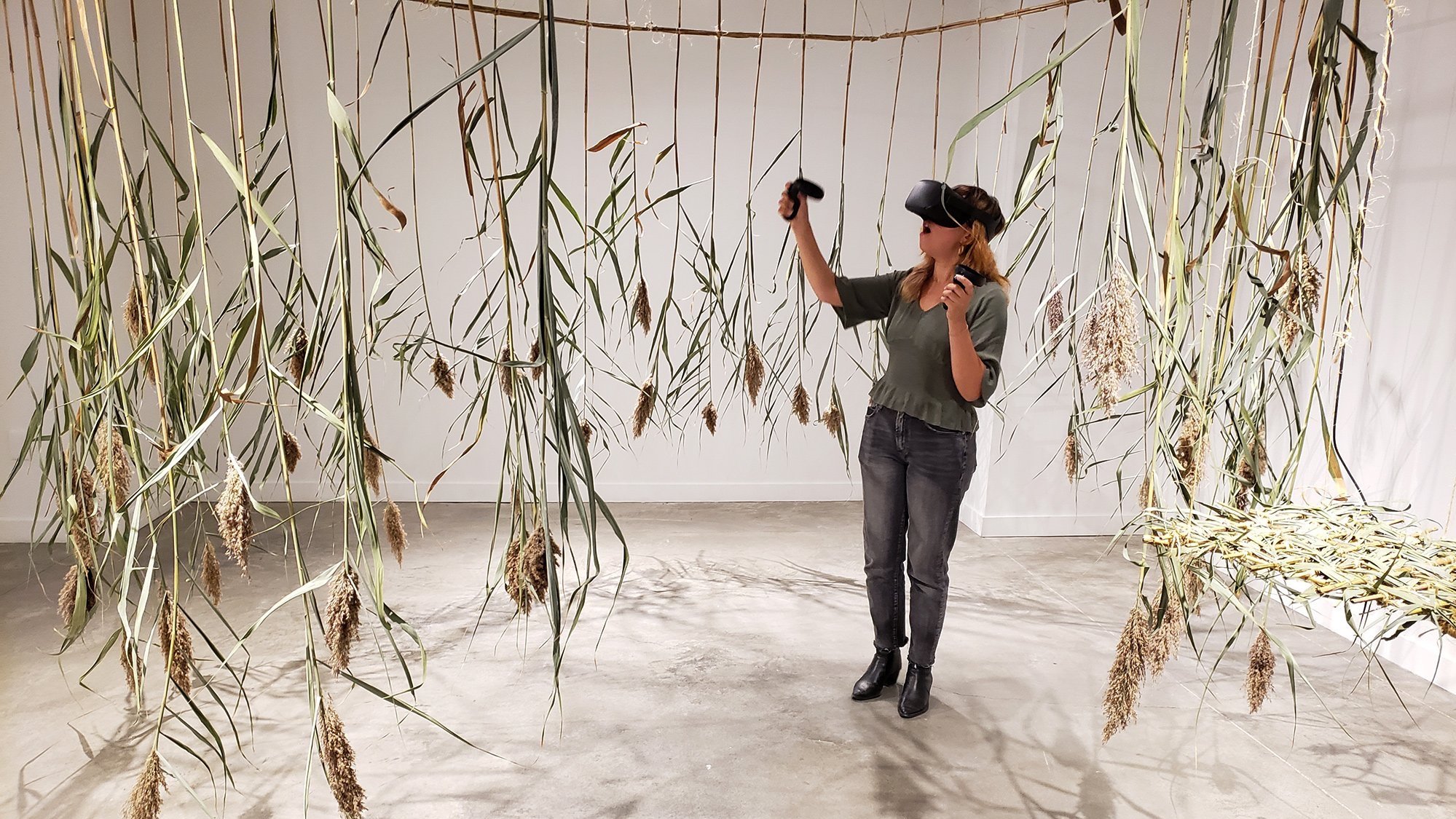
VR exhibitions have been on the rise for the past decade and are a continuous hot topic. Many metrics can be measured and leveraged when it comes to the evaluation of a museum’s exhibition. However, when it comes to leveraging a VR exhibition in a physical museum, what metrics are currently being assessed and valued in the museum field? What are the factors that make or break a VR exhibition? These are the questions that this article aims to address and explore.

VR and the Evolving Role of Curators and Museum Professionals

VR and the Evolving Role of Curators and Museum Professionals

In recent years, virtual reality (VR) has emerged as an engaging tool for museums, offering visitors immersive and interactive experiences that go beyond traditional exhibits. However, while VR promises enriched engagement, museum professionals still face multifaceted challenges. So far, most of the research conducted has focused on how museums utilize VR to attract more visitors and, as a result, raise their revenue. But VR is not only about that. Museum professionals and curators face multiple challenges that include integrating technology, curating content, and maintaining the authenticity and educational value of exhibits while meeting the demands of modern-day audiences. 

AI and Art Auctions

AI and Art Auctions

Although art auctioning is a long-established and time-honoring form of trading, the method and fashion of art auctioning are also challenged and transformed to reflect the needs and trends of each era. In this technology-driven era, specifically in the age of AI, in which all fields of profession and markets are being affected,  the world of art auctions is also being transformed at a rapid speed.  

February News: AI Watermarking, Text-to-Video, Licensing, and Social Media as News

February News: AI Watermarking, Text-to-Video, Licensing, and Social Media as News

February’s news continues to focus on AI with 3 key stories:  OpenAI’s watermark for Dall-E, Sora’s release, and Reddit’s controversial AI licensing deal (with a side note to their plan to go public as a company). Data has also emerged to reveal Facebook’s loss of domination in the news space as Gen Z through Gen X are turning to Instagram and TikTok.  

Chasing Waterfalls: An Early Case Where AI Writes and Performs in an Opera

Chasing Waterfalls: An Early Case Where AI Writes and Performs in an Opera

The following case study analyzes an opera, Chasing Waterfalls. The opera, which premiered in Dresden, Germany on September 3, 2022, challenged traditional opera expectations by bringing a different way to integrate technology into the opera space. Chasing Waterfalls utilizes Artificial Intelligence (AI) software to write, compose, and perform its own aria live within the show.

January News: Ethics, Entertainment, & Sustainability

January News: Ethics, Entertainment, & Sustainability

Emerging tech is growing in leaps and bounds in the first month of 2024, with headline advances in AI, cryptocurrency, and VR. Conversation around AI ethics continues, and young advocates take the lead in promoting a positive AI future. Meanwhile, Apple Vision Pro launches for pre-sale, partnering with entertainment leaders like Amazon Prime and Disney+ to spark demand for the product. For those interested in cryptocurrency and blockchain, the SEC approved bitcoin ETFs, and more than $4 billion was exchanged on the first day of trading. Additionally, privacy concerns push Google Chrome to phase out third-party cookies by the end of 2024, though advertisers worry about Chrome's hold on the market. And, while blockchain is known for being less-than sustainable, Artists are considering the environmental impact of their work, and exploring regenerative materials in their practice - from fine art to set design. 

How AI is Leading the Textile Industry to a New Lease on Life?

How AI is Leading the Textile Industry to a New Lease on Life?

Artificial Intelligence (AI) has evolved from a concept in science fiction to an essential component of everyday life. With the AI software market expected to surpass well over $200 billion, its extensive impact is unmistakable. This article will delve into the deep relationship between AI and the textile industry, highlighting how AI is transforming this age-old craft in line with the sector’s rapid growth.

In What Ways is AI Disrupting the Dance Industry?

In What Ways is AI Disrupting the Dance Industry?

In the realm of dance, AI has revolutionized training, choreography, and performance. This article explores AI’s impact on the dance industry, and its potential to enhance accessibility, not only for dance but for performing arts at large.

AI-Generated Images: Can We Even Trust Photography Anymore?

AI-Generated Images: Can We Even Trust Photography Anymore?

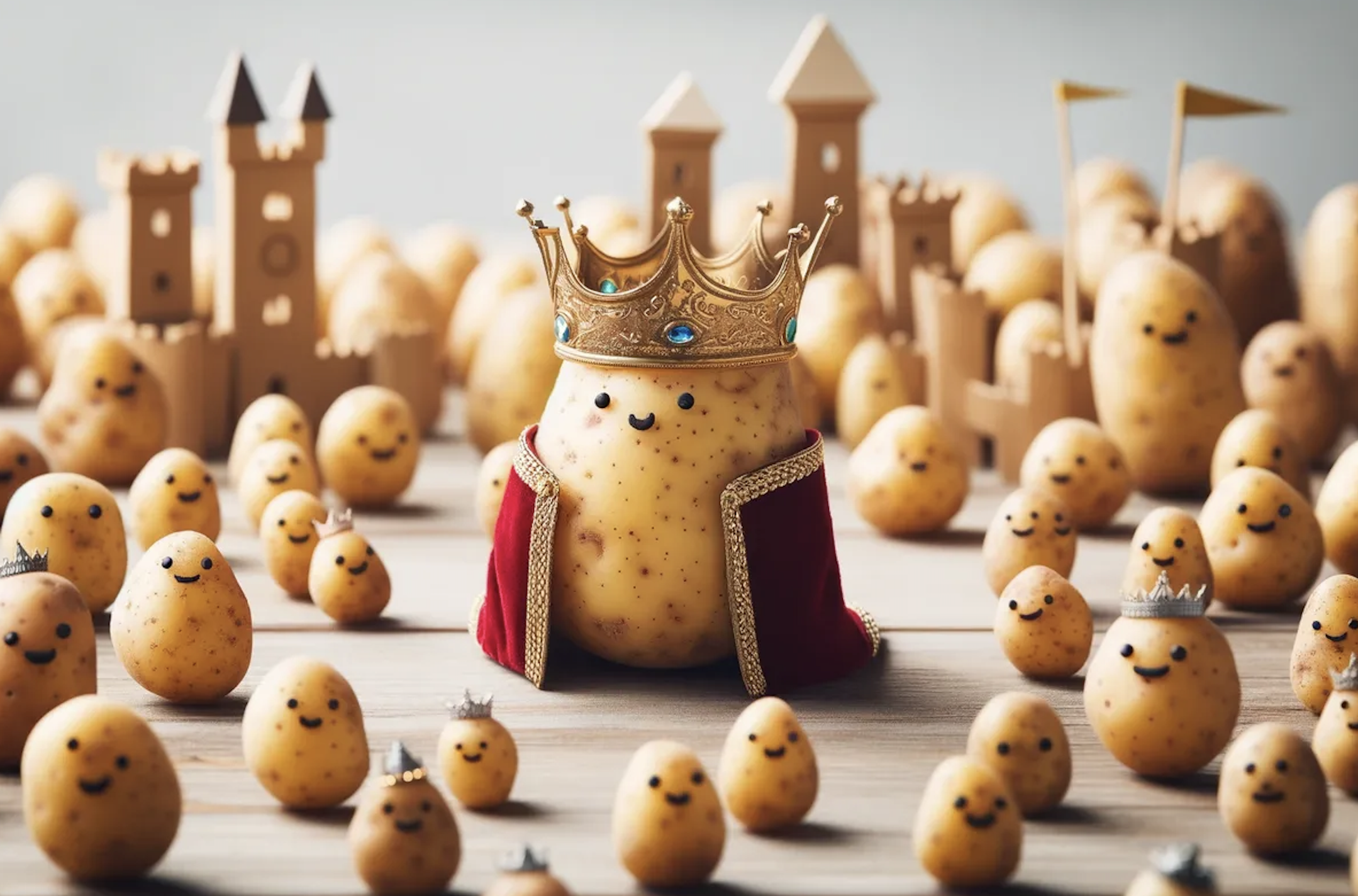
The latest innovations in Generative AI raise some challenging questions: Are people able to distinguish between an AI-generated image and one captured with a camera? What impact will this have on their confidence in photography as a medium of visual storytelling?

AI as a Support for Curatorial Practice in Museums

AI as a Support for Curatorial Practice in Museums

The merging of artificial intelligence (AI), big data, and human cognitive systems has catalyzed a profound digital transformation of our lifestyles and production methods. This shift is particularly noticeable in the art field, where the integration of AI has sparked innovative ideas and prompted new assessments of traditional practices. Art museums are investigating the potential of AI in collection management, improving visitor experiences, and ticketing attendance data. Of these, the field of art curation is one that is undergoing an evolution.

Evolving Applications of AI and VR in Art Conservation, Preservation, and Reconstruction

Evolving Applications of AI and VR in Art Conservation, Preservation, and Reconstruction

The field of art conservation has long been a community of highly specialized and skilled professionals, often whom have dedicated hundreds of hours to understanding meticulous processes and materials. They are entrusted by institutions and the public to preserve and protect pieces of culture and history- works which often occupy fragile and delicate states for the remainder of their existence. Many of these pieces have lived long periods of time, having witnessed conflict, cultural changes, and geopolitical events over the course of history.