

Check out the articles from AMT Lab in the past few years that have covered artificial intelligence.

In this month’s edition of Byte-Sized Culture, lead researcher Julia Srnec writes about the impacts of AI on search discoverability, UNESCO and ICOM’s findings from their latest survey, Global Survey on the Use of Artificial Intelligence in Museums, and how advancement in animatronics is changing immersive entertainment experiences.
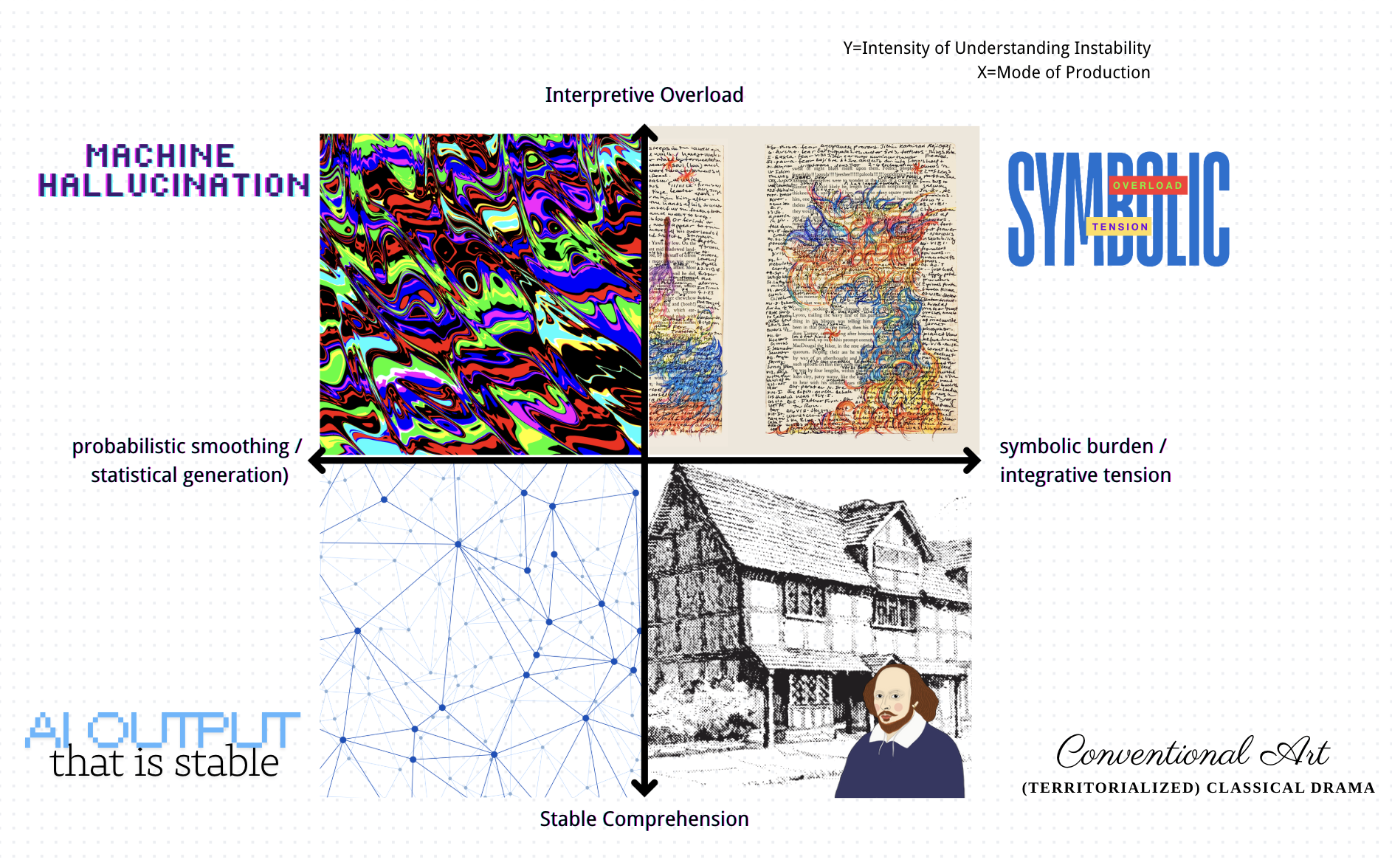
Former AMT Lab Chief Editor of Research Ziqi Xiang explores how hallucination and understanding in the age of artificial intelligence (AI) impacts artistic creation and the value of art. He shares his preliminary modeling of this thought-provoking academic problem.
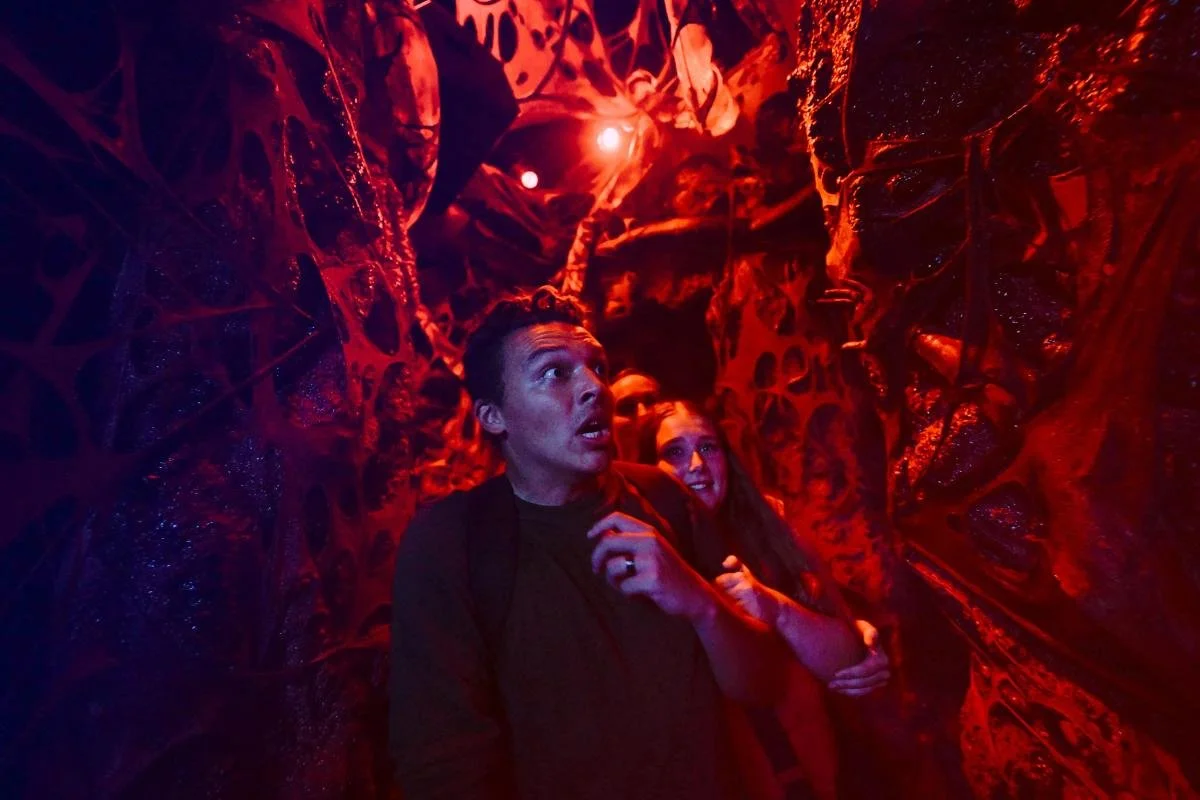
In Part 1, our research team examined the history immersive entertainment industry in the United States, and current challenges facing immersive experience creators. Part II dives into the results of our online survey and findings based on interviews with industry experts. To gain insights into the audience perspective, an online survey was launched on January 17, 2026, examining overall engagement with immersive entertainment. The survey revealed a thematic overlap between immersive audiences and traditional entertainment preferences. Ultimately, a “one-model-fits-all” approach to immersive entertainment would be limiting, and our research supports the need for a fourth model called the Immersive Plaza.
There has been a growing trend of large, spectacular straight play productions based on popular intellectual property. IP-based theatre is a way for corporations to super-serve fans in a way that keeps them coming back to the original material. IP-based theatre productions, like Harry Potter and the Cursed Child, Stranger Things: The First Shadow, and The Hunger Games: On Stage, use spectacle to encourage fans to buy tickets.
The immersive entertainment industry is rapidly expanding, with a projected market growth from $133.6 billion in 2024 to $473.9 billion by 2030. Through research conducted on behalf of Gensler, the largest global design and architecture firm, this study investigates the problems persisting in the immersive entertainment industry, namely the lack of consensus regarding model distinctions, undefined success metrics, and unclear pathways for scaling projects.
Radio Frequency identification technology (RFID) is nothing new, and many museums are already using it for inventory and security of their pieces. If organizations already have the technology, there are boundless opportunities as to how they can use it to increase efficiency and enhance the visitor’s experience. But how does this new technology work?
Connecting the real and digital worlds, beacons will prove to be excellent pieces not only for marketing and general propaganda about your specific location, but as informational tools in your local museum or performing arts company. Beacons focus on the consumer, the integral part to any organization regardless of industry. So far, beacons are most common in the retail world, but they can easily be transferable into other industries, like the arts. That’s why you’re here today. Beacons could transform your organization, and I’m here to navigate you through this process in an understandable way.
How do you learn best about art? Maybe you lightly browse, interact with friends, or get right in the middle of the action. There are multiple ways to engage with and explore art forms, however cultural institutions may not always program to meet these needs.
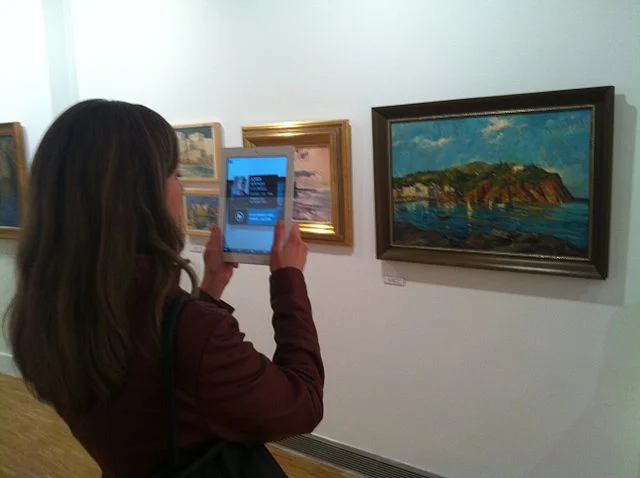
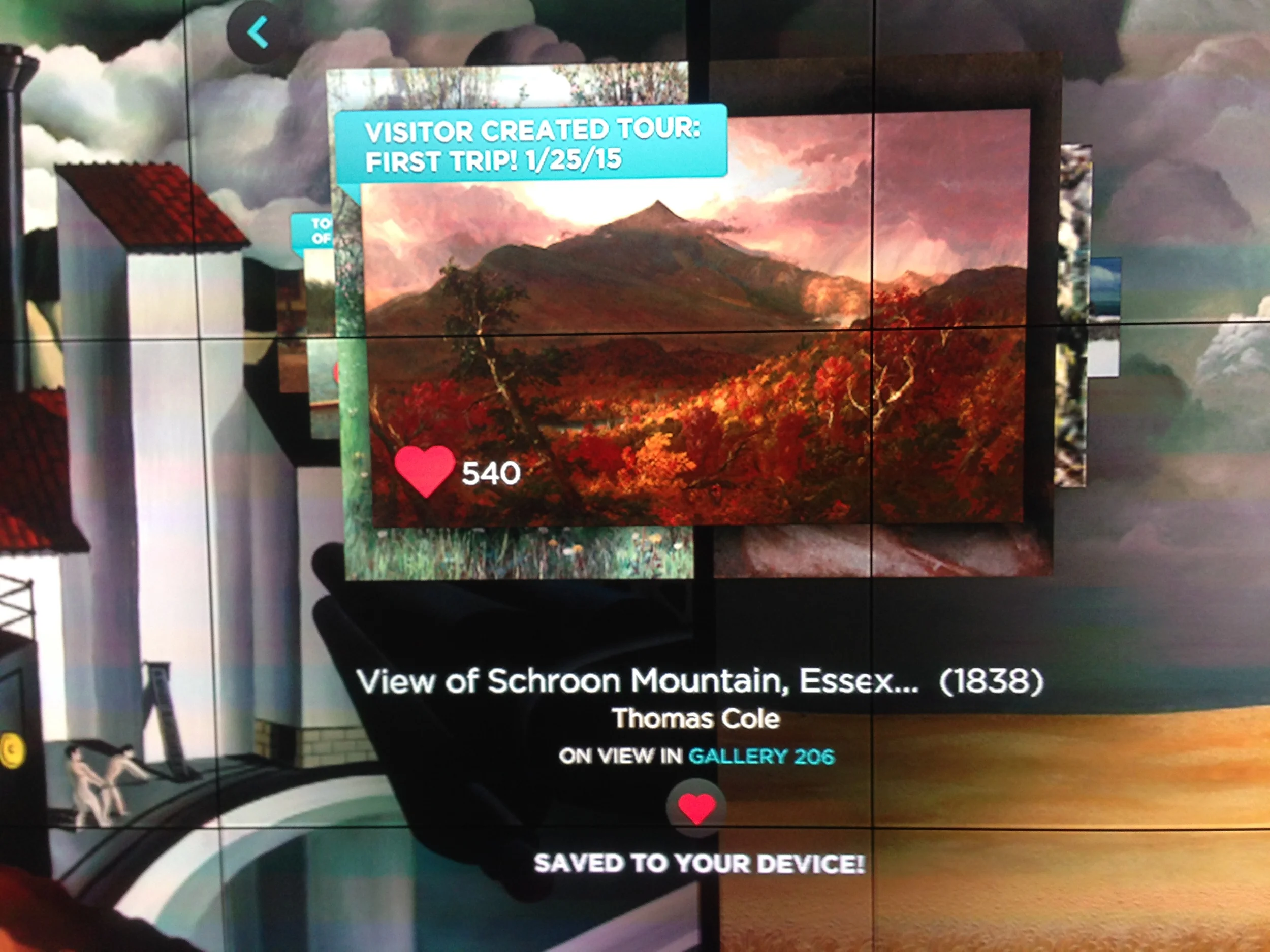
The Cleveland Museum of Art's Gallery One activities, on the other hand, were designed with people's learning needs and preferences in mind. In this article I apply WolfBrown's Making Sense of Audience Engagement Audience Typologies to the different initiatives to see how learners can interact with the the Art Lens App, Collection Wall, Interactives, and Studio Play at the CMA.