


Research Update: Security and the Cloud

Research Update: Security and the Cloud

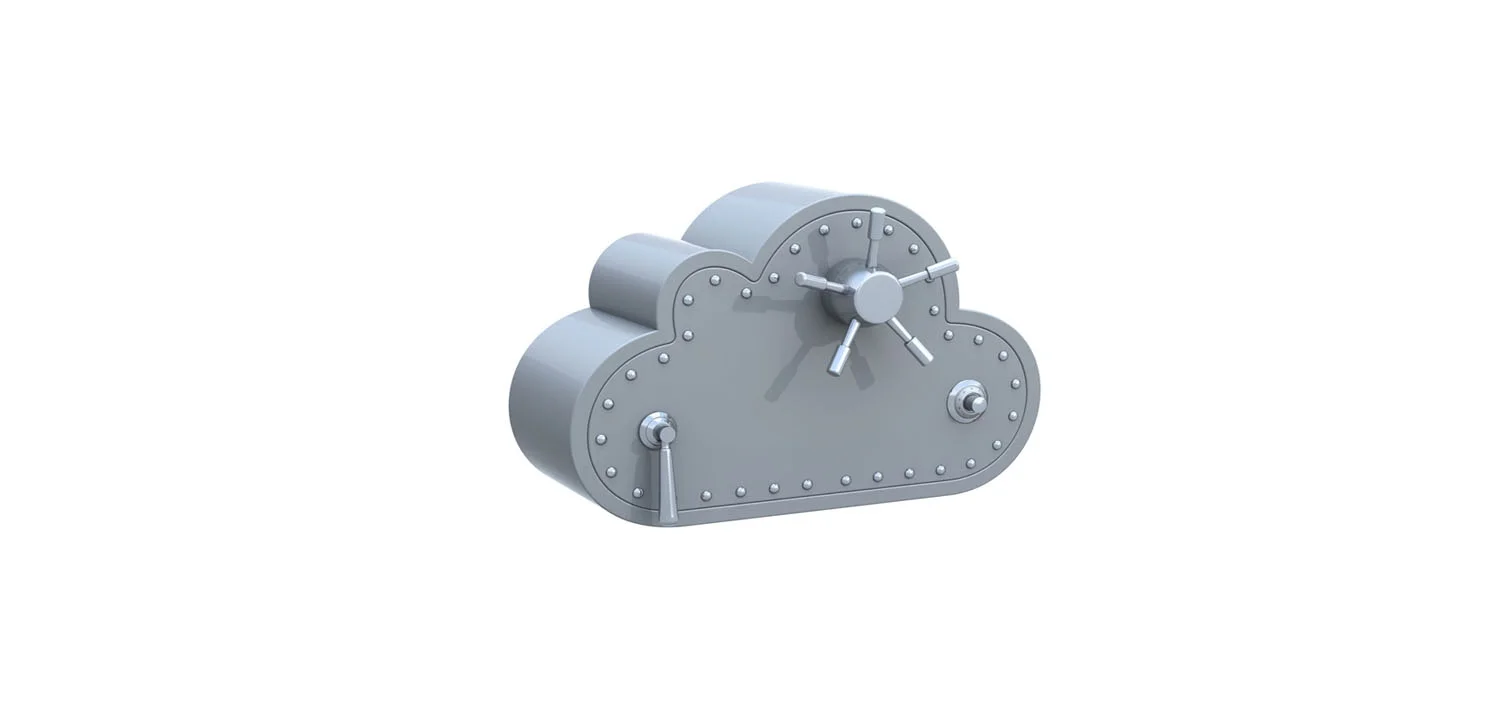
When it comes to the cloud, security is a widespread concern across sectors. According to a recent survey, conducted by Lockheed Martin and the Cyber Security Alliance, security was listed as the top concern by Government IT decision makers, despite overall increasing adoption of cloud technology. Security is a multifaceted issue, ranging from the above example concerning what rights are retained when information is uploaded to the cloud, to more classical issues involving data theft. The basic fact is that when organizations take their data into the cloud they are ceding day-to-day control of that data. Though they can access it and share it at will, they typically will have no idea in which physical datacenter, or even in which country, their files are currently stored. Users must rely on the provider to not just manage their data responsibly, and to prevent loss of their data through hardware failure, but to keep their data encrypted and inaccessible to unauthorized users.
Attracting New Crowds

Attracting New Crowds

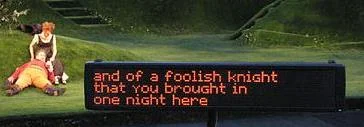
An ongoing concern of performing arts managers is the impact of arts participation and engagement programs on creating new audiences. Specifically, arts organizations are concerned as to whether or not their efforts elicit new patrons to attend  performances regularly. Concerns exist in particular about the overall impact of engagement programs like simulcasts, wondering if a new audience members are attending these events at all, or if the events are drawing the same group of people that come to staged performances. Furthermore, a growing discomfort exists that opera simulcasts might actually be “cannibalizing sales,” or in other words, reducing ticket sales at live opera performances.

Research Update: Using Spatial Data to Advance our Programming Missions – Where will I get the data?

Research Update: Using Spatial Data to Advance our Programming Missions – Where will I get the data?

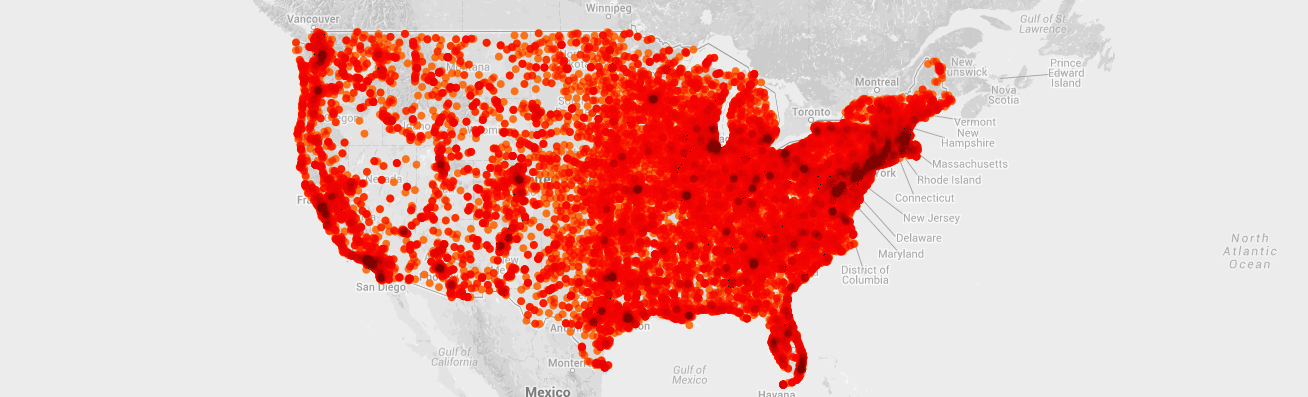
As I continued to research how arts organizations can use spatial data to advance their programming missions, and looked at the volume of data already available, numerous scenarios come to mind. Spatial data can be used to evaluate a traveling exhibition proposal or a public art site, develop a grant-making or educational program, or identify potential partnerships.


A Virtual Orchestra

A Virtual Orchestra

The Australian Chamber Orchestra (ACO) has teamed up with Sydney digital media company Mod Productions to produce a new interactive “virtual orchestra” that is breaking down audience barriers in the music world. The resulting audio-visual installation, “ACO Virtual,” has created the means to bring the Orchestra outside the concert hall and into spaces where the ACO may not perform.

Research Update #2: Creating Online Audiences for Orchestras

Research Update #2: Creating Online Audiences for Orchestras

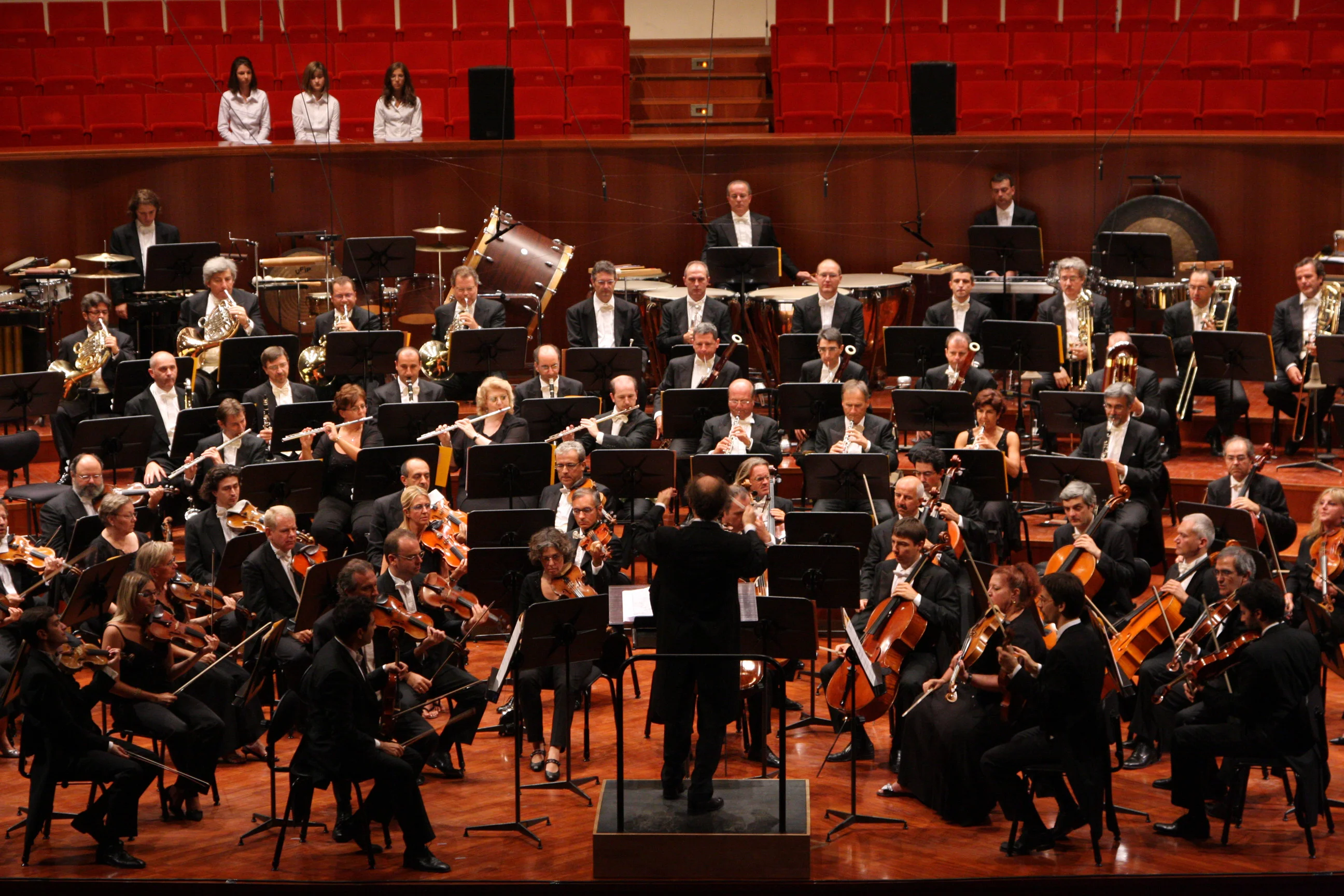
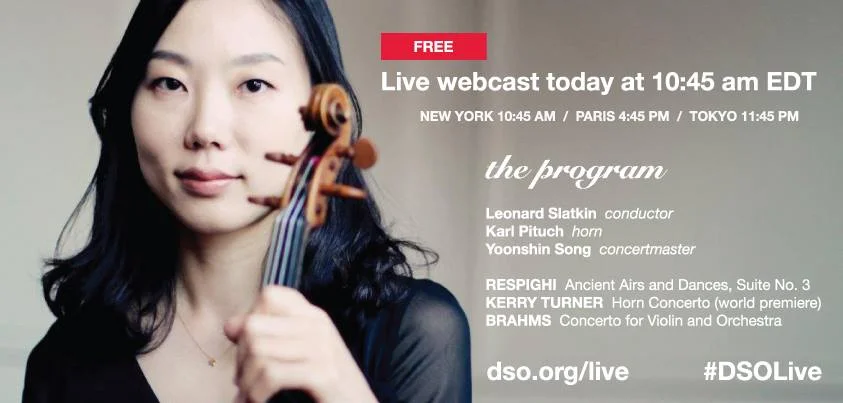
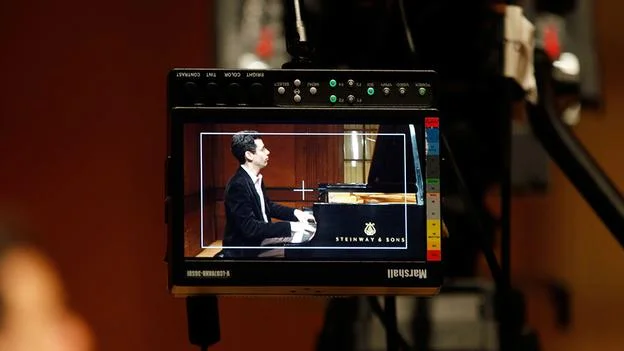
Last month, I introduced the Berlin Philharmonics’ Digital Concert Hall as a best-practice example of creating online audiences by a symphony orchestra. Indeed, we can find orchestras worldwide reaching out for audiences beyond the walls of a traditional concert hall. So let us inspect three of these orchestras—the Detroit Symphony Orchestra, the Sydney Symphony Orchestra, and the Philharmonia Orchestra (UK)—and have a closer look at some of the tools they use, how these tools are being implemented, and the resulting opportunities they create.


Research Update: Is IaaS Right for Everyone?

Research Update: Is IaaS Right for Everyone?

Last month I gave a general overview of the wide variety of services that fall under the umbrella of “the cloud.” Since then I’ve focused on Infrastructure as a Service, or IaaS, one of the three major cloud subcategories and a topic that can be rather intimidating, due to the plethora of technical specifications providers use to distinguish themselves from the competition.  Looming larger than the question of which specific provider to use—a topic well-covered by many expert reviewers—is the question of whether undertaking a transition from a more traditional server infrastructure to an IaaS model is a good idea for arts organizations, especially when it comes to small organizations with limited resources.

Research Update: Using Spatial Data to Advance our Programming Missions

Research Update: Using Spatial Data to Advance our Programming Missions

Using data to design marketing campaigns is great. Using data as an accountability tool to report back to our funders is also great. Even if we’re not leveraging it to its full potential, most of us would agree on the last two statements. It’s when we start talking about incorporating data-driven-decision making to our programming that things start to get complicated.

Research Update: From Simulcast Audience To Live Audience

Research Update: From Simulcast Audience To Live Audience

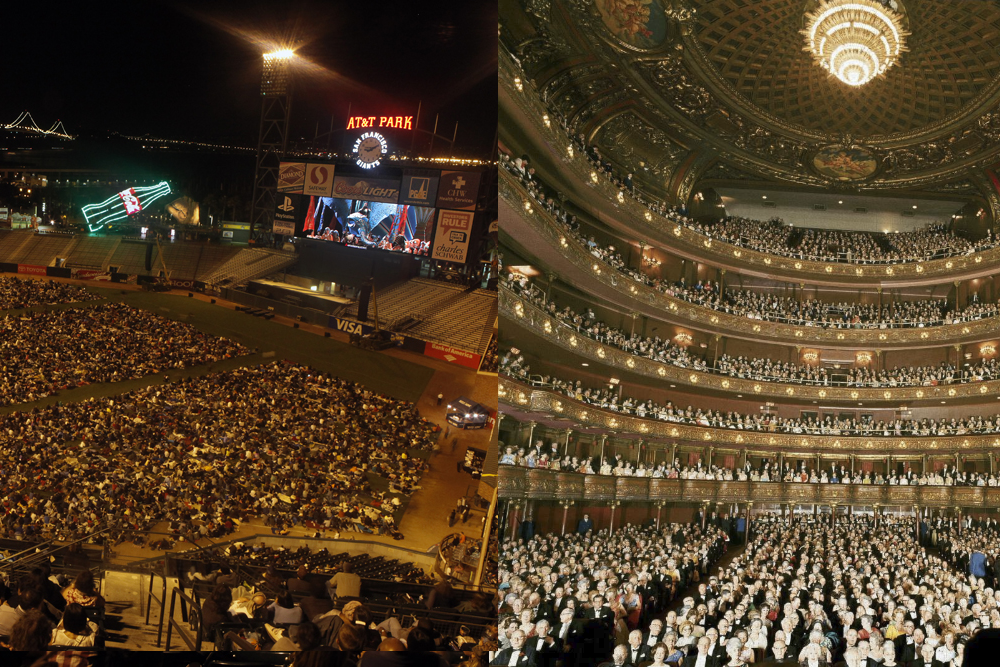
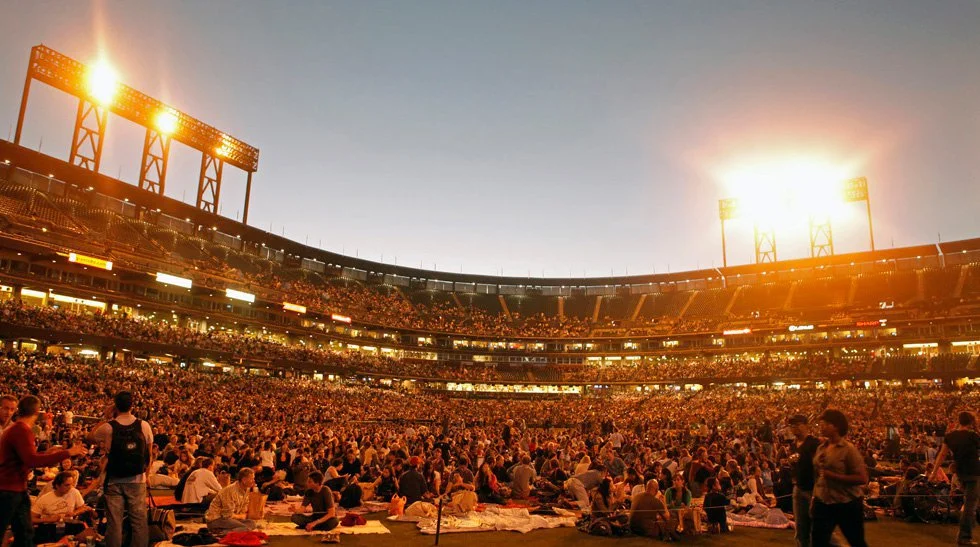
San Francisco Opera's (SFO) general director David Gockley came to the company in 2006, bringing with him the legacy of free "plazacasts" that he had done at the Houston Grand Opera, his former home. During his first year at the San Francisco Opera, 8,000 people turned up at Civic Center Plaza near the Opera’s home at War Memorial Opera House to watch a simulcast of Puccini's Madama Butterfly. However, Gockley was concerned that there was no method of tracking the conversion of simulcast attendees to ticket buyers, so at the suggestion of a staff member, the simulcasts were moved to the AT&T ballpark.

Research Update: Making Data-Driven Decisions

Research Update: Making Data-Driven Decisions

In 2012, NTEN partnered with Idealware to gauge the use of data by nonprofit organizations. Among arts organizations, only 26% reported that their decision-making processes are generally informed by data. What metrics are relevant for each department to make smart business decisions, whether they be about marketing or ticketing or development? How does an arts organization decide what metrics to use and why?

Research Update: Effective Uses of Social Media Management Software

Research Update: Effective Uses of Social Media Management Software

Harvard Business Review found that 43% of companies that use (or are planning to use) social media believe they are using it ineffectively. Do those companies think social media is a passing fad? Or, do they just not know what to do with it? When implementing a social media plan, several questions arise: Who will update it? When will they update it?  How will we keep track of our company’s reputation on a medium that never sleeps?

Research Update: Instituting Technological Change

Research Update: Instituting Technological Change

Susie has just accepted a job at an arts organization that she has always admired. But on her first day of work, Susie notices that things seem a little off. She is already trained to use their CRM system, a major reason she was hired, but many of the features that distinguish this system are not being utilized at all. Moreover, she realizes that many constituents have multiple accounts within the system, limiting the CRM system’s ability to integrate in the first place. How can Susie change the technological behavior of the organization she now finds herself in, let alone that of her boss, so that it operates more efficiently and is better able to carry out its mission?

Research Update: What is the Cloud and Why Should My Arts Organization Use It?

Research Update: What is the Cloud and Why Should My Arts Organization Use It?

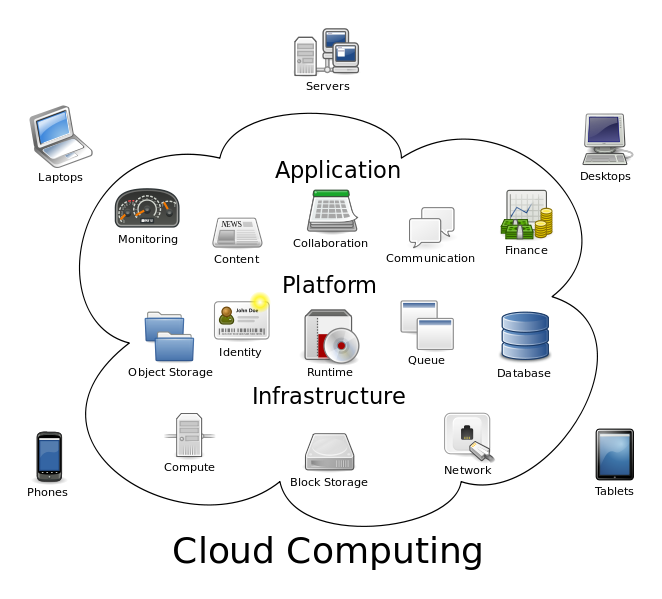
According to a recent report from the Consumer Electronics Association, a stunning 96% of U.S. adults use cloud services. However 36% of those surveyed couldn’t define the cloud, and only 19% said they “know a lot about the cloud.” Cloud computing has become quietly ubiquitous, and almost everyone has daily interaction with cloud services, even if they don’t know it, in the form of social networks, webmail, and content providers such as Netflix and iTunes.