
With the launch of our new website, we also introduce the AMTLab News Summary, a monthly selection of articles that highlight innovations, challenges and developments in the field of arts management and technology. Enjoy!

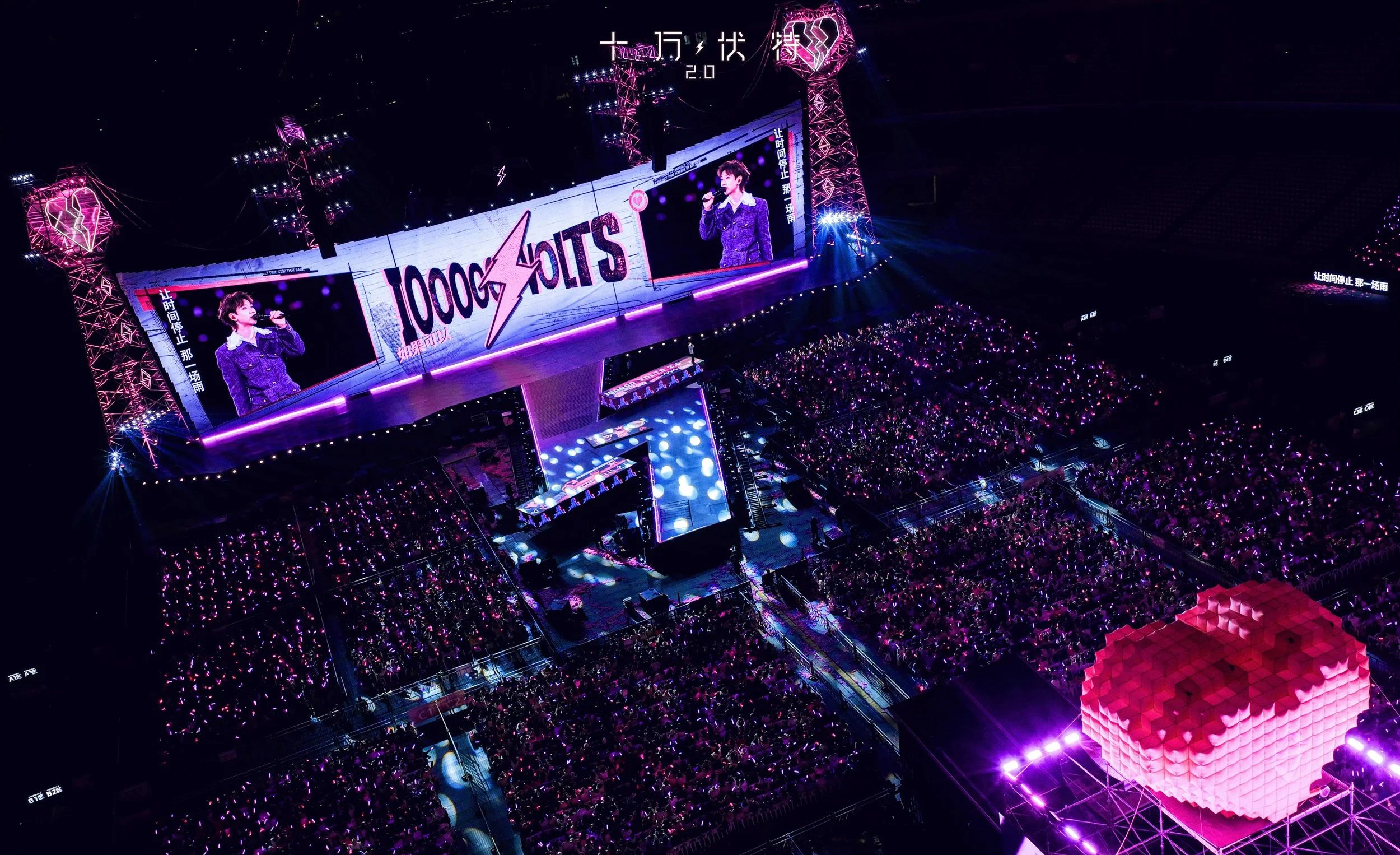
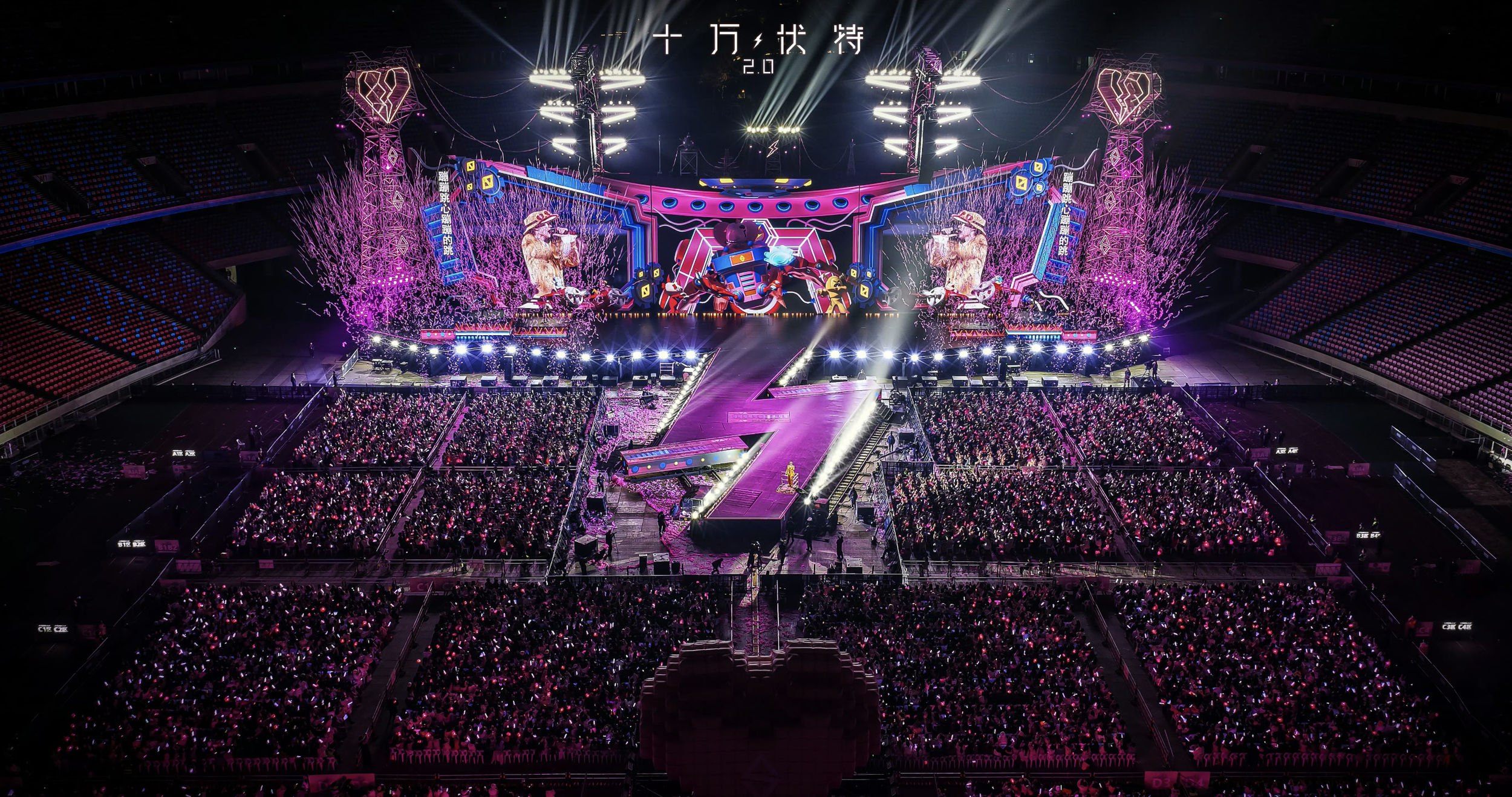
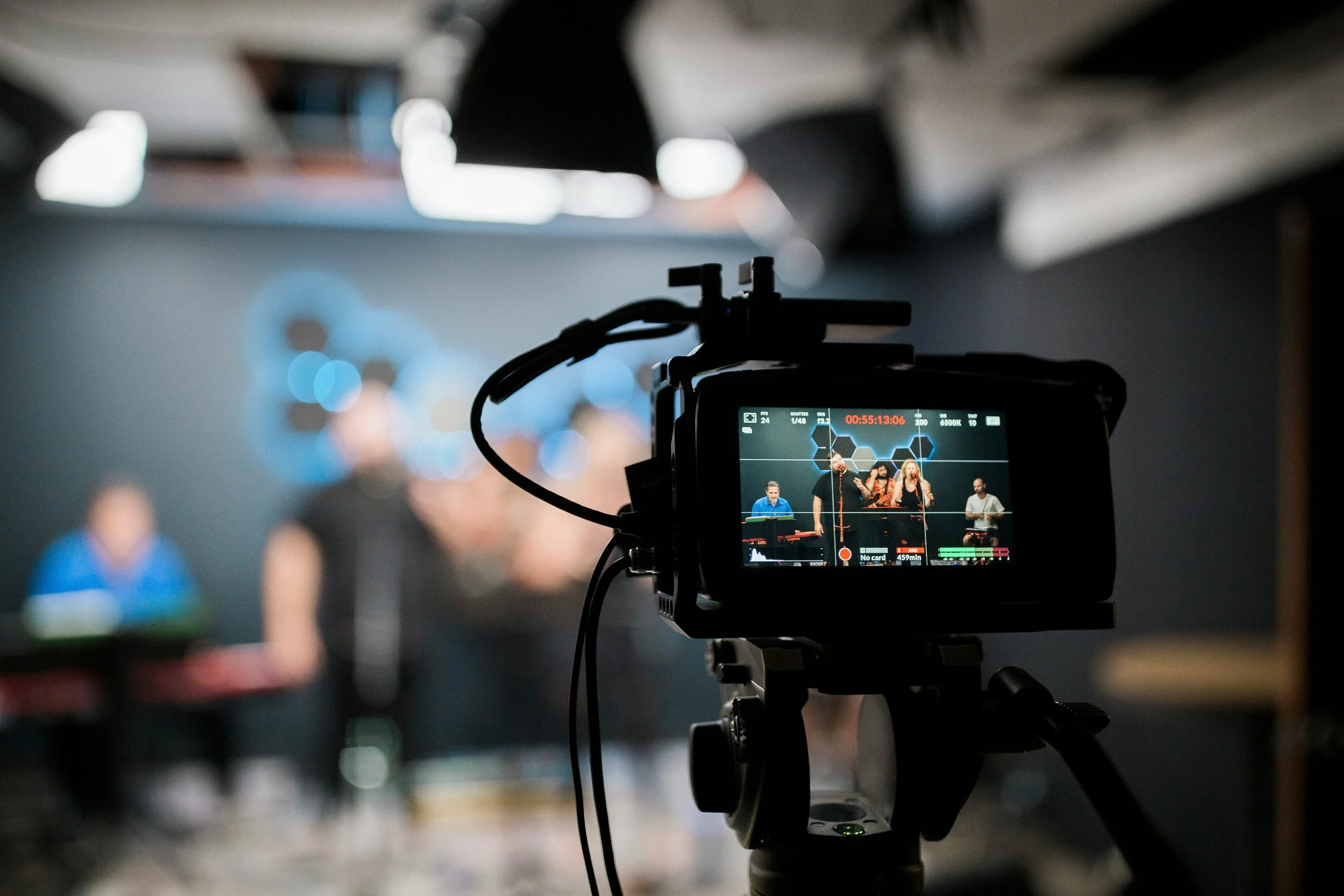
In an earlier article, we explored how live music concerts are evolving beyond mere performances into expansive, immersive storyworlds, using Silence Wang’s One Hundred Thousand Volts tour and its fictional setting of “Romance City” as a pioneering case study. By adapting world-building frameworks traditionally found in film, literature, and gaming—specifically the core principles of invention, completeness, and consistency—Wang transformed his stage into a dynamic socio-ecological system where the audience's emotional participation actively powered the narrative environment. Building upon this foundation of visual and spatial storytelling, this article will delve into the auditory and transmedia expansions of Romance City, examining the strategic role of sound and musical arrangement, the development of one of the world's first XR interactive concert films, and the unique integration of a "Concert Artbook" to deepen audience immersion and IP expansion.
How do you create an audience experience that drives not a one time purchase but a fan for life? Live concerts need to consider creating immersive worlds that engage fans before, during, and after their 2 - 3 hours in the space. This article uses a case study to unpack exactly how to to expand IP and build a world that creates a career sustaining model.
Turn-based games often rely on scripted opponents that are predictable, exploitable, and strategically limited. Through case studies from Final Fantasy X and Pokémon Trading Card Game Live, this article examines how current game AI falls short of creating engaging tactical experiences and explores whether more intelligent, adaptive opponents could improve player enjoyment and game design.
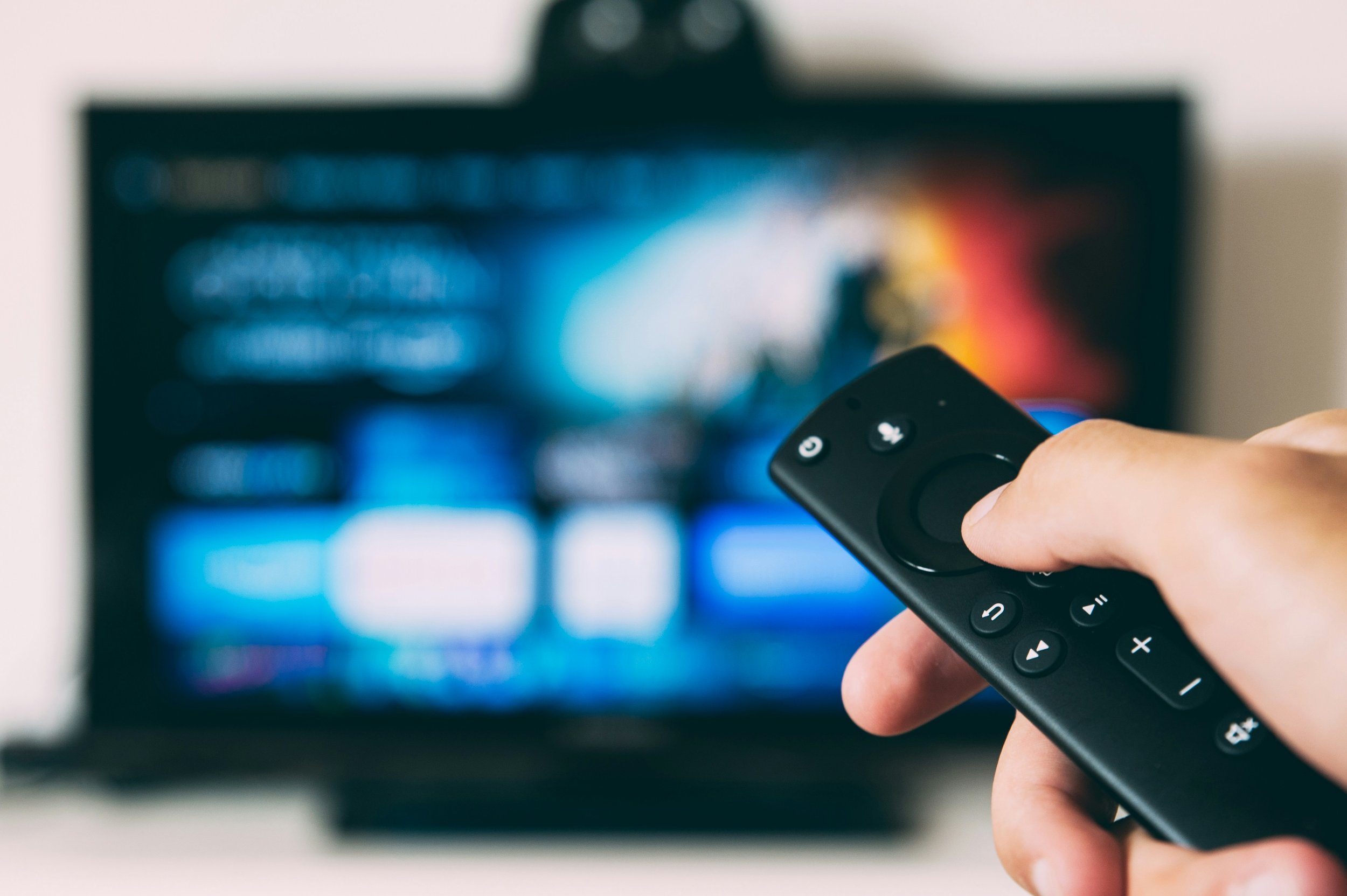
In Part II, this research moves from market context and prior literature to empirical analysis and actionable strategy. While Part I established the streaming landscape, reviewed existing research on Gen Z and millennials’ consuming behavior, Part II presents findings from the online survey and interviews with industry experts. Synthesizing these primary insights with our secondary literature review, we identify what drives and what undermines the subscriber loyalty among 18–34 age group, and conclude with six recommendations for Roku across its SVOD, FAST, and AVOD platform ecosystem.
This study examines what drives loyalty among 18-34 age streaming consumers. The problem we looked to solve through our study is how Roku can better reach older Gen Z (18-24) and younger millennials (25-34) and retain them, beyond an initial one-time acquisition. This is especially relevant in an age where streamers are continually competing with each other and other media companies for the consumer's attention. Part I analyzes the conceptual groundwork for our research, tracing the evolution of the streaming market, reviewing prior literature on Gen Z and millennial viewing habits, and introducing our mixed-methods research approach. Part II of this research will present the empirical findings, industry interview insights, and final analysis and recommendations for Roku.
Harvard Business Review found that 43% of companies that use (or are planning to use) social media believe they are using it ineffectively. Do those companies think social media is a passing fad? Or, do they just not know what to do with it? When implementing a social media plan, several questions arise: Who will update it? When will they update it? How will we keep track of our company’s reputation on a medium that never sleeps?
Susie has just accepted a job at an arts organization that she has always admired. But on her first day of work, Susie notices that things seem a little off. She is already trained to use their CRM system, a major reason she was hired, but many of the features that distinguish this system are not being utilized at all. Moreover, she realizes that many constituents have multiple accounts within the system, limiting the CRM system’s ability to integrate in the first place. How can Susie change the technological behavior of the organization she now finds herself in, let alone that of her boss, so that it operates more efficiently and is better able to carry out its mission?
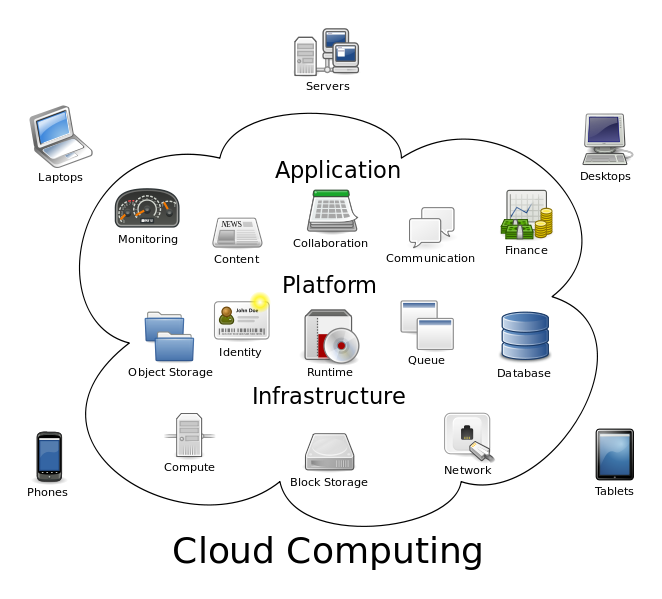
According to a recent report from the Consumer Electronics Association, a stunning 96% of U.S. adults use cloud services. However 36% of those surveyed couldn’t define the cloud, and only 19% said they “know a lot about the cloud.” Cloud computing has become quietly ubiquitous, and almost everyone has daily interaction with cloud services, even if they don’t know it, in the form of social networks, webmail, and content providers such as Netflix and iTunes.
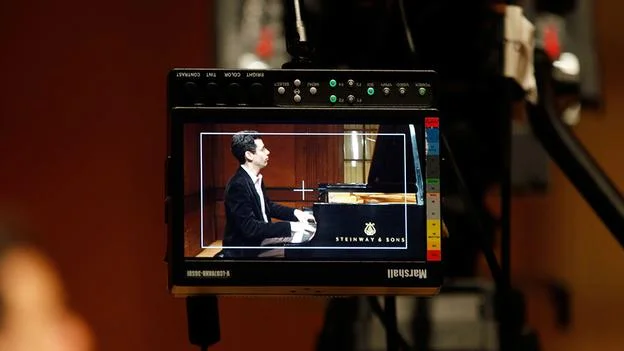
As a frequent concertgoer and prospective arts manager, I am intrigued by the question of how to create online audiences for symphony orchestras. What does it mean to create such an audience? And moreover, how does an online audience for an orchestra differ from the audience that comes to the concert hall? Or does it?
Just when we thought photos was the new rage in social media, video steps into the mix. I’m not talking about the typical YouTube video providing “how to’s”, news clips, music, or hilarious propaganda, I’m talking about the 30 to 15-second video applications now available through Instagram and Vine. I’m a huge photo sharer on Instagram, especially when I’m attending a cultural event; I love sending photos to my followers from my seat before a performance begins. Video, however, is becoming more and more prominent in our everyday social media lives. What does this mean for the arts?
To tweet seat or not to tweet seat; that’s the question on everyone’s mind. After a rather engaging conversation at the Theatre Communications Group Annual conference in Dallas, I went home thinking about the pros and cons of new technology and how it can be used to engage today’s audience. If our audiences are evolving, why are we still connecting with them in the same manner as the previous generation of administrators?
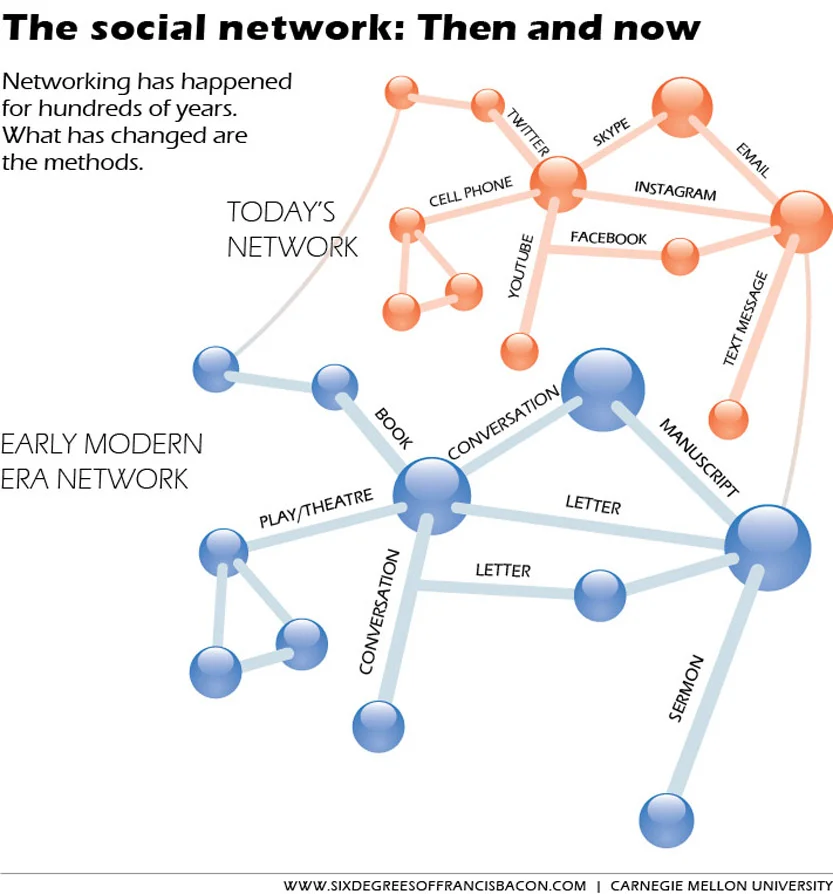
Mapping and networks feel modern and hip. In today's increasingly connected world, we assume that social networks are real-time, technologically relevant, but networks of influence far precede our internet-focused era. Significantly, mapping networks offers an understanding of how ideas travel. Visual and performing art historians, professional dramaturgs and curators all know that mapping people, objects, or ideas across time and space can broaden an understanding of an art piece or process. Administrators can also benefit from studying networks.
Last week's Theatre Communications Group conference presented a changing perspective on audience engagement that uses technology. Tweet Seats are definitely on the outs. This 2 post series, however, focuses on the more immersive experience with two organization's successfully engaging their audiences. Their audiences must engage in some if not multiple forms of technology to partake in the theatrical story itself. The two organizations are Dog and Pony DC based in Washington DC and Rude Mechanicals based in Austin. Both use technology before, during and after the show. Dog and Pony DC's company member, Colin K. Bills, presented as part of a panel led by David J. Loehr of twitter handle @2amt (and 2amtheatre.com).
I don't know if you know but Technology in the Arts has a Twitter account - it's true! And @TechInTheArts has reached its goal of 10,000 Twitter followers! Huzzah! Break out the champagne! We're going to dance all night, such an achievement has never been reached by mankind before!* Unless, of course, 10,000 is an arbitrary number that just seems important. Sure, it's a milestone, but what does that really mean for an organization? What does that mean for Technology in the Arts?
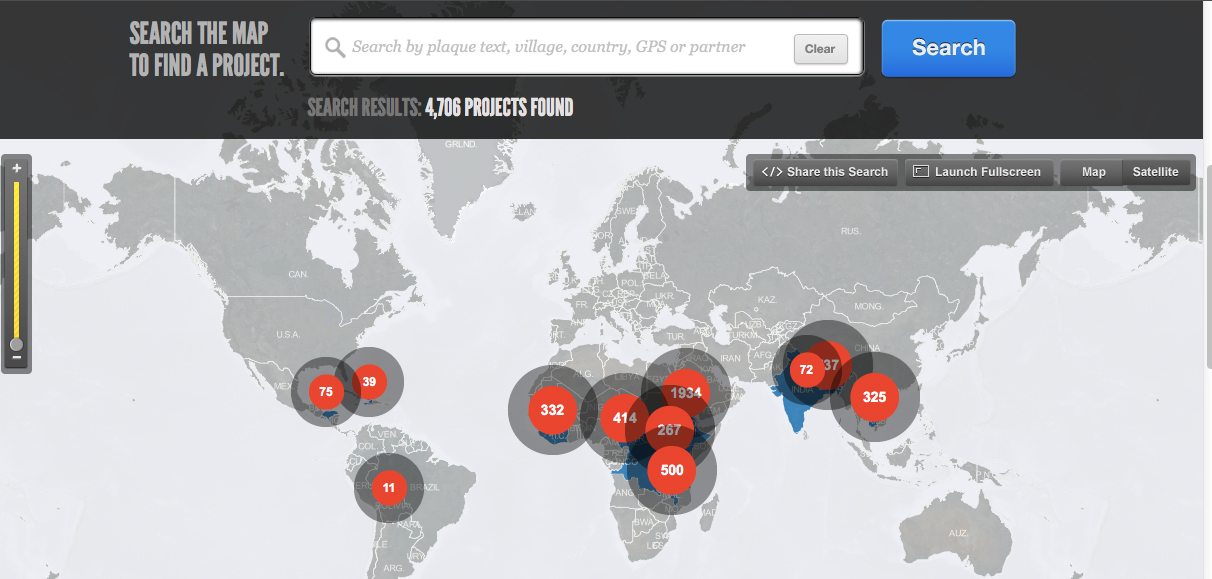
So far in this series, we've examined some of the strategies that non-arts nonprofits are using to engage and promote participation among their constituents, as well as their implications for success in the arts. To wrap up, we'll look at Charity: water, a nonprofit that aims to bring clean and safe drinking water to the 800 million people in developing nations who do not have access to it yet. Charity: water operates with a distinctive funding model: 100 percent of public contributions are used to directly fund mission-based projects, while operating costs are funded by other sources such as foundations and private donors.
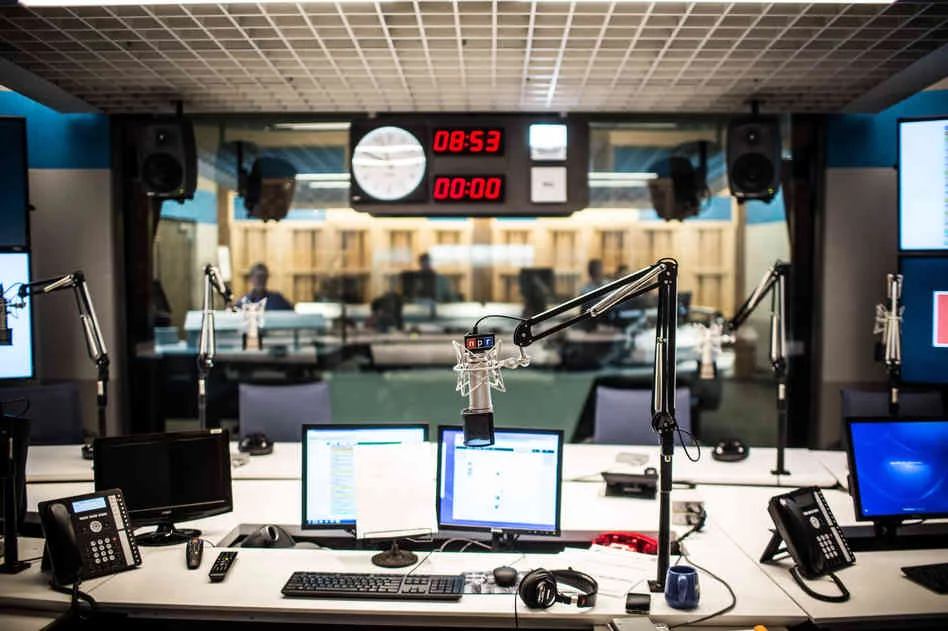
A while back we examined some of the creative ways in which the Nature Conservancy uses its web presence to promote engagement with its constituents. The arts and our public radio comrades have much in common with regard to audience development and engagement challenges. In the spirit of pledge drive season, we'll take a look at what regional public radio institutions are doing online to create a stronger sense of community and participation, even without the benefit of a physical space.
This week, Opera America announced the thirteen opera companies selected to share $300,000 in grants to support programs and projects that increase first-time opera attendance and return visits. The individual grants range from $7,500 to $30,000. The thirteen companies (and their projects) are:
In past articles we tackled analysis of gamification as a tool for arts organizations as well as some methodology about how to design a game or game elements. This post will relate to how gamification can be used as a tool for marketing efforts. Gamification can be message, channel, and even marketing education. A game can be a marketing channel of its own for your organization or it can reside within a number of other channels.
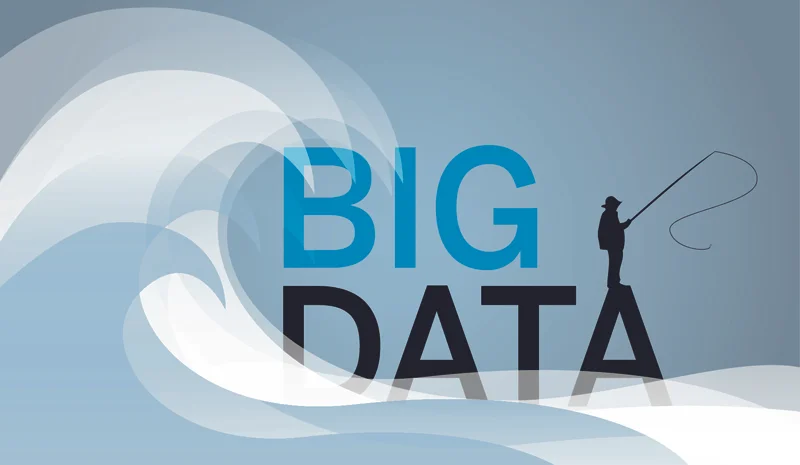
As a new buzzword, “Big Data” is all over our daily lives. However, the tech industry specializing in data collection and analysis doesn’t mean that other industries haven’t found value in using data. For anyone who knows baseball (or has watched Moneyball), we know that data analysis has become part of the player selection process. From a business perspective, big data enables companies to mix their patron data into a broader pool of consumer data and extract correlations that help them know with unprecedented specificity who are most likely to respond to their appeals. The great thing about data is that it replaces guesswork with facts and gives these corporates reliable answers, clear directions and predictable results. The not-so-great thing is that it replaces personal expertise and human intuition with cold hard math, a process that arts administrators who’ve built their careers on creative management practices might have trouble getting used to.
In the arts, it's only natural to look to peer organizations in our field for gathering new ideas and benchmarking our success. However, there are countless technology and engagement lessons we can learn from institutions unrelated to the not-for-profit arts sector. Over the next few weeks, we'll be looking at creative web engagement strategies used by such institutions that can serve as inspiration for the arts industry.
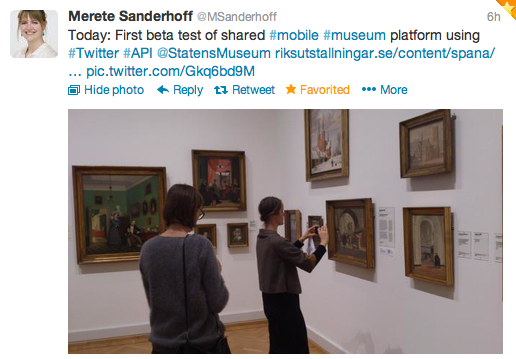
FIRST: I want to direct you to this website where you can read an interview about HintMe with Merete Sanderhoff, a researcher at the National Gallery of Denmark, and a case study about the Danish museums using Twitter. But for the fast facts…
Who: The National Gallery of Denmark (Statens Museum for Kunst) and 11 additional Danish art museums.
What: HintMe is a shared mobile platform with the aim of opening up museums' collections by making content re-useable and freely sharable. At the same time, the platform has the potential to increase user engagement with the museum, its artwork, and between visitors themselves. Here is why it is brilliant: HintMe makes use of an existing platform, Twitter, and a style of communication that has become increasingly familiar and popular, the hashtag. #sohotrightnow