Research Update: Using Spatial Data to Advance our Programming Missions

Research Update: Using Spatial Data to Advance our Programming Missions

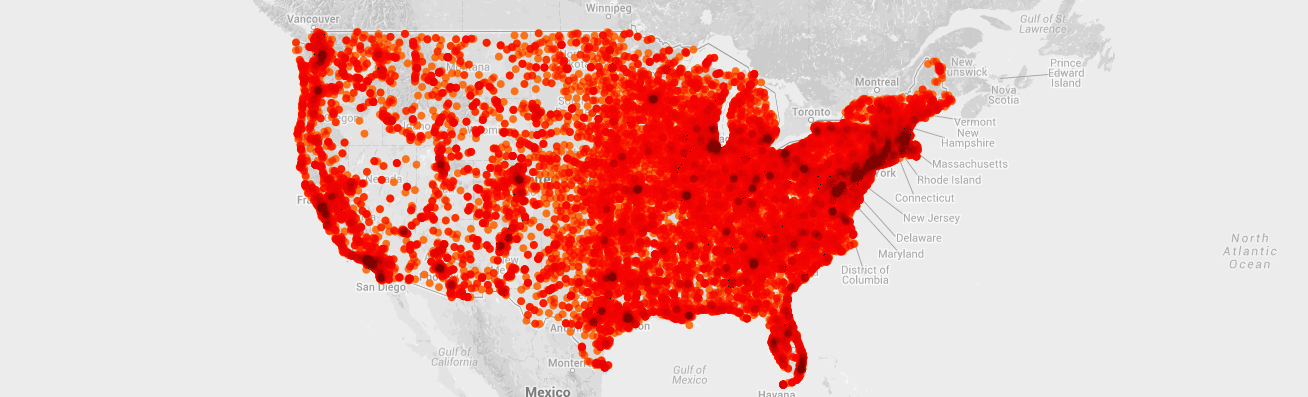
Using data to design marketing campaigns is great. Using data as an accountability tool to report back to our funders is also great. Even if we’re not leveraging it to its full potential, most of us would agree on the last two statements. It’s when we start talking about incorporating data-driven-decision making to our programming that things start to get complicated.

Research Update: From Simulcast Audience To Live Audience

Research Update: From Simulcast Audience To Live Audience

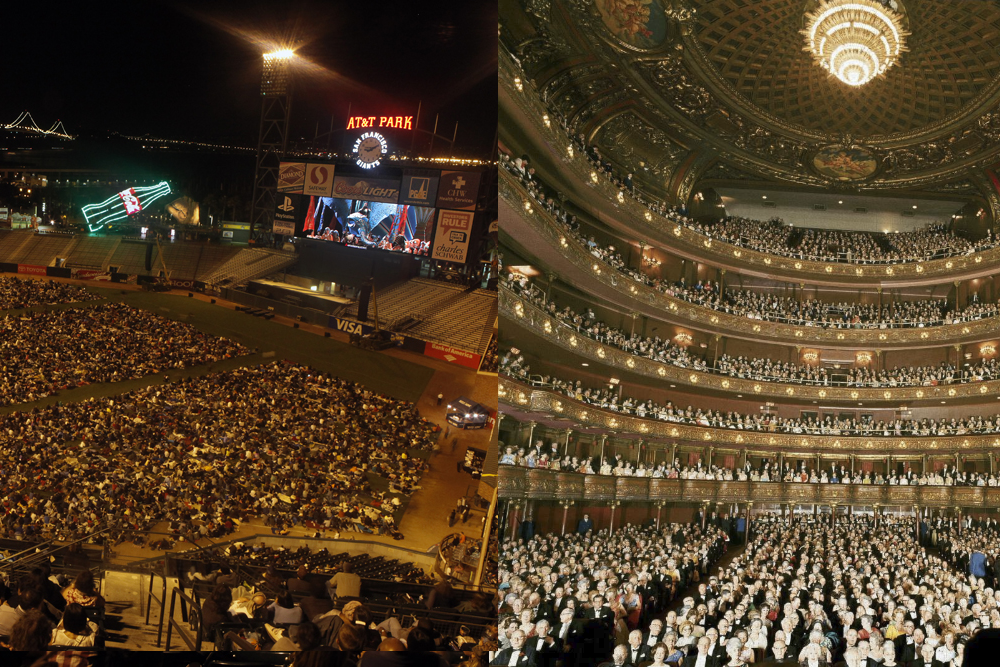
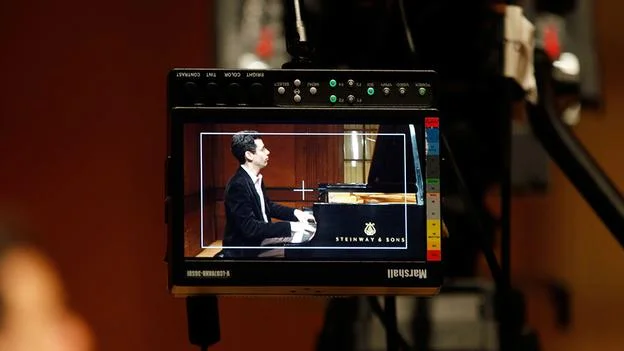
San Francisco Opera's (SFO) general director David Gockley came to the company in 2006, bringing with him the legacy of free "plazacasts" that he had done at the Houston Grand Opera, his former home. During his first year at the San Francisco Opera, 8,000 people turned up at Civic Center Plaza near the Opera’s home at War Memorial Opera House to watch a simulcast of Puccini's Madama Butterfly. However, Gockley was concerned that there was no method of tracking the conversion of simulcast attendees to ticket buyers, so at the suggestion of a staff member, the simulcasts were moved to the AT&T ballpark.

Research Update: Making Data-Driven Decisions

Research Update: Making Data-Driven Decisions

In 2012, NTEN partnered with Idealware to gauge the use of data by nonprofit organizations. Among arts organizations, only 26% reported that their decision-making processes are generally informed by data. What metrics are relevant for each department to make smart business decisions, whether they be about marketing or ticketing or development? How does an arts organization decide what metrics to use and why?

Research Update: Effective Uses of Social Media Management Software

Research Update: Effective Uses of Social Media Management Software

Harvard Business Review found that 43% of companies that use (or are planning to use) social media believe they are using it ineffectively. Do those companies think social media is a passing fad? Or, do they just not know what to do with it? When implementing a social media plan, several questions arise: Who will update it? When will they update it?  How will we keep track of our company’s reputation on a medium that never sleeps?

Research Update: Instituting Technological Change

Research Update: Instituting Technological Change

Susie has just accepted a job at an arts organization that she has always admired. But on her first day of work, Susie notices that things seem a little off. She is already trained to use their CRM system, a major reason she was hired, but many of the features that distinguish this system are not being utilized at all. Moreover, she realizes that many constituents have multiple accounts within the system, limiting the CRM system’s ability to integrate in the first place. How can Susie change the technological behavior of the organization she now finds herself in, let alone that of her boss, so that it operates more efficiently and is better able to carry out its mission?

Research Update: What is the Cloud and Why Should My Arts Organization Use It?

Research Update: What is the Cloud and Why Should My Arts Organization Use It?

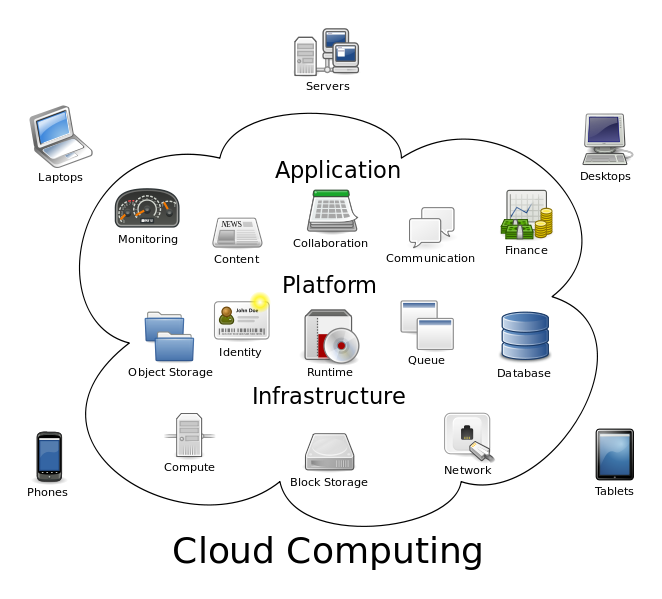
According to a recent report from the Consumer Electronics Association, a stunning 96% of U.S. adults use cloud services. However 36% of those surveyed couldn’t define the cloud, and only 19% said they “know a lot about the cloud.” Cloud computing has become quietly ubiquitous, and almost everyone has daily interaction with cloud services, even if they don’t know it, in the form of social networks, webmail, and content providers such as Netflix and iTunes.

Research Update: Creating Online Audiences for Orchestras

Research Update: Creating Online Audiences for Orchestras

As a frequent concertgoer and prospective arts manager, I am intrigued by the question of how to create online audiences for symphony orchestras. What does it mean to create such an audience? And moreover, how does an online audience for an orchestra differ from the audience that comes to the concert hall? Or does it?


Keeping up with the times: Photos vs. Video

Keeping up with the times: Photos vs. Video

Just when we thought photos was the new rage in social media, video steps into the mix. I’m not talking about the typical YouTube video providing “how to’s”, news clips, music, or hilarious propaganda, I’m talking about the 30 to 15-second video applications now available through Instagram and Vine.  I’m a huge photo sharer on Instagram, especially when I’m attending a cultural event; I love sending photos to my followers from my seat before a performance begins. Video, however, is becoming more and more prominent in our everyday social media lives. What does this mean for the arts?
 

To Tweet Seat or not to Tweet Seat: A Perspective

To Tweet Seat or not to Tweet Seat: A Perspective

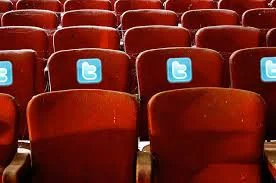
To tweet seat or not to tweet seat; that’s the question on everyone’s mind. After a rather engaging conversation at the Theatre Communications Group Annual conference in Dallas, I went home thinking about the pros and cons of new technology and how it can be used to engage today’s audience. If our audiences are evolving, why are we still connecting with them in the same manner as the previous generation of administrators?

Mapping Social Networks -- Present, Past, Future

Mapping Social Networks -- Present, Past, Future

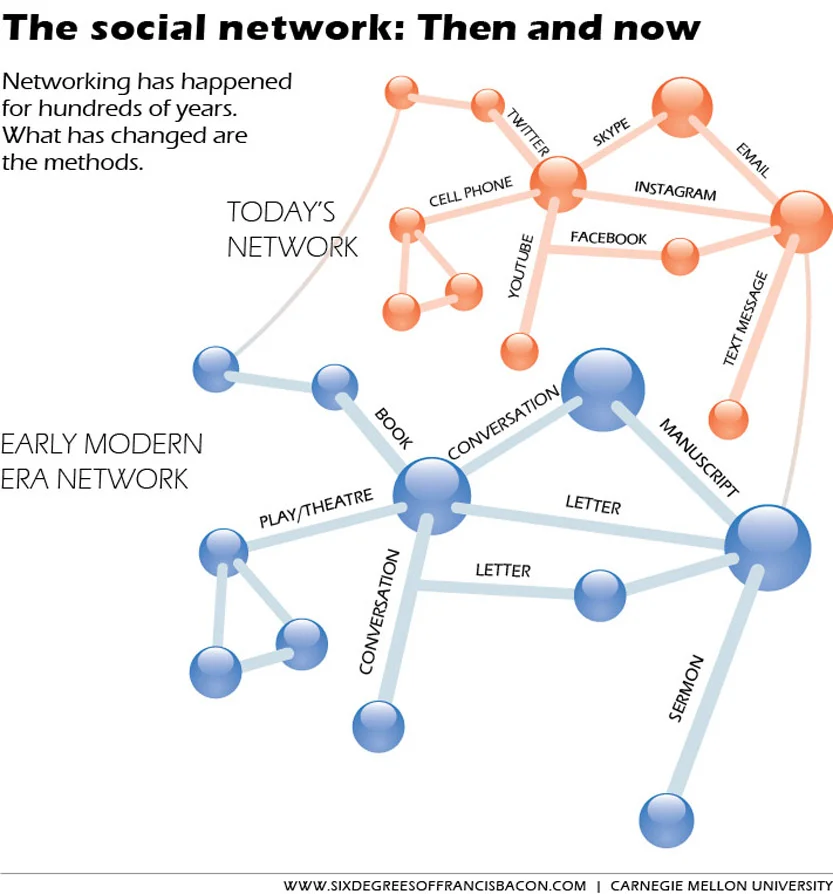
Mapping and networks feel modern and hip.  In today's increasingly connected world, we assume that social networks are real-time, technologically relevant, but networks of influence far precede our internet-focused era.  Significantly, mapping networks offers an understanding of how ideas travel.  Visual and performing art historians, professional dramaturgs and curators all know that mapping people, objects, or ideas across time and space can broaden an understanding of an art piece or process. Administrators can also benefit from studying networks.

Technology and Immersive Audience Engagement: Part I of II

Technology and Immersive Audience Engagement: Part I of II

Last week's Theatre Communications Group conference presented a changing perspective on audience engagement that uses technology.  Tweet Seats are definitely on the outs.  This 2 post series, however, focuses on the more immersive experience with two organization's successfully engaging their audiences.  Their audiences must engage in some if not multiple forms of technology to partake in the theatrical story itself.  The two organizations are Dog and Pony DC  based in Washington DC and Rude Mechanicals based in Austin.  Both use technology before, during and after the show. Dog and Pony DC's company member, Colin K. Bills, presented as part of a panel led by David J. Loehr of twitter handle @2amt (and 2amtheatre.com).

We Have 10,000 Followers! ...Now What?

We Have 10,000 Followers! ...Now What?

I don't know if you know but Technology in the Arts has a Twitter account - it's true! And @TechInTheArts has reached its goal of 10,000 Twitter followers! Huzzah! Break out the champagne! We're going to dance all night, such an achievement has never been reached by mankind before!* Unless, of course, 10,000 is an arbitrary number that just seems important. Sure, it's a milestone, but what does that really mean for an organization? What does that mean for Technology in the Arts?

What Can We Learn? Part 3: Charity: water

What Can We Learn? Part 3: Charity: water

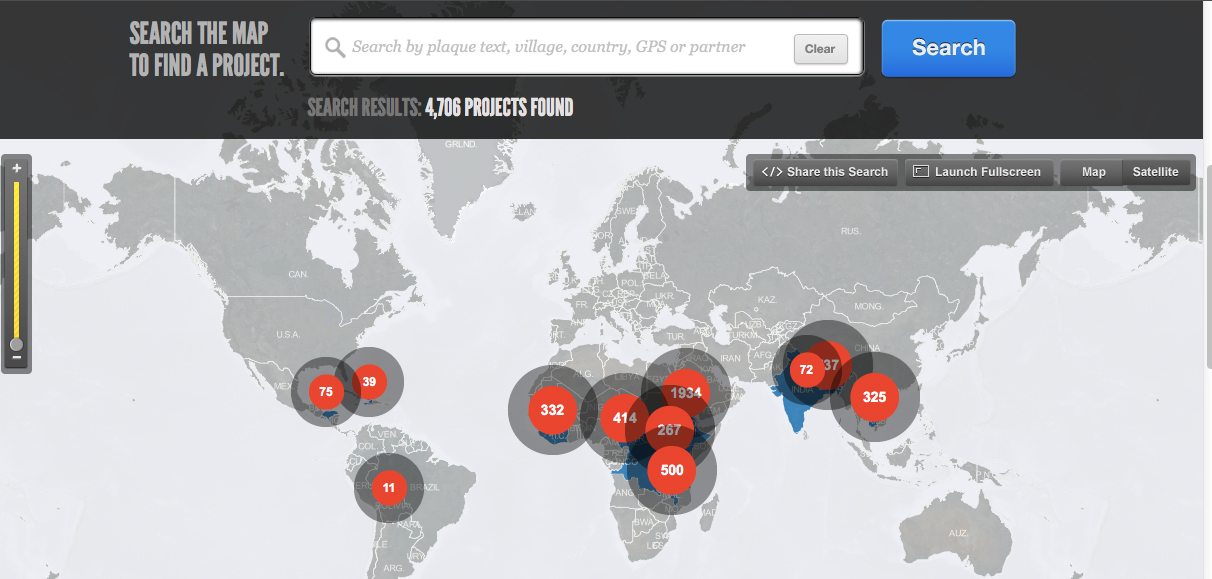
So far in this series, we've examined some of the strategies that non-arts nonprofits are using to engage and promote participation among their constituents, as well as their implications for success in the arts. To wrap up, we'll look at Charity: water, a nonprofit that aims to bring clean and safe drinking water to the 800 million people in developing nations who do not have access to it yet. Charity: water operates with a distinctive funding model: 100 percent of public contributions are used to directly fund mission-based projects, while operating costs are funded by other sources such as foundations and private donors.

What Can We Learn? Part 2: Public Radio

What Can We Learn? Part 2: Public Radio

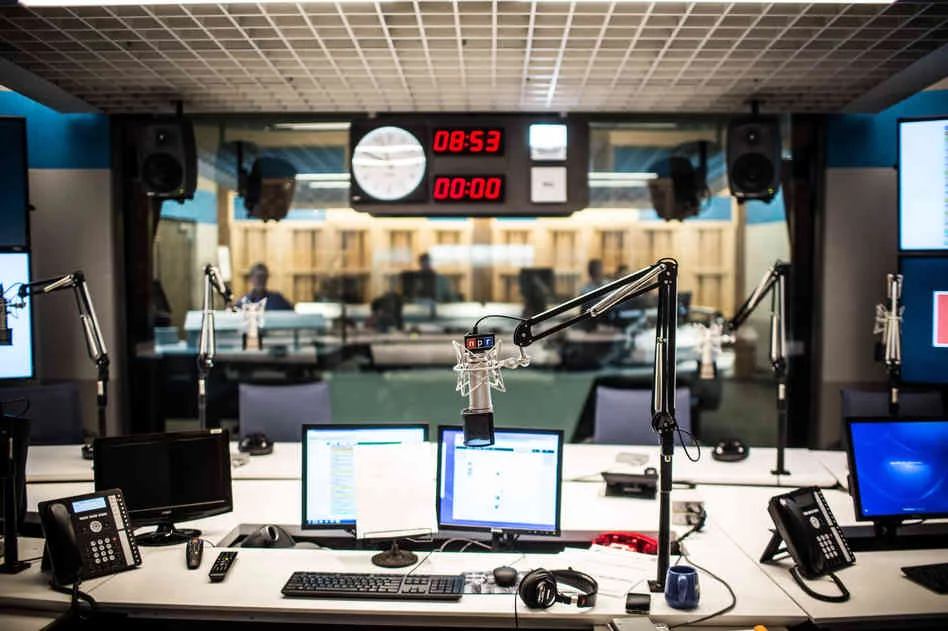
A while back we examined some of the creative ways in which the Nature Conservancy uses its web presence to promote engagement with its constituents. The arts and our public radio comrades have much in common with regard to audience development and engagement challenges. In the spirit of pledge drive season, we'll take a look at what regional public radio institutions are doing online to create a stronger sense of community and participation, even without the benefit of a physical space.

Opera America: Celebrating 13 Companies’ Strategies for Audience Development

Opera America: Celebrating 13 Companies’ Strategies for Audience Development

This week, Opera America announced the thirteen opera companies selected to share $300,000 in grants to support programs and projects that increase first-time opera attendance and return visits. The individual grants range from $7,500 to $30,000. The thirteen companies (and their projects) are:

Gamification in the Arts part 4: Gamification for Marketing

In past articles we tackled analysis of gamification as a tool for arts organizations as well as some methodology about how to design a game or game elements.  This post will relate to how gamification can be used as a tool for marketing efforts. Gamification can be message, channel, and even marketing education.  A game can be a marketing channel of its own for your organization or it can reside within a number of other channels.