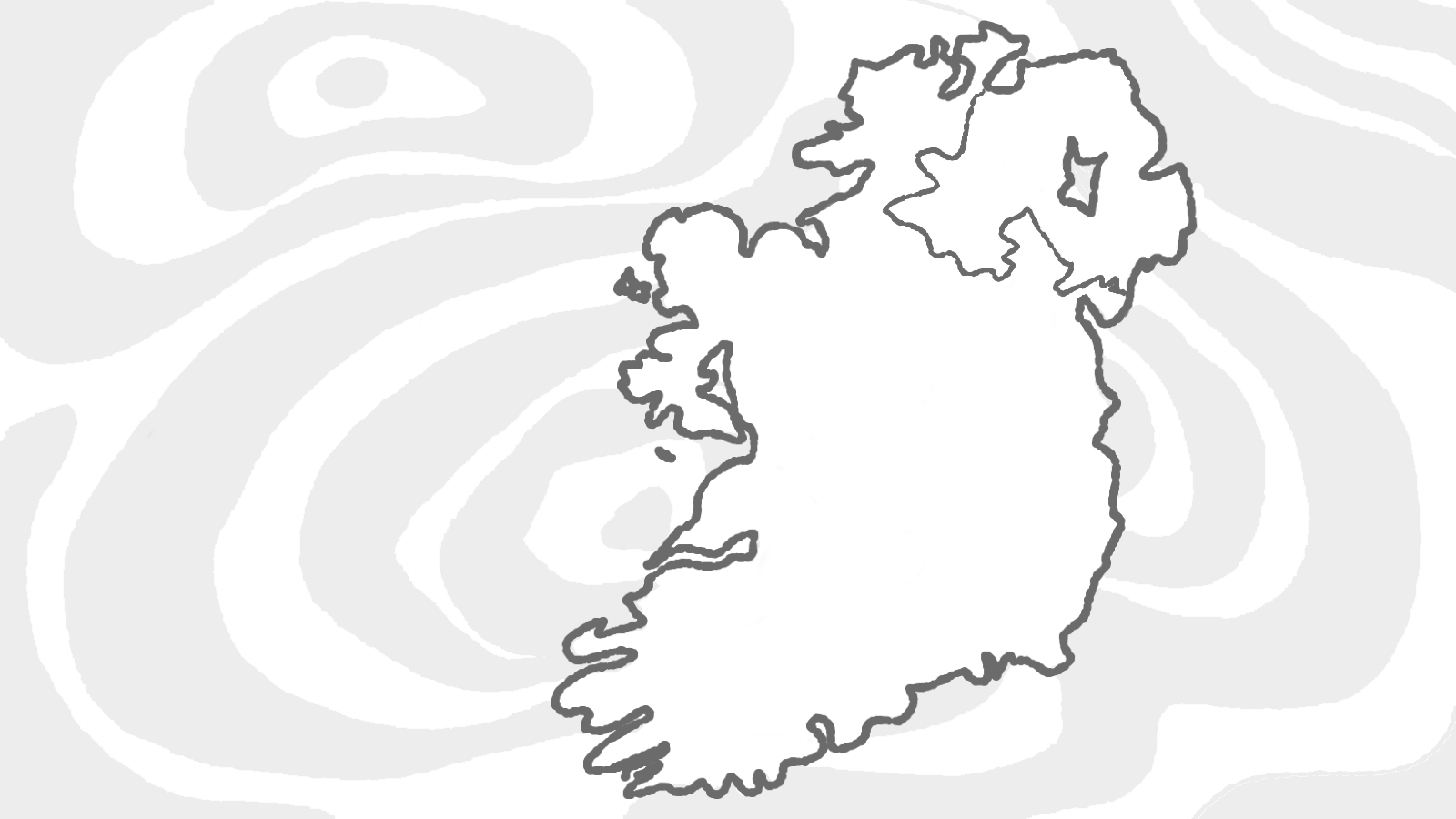
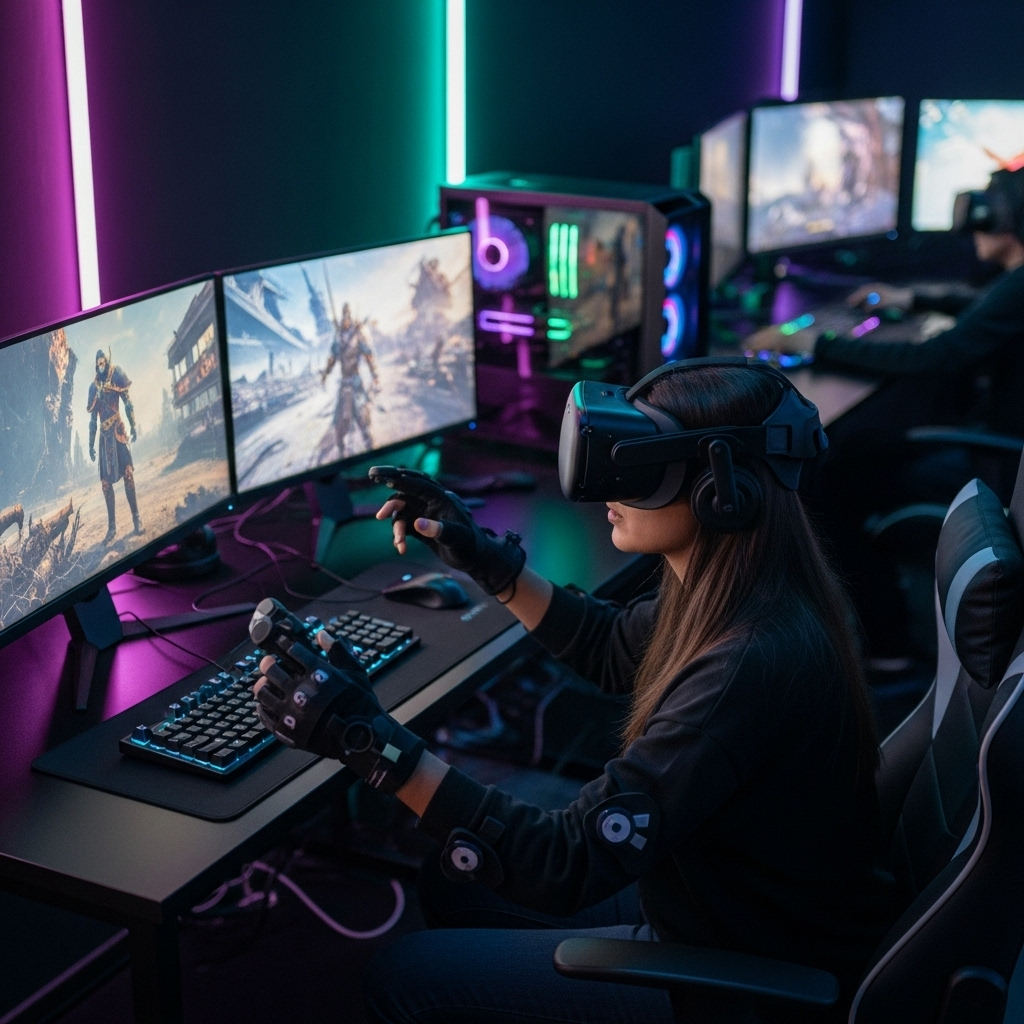
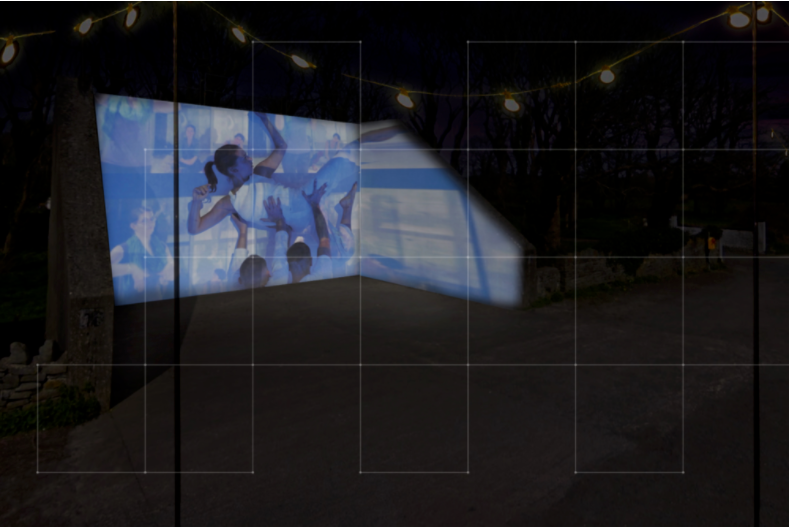
Something can be gained from examining the response of other nations and their arts and cultural sectors to the pandemic. Through this examination, lessons might be learned about how to continue the response in a time of unprecedented change. Within the past year and a half, many of Ireland’s arts organizations have found ways to create works that integrate emerging technology and also explore Irish identity. This research looks at some of those innovations and the public policies that supported them.
Arts Vibrancy and Digital Access: Part 2
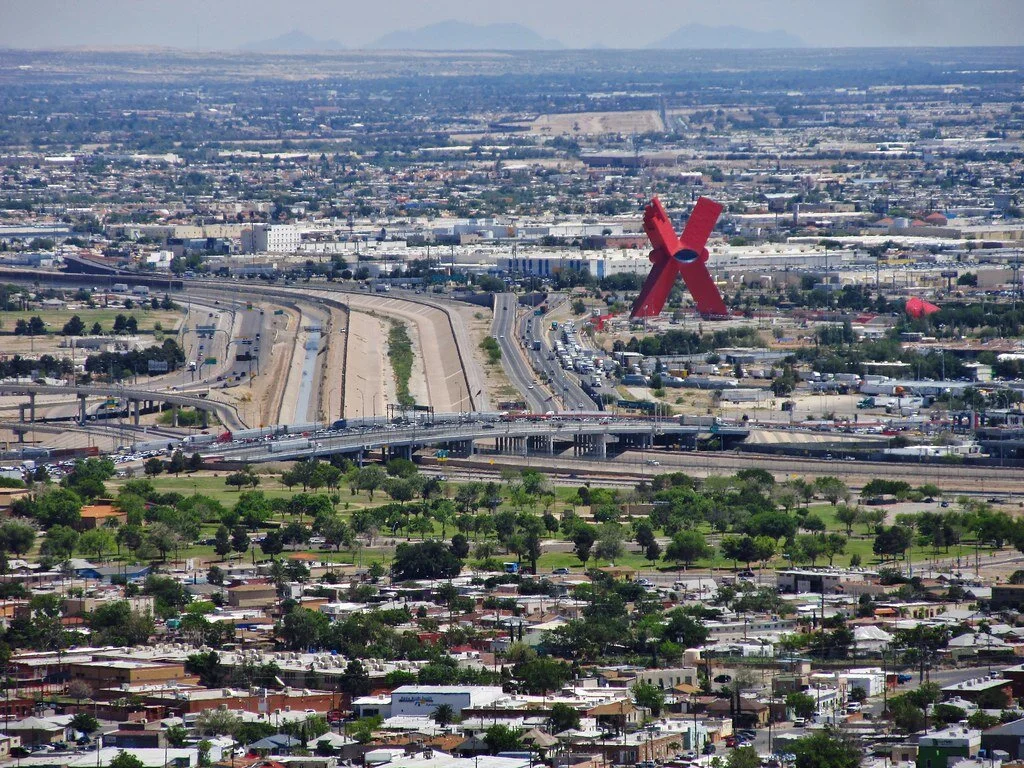
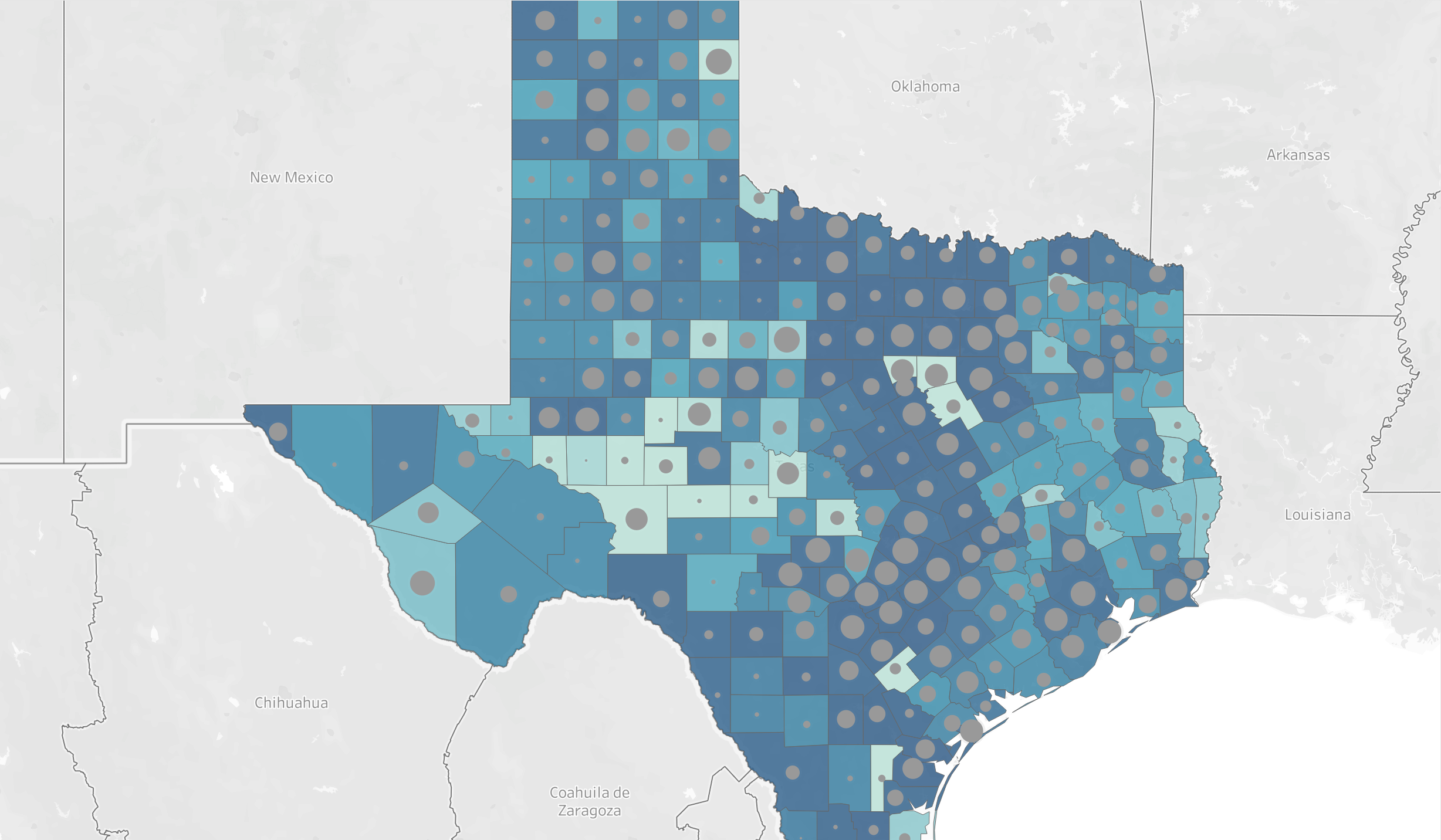
Part one of this research looked at the relationship between broadband deployment and arts vibrancy in the United States, focusing on Texas. This article examines factors that are driving the digital divide and relatively low arts vibrancy in two counties on the Texas-Mexico border and how that could inform policies in the United States as a whole.
Comparing Digital Access with Arts Vibrancy in the U.S.
An estimated 18 million households in the United States do not have access to home broadband. This is a statistic that arts managers should consider when planning online programming and in-person events as the world opens up. By looking closer at the digital divide and comparing counties’ internet access to their arts vibrancy, as measured by SMU DataArts, this article will look at the United States’ digital divide and how it impacts opportunities for arts participation.
Part 2: Digital Access and Arts Vibrancy
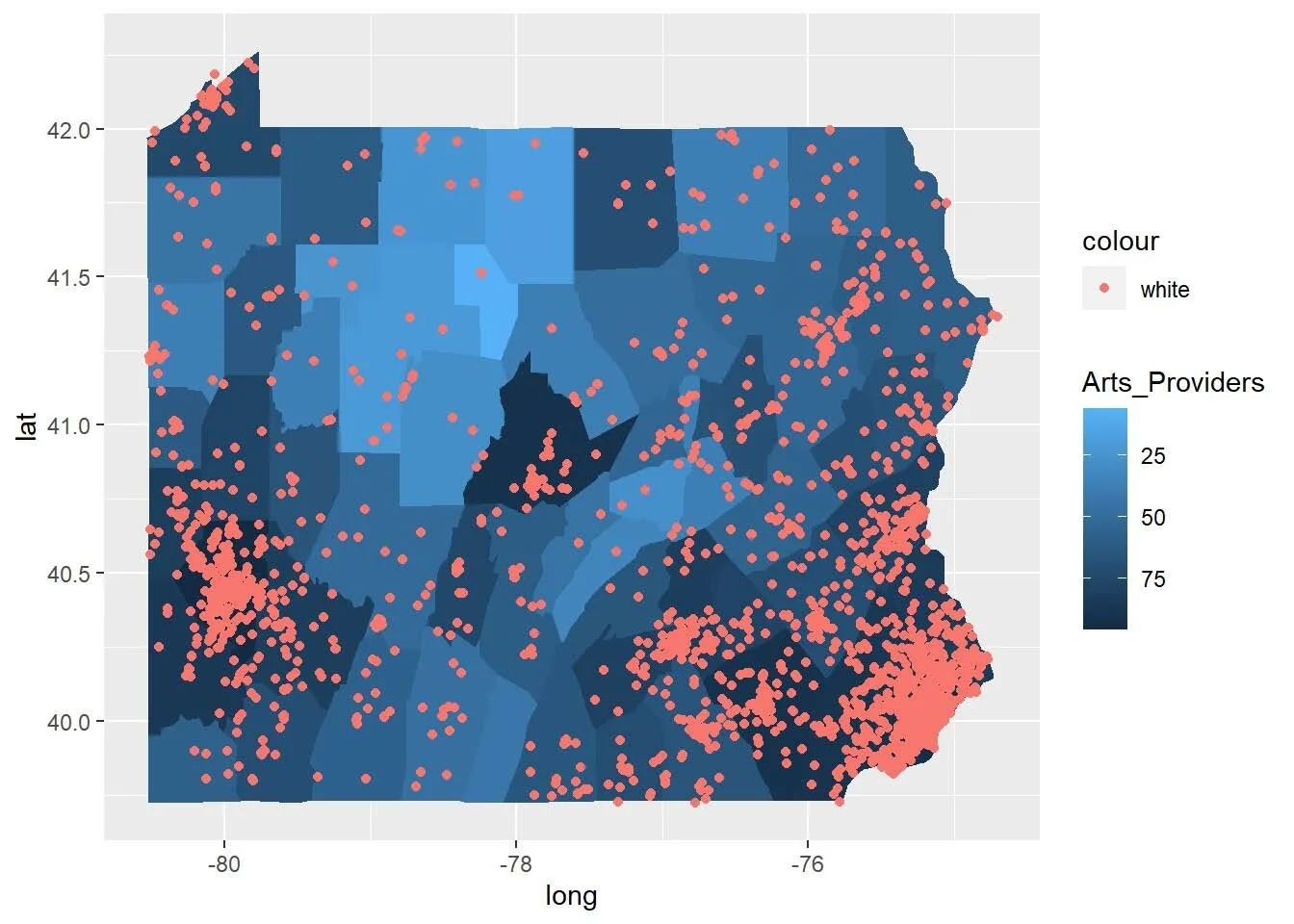
Access to the arts is not even across the United States. The ways that people living in rural areas access artistic content differs from how people participate in urban centers. Additionally, as the sector is beginning to grapple with, access to the arts varies across racial and ethnic groups. Comparing county-level arts vibrancy data is one way to detect these patterns. While the number of dollars put into the arts in the form of compensation and expenses seems to be the best predictor of overall arts vibrancy, implementing municipal WiFi appears to be an opportunity for growth since analysis indicates that it can increase arts vibrancy.
Digital Inequity in the Arts: Part 1
The coronavirus pandemic has changed everything we assumed about the world. Everything that once seemed impossible to ask for in terms of public policy is now possible, including rent suspension, eviction moratoriums, and universal basic income. But, it has also revealed inequities, including who has access to the arts. This project, published in two parts, evaluates racial equity through the lens of the arts sector during the Covid-19 pandemic by asking the questions: who has access to the arts and, fundamentally, what does access look like?
Digital Privacy and Subversive Art
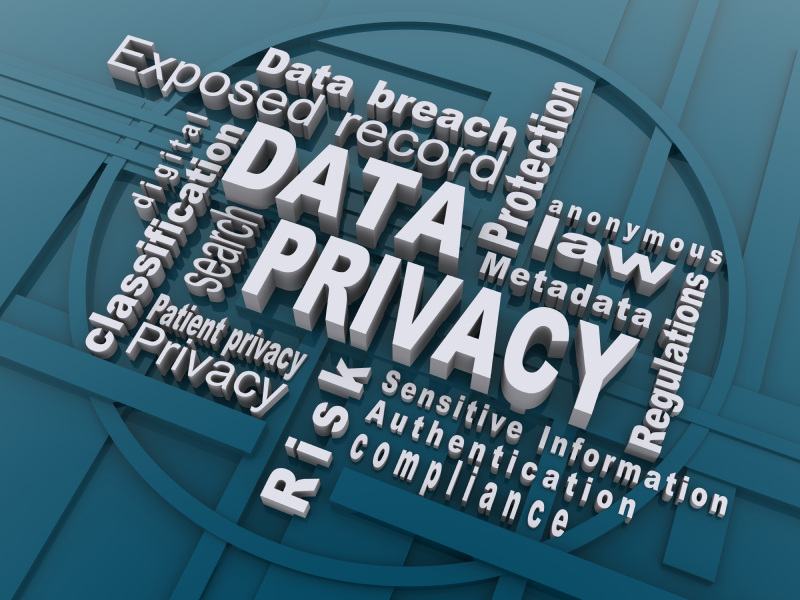
Having a better understanding of domestic legislation regarding digital privacy, as well as the international landscape as it pertains to these issues, can help in managing art that could be characterized as “seditious” or “radical.” It is important to note that surveillance, from both private and governmental entities, is on the rise as are the possibilities of censorship or unconstitutional oversight.
What Makes Facial Recognition Controversial?
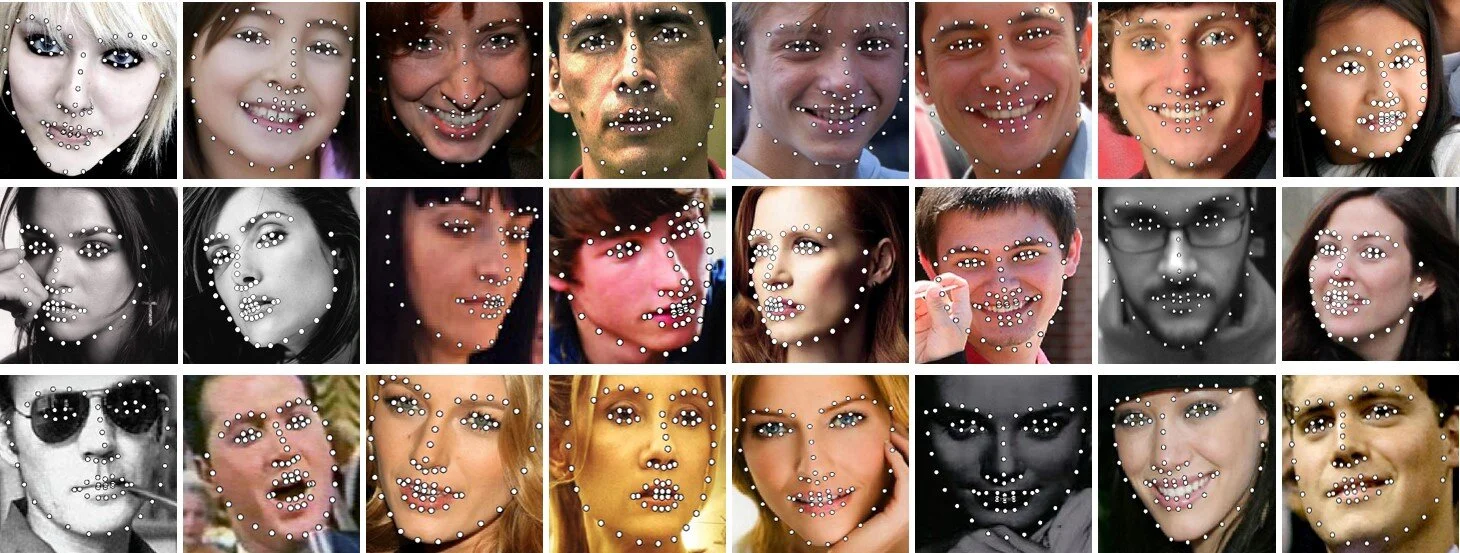
Facial recognition technology is in a predicament, and has actually been there for quite a while. What did it experience to become the center of the controversy and how does such controversy influence the art industry? Controversial discussion never stops a new technology, and instead, it creates a buffer to help the aggressive technology to slow a bit. With this opportunity, arts managers and other stakeholders may be able to check if they are on the right track dealing with the technology and consider whether they need to reshape it to meet future challenges.
Physical and Digital Conservation Planning for Art in Exterior Spaces
One of the most challenging aspects of publicly exhibited works is their conservation, both in the physical and digital sense. One of the most challenging aspects of publicly exhibited works is their conservation. These works are often forced to directly withstand the elements, but also must be protected from graffiti and defacement. There have been examples of conservation issues forcing a public art office to remove an artwork, and Danielle Brazell from the Office of Cultural Affairs in LA described having to de-accession a work that could not be salvaged due to weather-related damage. The Cambridge Arts Council has worked to develop a streamlined system to mitigate problems with a pre-emptive strategy.
What’s Happening in Congress? Stay Informed with Countable!
Why Net Neutrality Matters for Arts Institutions
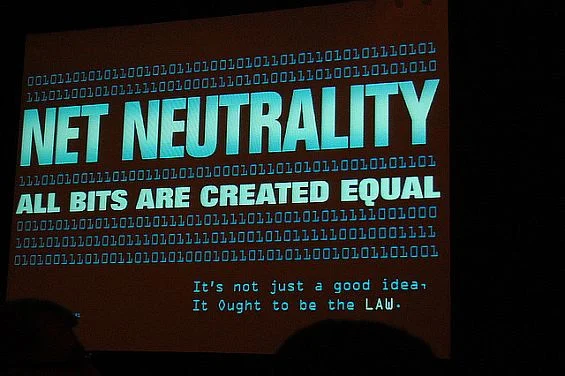
Net neutrality died by the hand of the FCC in November 2017. The policy, to be implemented summer 2018, will be detrimental to the work and impact of arts institutions and artists. The following article provides an overview of what changed, why net neutrality is important to the arts, and what you can do to help reverse the policy, or, as AT&T's CEO has called for, ask for Congress to create a consumer Internet Bill of Rights.
The More You Know: Data Protection Laws and Regulations
How to Create Consistent & Meaningful Advocacy Efforts
Big Brother's Sweeter Side
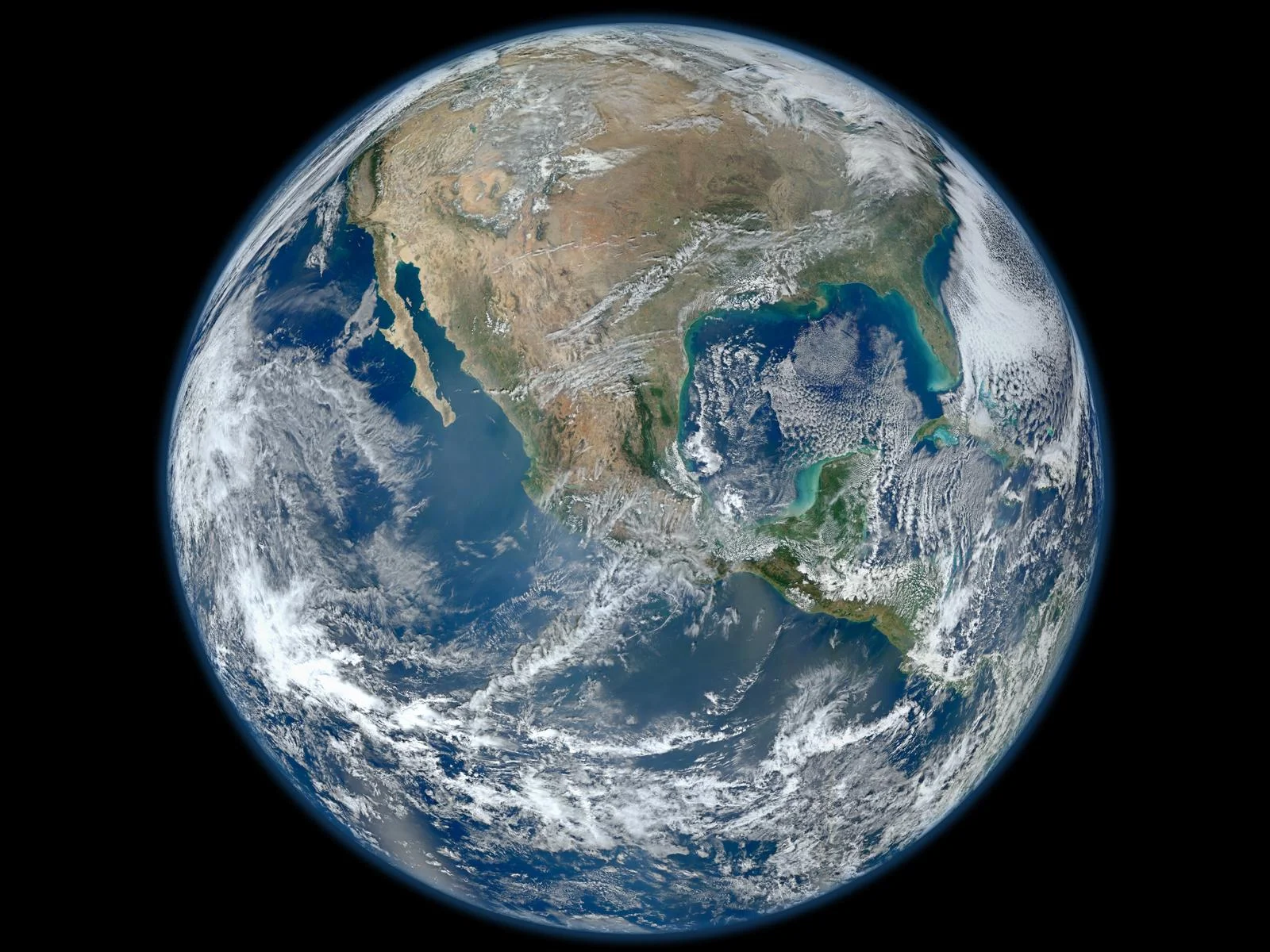
There is an emerging opportunity for collaboration in the cultural heritage sector, as archeologists around the globe call for new methodologies to process mass-information about cultural heritage sites. This article unpacks how satellite imagery and geographical information systems are shifting the structure of the cultural heritage sector.