
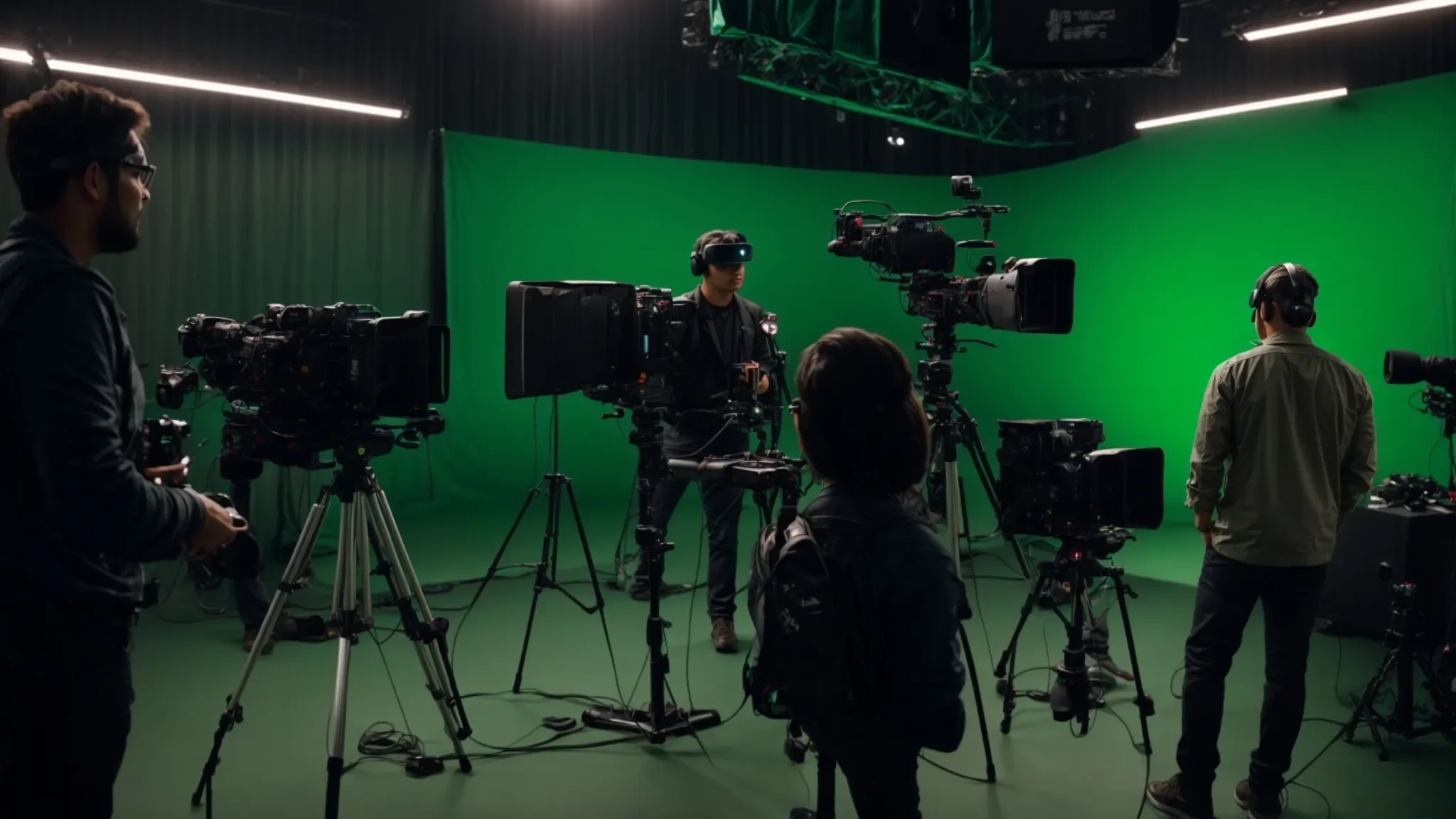

AMT Lab Chief Editor Katie Grennan give us a glimpse into the technology she used last week on tour that can benefit arts managers.
Putting the ARTs in SmART Cities

The Beginning of the End of Ticket Bots?
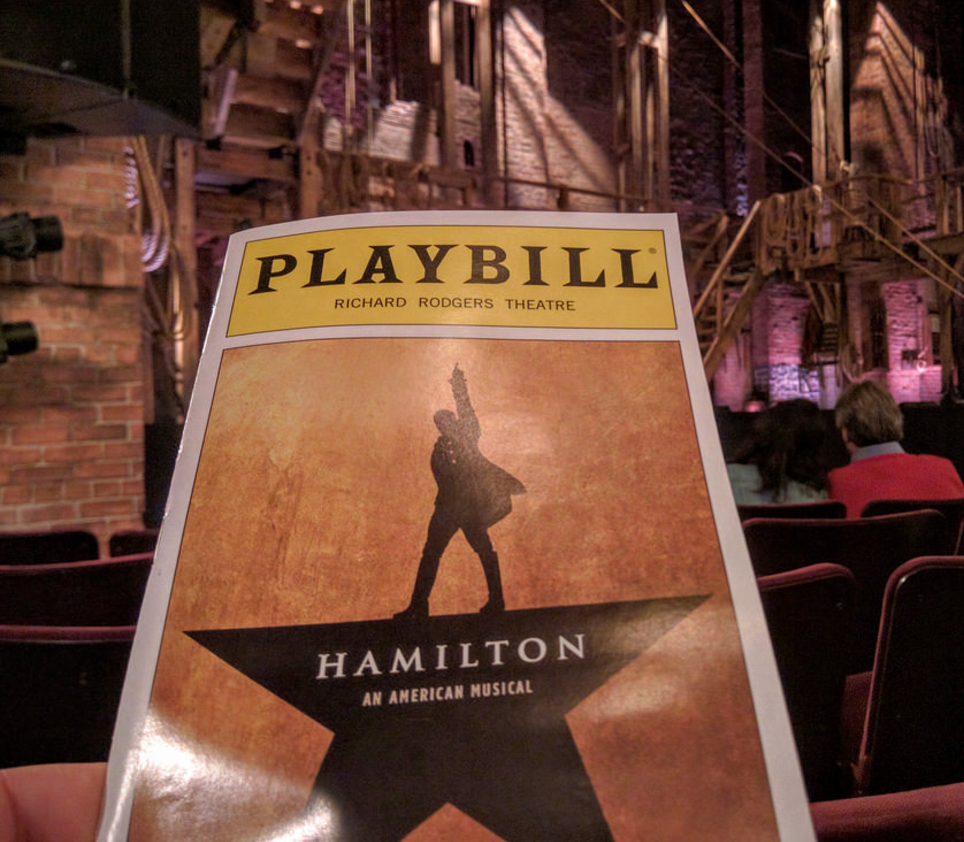
Research Update: Augmented Reality in Museums

Art + Code: Key Takeaways From the Weird Reality Conference

Artificial Intelligence and The Museum Space
Putting the “Arts” in “Artificial Intelligence”
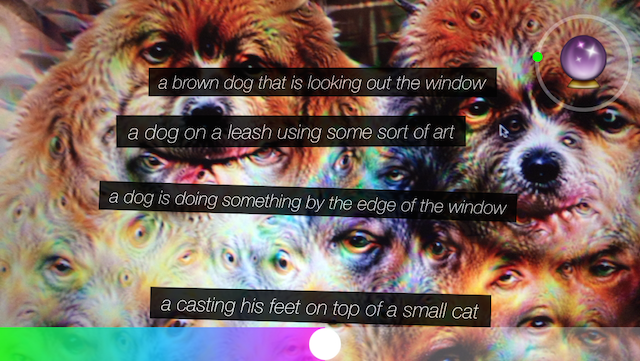
Artificial Intelligence Absurdism!
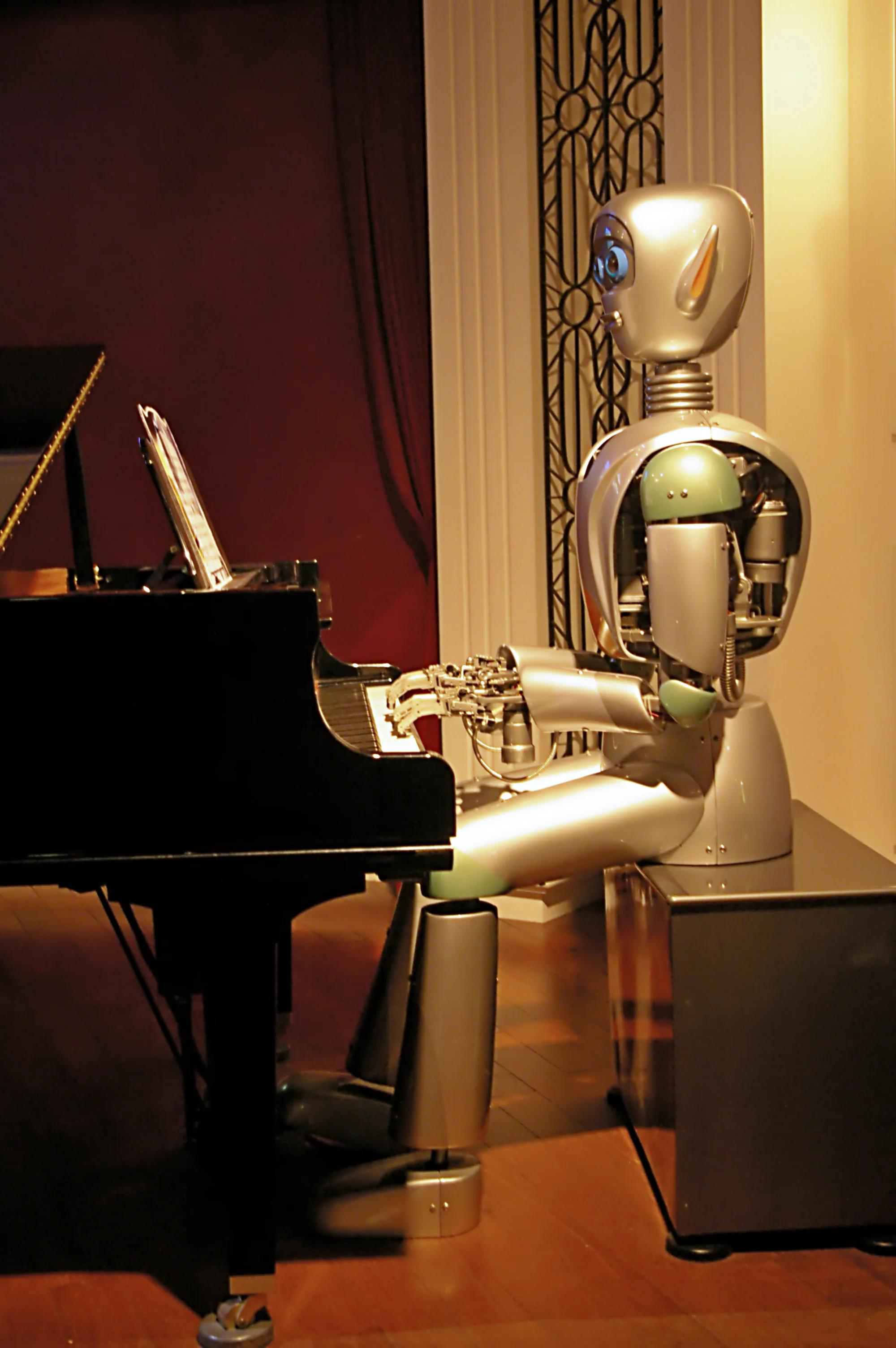
Robotics, the Changing Nature of Work, and the Arts
An Introduction to RFID Technology

Radio Frequency identification technology (RFID) is nothing new, and many museums are already using it for inventory and security of their pieces. If organizations already have the technology, there are boundless opportunities as to how they can use it to increase efficiency and enhance the visitor’s experience. But how does this new technology work?
Intro to Beacons for Arts Managers

Connecting the real and digital worlds, beacons will prove to be excellent pieces not only for marketing and general propaganda about your specific location, but as informational tools in your local museum or performing arts company. Beacons focus on the consumer, the integral part to any organization regardless of industry. So far, beacons are most common in the retail world, but they can easily be transferable into other industries, like the arts. That’s why you’re here today. Beacons could transform your organization, and I’m here to navigate you through this process in an understandable way.
Gallery One: Engaging Audiences Infographic
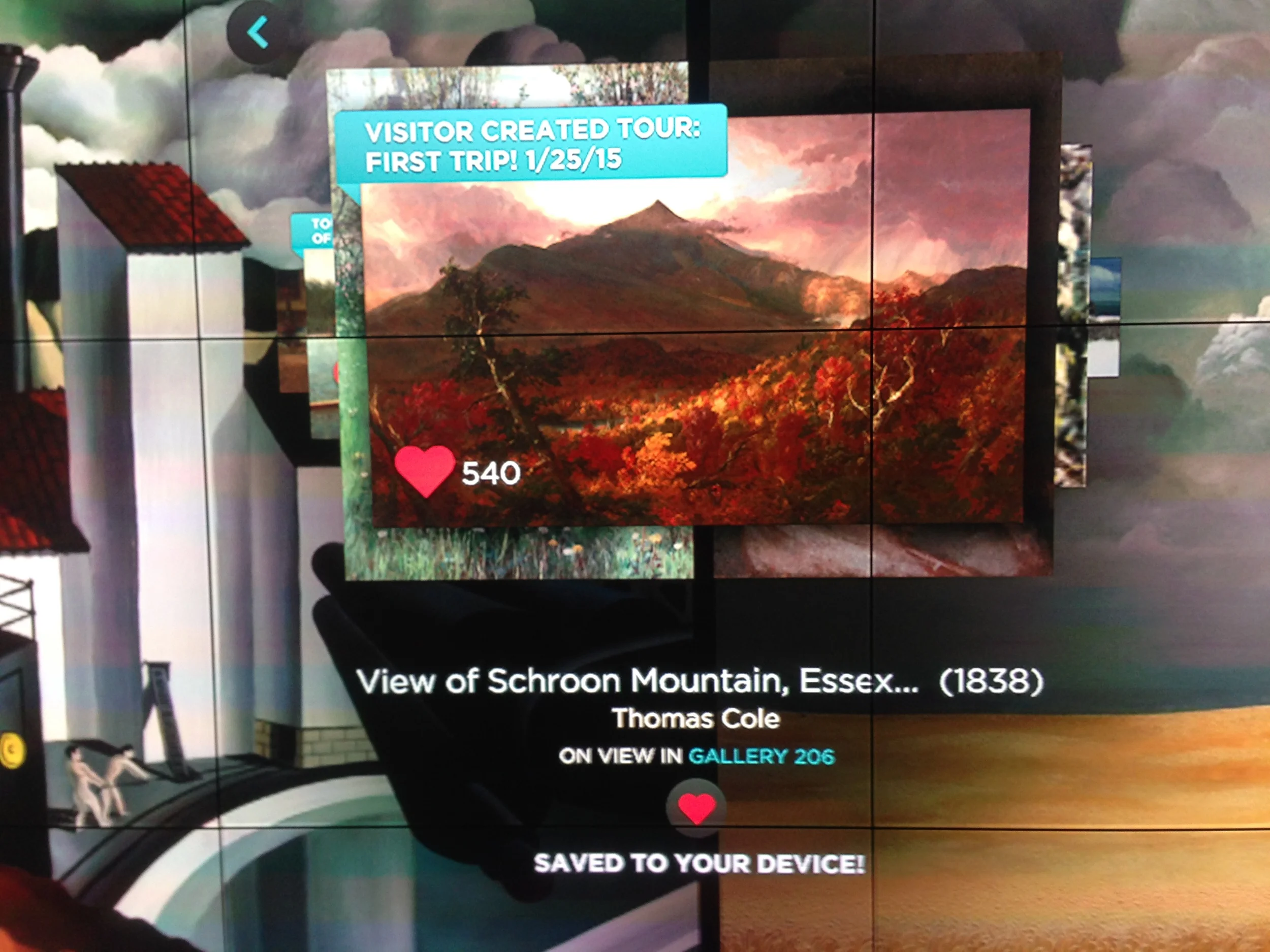
How do you learn best about art? Maybe you lightly browse, interact with friends, or get right in the middle of the action. There are multiple ways to engage with and explore art forms, however cultural institutions may not always program to meet these needs.
The Cleveland Museum of Art's Gallery One activities, on the other hand, were designed with people's learning needs and preferences in mind. In this article I apply WolfBrown's Making Sense of Audience Engagement Audience Typologies to the different initiatives to see how learners can interact with the the Art Lens App, Collection Wall, Interactives, and Studio Play at the CMA.
The Giving Pledge: A Start to Engage Tech Philanthropy
To understand why arts organizations have struggled to capture funds from tech billionaires, arts managers and development professionals would do well to recognize what philanthropic sectors they are losing these dollars to, and why. Armed with these insights, arts professionals can then adjust their strategies to better appeal to this new and growing donor segment.
STEAM Learning at the Carnegie Science Center
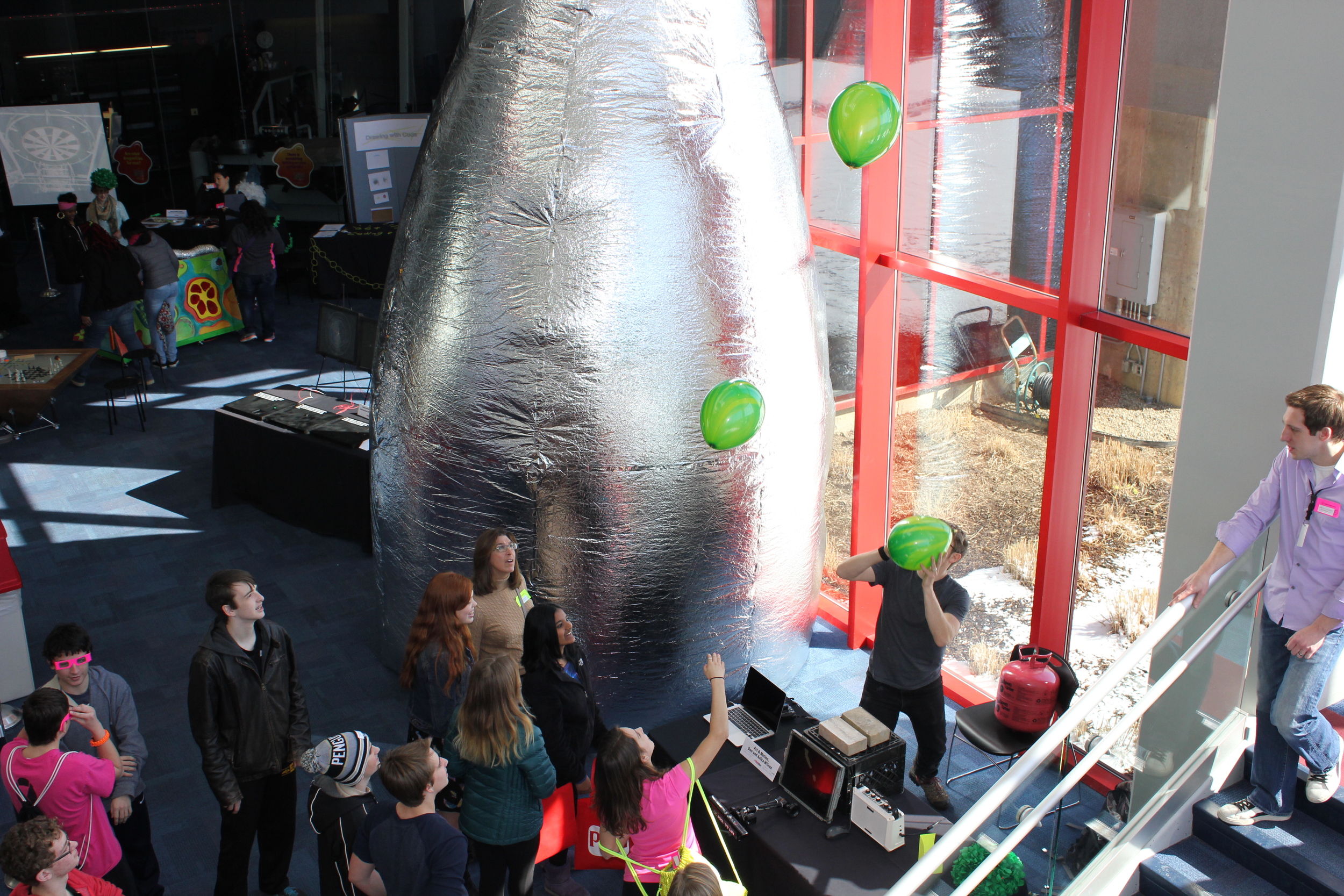
Moving the conversation around public education from STEM (Science, Technology, Engineering, and Math) to STEAM (Science, Technology, Engineering, Arts, and Math) has long beleaguered arts managers and arts educators alike. Defending the argument for arts programming and arts education can be difficult in the face of shrinking school budgets and a highly competitive grant environment. Particularly in a country that increasingly favors the hard sciences above the humanities, cultural pursuits, and artistic studies. Despite gains at the federal level with the new core arts standards, the STEAM caucus, and the first budget increase for the National Endowment for the Arts in years, it is still easy to feel defeated. The question remains, what can arts leaders and community organizers do at the local level to push the conversation in a positive direction?
Silicon Struggle: The Battle for The Bay Area Arts' Scene
If you told the average San Francisco resident 40 years ago that the art scene in the Bay Area would be gasping for life in 2015, they probably would have laughed in your face. But it is 2015, and that is the reality we are facing. The tech giants have moved in, and tension is building between the Silicon Valley community and its non-profit entities. In particular, arts organizations seem to be at an extreme disadvantage for a few reasons:
CREATE Lab: Creating Social Impact Through Empowering Communities
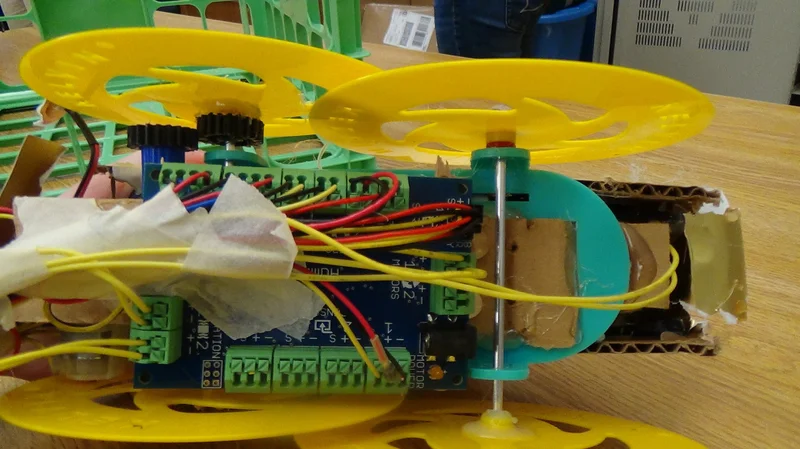
CREATE Lab creates multi-disciplinary learning experiences that allow communities to become technologically fluent. CREATE Lab’s novel combinations of visual arts and technologies provide a wealth of new potential tools to arts administrators and their organization. This article will introduce a few of the exciting projects that CREATE Lab is already testing in the Pittsburgh community, as well as access points for administrators and educators who are interested in implementing them.
Research Update 1: How Technology Supports Collaborative Artistic Projects

Picture a producer preparing for the upcoming world premiere Contemporary Color, “a pep rally pop music mashup.” Conceived by David Byrne and commissioned by Luminato Festival and Brooklyn Academy of Music, Contemporary Color will bring together artists such as Nelly Furtado, St. Vincent, and Ira Glass, 350 performers, and a 15 piece band for its world-premiere performance in Toronto this summer. Not only are the artists, performers, and musicians all located in different cities across North America, great distances also separate the designers, technicians, and other producers. To coordinate the project across these distances, the producer relies on online collaborative tools to orchestrate the project from pre-production to post-production.
Attendance Trends: A Case for Technology in Museums

How Museums Are Dealing With New Media Art: Part 1

When talking about new media art, there is no single definition. According to a 2001 research study by the Rockefeller Foundation, media artworks can be defined according to nine common elements: fluidity, intangibility, liveness, variability, replicability, connectivity, interactivity, computability, and chance. New media art is a very general and broad category and includes many subcategories. Among these, net art, digital art and plurimedia art are the most common within the visual art field. Nevertheless, the meaning of new media is constantly evolving.
Promoting Digital Media Art through Digital Media tools

In our technology-stuffed world, the difficulties faced by video artists seem paradoxical. Due to high up-front costs, and the difficulty of handling and selling digital technologies, established institutions such as art galleries and museums often shun their work. Artists may look at the entertainment industry as an alternative, but find themselves unfulfilled, as musicians typically come first in these sorts of collaborations.