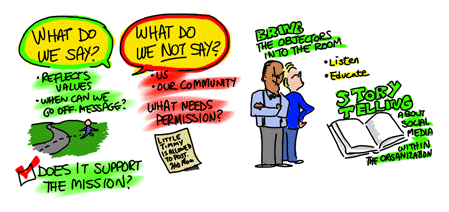
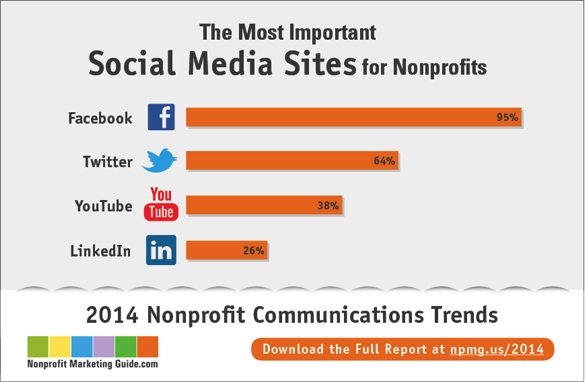
As many arts marketers, social media gurus, and nonprofit professionals attest, the question for nonprofit arts organizations is no longer whether or not to use social media but rather how to use it most effectively. This shift is reflected by AMT Lab readers’ responses to our 2014 AMT Lab Reader Poll, where a whopping 76% of respondents indicated they would like to see additional research on social media analytics while only 31% indicated interest in research on social media platforms themselves.
To Tweet Seat or Not To Tweet Seat: An Insider's Perspective
The year has come full circle for me and tweet seats. From my first conversation about them last summer at the Theatre Communications Group Annual Conference to the CMU School of Music’s tweet seat initiative this past spring, the last twelve months provided an opportunity to play with this still new (and at times, controversial) audience engagement tool.
Grants Management Systems: Primer for Best Practices, Part 4
State arts agencies need to report not only to NASAA and the NEA, but also to other entities, such as state legislatures and the general public. These reports communicate impact to all stakeholders within the agency and across its jurisdiction. A GMS’s querying and reporting capabilities impact how this information is accessed and, ultimately, understood.
Grants Management Systems: Primer for Best Practices, Part 3
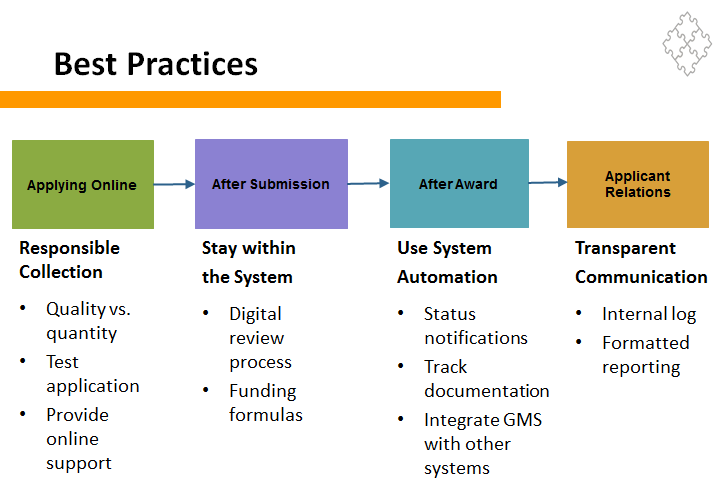
With grants management systems, the whole application process can be done online. To accommodate the needs of a diverse pool of reviewers, the system should allow them to view each application online and to access and download each application in a printer-friendly format. Grants managers should take full advantage of GMS panel review features by incorporating funding formulas (weight and average calculations) to the evaluation forms that reviewers fill out and then having reviewers input their final scores into the system.
Grants Management Systems: Primer for Best Practices, Part 2
As data becomes increasingly necessary for art agency reporting requirements, great pressure exists among staff members to collect as much as possible, and as soon as possible. But collecting data without a clear purpose places a burden on the applicants that have to gather it and grant managers who need to interpret it.
Grants Management Systems: Primer for Best Practices, Part 1
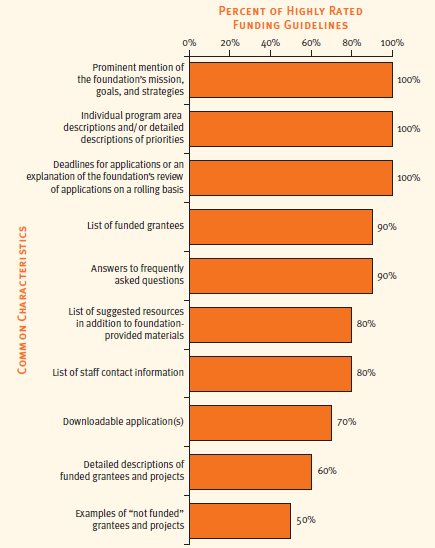
In 2012, the nation’s 62 state and regional arts agencies distributed approximately $215 million in grant monies. Compare those figures to the nearly 82,000 grant-making foundations in the United States, which collectively distribute over $49 billion annually.
Assisting these arts agencies, foundations, and other money distributing bodies are grants management systems—automated systems that track a grant through its entire lifecycle, as well as store data for relationship management between the grantor and an applicant. Recognizing the complexity of grants management systems (GMS) and the relative lack of resources in the arts sector, best practices must be followed to achieve the maximum value of each dollar spent on a GMS.
Viewpoint of Billions
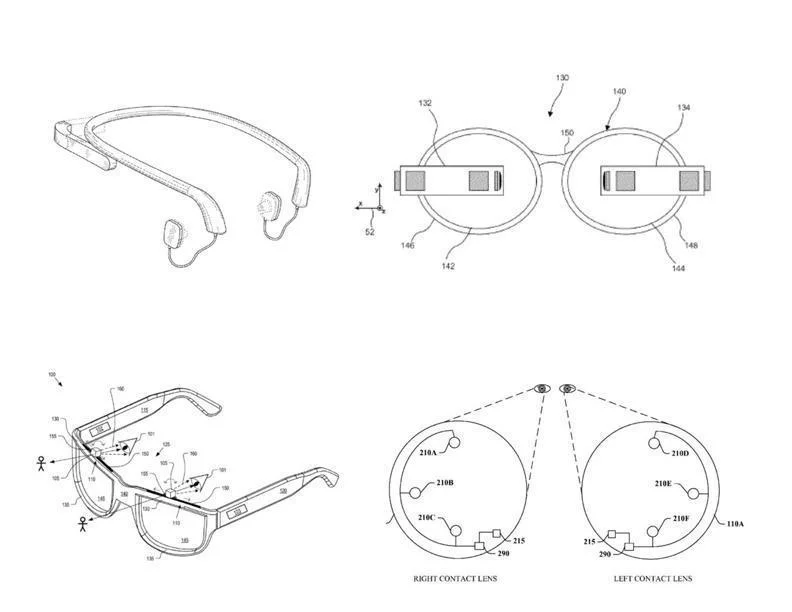
Wearable technology is all anyone is interested in talking about these days, and certainly AMT Lab is no different (for example, see Performing Arts in the Wearable Age). I’d like to take a brief interlude from gossiping about when Apple’s smart watch is going to drop to refocus on an “older” wearable technology: Google Glass.
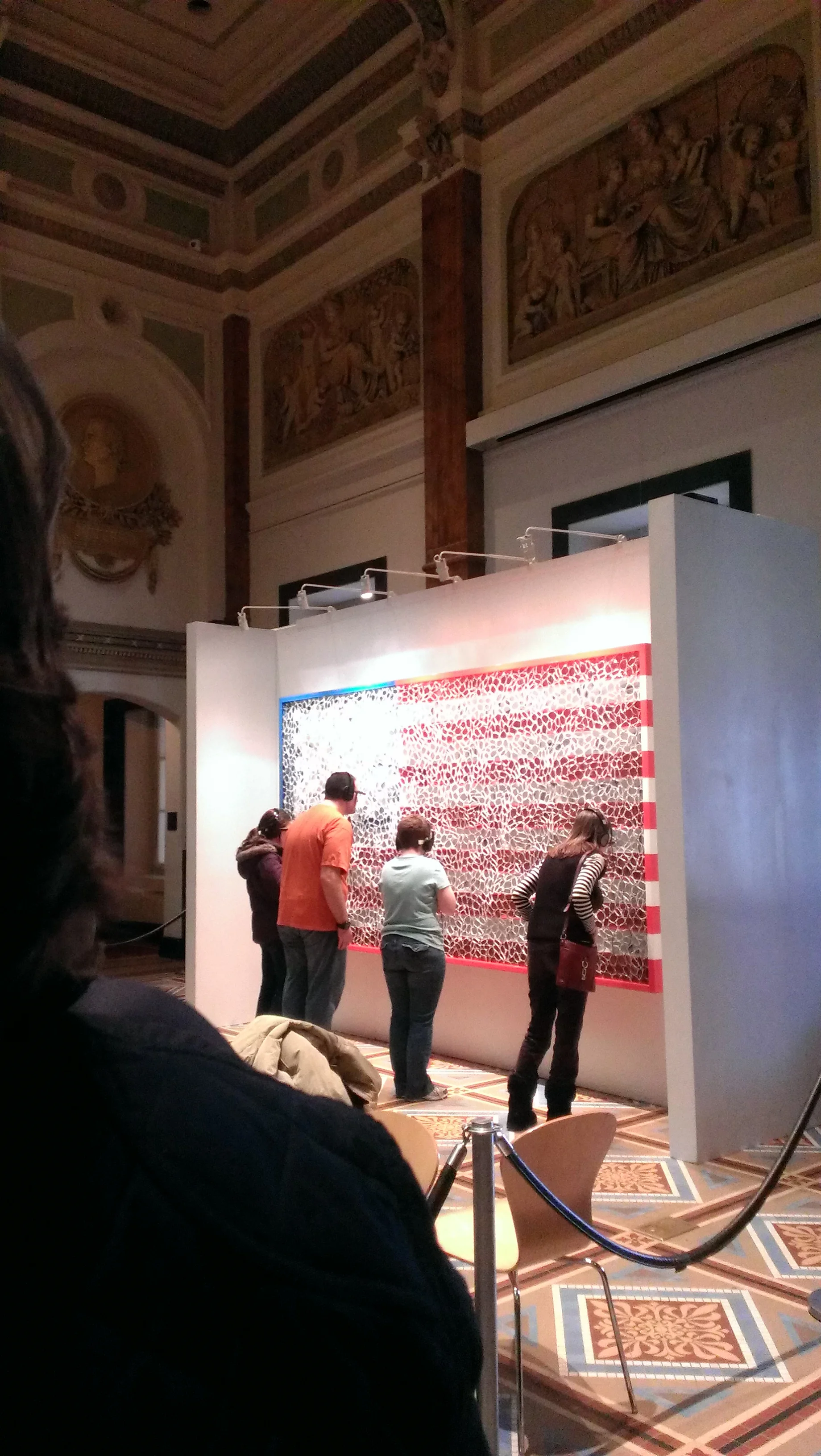
Let me preface this by saying I am not an Explorer (or a Glasshole–whichever floats your boat) but as a casual observer of technology, I’ll jump at the chance to try something new. Like Google Glass. So when the National Portrait Gallery offered me (and the rest of DC) the chance to do just that, you bet I went for it.
Data That Matters: Three More Metrics to Grow Audiences and Revenue
This article is cross-posted on the blog Analysis from TRG Arts.
Read the first post in this two-post series here.
Last month, I wrote about the overwhelming amount of data produced by the sophisticated database systems now common in the arts industry. My commentary on the “analysis paralysis” that can result caught the attention of many of our readers. We’re glad, because 20 years of consulting work has taught us this: data-driven hard work works.
So You've Got Some Data...Now What?
We seem to hear it everywhere we go, at conferences, from consultants, and in myriad publications: to run arts organizations more effectively, arts managers need to adopt data-driven business models. An increasing number of data collection tools are emerging on the market with capabilities and price points that have the potential to meet the needs of arts nonprofits, from CRM systems like Artful.ly to social media management software like Buffer. But once you’ve collected some data, how do you use it? Be it information about your patrons, regional demographics, or marketing trends, how can arts organizations take advantage of incoming data?
Software Discussion: Social Media and Work Flow Management
On June 6th, the community of practice (CoP) of arts management and technology within NTEN that I co-lead held its monthly community call. Each month, we hold an "Ask Anything" call on a specific topic and this month our discussion centered on social media management software and work flow management software--what is needed and what is used. Highlighted social media management tools from our discussion include Hootsuite (which AMTLab uses), SproutSocial, and Keyhole. Overall success with social media among CoP participants aligned with consistent, but not excessive, content that is interesting to the specific community.
Creating Online Exhibitions and Research Tools
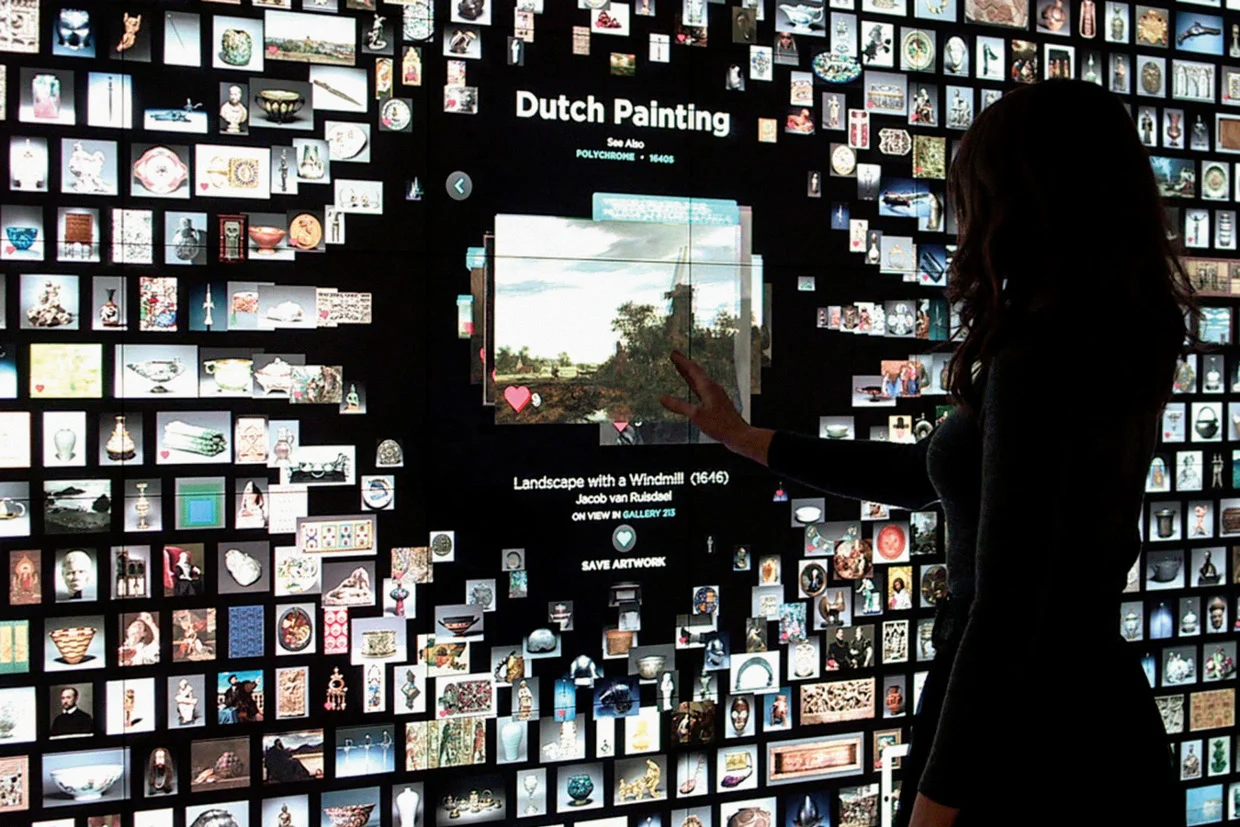
Twenty years after Nicholas Pioch established the WebMuseum, online technological innovations make it possible for art museums of all sizes to share their collections with audiences more broadly than ever before. Be it an exhibition that exists solely online or a searchable repository to aid both professionals and casual users, the ability to provide unique artistic experiences for constituents worldwide allows museums to reach individuals who otherwise may not visit the physical premises housing their collections. For those organizations wishing to improve their online presence, how to get started?
Technologies to Deepen and Grow Board Engagement
As arts organizations grapple with how to keep board members active and engaged, computer software and online technologies provide affordable means to address common governance challenges. From conflicting communication styles to assessment of board performance, these tools enable organizations of all sizes to improve the efficacy and efficiency of their board members, ultimately leading to increased engagement. AMTLab's newest publication, Computer Software and Online Technologies to Deepen and Grow Board Engagement, explores options for cloud-based document management, private social networking, integrated calendars, and online assessment, discussing how each can be used to resolve common issues facing boards of nonprofit arts organizations.
Data That Matters: Three Metrics to Grow Audience Relationships
This article is cross-posted on the blog Analysis from TRG Arts.
With the arts and cultural annual conference season in full swing, we’re thrilled to see the priority that integrated patron loyalty now has in field dialogue. Prioritizing patronage can have a real impact—on year-over-year revenues, the volume of people attending and visiting arts and cultural organizations, organizational relevance, and more.
Performing Arts in the Wearable Age
Wearable computing devices--including smartwatches, fitness and health tracking devices, and smartglasses--are projected to quadruple between now and 2018. What does their increased use mean for the performing arts? In their follow-up paper to "Through The Looking Glass: How Google Glass Will Change the Performing Arts," guest correspondents Thomas Rhodes and Samuel Allen explain wearable technology, provide an overview of current experiments with these devices among performing arts professionals, and discuss potential implications and challenges for the field.
What's On Your Phone, Maura Lafferty?
Independent PR professional Maura Lafferty shares her favorites apps in the What's On Your Phone? series. Check it out here.
New Publication Available: Social Media Management Software
With nearly 75% of all Americans using social media as of 2013, arts organizations of all sizes increasingly need to devise social media plans to determine which platforms to use and manage how they use them. But particularly among small arts organizations, where time, staffing, or other resources often fall short to effectively implement a social media plan, social media management software is particularly valuable.
And the Winner Is! Results of the 2014 AMT Lab Reader Poll
Does Data Collection Matter? Only If You Care About Revenue
This article is cross-posted on the blog Analysis from TRG Arts.
As summer approaches, many museums and festivals are preparing for their busiest season of the year. Peak visitation and big events often mean an influx of new visitors or ticket buyers. We’re reminded at TRG how critical cultivating those newcomers is.
Research Update: Technology Planning in Crowdsourced Exhibition
Crowdsourcing was coined as a term in 2006 by Jeff Howe, editor of Wired Magazine, when he wrote, “Crowdsourcing represents the act of a company or institute taking a function once performed by employees and outsourcing it to an undefined network of people in the form of an open call. The crucial prerequisite is the use of the open call format and the large network of potential laborers.”
Use Technology to Help your Board Prioritize Private Philanthropy
Many board members have difficulty understanding fundraising as a task in which they need to take part, believing that government grants and a capable development director will be sufficient. BronxWorks proves that with the right planning, convincing your Board to embrace philanthropy is possible. Through this, Board members will be better positioned to play an active role in the fiscal health of the organization.