




Technology and Immersive Audience Engagement: Part I of II

Technology and Immersive Audience Engagement: Part I of II

Last week's Theatre Communications Group conference presented a changing perspective on audience engagement that uses technology.  Tweet Seats are definitely on the outs.  This 2 post series, however, focuses on the more immersive experience with two organization's successfully engaging their audiences.  Their audiences must engage in some if not multiple forms of technology to partake in the theatrical story itself.  The two organizations are Dog and Pony DC  based in Washington DC and Rude Mechanicals based in Austin.  Both use technology before, during and after the show. Dog and Pony DC's company member, Colin K. Bills, presented as part of a panel led by David J. Loehr of twitter handle @2amt (and 2amtheatre.com).

We Have 10,000 Followers! ...Now What?

We Have 10,000 Followers! ...Now What?

I don't know if you know but Technology in the Arts has a Twitter account - it's true! And @TechInTheArts has reached its goal of 10,000 Twitter followers! Huzzah! Break out the champagne! We're going to dance all night, such an achievement has never been reached by mankind before!* Unless, of course, 10,000 is an arbitrary number that just seems important. Sure, it's a milestone, but what does that really mean for an organization? What does that mean for Technology in the Arts?

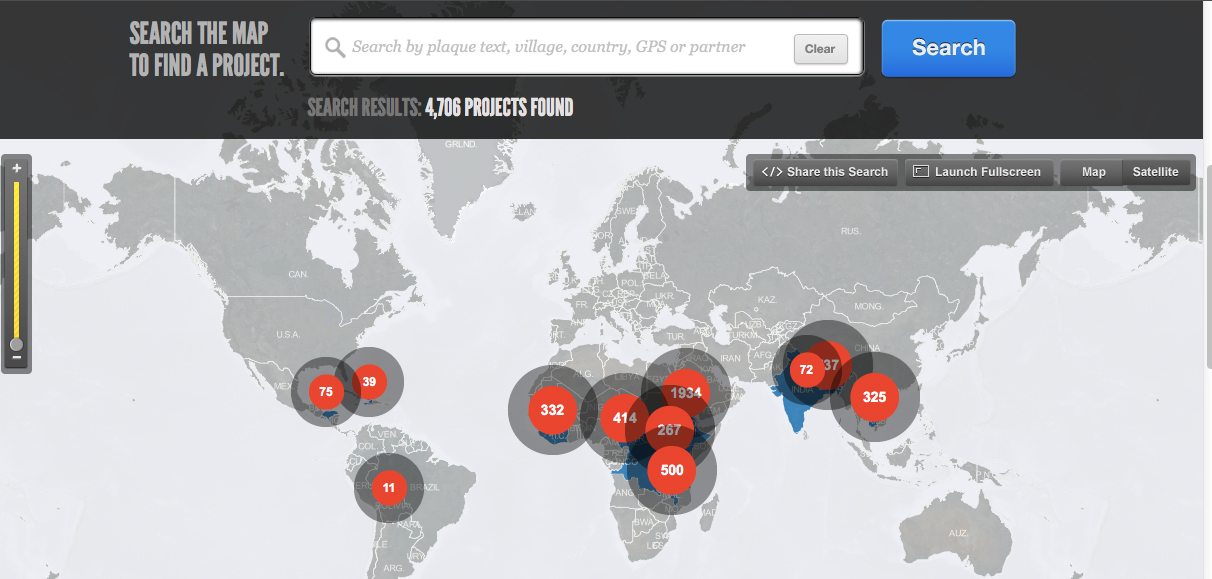
What Can We Learn? Part 3: Charity: water

What Can We Learn? Part 3: Charity: water

So far in this series, we've examined some of the strategies that non-arts nonprofits are using to engage and promote participation among their constituents, as well as their implications for success in the arts. To wrap up, we'll look at Charity: water, a nonprofit that aims to bring clean and safe drinking water to the 800 million people in developing nations who do not have access to it yet. Charity: water operates with a distinctive funding model: 100 percent of public contributions are used to directly fund mission-based projects, while operating costs are funded by other sources such as foundations and private donors.

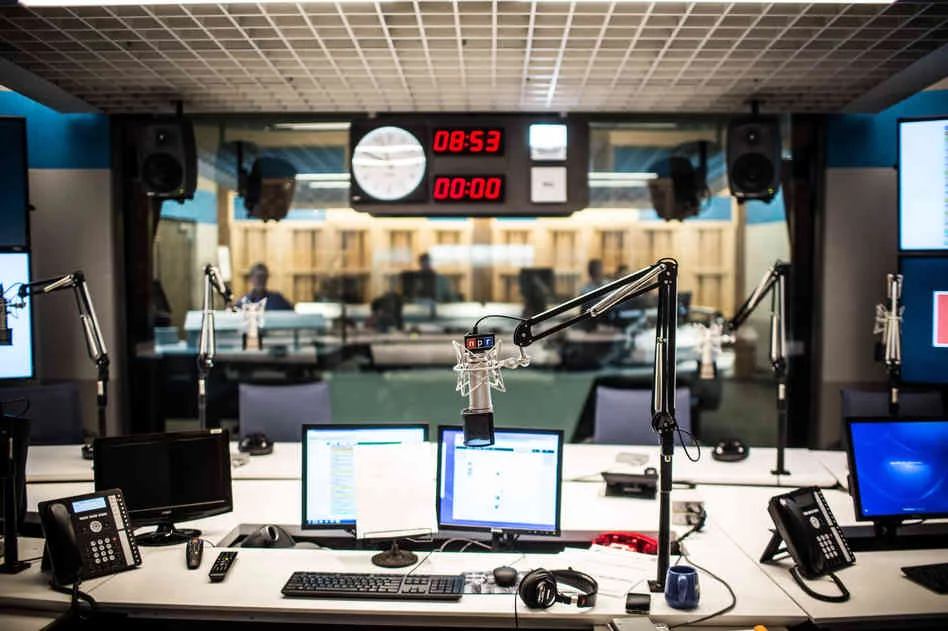
What Can We Learn? Part 2: Public Radio

What Can We Learn? Part 2: Public Radio

A while back we examined some of the creative ways in which the Nature Conservancy uses its web presence to promote engagement with its constituents. The arts and our public radio comrades have much in common with regard to audience development and engagement challenges. In the spirit of pledge drive season, we'll take a look at what regional public radio institutions are doing online to create a stronger sense of community and participation, even without the benefit of a physical space.

Opera America: Celebrating 13 Companies’ Strategies for Audience Development

Opera America: Celebrating 13 Companies’ Strategies for Audience Development

This week, Opera America announced the thirteen opera companies selected to share $300,000 in grants to support programs and projects that increase first-time opera attendance and return visits. The individual grants range from $7,500 to $30,000. The thirteen companies (and their projects) are:

Gamification in the Arts part 4: Gamification for Marketing

In past articles we tackled analysis of gamification as a tool for arts organizations as well as some methodology about how to design a game or game elements.  This post will relate to how gamification can be used as a tool for marketing efforts. Gamification can be message, channel, and even marketing education.  A game can be a marketing channel of its own for your organization or it can reside within a number of other channels.

When Arts Play with Data

When Arts Play with Data

As a new buzzword, “Big Data” is all over our daily lives. However, the tech industry specializing in data collection and analysis doesn’t mean that other industries haven’t found value in using data. For anyone who knows baseball (or has watched Moneyball), we know that data analysis has become part of the player selection process. From a business perspective, big data enables companies to mix their patron data into a broader pool of consumer data and extract correlations that help them know with unprecedented specificity who are most likely to respond to their appeals. The great thing about data is that it replaces guesswork with facts and gives these corporates reliable answers, clear directions and predictable results. The not-so-great thing is that it replaces personal expertise and human intuition with cold hard math, a process that arts administrators who’ve built their careers on creative management practices might have trouble getting used to.

What Can We Learn? Part 1: The Nature Conservancy

What Can We Learn? Part 1: The Nature Conservancy

In the arts, it's only natural to look to peer organizations in our field for gathering new ideas and benchmarking our success. However, there are countless technology and engagement lessons we can learn from institutions unrelated to the not-for-profit arts sector. Over the next few weeks, we'll be looking at creative web engagement strategies used by such institutions that can serve as inspiration for the arts industry.

HintMe: a Shared Mobile Museum Platform on Twitter

HintMe: a Shared Mobile Museum Platform on Twitter

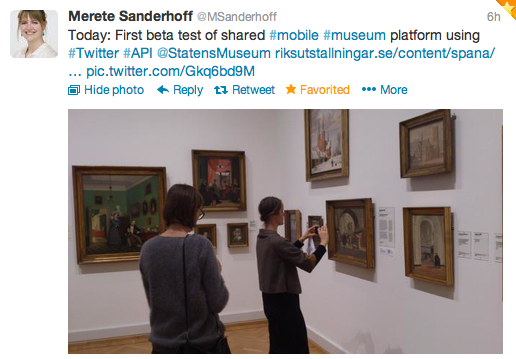
FIRST: I want to direct you to this website where you can read an interview about HintMe with Merete Sanderhoff, a researcher at the National Gallery of Denmark, and a case study about the Danish museums using Twitter. But for the fast facts…

Who: The National Gallery of Denmark (Statens Museum for Kunst) and 11 additional Danish art museums.

What: HintMe is a shared mobile platform with the aim of opening up museums' collections by making content re-useable and freely sharable. At the same time, the platform has the potential to increase user engagement with the museum, its artwork, and between visitors themselves. Here is why it is brilliant: HintMe makes use of an existing platform, Twitter, and a style of communication that has become increasingly familiar and popular, the hashtag. #sohotrightnow

Modern Website Design: The Rijksmuseum

Modern Website Design: The Rijksmuseum

What art museums do you know with great websites? The Walker Art CenterMoMA? Can you name any that do not focus on contemporary or modern collections?

Spoiler alert: I can - the Rijksmuseum.Yes, I am on a Rijksmuseum kick.

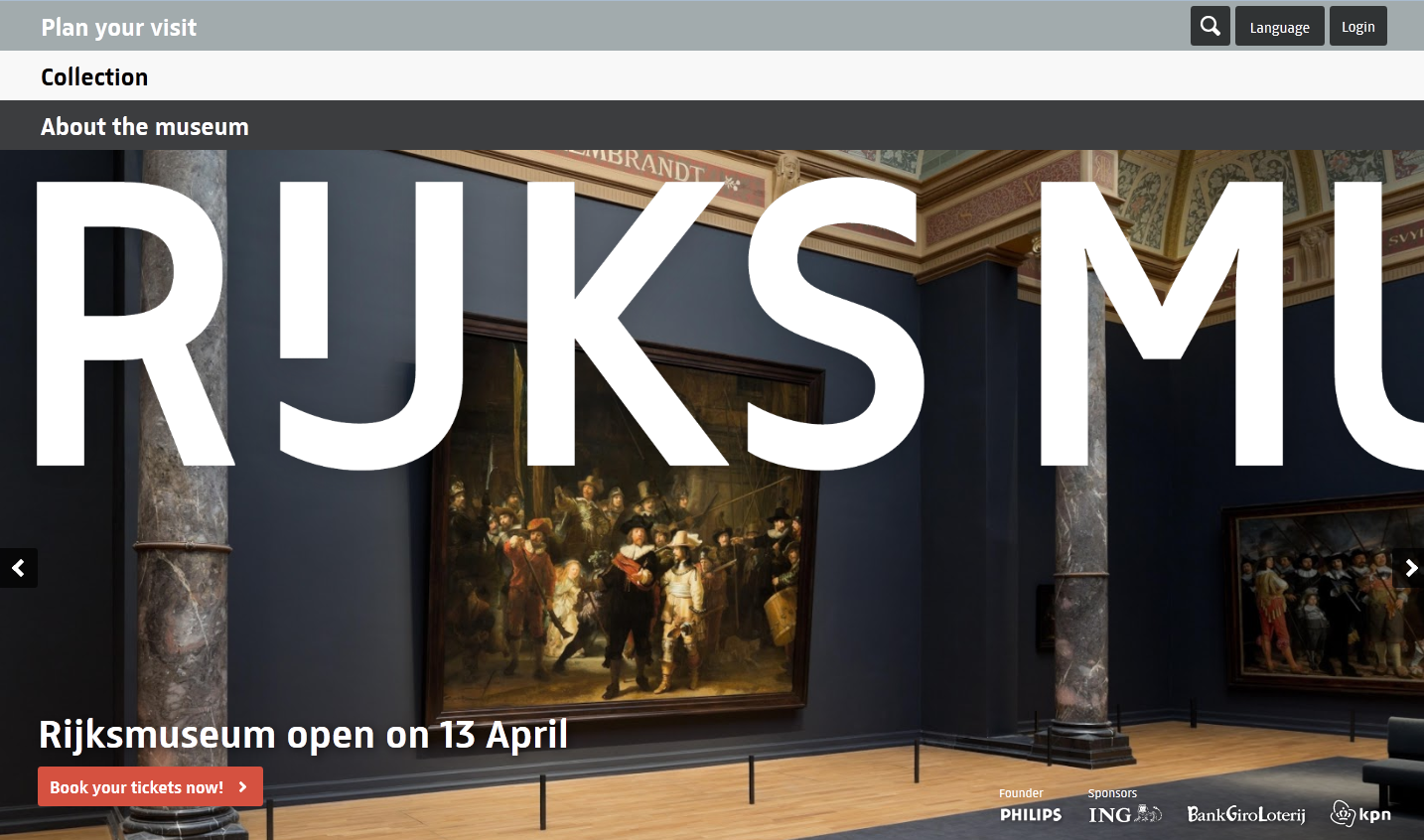
In honor of the Rijksmuseum’s gorgeous restoration, let’s talk about how an art museum with an extensive traditional collection can successfully leverage good website design. I would argue that a contemporary or modern collection is not a prerequisite for an engaging website.

Flipboard: A Design and Data-driven Future

Flipboard: A Design and Data-driven Future

The news-reading app Flipboard just rolled out a major update—allows users to create their own personalized “magazines” for public viewing. The feature allows users to pull articles from a variety of sources, including Facebook, Twitter, SoundCloud, LinkedIn, Instagram and Tumblr. Users can also pull articles from the Web browser by adding Flipboard’s new bookmark “Flip it.” In a video below, Flipboard founder Mike McCue picked up a magazine built by a fan of the Coachella Valley Music and Arts Festival. It looked pretty neat, full of news and stories about artists performing at the event, together with relevant videos and even music that you can tap on and have playing in the background. Everyone can comment on the magazines.

Health, Happiness and the Hospital Hallway: An Interactive LED Installation

Health, Happiness and the Hospital Hallway: An Interactive LED Installation

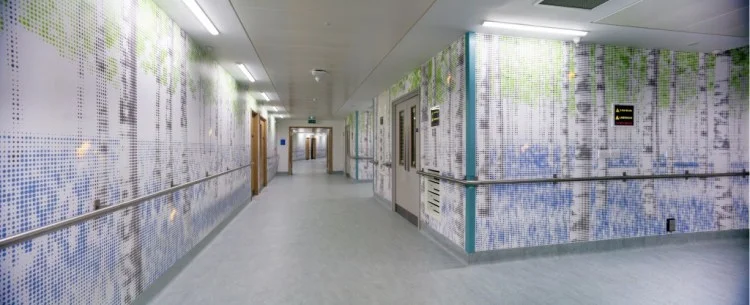
At Great Ormond Street Hospital in London, a children’s hospital, designer Jason Bruges has installed an interactive exhibit that is truly on a child’s level. Bruges embedded 70 LED panels comprised of 72,000 LED lights in the walls of a long hallway leading to an operating theater where young patients undergo anesthesia and then surgery. On the walls, Bruges applied custom-designed, graphic wallpaper. The display is called ‘Nature Trail’ and animates different scenes and animals from nature using light patterns.

50 quick resources online for arts managers engaged in arts education

50 quick resources online for arts managers engaged in arts education

Lisa Cheeses’ exploration of 50 approaches to arts integration offers arts educators a fresh perspective to examine their lesson plans.   In addition to arousing children’s interests in art, arts education is playing a more powerful role of inspiring children to learn the world in creative ways, ways they like. This article inspires arts managers and arts education to rethink arts education from an integration  perspective: why not add mathematical or scientific elements to the arts education programs?

Gamification in the Arts, Part 3: Game Design

Gamification in the Arts, Part 3: Game Design

Game design is, unfortunately, something that not many people are skilled at.  The chances of being able to find and hire an experienced game designer in your area is slim.  This leaves two options: consultants, or the process of educated trial and error.  The iterative process:  create a game, try it out, go back to the drawing board and improve it, try again. Almost anyone can ultimately find success in designing a game layer for use with a marketing, development, or educational effort

A Digital Art Collection: LACMA and the Rijksmuseum

A Digital Art Collection: LACMA and the Rijksmuseum

There’s something neat about looking at your favorite work of art online. Services like the Google Art Project and Painting Portal allow users to view a multitude of works from around the world. You can zoom in way closer than you’d ever be allowed to be in a museum. You can return to the images online whenever you want, without paying an entry fee. And the latest trend we’re seeing, you can download the images for whatever you want.

So You Want to Be a Mobile Optimization Star?: 4 Lessons from the Kennedy Center

So You Want to Be a Mobile Optimization Star?: 4 Lessons from the Kennedy Center

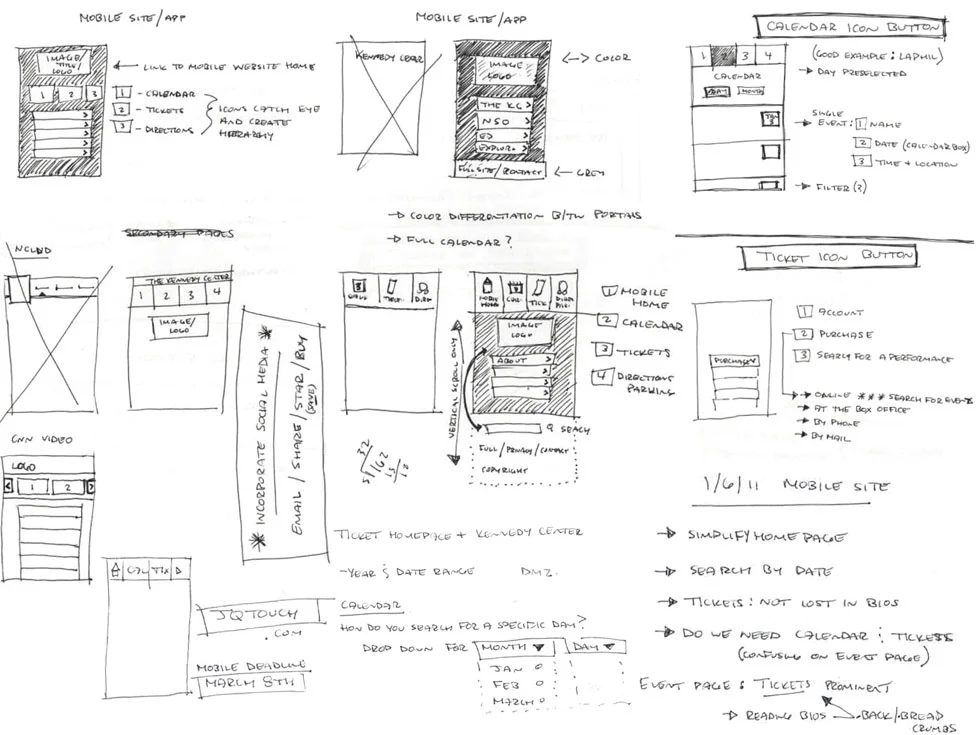
Focusing your resources on a great mobile website can often be a more cost-effective route than creating an app.  The Kennedy Center demonstrates the full potential of a mobile-optimized website with an efficient interface designed with patron usability in mind.  As long as mobile tech remains a relatively new outlet for reaching our constituents, there are countless things we can learn from their example, but here are 4 to get you started:

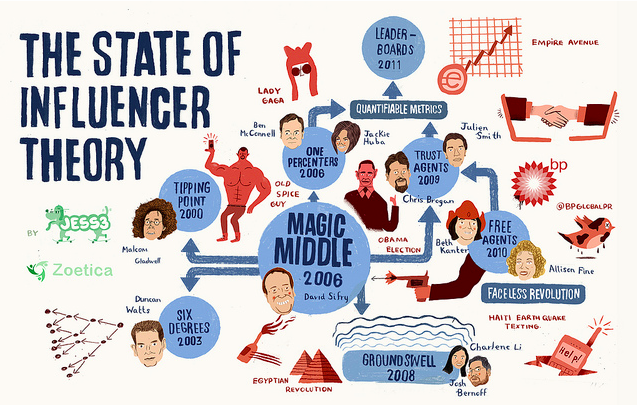
Want to succeed in social media marketing? Work with influencers!

Want to succeed in social media marketing? Work with influencers!

Are you the one who used to think the number of fans reflects the effectiveness of a social media campaign? According to a recent Technocrati study, Facebook likes ranked as the most important metric when evaluating a social marketing campaign. However, this changes when people are getting more sophisticated about using social media—they do not take seriously the “like” button anymore. Now, we need to realize that social influencers, who can spread a brand’s message effectively, considerably determine the success of a social media campaign.

Bringing Art and Discussion to a Computer Near You: Introducing Google Art Talks on Google+

Bringing Art and Discussion to a Computer Near You: Introducing Google Art Talks on Google+

I am mildly obsessed with Google Cultural Institute. Why, you ask? It's two-fold. Firstly, Google has implemented its newest project to supplement the Google Art Project, Google Art Talks on Google+. As published on Google's Official Blog, "Each month, curators, museum directors, historians and educators from some of the world’s most renowned cultural institutions will reveal the hidden stories behind particular works, examine the curation process and provide insights into particular masterpieces or artists."

Is Computer-assisted Technology Killing Arts Designs?

Is Computer-assisted Technology Killing Arts Designs?

There is one unchanging feature about technology.  In a continuous process, the technology becomes ever smaller, faster, and cheaper. One of the examples lies in the jewelry industry.  The jewelry designers are rethinking their manufacturing practices, using state of the art computer software programs for designs that they would have done by hand previously. The reason why traditional methods are left behind is these computer-assisted designs can be produced faster and cause a proliferation in the market.