
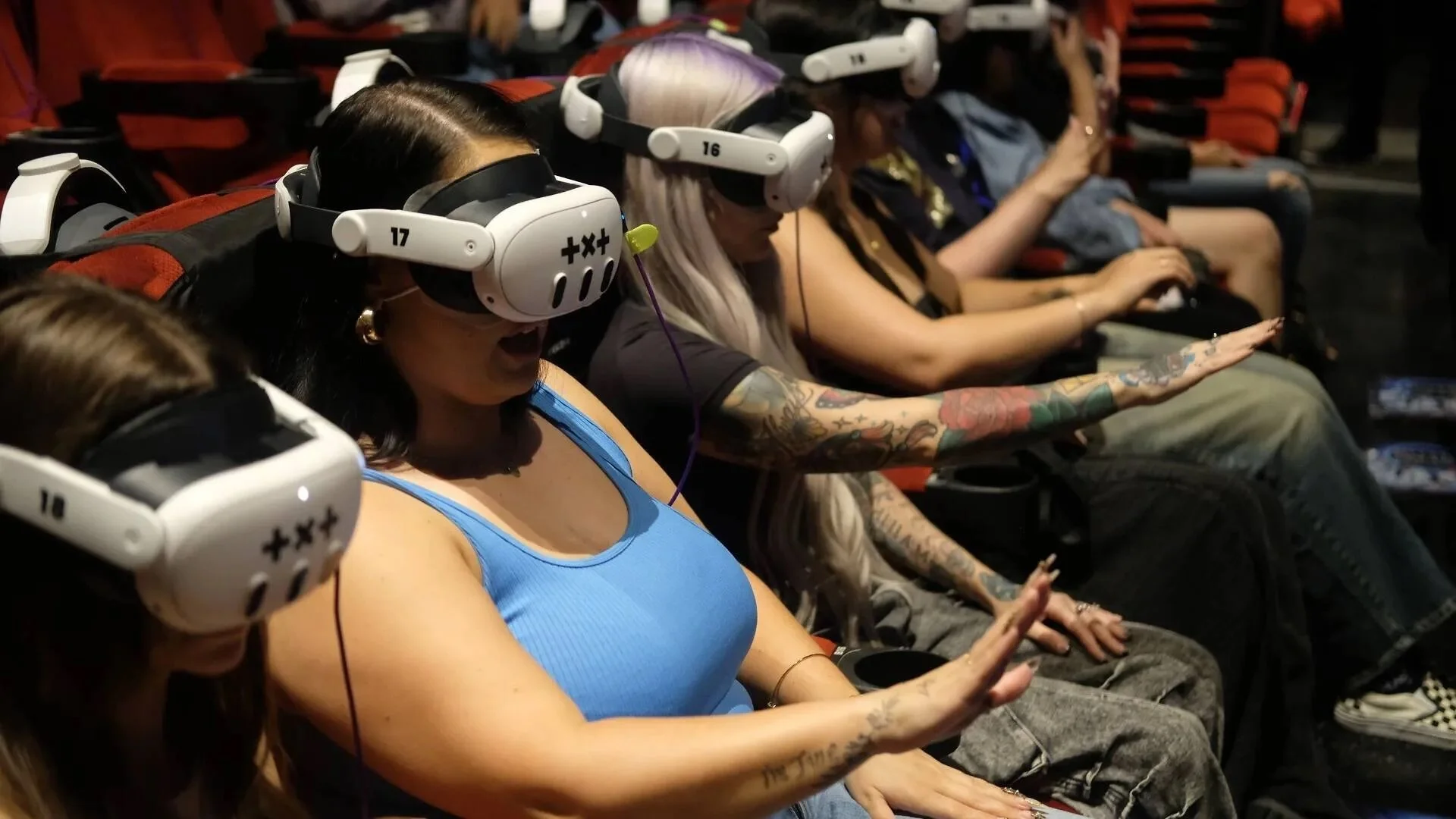
For many years, the gaming industry has successfully adopted and utilized immersive realities like virtual reality (VR). As this technology continues to adapt and improve, more industries are willing to explore the possibilities of VR. The entertainment industry has begun to expand its VR integration from gaming to film, theatre, and music. While music labels and artists have been slower to grasp the potential of VR, VR concert experiences are beginning to find an audience. Understanding the potential for VR in the music and concert industry and what fans are looking for in a VR experience is important when considering how labels and artists should integrate and invest in VR content.
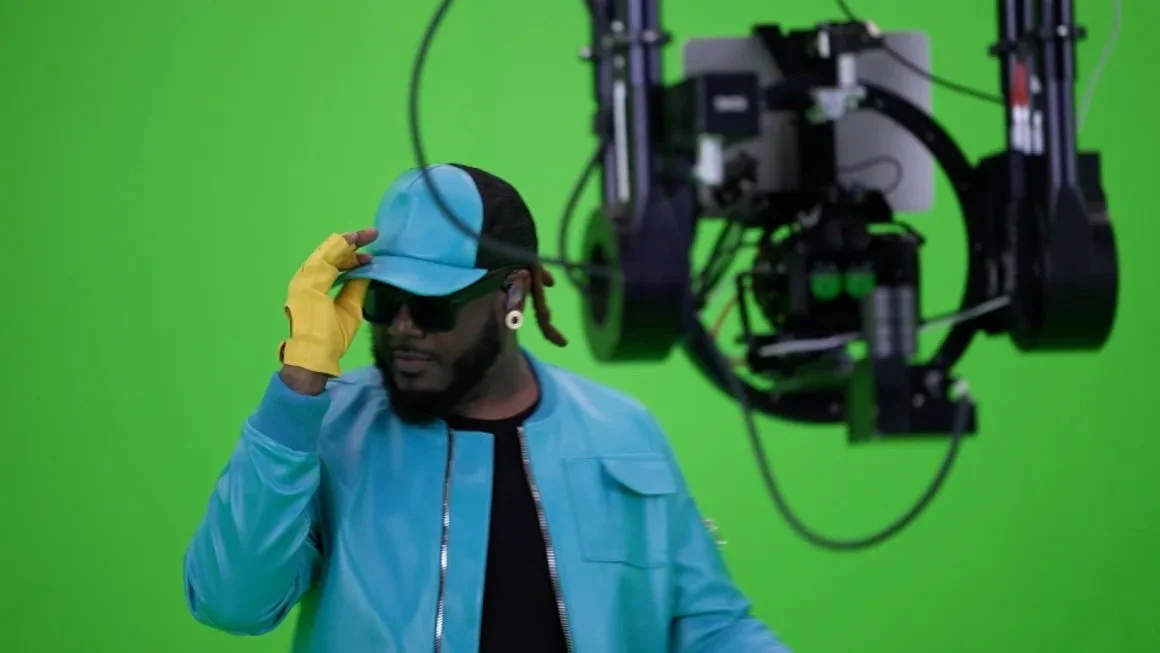
Image 1. Behind-the-scenes, T-Pain recording his VR concert with AmazeVR
Source: CNN
Background
When the pandemic began in 2020, all live events and concerts were cancelled. Music labels and artists had to find alternative revenue streams and methods of reaching their fans. One country that was quick to adapt to the COVID crisis was South Korea. K-pop labels began hosting virtual events, like video calls, where fans could still meet their favorite K-pop idol. Korean labels also used this time when live events and tours were impossible to create more social media content and record more music.
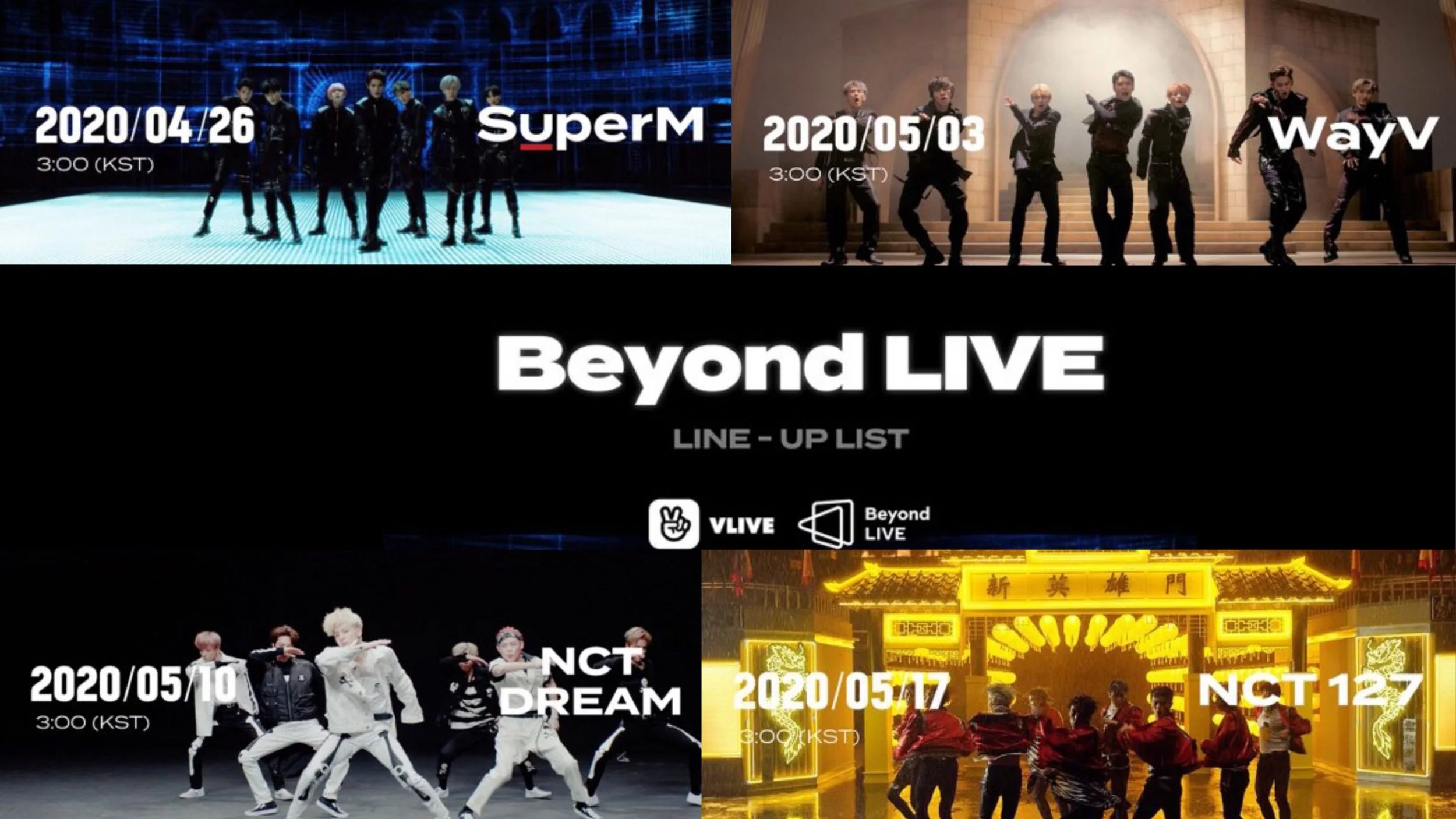
Image 2. Beyond Live live-streaming, VR platform showcasing K-pop VR concerts
Source: Beyond Live
In 2020, SM Entertainment, one of the largest K-pop labels, partnered with Naver to create Beyond Live, a live-streamed, VR concert series. Beyond Live’s first concert with K-pop group SuperM demonstrated the potential for VR. Forbes reported $2 million in ticket sales with 75,000 online viewers worldwide. Not only did this event create an accessible and safe experience for fans, but this series also proved that VR concerts can be profitable.
Comparing VR Concert Formats
VR concerts can and have been produced in several formats. Examining two VR companies, AmazeVR and Meta, we can compare the benefits and the limitations of each unique VR experience that these companies have produced.
Meta VR Concerts
Meta’s VR concerts are a pre-recorded series that fans can watch in Meta Horizon World’s Music Valley using a Meta Quest headset. Several artists have partnered with Meta to record concerts, including Kid LAROI and Sabrina Carpenter. These Meta concerts allowed users to interact with other fans as avatars and change their perspective in the audience, shifting their point of view and giving users more control.
AmazeVR Concerts
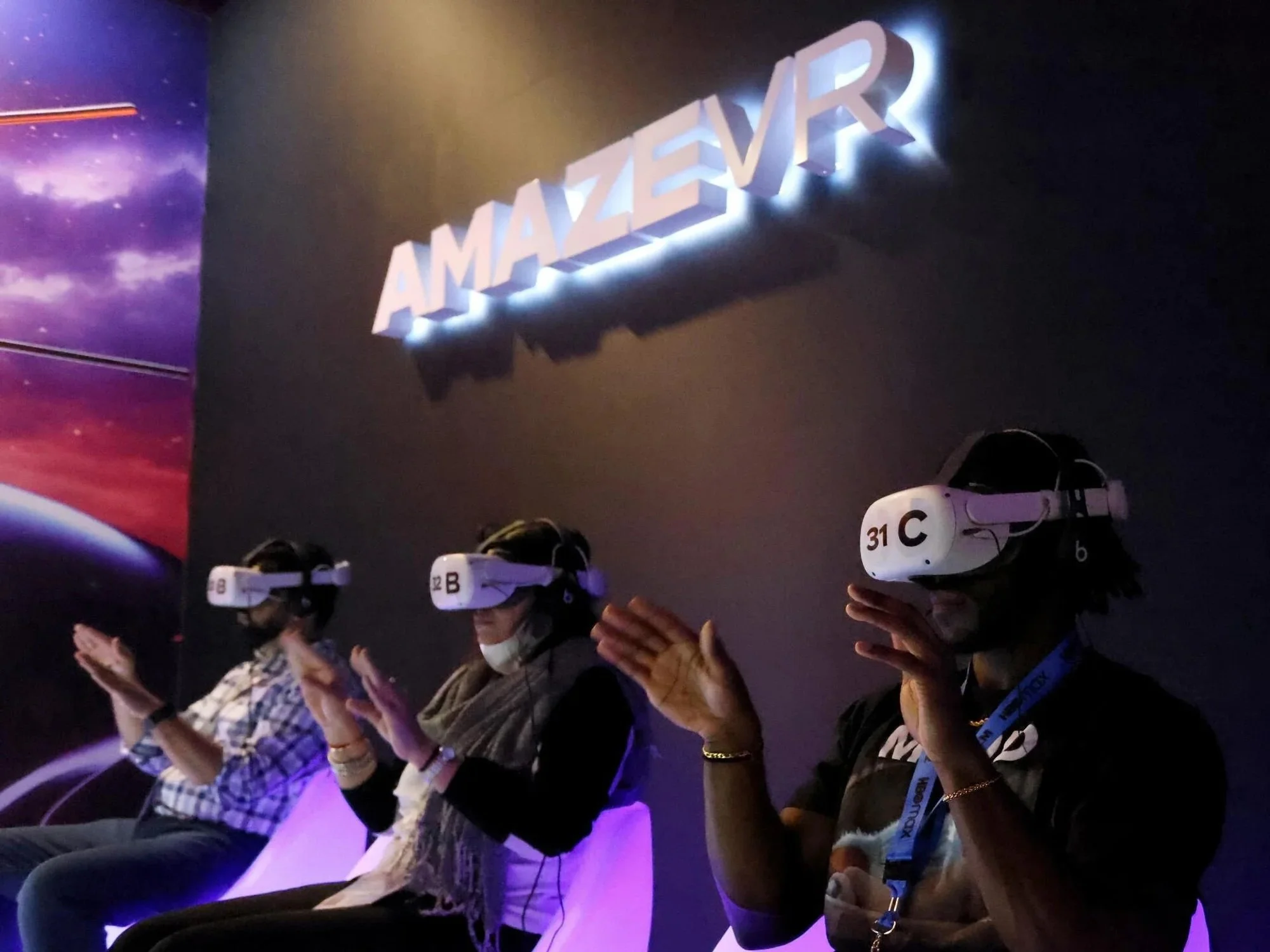
Image 3. Fans participate in AmazeVR’s concert experience
Source: AmazeVR
AmazeVR is another production company that works with artists to create pre-recorded VR concert experiences. They have worked with artists like Megan Thee Stallion, UPSAHL, Zara Larsson, T-Pain, Avenged Sevenfold, and recently HYBE’s popular K-pop group, TOMORROW X TOGETHER. Rather than being surrounded by other avatars, AmazeVR’s concerts are completely immersive and solely focused on the artist.
While their content can be purchased and watched on a personal VR headset, AmazeVR is also organizing VR theater tours. Rather than buying an expensive VR headset to use at home to watch a concert, these tours gather fans in theaters where they are given headsets. This not only makes VR concerts more accessible by providing the devices, but fans also experience concerts with other fans, creating a unique, social experience. After AmazeVR’s first successful tour with Megan Thee Stallion, they partnered with HYBE in 2024 to produce a VR theater tour for TOMORROW X TOGETHER. The success of these tours opened the door for artists and AmazeVR to produce even more VR theater tours including K-pop group aespa and K-pop artist KAI.
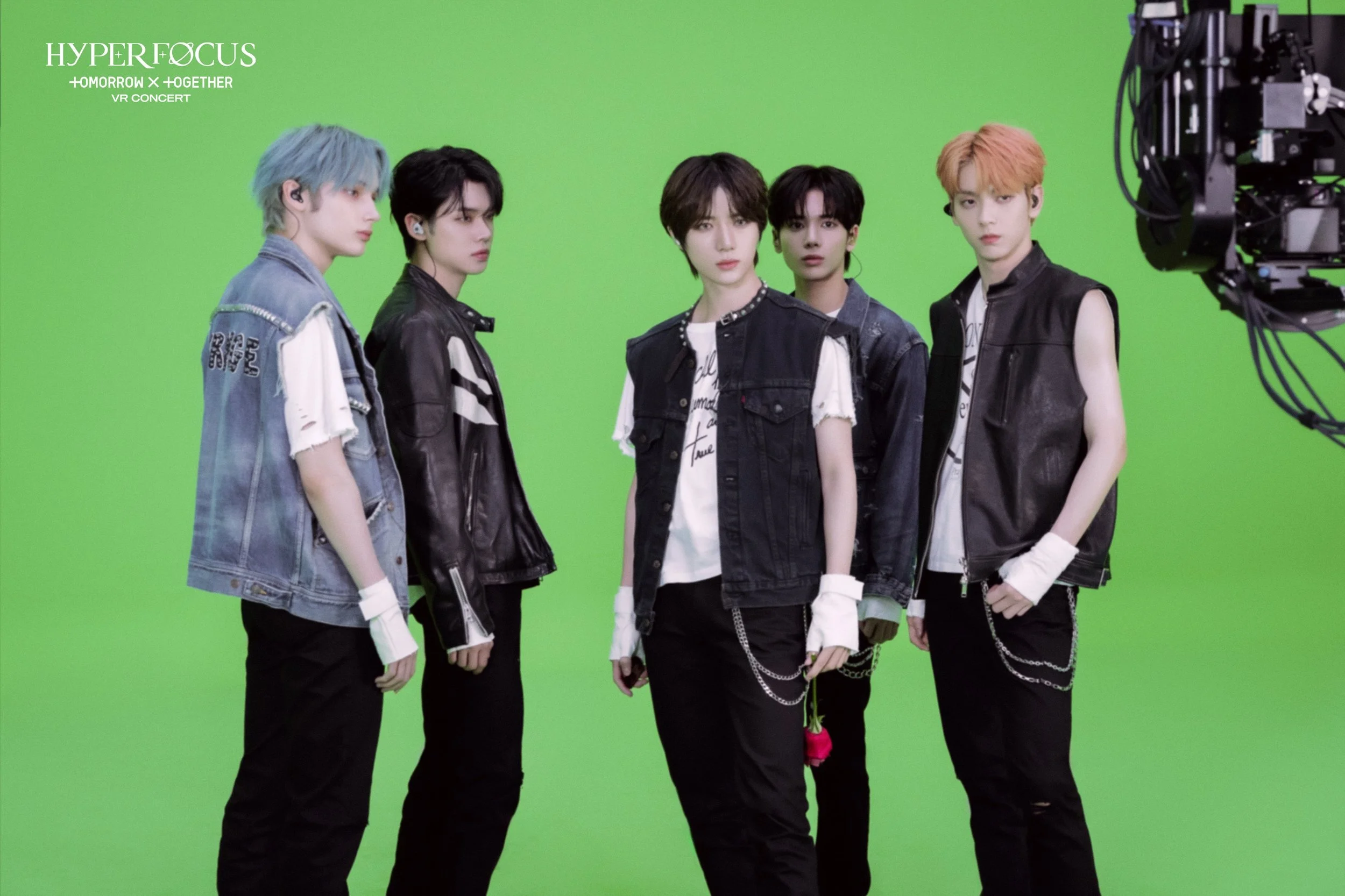
Image 4. Behind-the-scenes, K-pop group TOMORROW X TOGETHER recording their VR tour with AmazeVR
Source: AmazeVR
To learn more about AmazeVR’s vision for the future of VR concerts and the ideas behind the VR theater tour, I interviewed Carnegie Mellon University alum, Kuk Kim, who is AmazeVR’s VP, Head of Production. When discussing AmazeVR’s reasons for their theater setup, Kuk discussed the importance of good audio in maintaining the quality of an immersive experience. AmazeVR improves on Meta’s experience. Speakers in the Meta Quest’s headsets do not offer quality audio, and even though this can be rectified by wearing higher quality headphones, Kuk states, “If everybody's putting headphones on, I think it isolates you in the space. You need to hear the other fans’ reactions, too, in real time.” Furthermore, by hosting these concerts in theaters, the audio’s quality will significantly improve without headphones, and fans are able to hear each other, allowing for a more social experience where fans feel connected with the artists as well as each other.
Testing User Experience with VR Concerts
It is important for labels and artists to understand what music fans want, in order to invest resources and funds into creating valued VR experiences. To find out what music fans think about VR concerts, I conducted an experiment where participants viewed multiple VR concerts to compare and offer feedback. Using a Meta Quest headset, participants watched Meta’s Kid LAROI concert and AmazeVR’s TOMORROW X TOGETHER and Zara Larsson performances. While all three participants favored different experiences, the feedback and recommendations were similar.
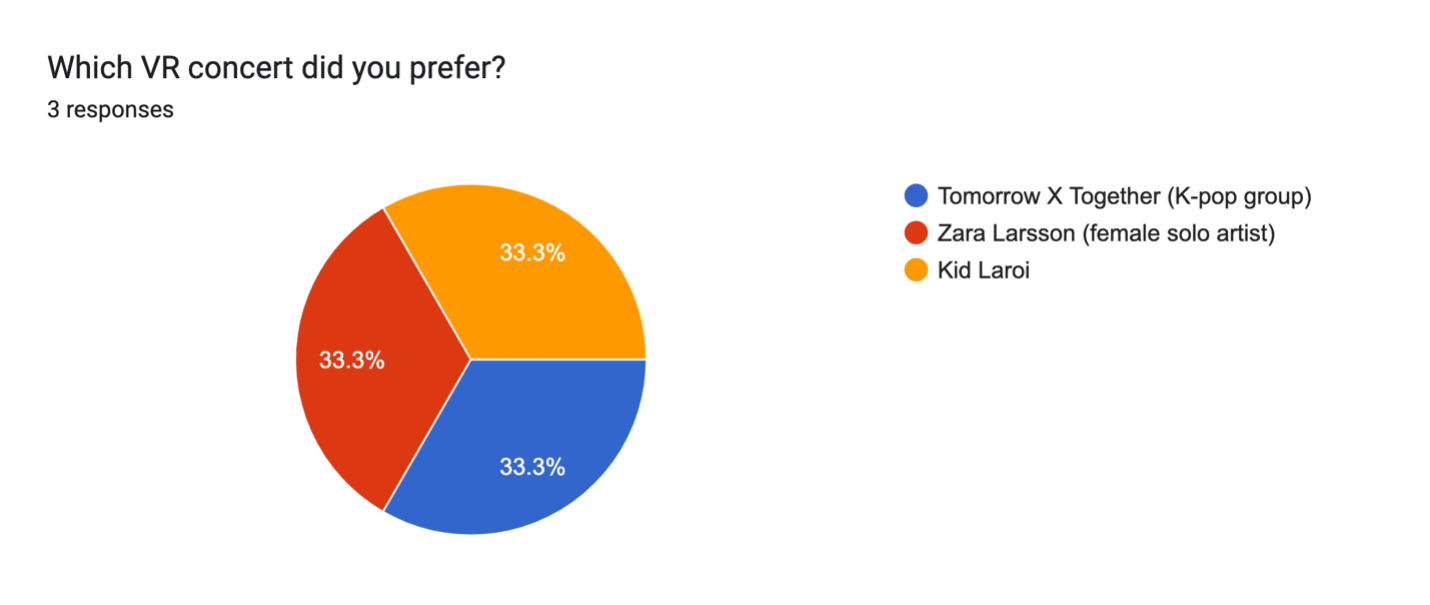
Figure 1. Pie chart sharing results of participants’ concert preferences
Graphic by Author
User Control & Perspective
Meta’s format allowed users to change their perspectives, walk around the Music Valley in Meta Horizon World, and interact with avatars. During both of AmazeVR’s concerts, each participant expressed dissatisfaction with the lack of control over perspectives and being unable to change their proximity to the artists, “The other two concerts (AmazeVR’s TOMORROW X TOGETHER and Zara Larsson) were more immersive and felt more fun however the angles were a little too up close.”
When speaking to Kuk about the possibilities of giving users more control over perspective and proximity, he discussed why AmazeVR chose a format without these options, “Heavy headset users, like gamers wanted more freedom, like changing the angle and moving around. But many music fans were new to this technology and giving them freedom of control had their brain overloaded.” Because figuring out how to use controllers proved to be more of a struggle and challenge for new users who wanted to “focus on the artists’ presence,” AmazeVR chose to simplify the experience to suit a broader audience.
SociaL Interaction
During Meta’s Kid LAROI concert, participants were able to interact with fellow audience members in avatar form while watching his performance. Both of AmazeVR’s performances were completely immersive and solely focused on the artists without the social aspect and avatars. One participant favored Meta’s concert over AmazeVR’s concerts due to the social opportunities to interact with the avatars, but others agreed that Meta’s concert was more distracting, “The Kid LAROI experience felt like I was just walking around with other avatars while watching a screen. I didn’t really feel the gravity of being in the metaverse.” While Meta gives you more control, it is less immersive and more about the audience than the artist.
In-person vs. VR Concerts
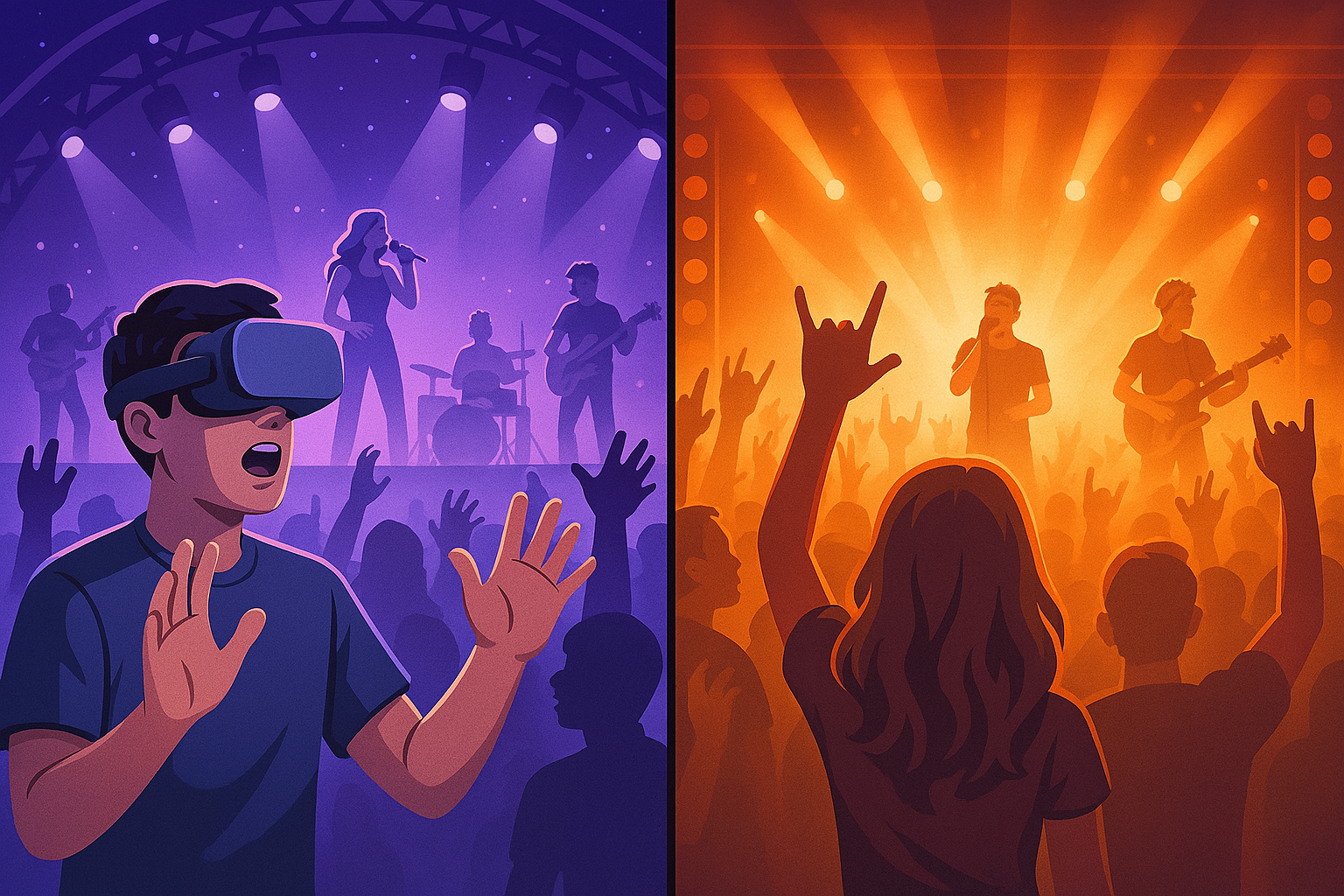
Image 5. VR and in-person concerts are both unique but different experiences
Participants of the experiment were asked to compare in-person concerts with the VR concerts. Finding it vastly different one participant commented, “It doesn’t even compare or come close to an in-person concert for me. I prefer having the unique one-on-one experience with other concert goers and the artist and to really feeling the music and social experience.” Other participants shared the same feedback regarding the lack of social connection during VR concerts, also expressing discomfort wearing the headsets and feeling limited by the controllers.
Limitations of VR Technology
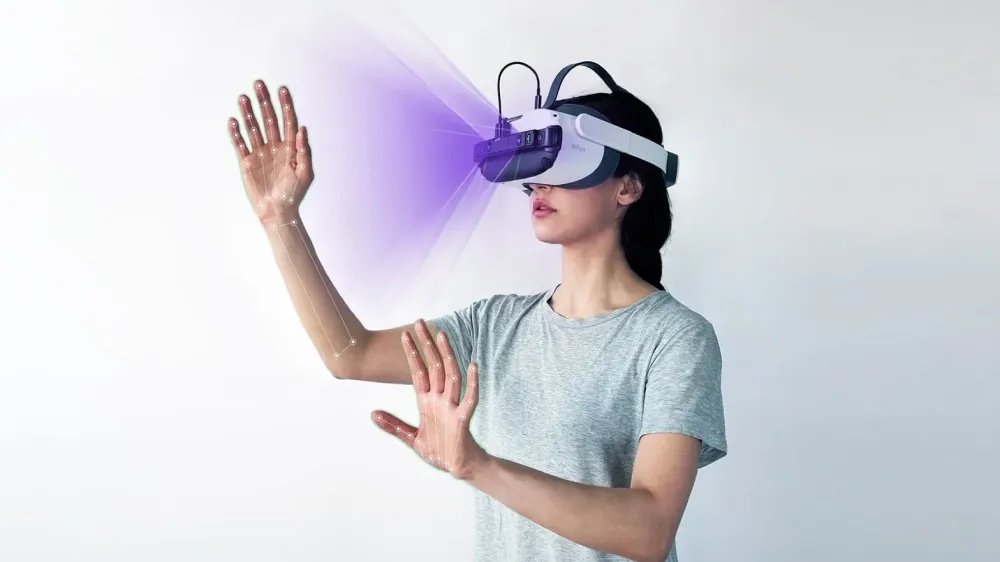
Image 6. Haptic feedback can create a more immersive VR experience
Video Quality & Haptic Feedback
One of the obvious limitations of VR concerts include visuals and haptic feedback. London’s Associated Board of the Royal Schools of Music held a panel on technology and the future of music. Guest speaker and panelist Dr. Tara Venkatesan, the Director of Cognitive Science Research at Universal Music Group, discussed a VR concert experiment incorporating haptic feedback to users wearing special devices. “We found that when people were listening to a VR concert with the haptic wearable devices, they felt a great sense of parasocial connection to the artist. They felt greater sense of social presence, this feeling that someone was in the room with them.” When asked about incorporating more haptic feedback during VR concerts, Kuk mentioned the potential of using 4DX chairs for VR theater concert tours to replicate motion and music vibration.
““We found that when people were listening to a VR concert with the haptic wearable devices, they felt a great sense of parasocial connection to the artist. They felt greater sense of social presence, this feeling that someone was in the room with them.” ”
Participants in the VR concert experiment brought up the graphic and video quality of the experiences, finding that while the VR concerts offered good quality most of the time, there were moments where the quality was lower or even blurry, disrupting the feeling of immersion. As technology improves and evolves, these limitations could be temporary.
VR Headsets
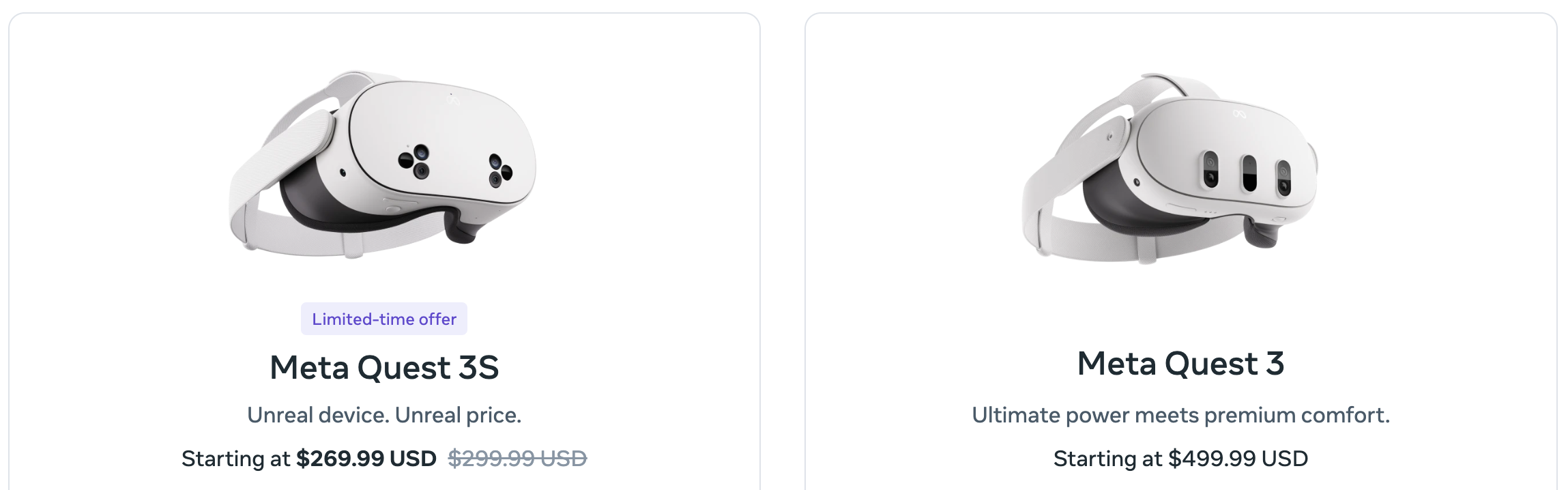
Image 7. Meta Quest headsets are expensive for most people
One major drawback of VR are the cost of headsets. Meta Quest headsets range from $270-500 while many other companies’ headsets are priced much higher. These steep prices of headsets have a large impact on why the industry is slow to evolve and grow. A common complaint users express is that current models of VR headsets are also heavy and uncomfortable, often causing headaches. Two participants who experienced the VR Meta and AmazeVR concerts said they would not invest in a VR headset due to the discomfort and the heavy cost. The third participant said they would consider purchasing a headset, but the individual was also concerned by the prices. If more affordable and wearable devices were made available, there would be much more potential interest and buyers.
VR Concert Potential
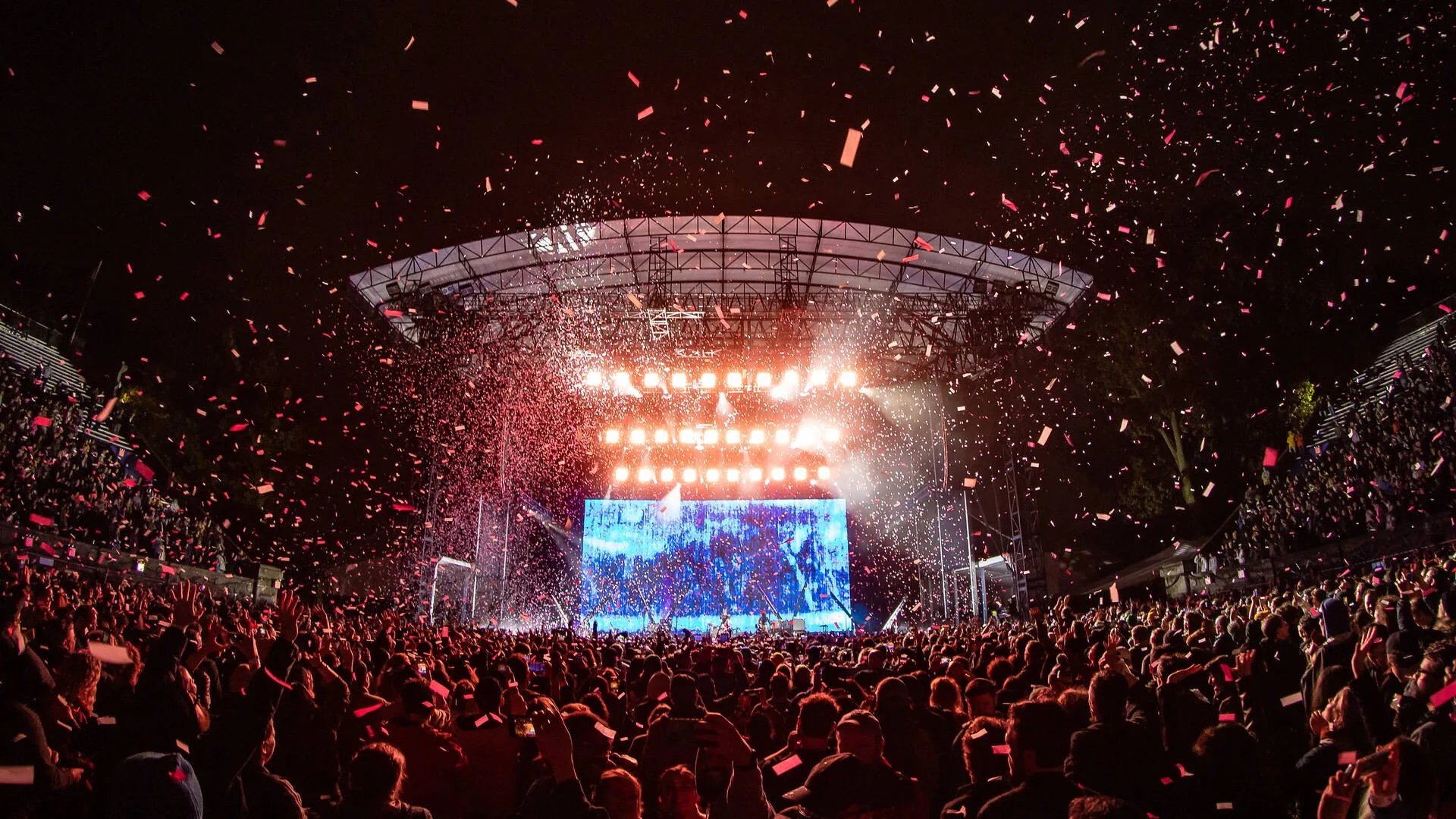
Image 8. Forest Hills Stadium live music event
Source: Chris Lavado
VR Concerts offer a Unique Alternative
VR concerts will never replace live, in-person shows, and according to AmazeVR’s CEO Steve Lee, they aren’t trying to. In an interview with Korean JoongAng Daily, Lee stated, “VR concerts would never totally replace real-life concerts, but we believe that they are a strong alternative for people who either want to see the stars up close or for people who just can’t go to offline concerts.” As seen during the pandemic when live events and tours were impossible, VR concerts provided connection with artists and entertainment for fans.
““Artists can only tour in certain countries, which leaves out fans in different corners of the world. We can create content from just a day’s work with the artist and distribute that all around the world.” ”
Accessibility Through VR ExperienCes
Providing accessibility is one of the major benefits of VR. For various reasons, many fans may be unable to attend in-person concerts. They could have physical limitations or the cost of tickets, travel, and accommodations could pose a financial barrier. However, VR has created a unique, accessible experience for these fans. Lee also told Korean JoongAng Daily, “Artists can only tour in certain countries, which leaves out fans in different corners of the world. We can create content from just a day's work with the artist and distribute that all around the world.” In addition to being more affordable for many fans, the cost of VR tours are significantly less than the cost of touring which should incentivize labels and artists to consider VR concerts.
““VR concerts would never totally replace real-life concerts, but we believe that they are a strong alternative for people who either want to see the stars up close or for people who just can’t go to offline concerts.” ”
Projection & Innovation
Many companies are trying to find solutions to limitations and project upcoming innovations that could make VR more accessible to the general population. APOC is a leading XR platform that allows users to create and monetize their own 2D, 3D, AR, and VR content, giving users control and creative freedom. To understand how XR technology is becoming more accessible to get a better idea of its potential for widespread adoption amongst music fans, I spoke with APOC’s Chief Marketing Officer, Ellie Lee. When asked about the limitations of VR and VR headsets, Ellie comments, “That’s one of the key reasons our team focuses on WebXR — it allows users to experience immersive content directly in their browser, with no need for apps or headsets.”
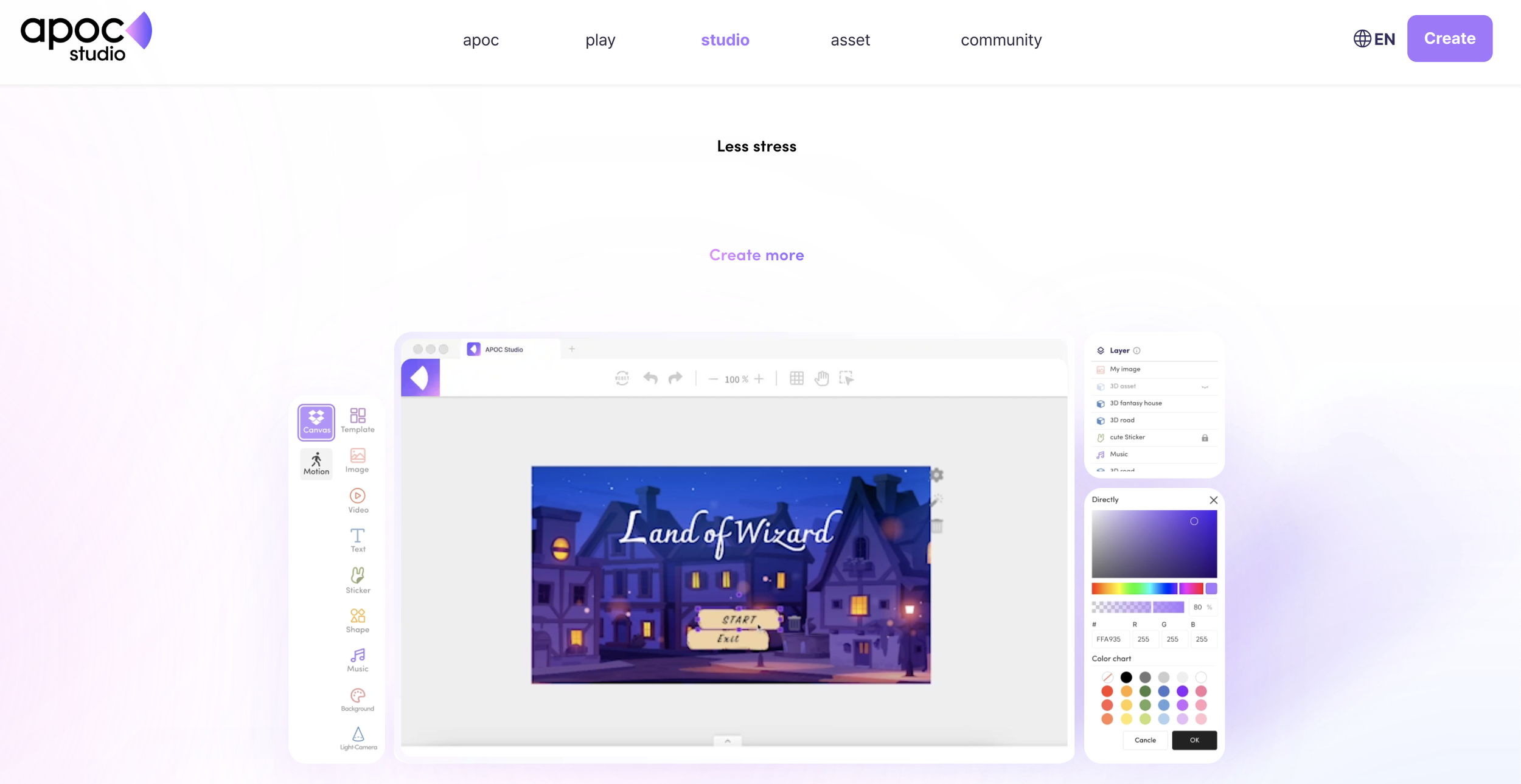
Image 9. APOC is an XR company that empowers users to create their own content
Source: APOC Studio
APOC has worked with entertainment companies to run campaigns and host in-person pop-ups and exhibitions where fans can interact with “IP, artists and music releases in a creative and immersive way.” These events provided fans a way to engage without a headset and still created an immersive experience that fans can enjoy and afford. In our interview Kuk Kim mentioned the need for lighter more affordable technology, adding that similar AR technology could be a steppingstone towards VR adoption by the general population, positively impacting the VR concert industry. WebXR is another avenue for artists and music labels to consider when creating immersive concert experiences for fans.
Conclusion
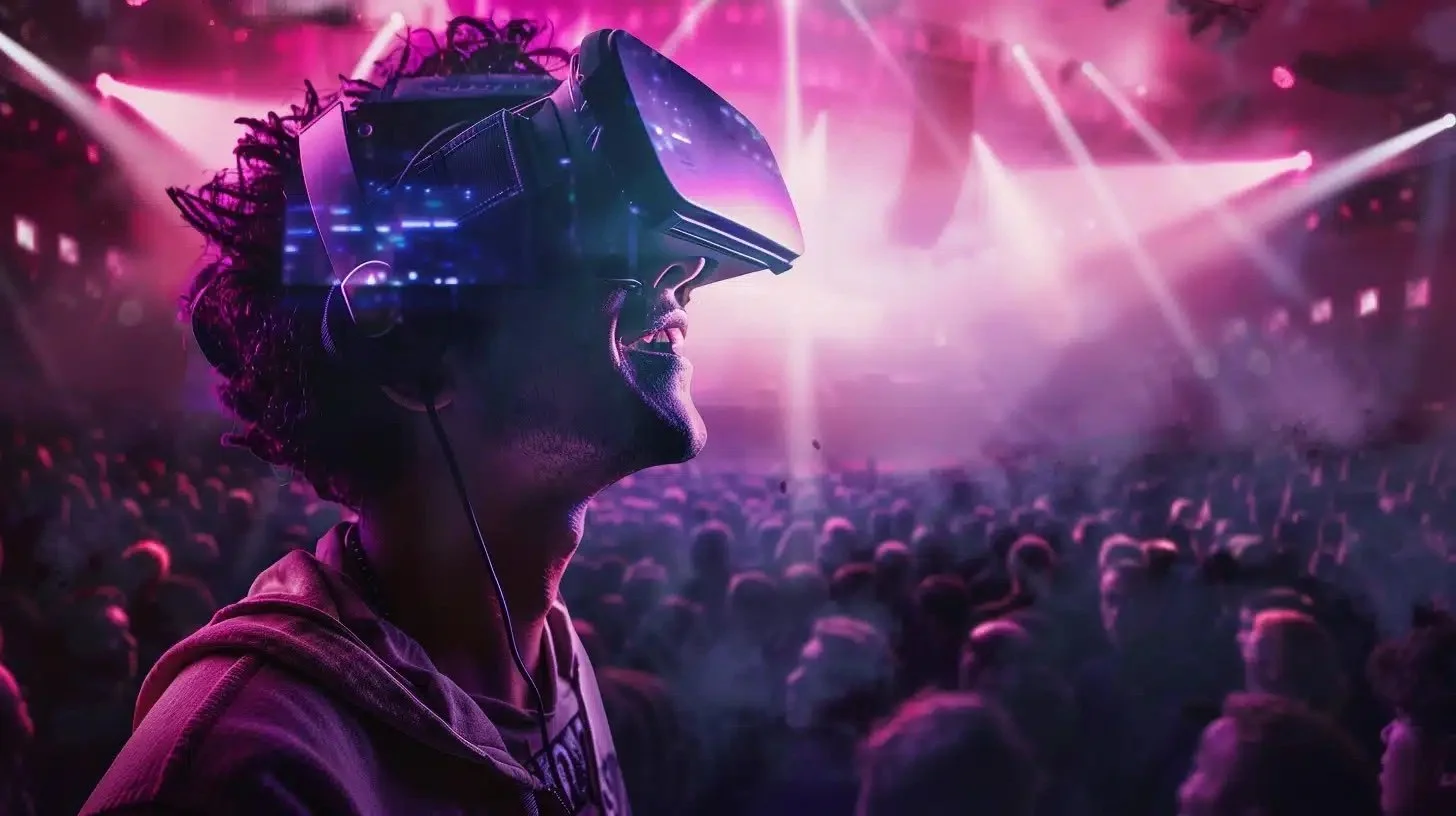
Image 10. VR concert experience
While VR concerts will likely never replace in-person experiences, they offer experiences for those unable to attend. There is an audience for this industry. Studios and artists will be best served with a focus on rebranding and creating a positive image for VR concerts, where it is marketed as a new way to experience music rather than an equal alternative to in-person experiences. This distinction must be made clear to prevent users from comparing VR concerts to in-person concerts — two very different experiences. This kind of comparison will only cause dissatisfaction. If music lovers come to understand that VR is not here to replace in-person concerts, more might be willing to explore its potential.
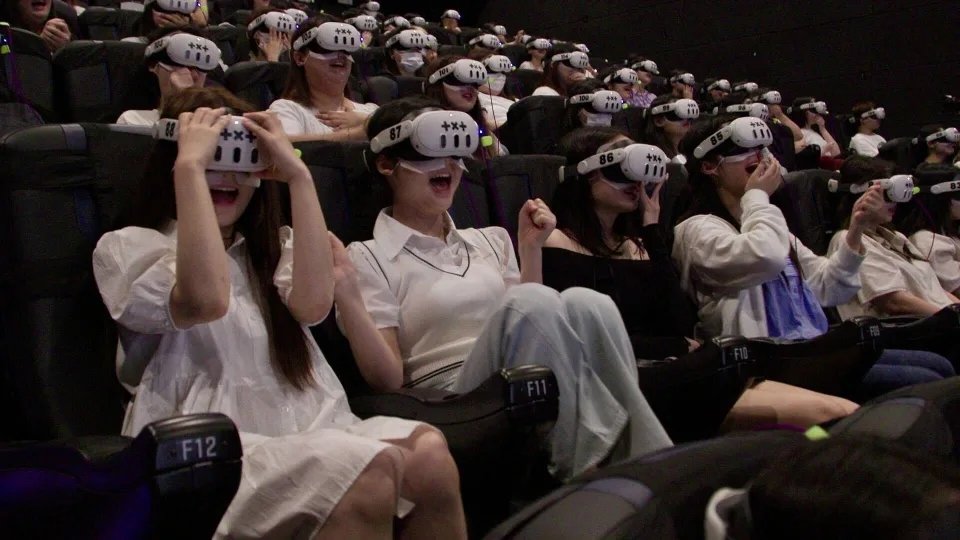
Image 11. Excited fans at AmazeVR’s TOMORROW X TOGETHER “HYPERFOCUS” theater concert
Source: AmazeVR
Lia Xu with Blue Tech Wave reported that AmazeVR’s TOMORROW X TOGETHER “HYPERFOCUS” premiered with a seat sale rate of 75% and earned a 9.9 audience rating. The VR concert maintained a 40% seat sale rate into the third week while the attendance of most films targeting a fanbase typically drop significantly lower after the first week. As evidently shown with this tour’s success, VR concerts have so much potential to shake and evolve the industry. With companies like AmazeVR and labels such as HYBE and SM Entertainment taking innovative steps and decisions to get ahead in the growing VR concert industry, other artists and labels must decide on how they plan to adapt to and implement evolving technology like VR.
Despite its growing potential and recently witnessed success, it may take years for VR concerts to become more mainstream and widely adopted. For this to happen, graphics should become more stable and clear, haptic feedback could improve the level of immersion, lighter headsets that don’t sacrifice quality can help satisfy users, and the costs of a VR headsets must become more affordable. At this time, the standard devices are not attractive enough for the general population, but with the accessibility it provides fans and the low cost of producing a VR tour in comparison with in-person tours, it is time for the music industry to pay more attention to this technology and consider spending more resources on immersive realities.
-
BBC News, dir. 2021. Is Virtual Reality the Future of Live Music? - BBC News. https://www.youtube.com/watch?v=9Yiq2SfFPls.
Fell, Nicole. 2024. “K-Pop Group Tomorrow X Together Heads to Theaters With VR Concert Tour.” The Hollywood Reporter (blog). June 18, 2024. https://www.hollywoodreporter.com/movies/movie-news/k-pop-tomorrow-x-together-txt-vr-concert-tour-1235925277.
Herman, Tamar. n.d. “SuperM’s Virtual K-Pop Concert Sees Major Earnings.” Forbes. Accessed February 16, 2025. https://www.forbes.com/sites/tamarherman/2020/04/26/superms-virtual-k-pop-concert-sees-major-earnings.
Mamo, Heran. 2020. “SuperM Promises to Perform Unreleased Songs During Augmented Reality Live Stream Concert.” Billboard (blog). April 24, 2020. https://www.billboard.com/music/music-news/superm-augmented-reality-live-stream-concert-9365759.
Onderdijk, Kelsey E., Lies Bouckaert, Edith Van Dyck, and Pieter-Jan Maes. 2023. “Concert Experiences in Virtual Reality Environments.” Virtual Reality, June, 1–14. https://doi.org/10.1007/s10055-023-00814-y.
“VR, Technology and the Live Musical Experience.” n.d. Accessed March 2, 2025. https://www.abrsm.org/en-gb/vr-technology-and-live-music.
Xu, Lia. 2024. “TXT’s VR Concert: Seamlessly Blending K-Pop and Virtual Reality.” Blue Tech Wave. October 30, 2024. https://btw.media/feature/txts-vr-concert-seamlessly-blending-k-pop-and-virtual-reality.
Yoon, So-yeon. 2024. “Tomorrow X Together’s ‘Hyperfocus’ VR Concert: The Future of K-Pop Only Inches Away.” Korea JoongAng Daily. August 8, 2024. https://koreajoongangdaily.joins.com/news/2024-08-08/entertainment/kpop/Tomorrow-X-Togethers-Hyperfocus-VR-concert-The-future-of-Kpop-only-inches-away/2108532.