
In the realm of art, the journey of audiences from "awareness" to "participation" hinges on a critical yet overlooked component: ticketing.
Based on the “Attention, Interest, Desire, and Action” or AIDA model, marketing guides prospective customers along the journey toward engagement and conversion by simplifying it into a three-stage process known as the “Marketing Funnel.” This includes: the Top of the Funnel (TOFU) awareness stage, the Middle of the Funnel (MOFU) consideration stage, and the Bottom of the Funnel (BOFU) conversion stage.
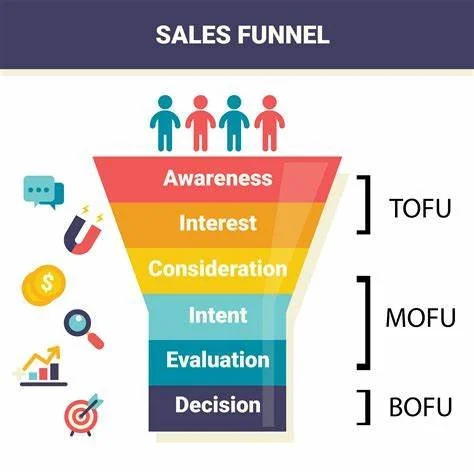
Figure 1. Visually representing the marketing funnel with three stages: TOFU, MOFU, BOFU. Source: Fifty Club
While this model provides a universal structure, the marketing approach can vary depending on a product’s unique characteristics.
According to the inherent limitations of art products, such as their non-essential nature, strong subjectivity, and the diverse interpretations of the aesthetic value, the marketing of art products differs from that of other products. From a customer-centric perspective, the key processes of art consumption primarily involve three stages: purchasing, attending, and conversion. Purchasing serves as the foundation of this journey, where the ticketing system significantly shapes the consumer experience.
Traditional ticketing systems, marred by monopolies, scalping, and fraud, have become a bottleneck preventing "potential audiences" from converting into "active participants." This article explores how blockchain technology is reshaping this core touchpoint, addressing structural flaws while elevating the emotional value of artistic engagement.
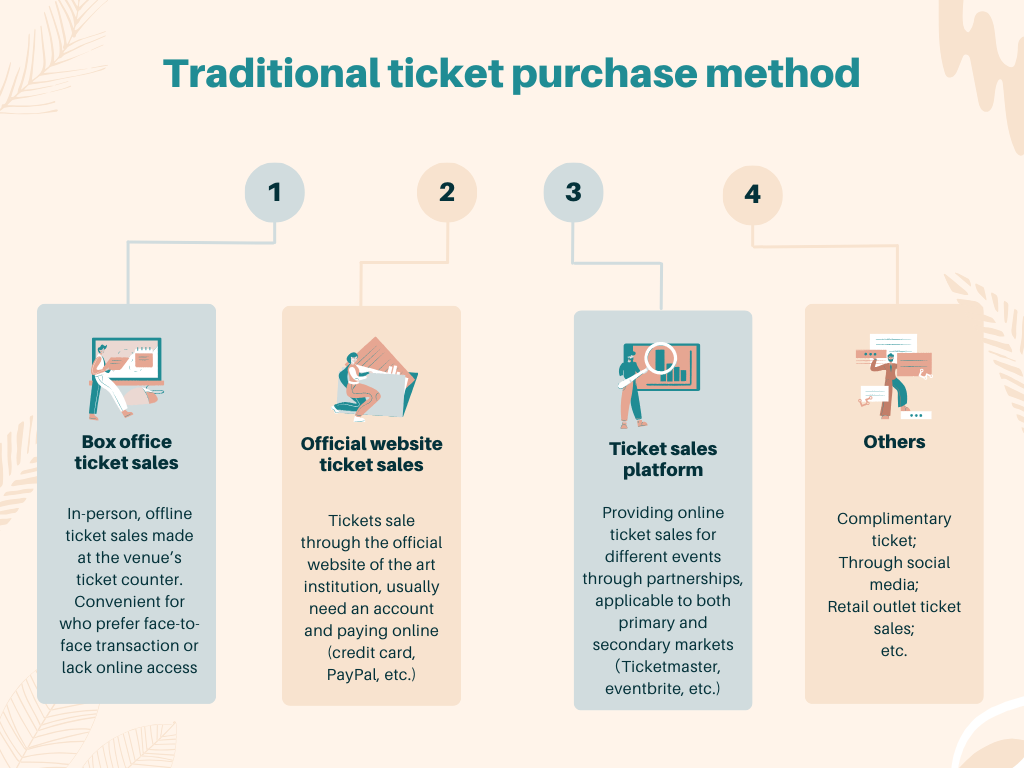
Figure 2. Different ticket purchase methods. Graphic by Author.
In the arts sector, traditional ticketing systems can be categorized into offline and online purchases. Offline ticketing refers to on-site purchases at the box office or front desk, typically offering immediate service. Online ticketing is conducted through the organization’s official website or third-party platforms, and is commonly used for bookings. Today, online ticketing has become the most prevalent method.
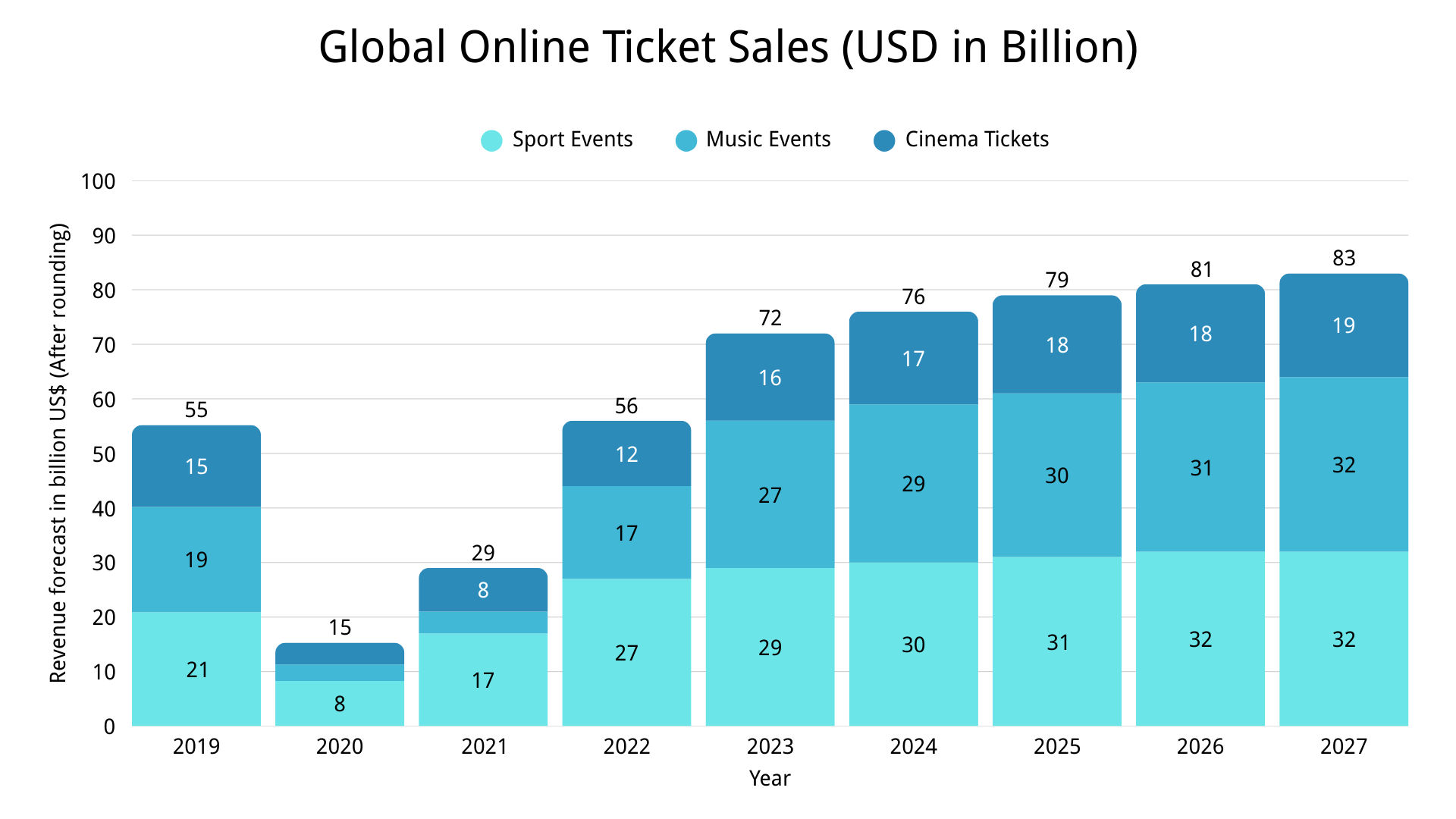
Figure 3. “Event Tickets: Market Data & Analysis.” Source: Statista.
The live event ticketing market is massive, reaching $71.5 billion in 2023 according to Statista, with continued growth expected. However, traditional ticketing systems face serious problems.
At the primary market level, structural monopolies have caused widespread conflicts. During the 2022 Taylor Swift - Ticketmaster Controversy, Swift’s tour promoter, AEG Presents, stated that “Ticketmaster’s exclusive deals with the majority of U.S. live venues forced AEG to partner with them.” This is not an isolated case. Other lawsuits have claimed that Live Nation, Ticketmaster’s parent company, pressured venues to use Ticketmaster as their ticketing provider by threatening to withhold performance opportunities. It also claimed that Ticketmaster maintains harmful, long-term, exclusive contracts with venues (Howell 2022).
Meanwhile, the secondary market is substantial, valued at $5.2 billion and growing (Katz 2022). Ticket scalping and fraud are rampant, frustrating audiences, artists, and venues. Statistics show that over 10% of concert ticket buyers have been scammed, meaning one in ten attendees may purchase fake tickets (Katz 2022). Despite artists’ public calls to combat scalping, reversing this trend remains challenging.
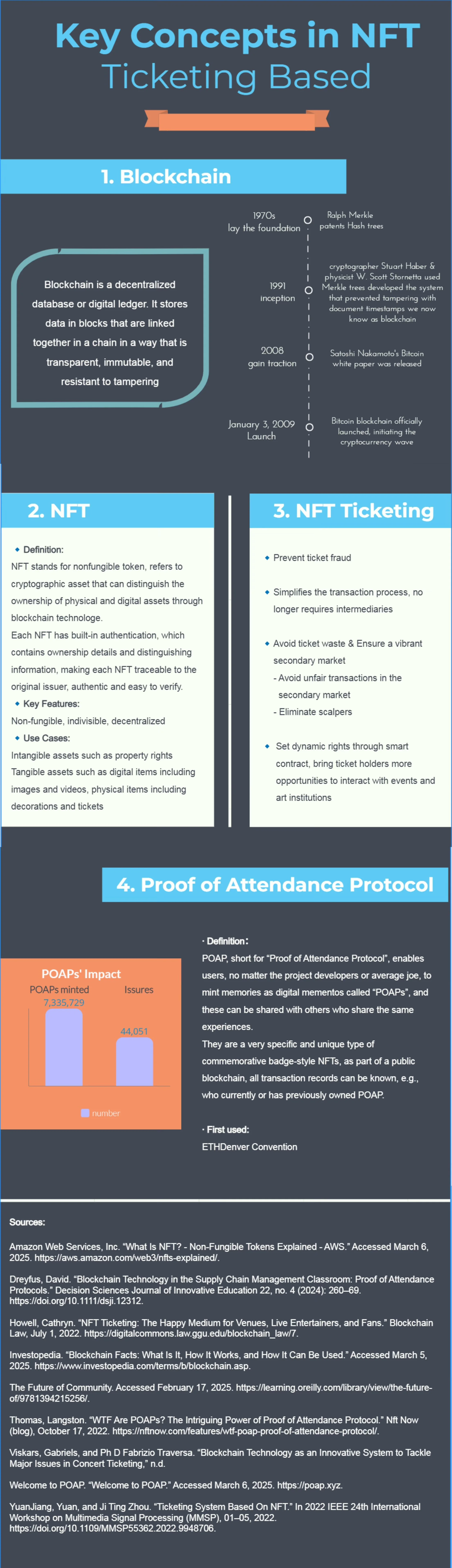
Figure 4. Key concepts in NFT Ticketing. Graphic by Author
Smart contract-supported nonfungible tokens (NFTs) offer venues and artists a solution to the ticketing industry’s challenges.
NFT ticketing is built upon blockchain technology, which serves as the digital infrastructure for secure and transparent record-keeping. As a foundational layer, blockchain—a decentralized, transparent, and immutable system—stands in sharp contrast to the centralized and often opaque frameworks plaguing traditional ticketing. By recording transactions on a distributed ledger, it eliminates the need for intermediaries, thereby holding back fraud and scalping that run rampant in secondary ticket markets.
Evolving from this blockchain foundation, the combination of NFTs and Proof of Attendance Protocols (POAP) in ticketing represents a more dynamic and emerging market. As unique digital assets created and managed on blockchain platforms, NFTs signify ownership of specific items — whether a digital artwork or an event admission credential. POAP, meanwhile, offers a means to verify event participation and create digital records of engagement. Together, NFTs and POAP not only provide access to events but also expand the dimensions and value of participation for both artists and audiences, holding the promise to redefine the art consumption journey in ways that surpass traditional blockchain-based ticketing models.
Figure 5. “NFT Tickets - Are NFTs an Advantage for Ticketing?” Source: NFT World News
In light of the above, NFT ticketing offers significant advantages for the ticketing industry. First, its decentralized nature reduces, and may even eliminate, the reliance on intermediary entities. This simplifies ticket transactions and cuts service fees, allowing arts organizations to retain more profits or subsidize ticket prices for audiences. Second, each NFT has built-in authentication, including ownership details and unique identifiers, making it traceable to the original issuer, authentic, and easy to verify (Howell 2022). This gives NFT ticketing a unique advantage in ensuring data transparency and security. Additionally, smart contracts empower artists and producers to set terms, such as maximum resale price maintenance, or limiting resale frequency. This prevents unfair transactions in the secondary market and eliminates scalpers (YuanJiang 2022), while enabling consumers to resell tickets reasonably, reducing ticket waste, and sustaining an active secondary market.
Beyond addressing traditional ticketing challenges, NFT ticketing integrates with POAP, reshaping the relationship between producers and consumers. Through smart contracts, producers can set dynamic rights, such as access to exclusive content, artist meet-and-greets, souvenirs, and other opportunities. This process of unlocking rewards and privileges through digital tickets elevates the attendee experience to unprecedented levels, encouraging one-time buyers to become loyal fans (“The Future of Community,” 2023). These unique incentives also foster deeper connections between audiences and artists, as well as among fans themselves. Art and artists are no longer "remotely on the stage,” promoting community interaction among fans and creating a vibrant ecosystem built on shared experiences.
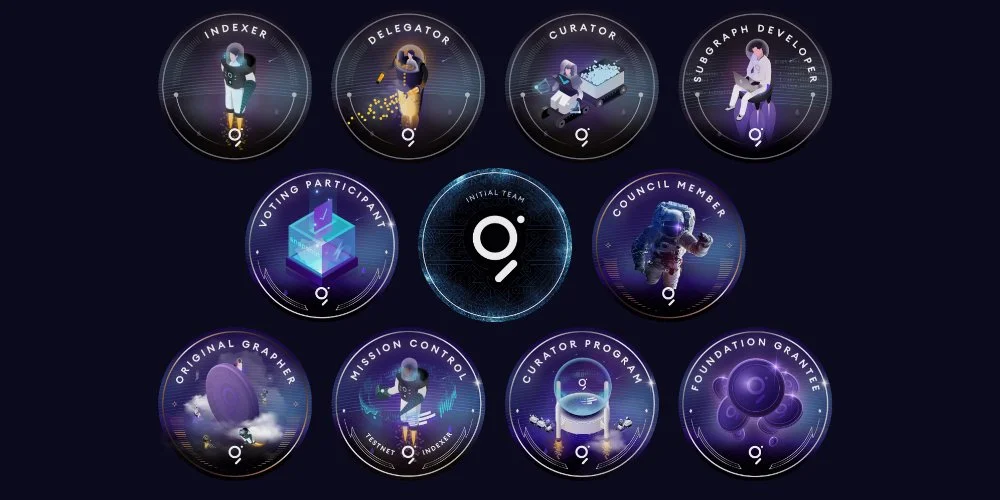
Figure 6. “What Are POAP NFTs in Crypto?” Source: Yu, Marsha, The NFT Brief
Currently, a significant number of platforms are actively pursuing Web3-driven ticketing transformations, leveraging blockchain to disrupt traditional ticket and art sales paradigms. Prominent examples include Ticket Fairy, Open Ticketing Ecosystem, YellowHeart, Oveit, Aventus Network, and SeatlabNFT, among others. They aim to create an asset class that ensures buyers can irreversibly trace the provenance of tradable items, while creators receive a share of future profits from their work. This article will focus on YellowHeart and Open Ticketing Ecosystem, both pioneers in NFT ticketing with groundbreaking historical significance. The two have propelled the development of NFT ticketing from complementary perspectives: Open Ticketing Ecosystem empowers back-end infrastructure, seamlessly integrating NFTs into traditional ticketing systems to normalize NFT ticketing for everyday use early on, while YellowHeart achieved a cultural milestone by integrating NFTs with mainstream performances for the first time.

Figure 7. YellowHeart Logo
YellowHeart
YellowHeart is an NFT marketplace primarily focused on music, founded in 2018 by Josh Katz, a longtime visionary who dreamed of bringing NFTs to concerts and events on the East Coast. The platform aims to revitalize ticketing and empower fans, artists, and sports teams. It enables venues and artists to utilize its proprietary Web3 ticketing platform to increase sales through tiered and customizable Web3 tools to drive traffic, energize engagement, and reduce fraud and ticket scalping (“About YellowHeart”).
YellowHeart redefines ticketing by integrating NFTs with mainstream music, transforming tickets from mere entry passes into digital assets and emotional bridges between artists and audiences, greatly enhancing the art consumption experience.

Figure 8. Josh Katz - YellowHeart’s founder & CEO Source: Rolling Stone
First, YellowHeart empowers tickets with collectible value and growth potential. YellowHeart gained prominence in 2021 through its collaboration with Kings of Leon. They released three distinct sets of NFT tokens, including 18 unique “Golden Tickets.” These tokens offered four front-row seats to every future tour, merchandise, and VIP concierge services at events. Six of these Golden Tickets were auctioned, averaging $100,000 each, while the remaining 12 were retained by the band for future use (“YellowHeart & Kings Of Leon,” 2021).
This successful auction highlighted that tickets are more than transactional items—they are digital assets with long-term holding and resale potential. For die-hard fans and memorabilia enthusiasts, NFT tickets also serve as symbols of identity, privileges, and carriers of lasting emotional value.

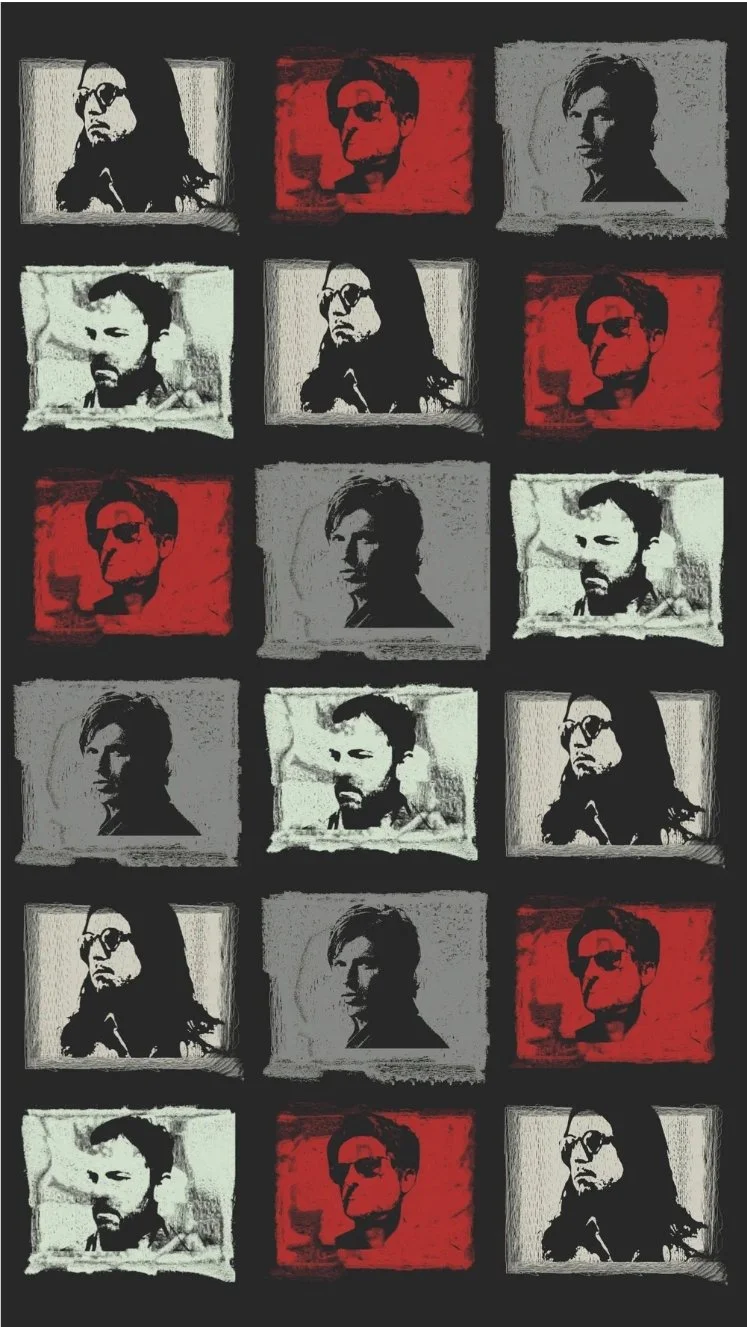

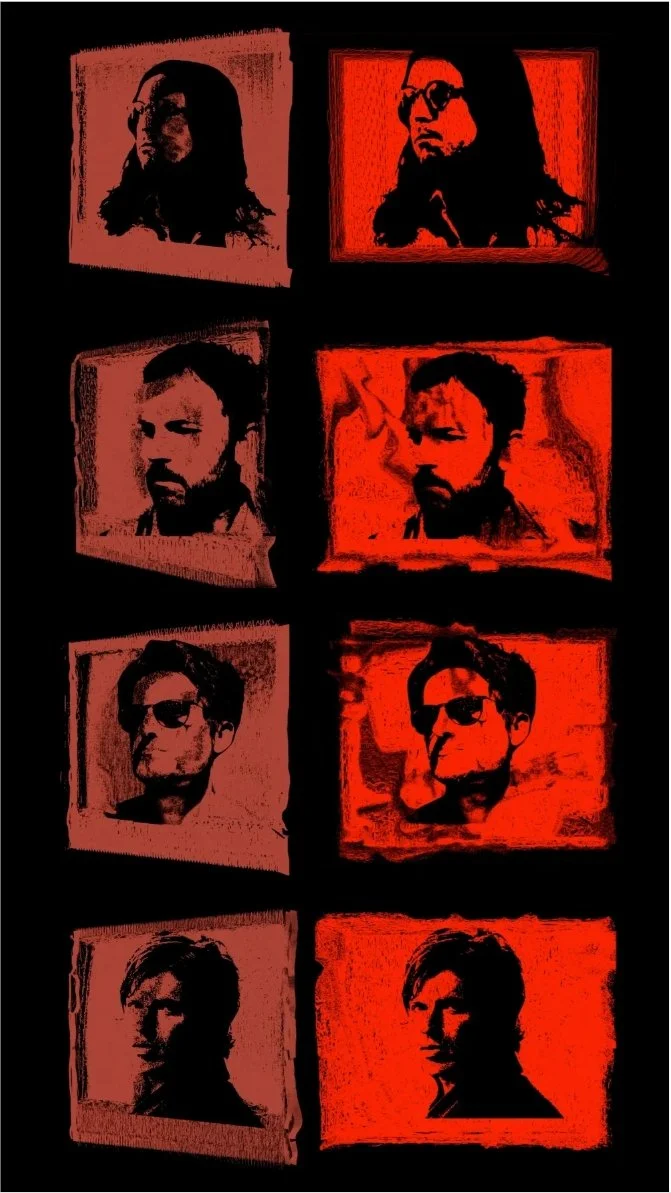

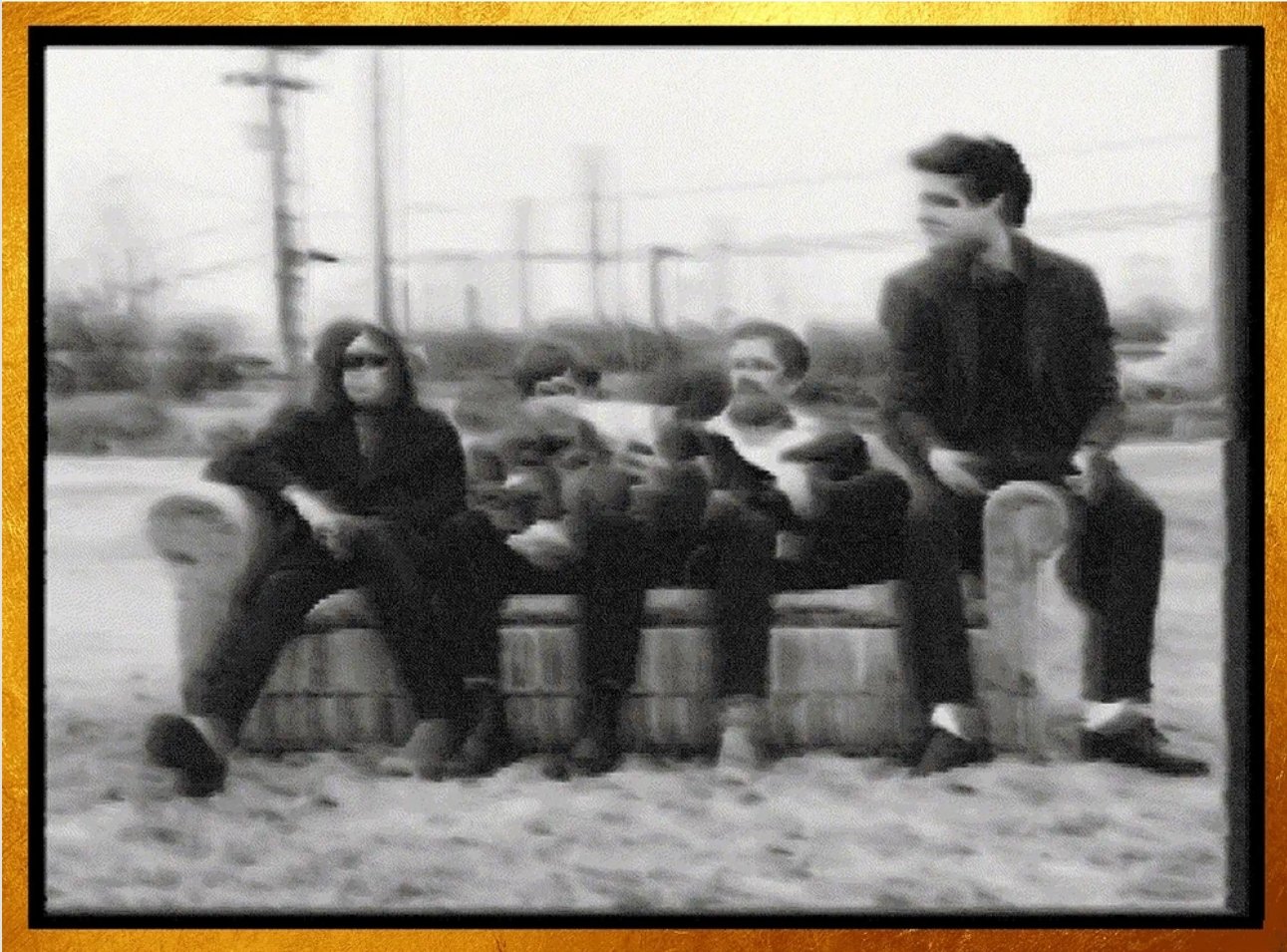
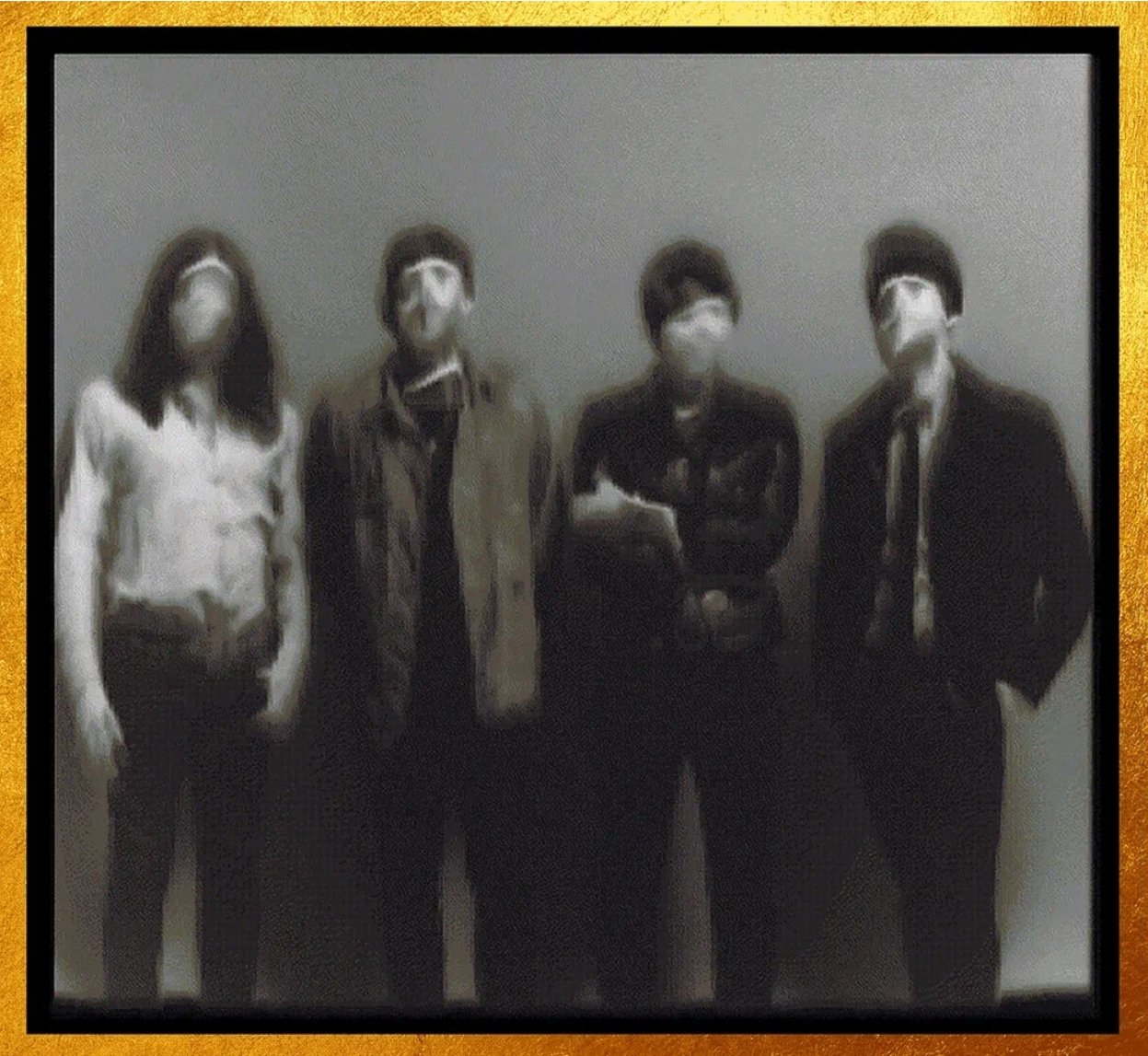





Figure 9. YellowHeart and Kings of Leon's NFT Collaborations
Second, by focusing on improving audience experience, YellowHeart continuously explores the utility of NFT ticketing, enabling it to foster lasting connections between artists and audience.
During YellowHeart and Kings of Leon's collaboration, from March 6 to March 19, they sold the band’s new album, NFT Yourself, as NFTs on OpenSea.io. This world's first album issued in the form of an NFT was priced at $50. Each token (album) granted buyers a limited-edition vinyl record and digital download. A portion of the proceeds, totaling $500,000, was donated to Crew Nation, a global relief fund supporting live music workers laid off due to the worldwide shutdown in 2020 (“YellowHeart & Kings Of Leon,” 2021).
Following this, YellowHeart collaborated with Maroon 5 and XXXTentacion to launch further NFT projects. Some people may question whether these NFT artworks have gone beyond ticketing, but Katz stated that his goal is not to create a music version of OpenSea. Instead, these collectible initiatives were experiments in ticketing utility. As Katz explained,
The best illustration I use is Coachella, which has one of the most recognizable brand names in the world, and these guys make money six days a year. With the ticket stub, not only is it collectible, but it’s a continuous point of interaction with the fan all year long.
YellowHeart turns ticketing—once limited to generating revenue during specific events—into a year-round tool for artists to connect and engage with their audience. This “ticket-as-community-connector” approach infuses art consumption with deeper social attributes and emotional bonds, transforming passive attendance into ongoing engagement and identity-building. NFT ticketing bridges the gap between fans and artists, genuinely enabling artists to engage in direct commercial interactions with their audience. Fans can connect with artists without intermediaries standing in the way.
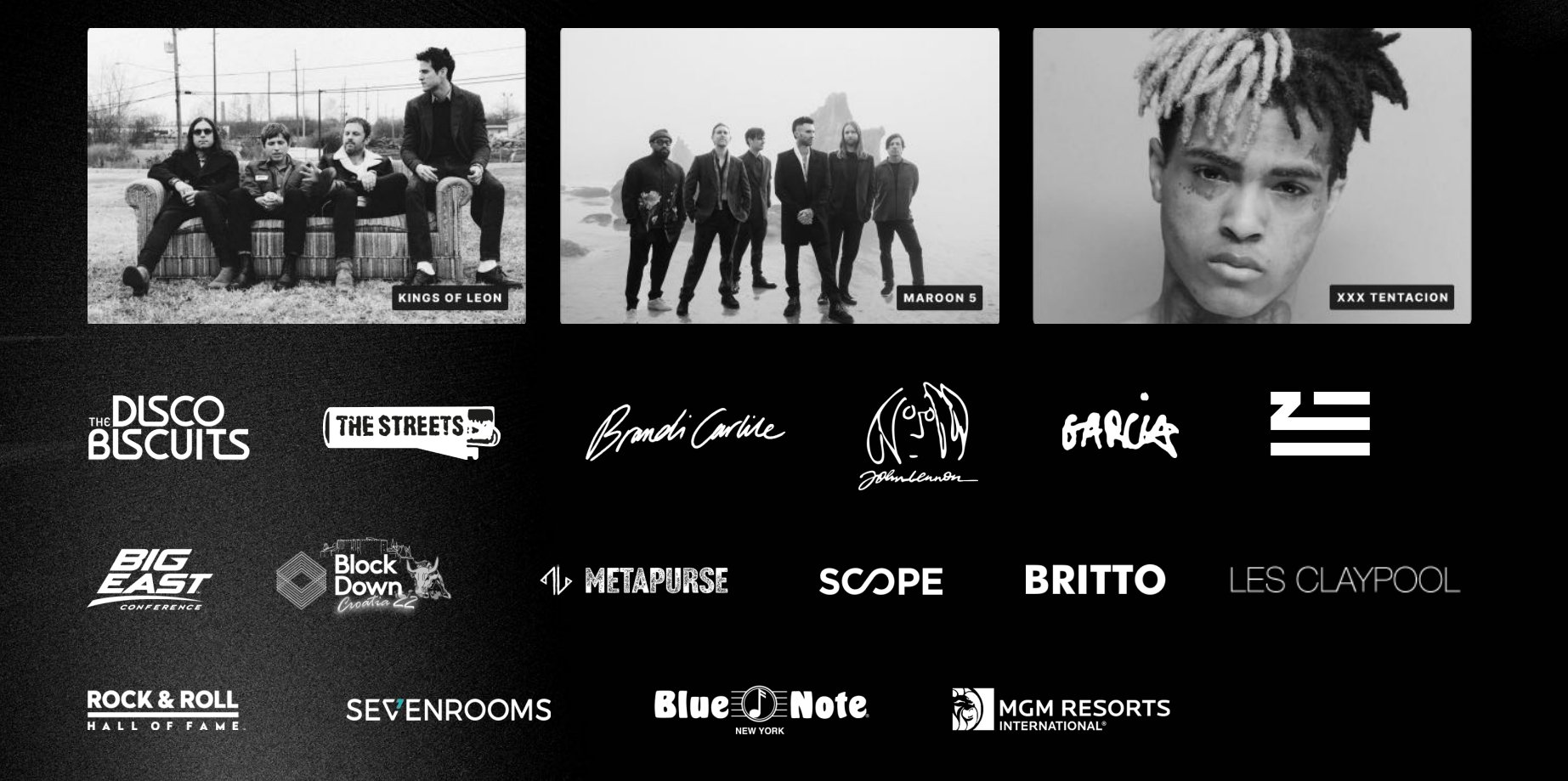
Figure 10. YellowHeart Protocol Whitepaper
However, some might question whether the complexity of NFT technology hinders participation from ordinary users. In response, YellowHeart’s intuitive app offered secure, fraud-proof event entry. And supported both crypto and credit card payments through its wallets on iOS, Android, and desktop.
In 2022, with YellowHeart’s support, the Surf Lodge’s iconic summer concert series successfully blended the physical and digital realms, offering guests a truly immersive and unique experience. Attendees of the series were eligible to get exclusive NFTs, which, upon scanning a QR code for verification at the venue, granted access to performance videos, photos, priority event entry, and post-event interactions with organizers, etc. (“The Surf Lodge Announces NFT Partnership With YellowHeart”).
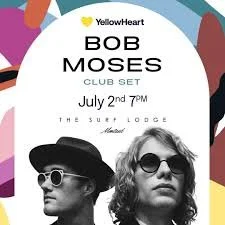






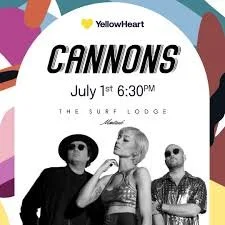
Figure 11. Surf Lodge Summer Concert Series Posters
While generating a new model, YellowHeart offers a cautionary tale. YellowHeart is no longer in business and its mobile app is no longer available for download. The author’s attempt to request a demo via the website went unanswered. Thus, lessons can only be gained through YellowHeart’s past success through years-old reports and interviews. Its pioneering efforts and achievements in NFT ticketing remain commendable and indelible.
Notably, YellowHeart demonstrated the practical application of NFT technology in ticketing and offered an experience that transcended mere entry functionality. It exemplified a future path where ticketing evolves from a linear transactional tool into a multidimensional cultural connector.

Figure 12. Open Ticketing Ecosystem Logo
Open Ticketing Ecosystem
The Open Ticketing Ecosystem (Open), originally known as GET Protocol, was established in 2016 in the Netherlands. It is dedicated to restoring rightful control in the ticketing industry, challenging existing monopolies, and building an ecosystem that empowers independent ticketing companies, venues, and artists (“Empowering Ticketing Companies to Challenge the Cartel,” 2025).
Open stands as one of the longest-running and most widely applied blockchain ticketing protocols. Unlike YellowHeart, which focuses more on audience engagement and digital identity, Open has pursued a moderate reform — a “Web2.0 shell with a Web3.0 core.” By leveraging blockchain technology at its foundation, it gradually transitions traditional systems onto the chain without disrupting the existing ticketing ecosystem.
“The main bottleneck we see in the ticketing industry itself is those within it who oppose innovation and try to keep things as is — either from greed or complacency. We are not worried about these types however, as we are fully aware it is a marathon, not a sprint, and we are in it for the long haul.”
To achieve their goal, Open provides a white-label product that enables seamless integration and customization, making the ticketing process user-friendly for non-technical users and accelerating the adoption of blockchain technology in everyday ticketing.
At the core of the Open’s infrastructure lies its on-chain ticket issuance API, which enables any ticketing integrator using the same technology to issue on-chain tickets seamlessly while offering full customization of ticket data. Additionally, Open provides a full suite of ticketing products, including a mobile ticketing app, an event dashboard for creating and monitoring sales, ticket shops, anti-scalping tools, and a scanning app. Event organizers can become their own integrators, receiving this product suite under their branding and app on Android and iOS, allowing them to control and track the entire ticketing process—from issuance to secondary market activity. Alternatively, they can collaborate directly with Open’s ticketing integrators, such as GUTS Tickets, the largest integrator of Open’s full suite and one of the leading ticketing companies in the Netherlands (“Infrastructure & Products,” 2024).
This setup ensures that event organizers can enjoy a secure, transparent, and fair ticketing experience without needing expertise in cryptocurrency or blockchain technology. It also breaks the structural monopoly of traditional ticketing giants, empowering smaller players with competitive capabilities.
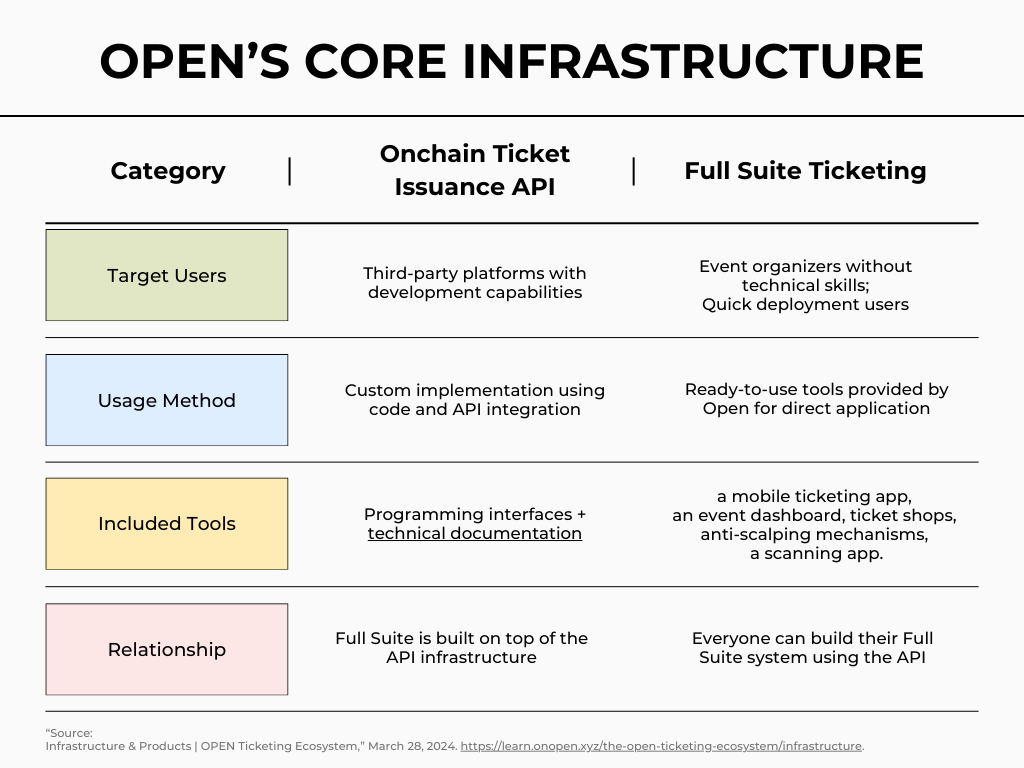
Figure 13. OPEN's Core Infrastructure
In 2016, Open founded GUTS Tickets to validate its model, ensure system stability, and showcase its added value (“Empowering Ticketing Companies to Challenge the Cartel,” 2025). GUTS is a ticketing platform that issues smart tickets and offers an exchange platform, enabling customers to resell tickets easily within set limits. And It quickly became one of the largest ticketing companies in the Netherlands.
Together with GUTS, Open’s infrastructure has powered 25,815 events worldwide—from stadium concerts to major sports events—issuing 8,131,297 on-chain tickets and generating over $110 million in revenue since its foundation (“Open Ticketing Ecosystem”).
Recently, Open announced that GUTS has completed its initial mission of validating the model and refining the system. Through a “strategic migration,” GUTS has now merged into CM.com to embark on its next major phase: mass distribution. CM.com is a publicly listed company, sells over 19 million tickets annually. This acquisition will inject a vast ticket supply and traffic into Open’s ecosystem, enabling the migration of CM.com’s 19 million tickets onto the blockchain.
Figure 14. CM.com
In conclusion, YellowHeart and Open have advanced blockchain and NFT ticketing from two distinct angles: the former, through innovative audience engagement, drives ticketing toward a Web3 transformation from the front-end entertainment experience; the latter, by providing technical support, subtly facilitates the shift of traditional ticketing to Web3 from the back-end infrastructure. Together, they foster a deep integration of blockchain technology with the cultural and artistic industries.
The topic of NFTs often sparks a wide range of praise and criticism. In the realm of ticketing, some fear that its rise will lead to the downfall of traditional ticketing companies, while others worry that these companies will fiercely resist blockchain adoption to protect their interests. However, until the future unfolds, we cannot predict whether ticketing will fully transition to NFTs or, like Open, seamlessly integrate technology without disrupting user habits. Yet, we all share a clear, common goal: to address the deep-rooted, longstanding issues in the traditional ticketing market, ensuring every ticket is sold fairly and transparently while delivering greater value to audiences. Just as YellowHeart was thriving, Josh Katz was asked in an interview if it would replace Ticketmaster. His response was:
“Our goal is to ensure all tickets are sold at a fair price, reflecting a true supply-and-demand economy, not a fully manipulated one.”
-
NOTE: ChatGPT, Grammarly, and Google Translate were used as translation tools in the creation of this article.
—
Amazon Web Services, Inc. “What Is NFT? - Non-Fungible Tokens Explained - AWS.” Accessed March 5, 2025. https://aws.amazon.com/web3/nfts-explained/.
“About YellowHeart.” Accessed April 10, 2025. https://yh.io/.
David. “NFT Tickets - Are NFTs an Advantage for Ticketing?” NFT World News (blog), June 2, 2021. https://www.nftworldnews.tech/nft-tickets-are-nfts-an-advantage-for-ticketing/.
Dreyfus, David. “Blockchain Technology in the Supply Chain Management Classroom: Proof of Attendance Protocols.” Decision Sciences Journal of Innovative Education 22, no. 4 (2024): 260–69. https://doi.org/10.1111/dsji.12312.
“Empowering Ticketing Companies to Challenge the Cartel—the Right….” Accessed April 2, 2025. https://mirror.xyz/openticketing.eth/aKu9xLXD3ImKqhRy5uJDk0RAoKsFUSiSXc9WF_elnBA.
Howell, Cathryn. “NFT Ticketing: The Happy Medium for Venues, Live Entertainers, and Fans.” Blockchain Law, July 1, 2022. https://digitalcommons.law.ggu.edu/blockchain_law/7.
“Infrastructure & Products | OPEN Ticketing Ecosystem.” March 28, 2024. https://learn.onopen.xyz/the-open-ticketing-ecosystem/infrastructure.
Investopedia. “Blockchain Facts: What Is It, How It Works, and How It Can Be Used.” Accessed March 2, 2025. https://www.investopedia.com/terms/b/blockchain.asp.
NFT.com. “What Are NFTs? A Quick Guide to the Non-Fungible World,” March 7, 2023. https://www.nft.com/articles/a-quick-guide-non-fungible-world.
“Open Ticketing Ecosystem.” Accessed April 2, 2025. https://onopen.xyz.
Statista. “Event Tickets: Market Data & Analysis.” Accessed April 1, 2025. https://www.statista.com/study/41712/eservices-event-tickets/.
“Taylor Swift–Ticketmaster Controversy.” Wikipedia, February 15, 2025. https://en.wikipedia.org/w/index.php?title=Taylor_Swift%E2%80%93Ticketmaster_controversy&oldid=1275796740.
The Future of Community. Accessed February 17, 2025. https://learning.oreilly.com/library/view/the-future-of/9781394215256/.
“The Marketing Funnel: Stages, Strategies, & How to Optimize.” Accessed March 4, 2025. https://www.hotjar.com/marketing-funnel/.
“The Surf Lodge Announces NFT Partnership With YellowHeart.” Accessed April 10, 2025. https://mlhamptons.com/the-surf-lodge-nft-partnership-yellowheart-concert-series.
Unchained. “What Are Proof of Attendance Protocols? A Guide to Poaps.” February 1, 2024. https://unchainedcrypto.com/proof-of-attendance-protocols-poaps/.
Viskars, Gabriels, and Ph D Fabrizio Traversa. “Blockchain Technology as an Innovative System to Tackle Major Issues in Concert Ticketing.” 2023.
Welcome to POAP. “Welcome to POAP.” Accessed March 6, 2025. https://poap.xyz.
“What Is Blockchain? | IBM.” Accessed March 5, 2025. https://www.ibm.com/think/topics/blockchain.
Whitaker, Amy. “Art and Blockchain: A Primer, History, and Taxonomy of Blockchain Use Cases in the Arts.” Artivate 8, no. 2 (2019): 21–46. https://doi.org/10.34053/artivate.8.2.2.
“Why Web3 Is Poised to Create a Bridge Between Artists and Concertgoers.” Accessed April 2, 2025. https://variety.com/2022/digital/news/web3-touring-ticketing-artist-fan-1235312818/.
“YellowHeart’s Founder and CEO Josh Katz — Future 25.” Accessed April 10, 2025. https://www.rollingstone.com/pro/features/yellowheart-josh-katz-future-25-1179428/.
“YellowHeart & Kings Of Leon Raise More Than $500,000 For Charity While Demonstrating The Future Of Tickets.” Accessed April 1, 2025. https://www.forbes.com/sites/ericfuller/2021/03/14/yellowheartio--the-kings-of-leon-raise-more-than-500000-for-charity-while-demonstrating-the-future-of-tickets/.
Yu, Marsha. “What Are POAP NFTs in Crypto? - The NFT Brief,” April 25, 2022. https://thenftbrief.com/what-are-poap-nfts/.
YuanJiang, Yuan, and Ji Ting Zhou. “Ticketing System Based On NFT.” In 2022 IEEE 24th International Workshop on Multimedia Signal Processing (MMSP), 01–05, 2022. https://doi.org/10.1109/MMSP55362.2022.9948706.