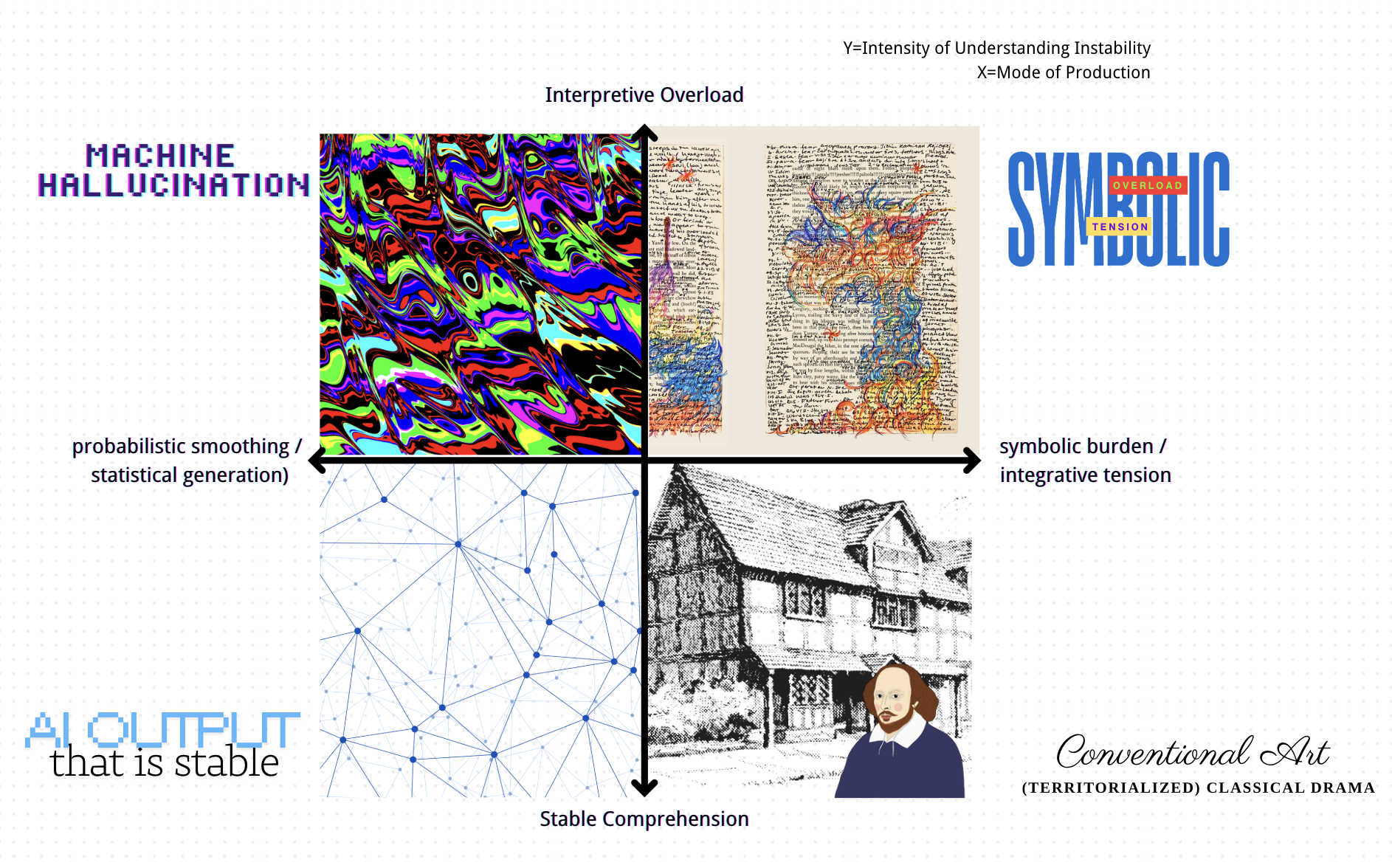
Former AMT Lab Chief Editor of Research Ziqi Xiang explores how hallucination and understanding in the age of artificial intelligence (AI) impacts artistic creation and the value of art. He shares his preliminary modeling of this thought-provoking academic problem.
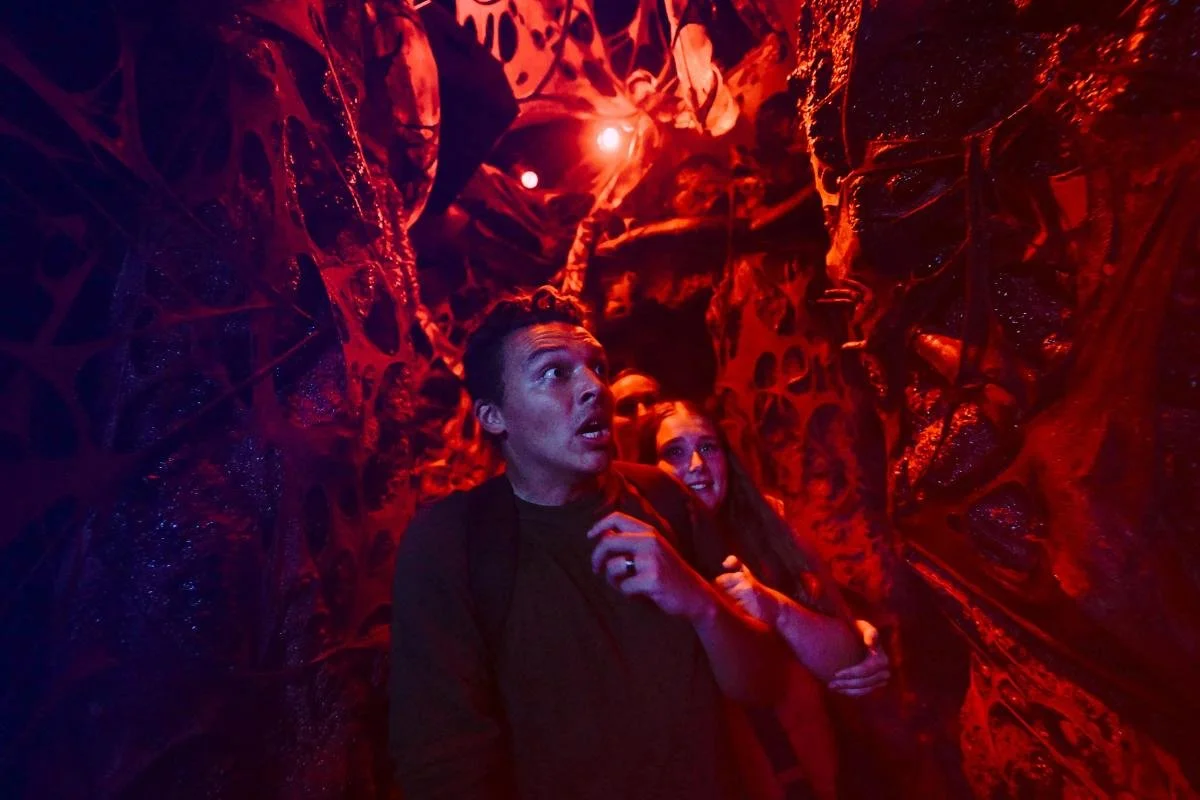
In Part 1, our research team examined the history immersive entertainment industry in the United States, and current challenges facing immersive experience creators. Part II dives into the results of our online survey and findings based on interviews with industry experts. To gain insights into the audience perspective, an online survey was launched on January 17, 2026, examining overall engagement with immersive entertainment. The survey revealed a thematic overlap between immersive audiences and traditional entertainment preferences. Ultimately, a “one-model-fits-all” approach to immersive entertainment would be limiting, and our research supports the need for a fourth model called the Immersive Plaza.
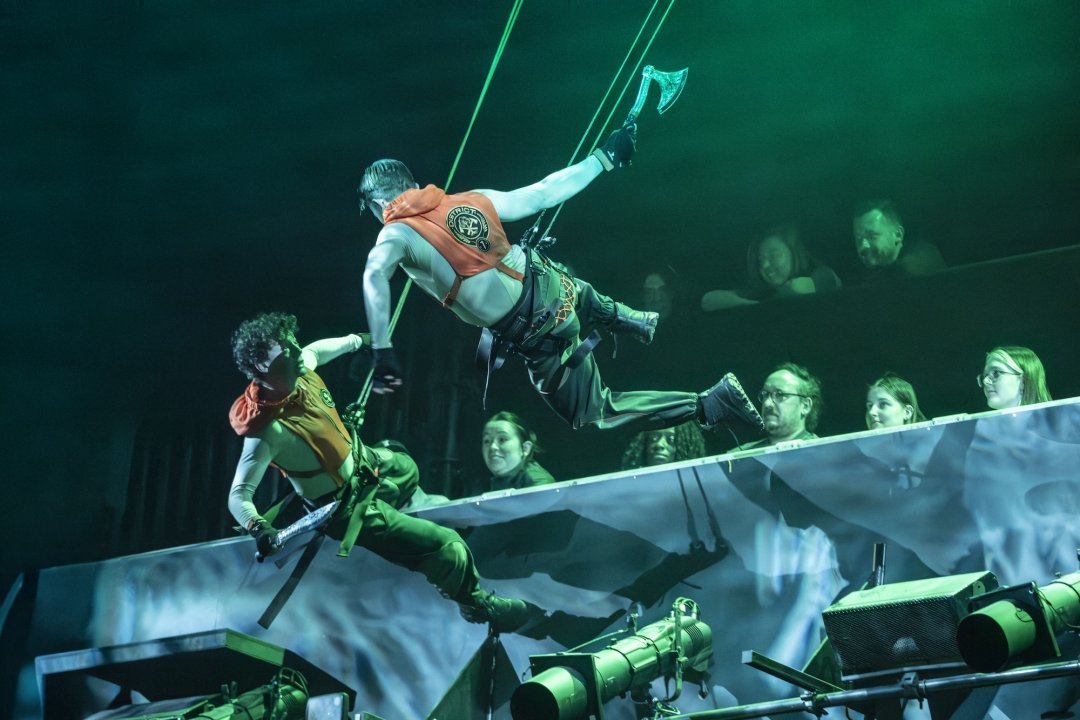
There has been a growing trend of large, spectacular straight play productions based on popular intellectual property. IP-based theatre is a way for corporations to super-serve fans in a way that keeps them coming back to the original material. IP-based theatre productions, like Harry Potter and the Cursed Child, Stranger Things: The First Shadow, and The Hunger Games: On Stage, use spectacle to encourage fans to buy tickets.
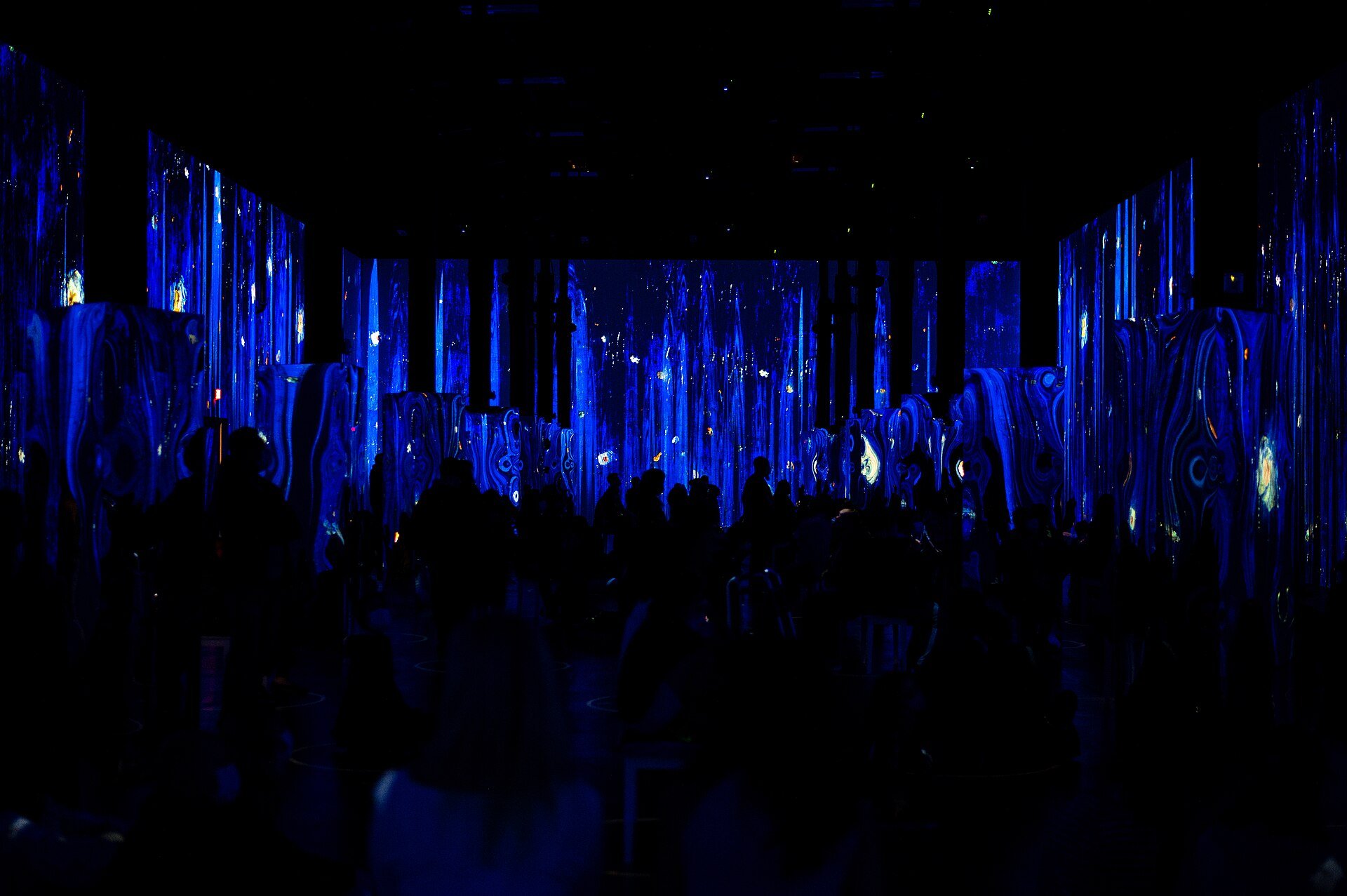
The immersive entertainment industry is rapidly expanding, with a projected market growth from $133.6 billion in 2024 to $473.9 billion by 2030. Through research conducted on behalf of Gensler, the largest global design and architecture firm, this study investigates the problems persisting in the immersive entertainment industry, namely the lack of consensus regarding model distinctions, undefined success metrics, and unclear pathways for scaling projects.
In this month’s Byte-Sized Culture, lead researcher Julia Srnec examines artificial intelligence (A.I.), and how it is gaining traction in the arts. Legislation, funding for arts and technology research, and ethical museum-centric practices pave a future for how artists and organizations will navigate these significant changes to the industry.
I've just discovered and started listening to The Moth podcast. The Moth, for those of you who don't know, is a non-profit storytelling organization that brings in people - actors, playwrights, comedians, poets, personalities, and the average Joe - to tell a story from their own lives. No notes. Just a performer, a story, a microphone, and an audience. The Moth has several different live performance series and programs around the country.
Now, The Moth has been around since 1997, but I'd never heard of them until a few days ago. Why? Because 1) I live in Pittsburgh, instead of New York or LA, 2) I'm not hip, and 3) I often struggle to get my recommended daily allowance of culture.
Point is: I found them eventually. I found The Moth through iTunes. I found them through their podcast.
And now? I know for a fact that I will continue to listen to the podcast. I've enjoyed their podcast so much, I'm considering buying CDs and other schwag through their site. I’m writing a blog about them. I’ve told two friends about them. And so on...
It is so very important to have as many points of entry into your organization and its services as possible, and a quality podcast can be one. We’ve got a podcast tutorial here on Technology in the Arts. There are tons of resources and guides out there. It is worth the effort, the equipment, the navigation of the waters of rights and copyright, and the time to create a new point of entry to your organization to gather fans you never knew you had, like moths to a flame.
I was recently directed to a great guide to ensuring that your podcast is legal. The Podcasting Legal Guide is hosted on the Creative Commons wiki and provides an overview of legal information every good little podcaster should know and understand.
The Guide was created by the following parties:
Also, remember that we have a Podcasting Fundamentals Tutorial available that will teach you the basics of creating and publishing your very own podcast.
When we consult with clients about social networking and other online tools, we always stress thoughtful planning and mission-driven solutions. Let me be the first to admit, though, that we didn't sit around whiteboards planning the Technology in the Arts Facebook page... we simply created it and started sending invites.
There are times when it's crucial to plan for the implementation of a new technology tool, and there are other times when it's important just to get it out into the world and allow it to take shape organically. In the case of Facebook, MySpace or any other template-based offering, it's easy to get rolling with little investment.
I got bored with my standard, gray desktop today, so I went out in search of something new. I found some great computer wallpapers that can only be described as art.
The beauty I ultimately ended up plunking down on my desktop was at Smashing Magazine. Every month, they have a new set of wallpapers, available for free download, that have been submitted by artists and designers from around the world; artists such as Vlad Gerasimov, who has created an online studio teeming with his digital artwork.
Along the way, I also found a blog called Kitsune Noir, run by Bobby Solomon, which recently concluded the Desktop Wallpaper Project where artists submitted their works (some great stuff there). And, I found out that deviantART has a section devoted to artist submitted desktop images.
This got me thinking. I found all of these great places where individual artists were translating their work (or developing work exclusively) for computer desktops as a way of getting their art out there. Were any arts organizations doing the same?
I did some searching and almost drew a complete blank. The only case I could find was the Tasmanian Theatre Company. Are any arts organizations out there providing desktop wallpapers on their sites? I would have to think that it's a way to keep your organization and its brand in front of computer-bound patrons.
Registration for the 2008 Technology in the Arts National Conference is now open.
The Technology in the Arts Conference is a resource for the arts community, sparking dialog around the role of technology in our planning and programming, discussing best practices as well as lessons learned, and providing hands-on, practical skills where possible. Explore the conference schedule for breakout and hands-on session information.
General Registration:
Early Bird Rate - $250 | Standard Rate - $300 | On-Site Rate - $350
General Registration fees cover all conference activities from Thursday evening’s Networking Reception through Saturday night’s Closing Party.
Hands-On Training Workshops:
Either One AM Workshop OR One PM Workshop - $30
Both One AM Workshop AND One PM Workshop - $50
Fees for Thursday’s six Hands-On Training Workshops are separate from the General Registration. Due to their limited capacities, you will be asked to select the hands-on training workshop(s) you would like to attend during the registration process.
Student Discount:
College students with a valid student I.D. will receive an 80% discount on the conference and workshop registration fees.
To receive this registration discount code, send an e-mail request with the subject line “Student Discount” to David Dombrosky.
You will receive a reply message containing the discount code to use during the registration process.
When you arrive at registration, you MUST present a valid student I.D.
Are you a Pittsburgh-based artist or arts administrator with a legal question about your work? Take your questions to the Greater Pittsburgh Arts Council's Arts Law Clinic on Wednesday, July 30, from 3-6 PM.
Attorneys from American Eagle Outfitters will be on hand to answer your arts-related legal questions in the areas including Intellectual Property, Corporate Law, Contract Law and Human Resources.
This clinic, the first in a series to be provided by AE staff, is designed for people who have specific arts law questions. Applications to Volunteer Lawyers for the Arts will be available for those who require ongoing assistance after the clinic.
Wednesday, July 30, 3-6 pm
Benedum Center, 7th Floor, 719 Liberty Avenue, Downtown
Presenters: Neil Bulman, Vice President & General Counsel; Rebecca Bibbs, Chief Counsel; Luke Paglia, Associate General Counsel; Kimberly Strohm, Assistant General Counsel; American Eagle Outfitters
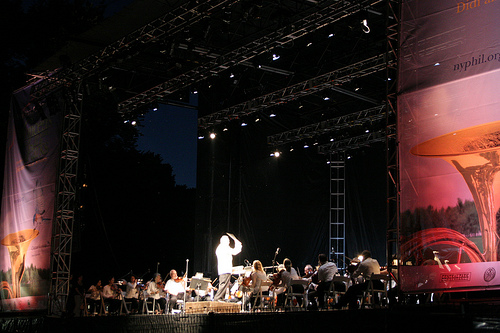
It seems the New York Philharmonic is taking a cue from American Idol. During a recent concert in Central Park, the Philharmonic asked the audience to text their votes to select the orchestra's encore piece. Naturally, the audience chose "Purple Haze." After all, what audience would prefer "Flight of the Bumblebee" over the Hendrix classic?
Photo courtesy of froMJersey's Flickr photostream.
According to MobileActive.org, an online resource that examines the use of mobile technologies for social change, the Philharmonic has been using Kodime, a company based in the UK, as its mobile vendor for the past two seasons.
I attended an arts consultant round table at the National Performing Arts Convention last month, and I wanted to provide contact information for a couple of my fellow attendees:
Lisa Mount - Lisa led the session, and her firm's Web site is www.ArtisticLogistics.org. Lisa offers a broad array of strategic management services.
Jane Hill (artSMART) - Jane brings more than thirty years experience as a professional arts manager to provide practical and successful approaches to the challenges faced by small and mid-sized arts organizations today. Contact Jane at hill.jane1913@sbcglobal.net.
A reminder... the Center for Arts Management and Technology provides technology consulting for nonprofit arts organizations. Read more about our services.
Note: CAMT does not endorse either of these consultants. All consultants in the session were given the opportunity to be listed here.
I will be visiting New York City later this week for the American Association of Community Theatre Conference.
If you plan to attend, please visit me in exhibit hall room C. I'd be happy to spend some time chatting about your technology needs and providing a bit of free consulting.
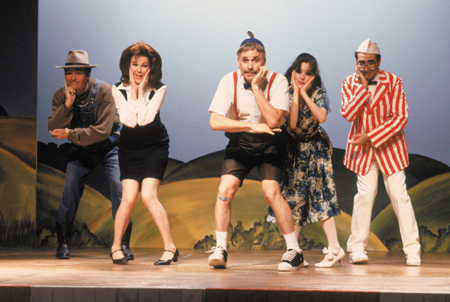
Nothing ever happens in Blaine.
By the way, the image above is NOT meant to be offensive. I have acted in many a community theatre production, and I love every minute of it.
If you're involved in theatre and you don't love Waiting for Guffman, then shame on you!
The 2008 Technology in the Arts Conference convenes representatives from the full spectrum of arts community, from the local to national levels, to explore the intersection of the arts and technology.
In honor of this exploration, the ArtsTech Awards recognize three categories of leaders in the arts and technology: artists, arts organizations and funding organizations. For the 2008 ArtsTech Awards criteria, guidelines and nomination forms, visit the following category-specific links:
Nominations must be submitted through our online nomination forms. Nominations must be received by 11:59PM EST on August 8, 2008.
The recipients of the 2008 ArtsTech Awards will be honored at the Technology in the Arts Conference during the Keynote and Awards Luncheon on October 10, 2008.
If you have questions about the ArtsTech Awards or the nomination process, please contact David Dombrosky.
TechCrunch has a really interesting piece by Ryan Carson about building a Web application in just four days. Naturally, arts organizations don't have the human resources and $10,000 to throw around, but the read really drives home how quickly new apps can be deployed given current technologies.
I've been subscribed to the blog at MobileActive.org for a while now, and a recent post that highlights the top 10 do's and don'ts for mobile advocacy made me realize that it was time to give a shout out to this great site on our blog.
MobileActive.org aggregates mobile technology tools and resources for the international NGO community, and the information they offer is applicable and valuable for any non-profit arts organization considering using mobile technology as part of its marketing, development, or advocacy strategies. You’ll find:
A blog with case studies and news related to the use of mobile technology.
A directory of projects that have utilized mobile technology.
A directory of mobile tools and vendors (such as consultants, SMS and MMS providers, polling tools, software and mobile content developers, and more).
Brief strategy guides that offer overviews of using mobile technology for fundraising and advocacy (you’ll need to register on the site to access these PDF’s).
So check it out and let us know what you think. Also, if you know of any other useful resources, books, or sites out there that delve into the world of mobile technology, please post those in the comments.
Just had a couple notes I wanted to share before the weekend:
Click! Exhibit Results Now Available
The online gallery for Brooklyn Museum's crowd-curated exhibit Click!, which I wrote about in a Technology in the Arts blog entry, is now available.
The exhibit asked users to register and adjudicate work that was accepted as part of a March 2008 open call. The submitting photographers were asked to “consider Brooklyn’s transformation over the years, its past and its present, and submit a photograph that captured the ‘changing face(s) of Brooklyn.’”'
The Internet Corporation for Assigned Names and Numbers (ICANN), which controls domain names on the Internet, has decided to relax its policy on domain naming conventions. Web site URLs will now be able to use characters other than Latin, as well as any combination of letters and numbers up to 64 characters.
Finally, I can register ethelslittleangles.sex, where my grandma plans to sell her handmade dolls. She's been bugging me about it for years. "Sex sells," she says. She's been watching too much TV.
Okay, so I love short films. In addition to appealing to ADD-afflicted by not requiring us to sit through 180 minutes to "understand the narrative," short films are more financially viable for indie filmmakers to create. The problem with short films is that you can usually only see them at film festivals -- until now.
YouTube has set up a virtual screening room to bring the short films of independent filmmakers to a global audience. Not only can you view top-notch shorts (curated by a YouTube editorial panel), you can also buy them to watch whenever you want on your computer or portable device. While the majority of these films have played at international film festivals, occasionally you’ll find films that have never before screened for wide audiences.
They just launched the screening room last week and plan to add four new films every two weeks. So, show the indie filmmakers some love and check it out!
Remember those essays you had to write in elementary school - e.g. "What I did for summer vacation"? That's sort of what this post feels like since Brad chastised me for being remiss in my blogging duties. Of course, I fired him - again. I do that a lot. It just never seems to stick.
AFTA held this year's convention in Philadelphia - the city of brotherly love (and sisterly affection). The hotel sold out long before I climbed out of my procrastination long enough to book a room. Thankfully, I found a room at a nearby hotel - directly across the street from where they were filming Transformers 2. If only I hadn't gotten bored and walked out of Transformers, then I might have been more starry eyed.
After three days in Philly with Americans for the Arts, I return to the Burgh with three essential take-aways:
1. Affirmation -- In a recent (soon to be published) environmental scan of the arts community conducted by Americans for the Arts, it has been determined that, "The influence of technology, unconstrained access, and the new immediacy of communication on traditional and new and evolving production/delivery mechanisms is not yet entirely understood." While the influence of technology on production/delivery may not be fully understood, the impact of technology on the arts community has been seismic. Between AFTA and the NPAC conventions this month, I come back to the Burgh knowing that our Technology in the Arts conference, blog, podcast, and site resources are truly useful tools for the field to assist them in navigating unfamiliar terrain.
2. Futurists Rock - The Keynote Address was given by futurist Andrew Zolli, founder of Z+ Partners and organizer of the PopTech conference, in the manner that I've yearned for at all of the conferences I have attended throughout my professional life: highly engaging, provocative and witty. He touched on a multitude of issues - from innovation and "the tyranny of choice" to experiential economics, "the Long Tail" and "Citizen Brand." I think it was the first time that I went to a conference where the keynote speaker talked for 45 minutes, and I wanted to hear more! For those of you who were not able to attend AFTA this year (or for those of you who just want to hear more of what Andrew has to say), check out these video clips on YouTube.
Pop Arts Marketing held their own iPod giveaway last week for the National Performing Arts Convention in Denver. But their contest required a bit more skill than ours, as they set up an online game called Harpsichord Hero, which riffed on the popular Guitar Hero.
For most of the Convention, I held the high score, but someone finally bested me on the last day of the event. On Friday, I got what I thought was a perfect score and celebrated a bit more than any reasonable adult should. Then when I looked at the leaderboard, I realized that my adversary was still slightly higher than me in the rankings.
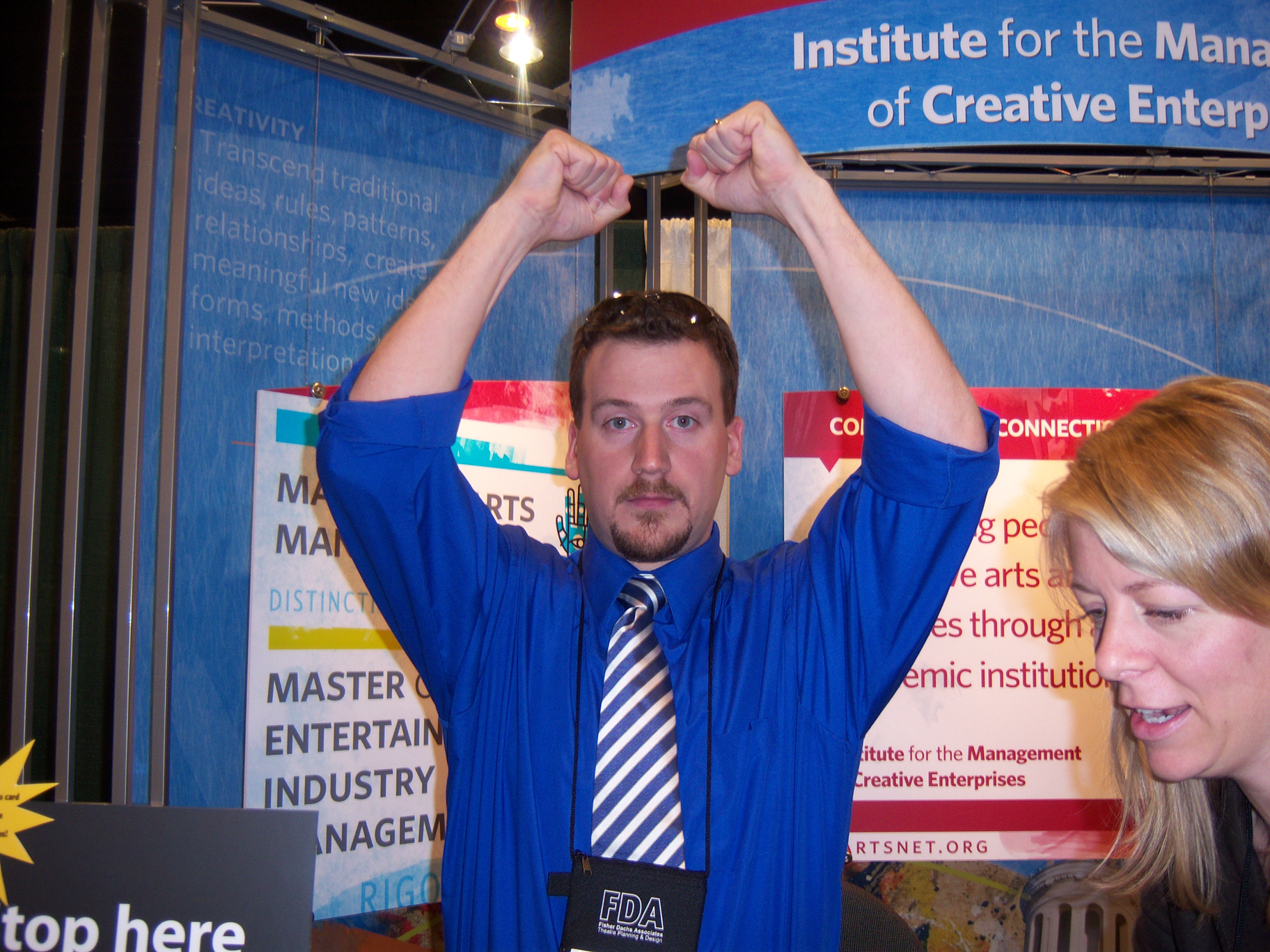
This is a photo of me in mid-celebration, before I was crushed by the realization of defeat:
Congratulations to the four winners of the Institue for the Management of Creative Enterprises iPod Nano giveaway. We collected business cards during the National Performing Arts Convention in Denver, CO, last week, and our winners were picked on Friday.
The lucky quartet:
Jodi Schoenbrun Carter, Managing Director, Westport Country Playhouse
Julie Hawkins, Vice President of Public Policy, Greater Philadelphia Cultural Alliance
Conrad Kehn, Composer/Vocalist
Trevor Hunter, Technical Producer, Counterstream Radio
To all of those who entered but did not win, please remember this quote from William Shakespeare: "Having nothing, nothing can he lose."
We were fortunate enough to catch an impromptu performance of Rocky Mountain High by members of Chorus America, the national non-profit service organization for choral music.
Rocky Mountain High.
We are also featuring the group's performance in our most recent podcast, Technology in the Arts #44, which is dedicated to interviews from this week's 2008 National Performing Arts Convention.