

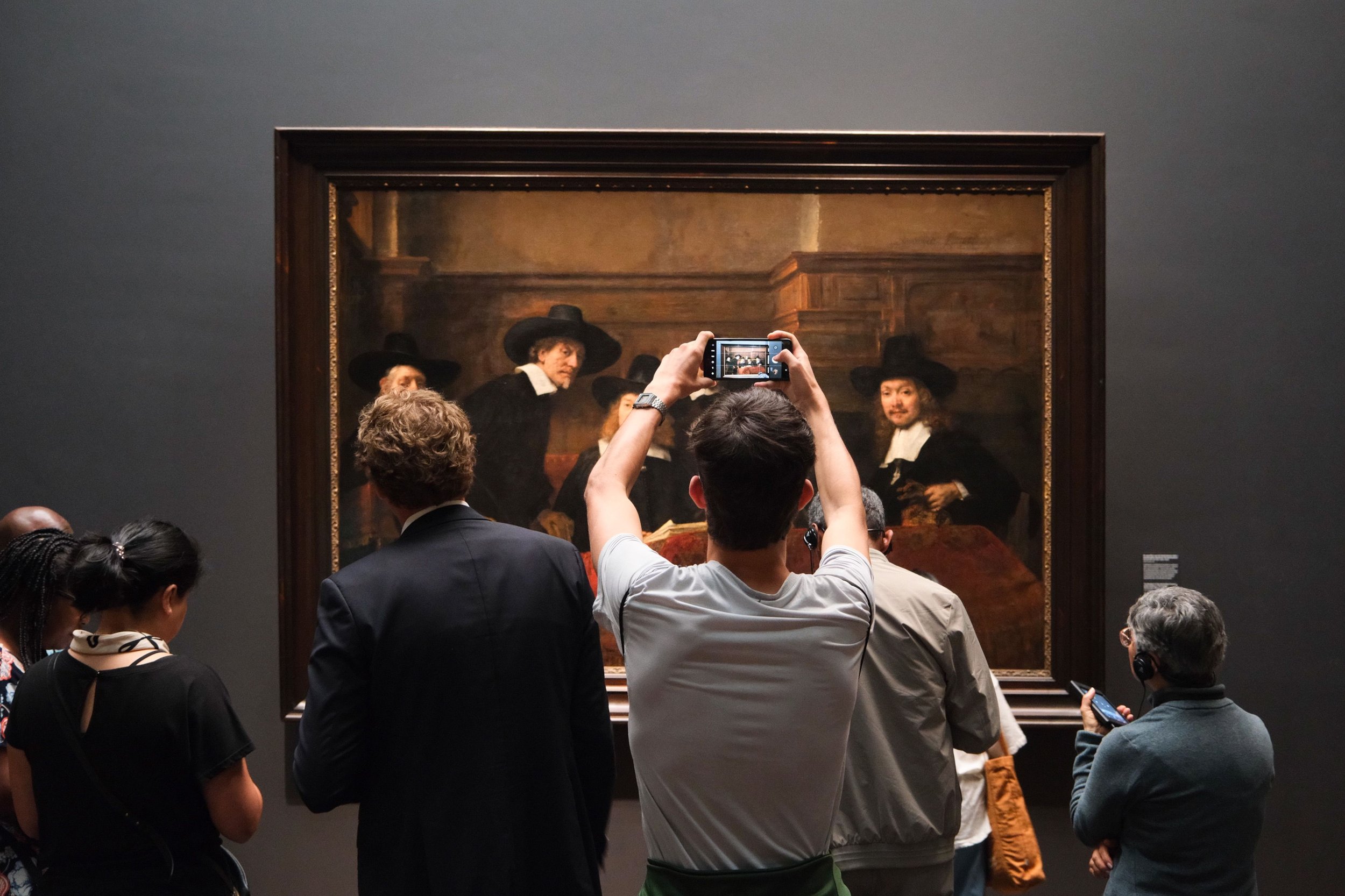
One of the big problems with having comfy couches in your exhibit hall booth space:

The Colorado Convention Center really needs to do a better job keeping hobos from accessing the exhibit hall.

The regional sports network (RSN) model, and sports media in general, has experienced severe disruption from the streaming revolution. To adapt, RSNs, like FanDuel Sports Network (FDSN), have been forced to update their business models, adopt DTC streaming strategies, and renegotiate their distribution agreements. As cord-cutting accelerates and the streaming landscape becomes increasingly saturated, RSNs must find new ways to differentiate themselves and capture consumers’ limited attention. A defining challenge for FDSN is determining whether its naming-rights partnership with FanDuel Sportsbook and the broader integration of gambling-related content into live broadcasts can meaningfully drive audience discovery and engagement. In Part II, our research team will present data and findings from our research, and reflect on their implications for FDSN’s content strategy and audience growth objectives.
With many arts organizations and artists already feeling behind in their digital presence (‘Is it already time to update the website again?’), Google’s AI Overview might be baffling—not only because it's been adopted so quickly, but also because it feels unpredictable. How are arts organizations showing up (or not) in AI search? To find out, contributor Cole Schubert conducts an experiment by running four search queries on six of the top artistically vibrant cities in the United States.
In this month’s edition of Byte-Sized Culture, lead researcher Julia Srnec writes about the impacts of AI on search discoverability, UNESCO and ICOM’s findings from their latest survey, Global Survey on the Use of Artificial Intelligence in Museums, and how advancement in animatronics is changing immersive entertainment experiences.
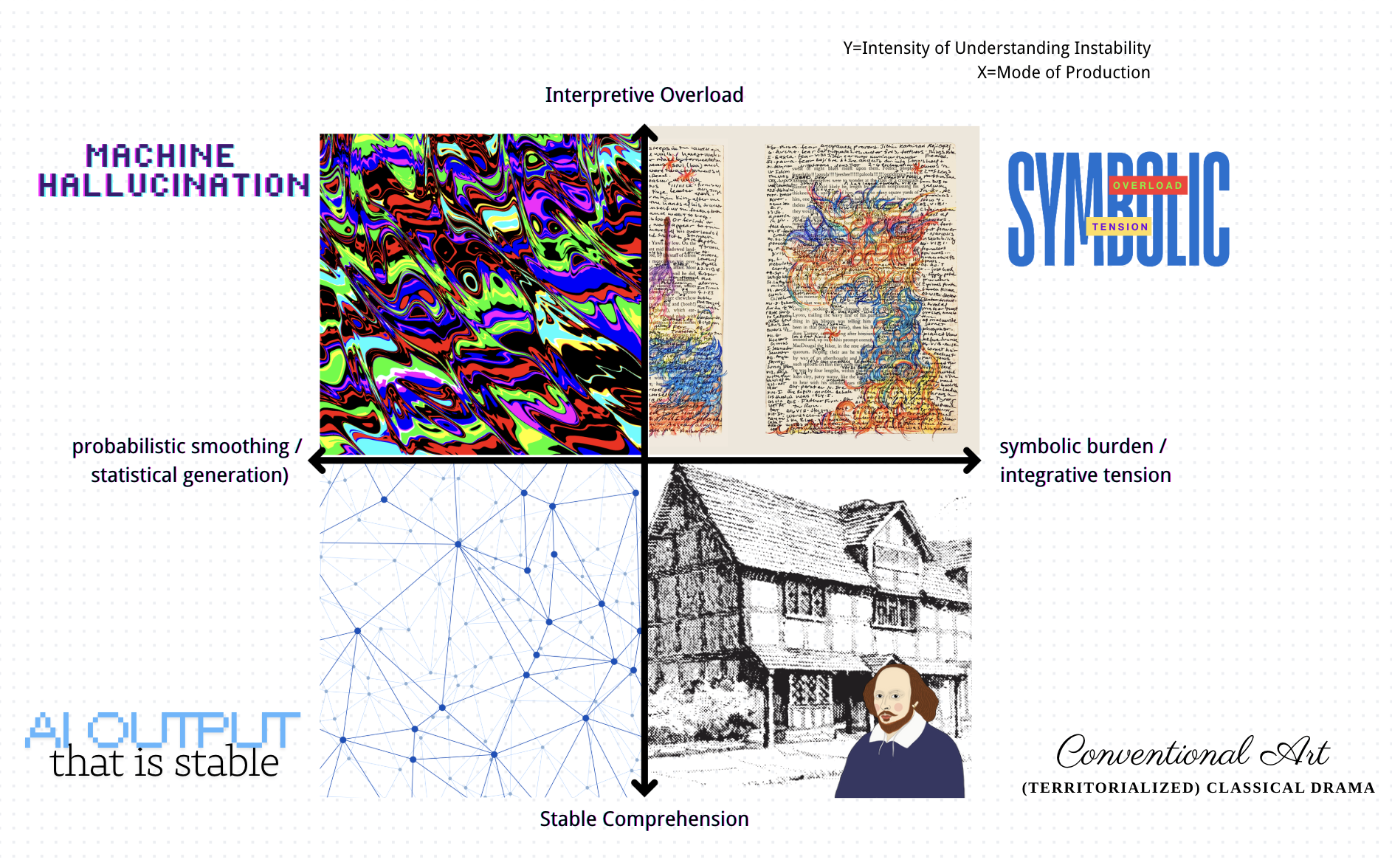
Former AMT Lab Chief Editor of Research Ziqi Xiang explores how hallucination and understanding in the age of artificial intelligence (AI) impacts artistic creation and the value of art. He shares his preliminary modeling of this thought-provoking academic problem.
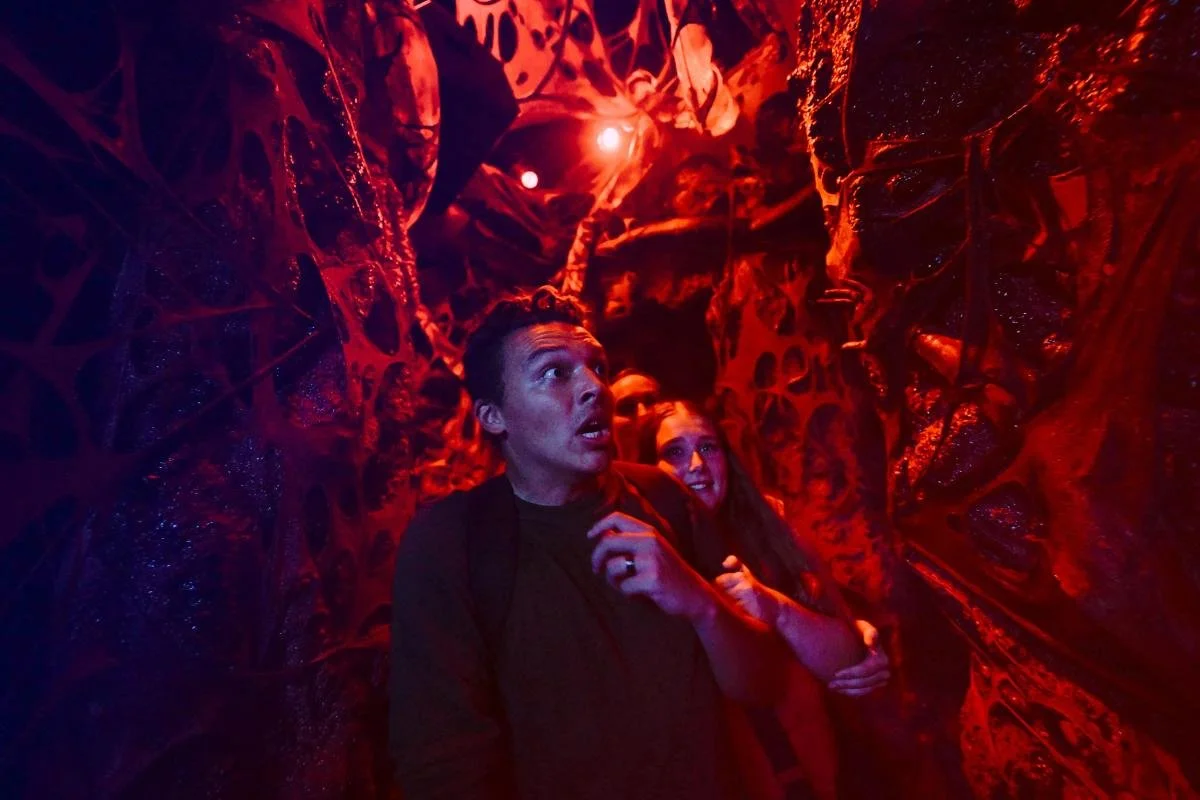
In Part 1, our research team examined the history immersive entertainment industry in the United States, and current challenges facing immersive experience creators. Part II dives into the results of our online survey and findings based on interviews with industry experts. To gain insights into the audience perspective, an online survey was launched on January 17, 2026, examining overall engagement with immersive entertainment. The survey revealed a thematic overlap between immersive audiences and traditional entertainment preferences. Ultimately, a “one-model-fits-all” approach to immersive entertainment would be limiting, and our research supports the need for a fourth model called the Immersive Plaza.
One of the big problems with having comfy couches in your exhibit hall booth space:
The Colorado Convention Center really needs to do a better job keeping hobos from accessing the exhibit hall.