


CRM integration is the process of using various technologies to “connect” multiple systems so they can pass data back and forth. Among all the possible systems to be integrated, social media could be one of the most informative ones.

This article analyzes Ireland’s emerging position as a global cultural policy case study, focusing on the Basic Income for the Arts (BIA) program and its place within the national framework Culture 2025. While Ireland’s consensus-driven political system, strong arts advocacy networks, and history of support for artist income have enabled an ambitious, research-oriented basic income pilot, the article highlights deeper tensions within cultural policymaking. Drawing on Stephen Hadley’s concept of “cultural policy realism,” it argues that Ireland’s policies—despite their novelty—remain rooted in traditional, instrumentalist views of culture as an economic engine and national branding tool. By contrasting democratization of culture with cultural democracy, the piece situates Ireland’s model between innovation and reversion, emphasizing the need for sustained experimentation, critical evaluation, and more genuinely democratic approaches to cultural support.
This study advances Part II by translating Scopely’s strategy into an execution plan across three tracks - NPC innovation, intelligent monetization, and ethical LiveOps - supported by new evidence from a 1,159-response consumer survey, nine expert interviews (developers, influencers, and experiential professionals), and secondary industry research. Part I established the market context for AI’s disruptive potential and identified three priorities: live operations evolution, commerce optimization, and advanced player analytics. The goal of this phase is to pinpoint the highest-leverage AI applications that deepen gameplay engagement, convert payment resistance through demonstrated value, and safeguard community trust. Accordingly, Part II outlines actionable playbooks (context-aware NPCs and adaptive narratives), platform tactics (purchase-aligned mobile personalization and cross-play integration), and operational models (behavior-based matchmaking and transparency protocols) designed to drive scalable, technology-led growth while preserving the integrity of shared human play.
This study provides a comprehensive analysis for Scopely to enhance its position as a leader in interactive and mobile gaming, focusing on AI integration in live operations, in-game commerce, and player analytics. The research reveals the urgent need for gaming companies to navigate accelerated AI adoption and evolving player expectations for personalized experiences. The goal is to identify the most impactful AI applications over the next three years and strategies that maximize engagement and monetization while maintaining player trust. Significant to this goal is balancing innovation with ethical considerations, including data privacy and transparency, while recognizing AI's potential to enhance storytelling and create immersive experiences. Employing a mixed-methods approach with industry interviews, a survey of over 1,000 U.S. gamers, and secondary research, Part I establishes the foundation for understanding AI's transformative impact - setting the stage for Part II's empirical findings and strategic recommendations.
A daylight robbery at the Musée du Louvre in mid-October resulted in the theft of eight priceless pieces from the French Crown Jewels housed in the Galerie d’Apollon. The incident now serves as an in-depth analysis for arts leaders globally to confront not only external threats, like highly organized professional thieves, but also the complex, internal risk of compromised staff and the urgent need to re-evaluate their security posture, technological investment, and institutional accountability.
As immersive technologies redefine the live concert experience, artists and virtual idols alike are transforming how audiences engage with music. From Hatsune Miku’s “holographic” performances powered by projection and LED technologies to VR concerts by creators like BlackGryph0n and Gorillaz, extended reality (XR) is blurring the lines between physical and digital performance. This article explores the evolution of Vocaloid software, the artistry behind digital concerts, and the growing influence of augmented and virtual reality in live music. As AR and VR become more accessible, musicians and fans alike are discovering new ways to connect—reshaping what it means to perform, attend, and experience music in the digital age.
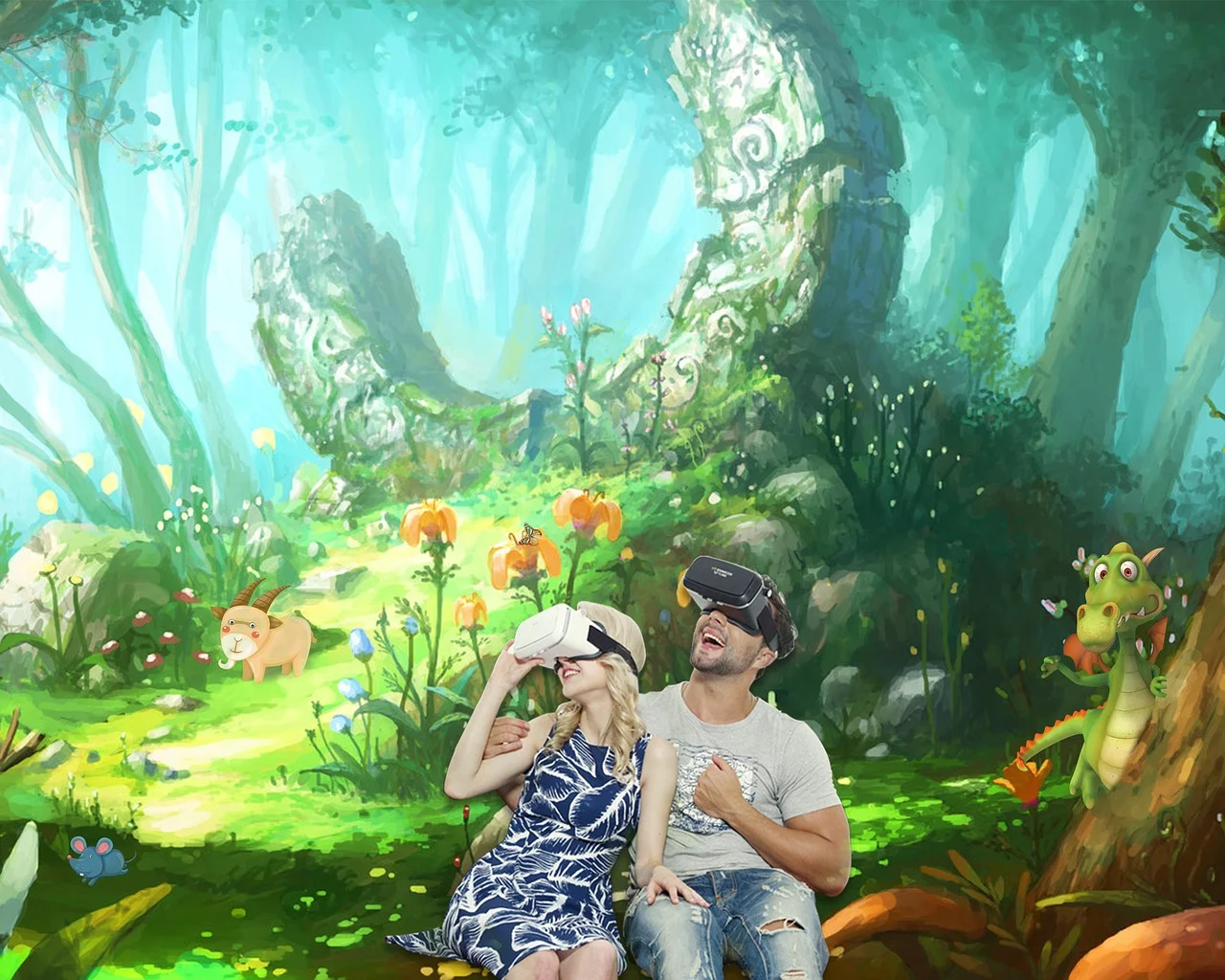
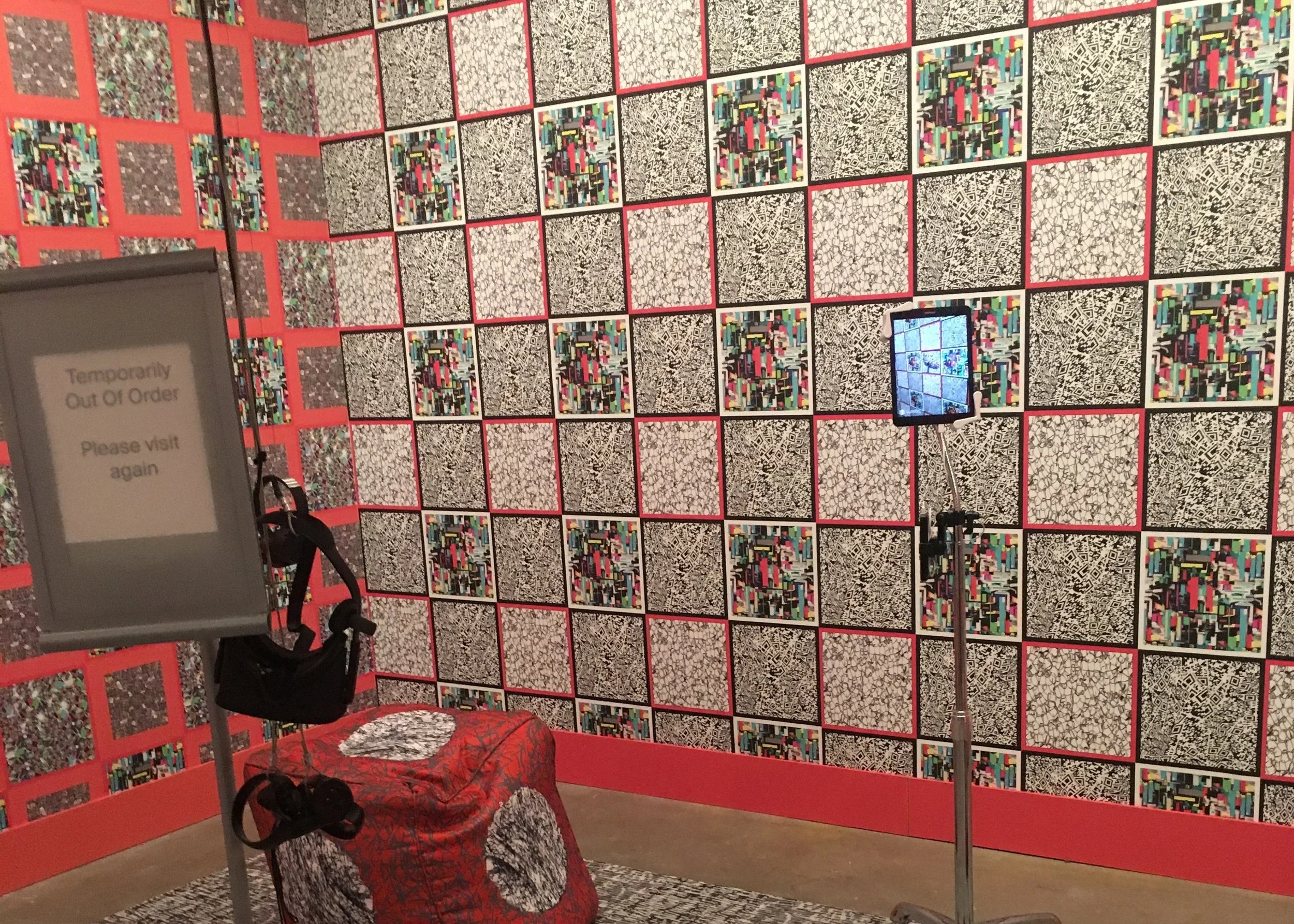
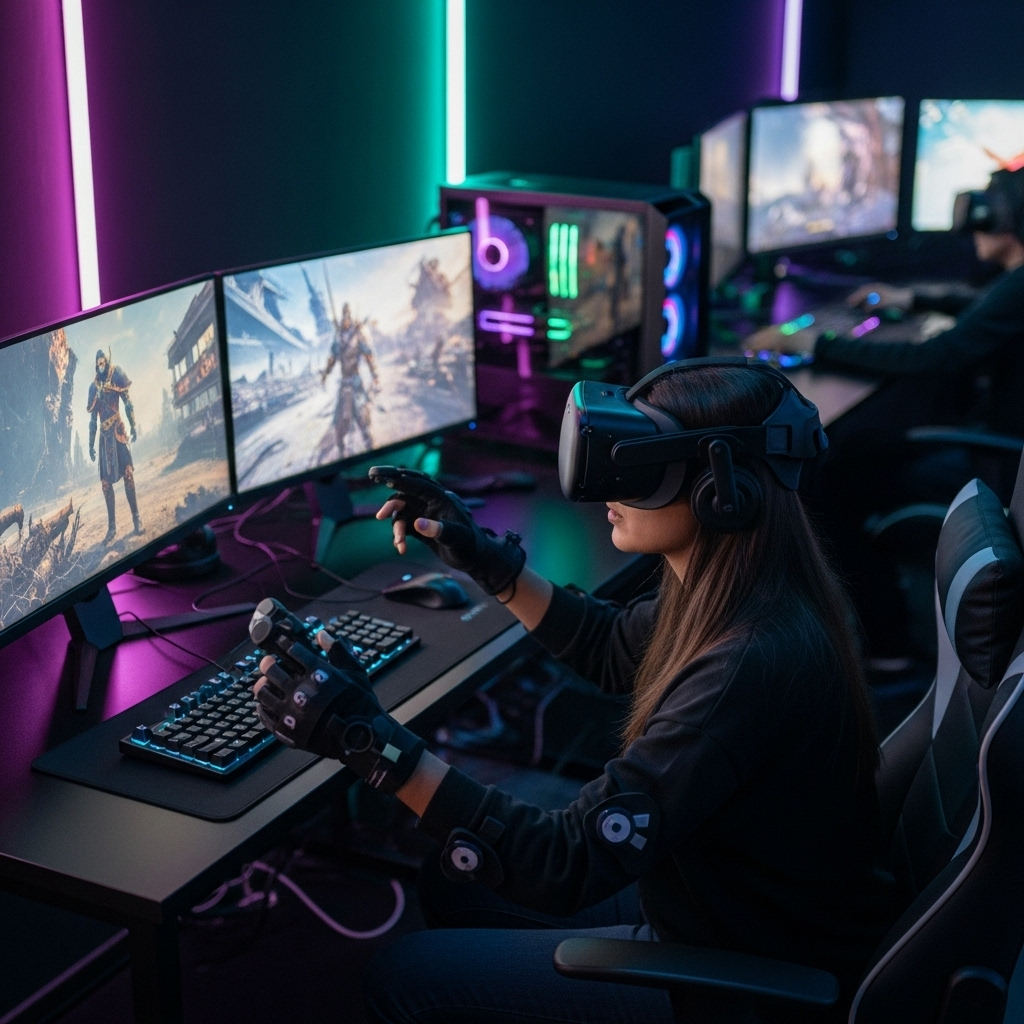
If you are creating a VR experience for your institution there is a reasonable chance it will be your guest’s first VR experience. Crafting an experience that is intuitive, has a well designed introduction, and an appropriate time to readjust to the “real” world afterwards can help make their first experience a great one.
Immersive Experiences (AR, VR, and mixed reality) are emerging in the performing arts world. Let’s take a close look to gain a better understanding of the reasons why performing arts organizations implement these kinds of technology and discover whether it was worth the investment at this time in the technology’s development.
What if we, as artists, could learn to use AI to remove the barriers between gender, race, and social status? Here are 3 takeaways for arts managers to consider when thinking of how to better engage audiences and communities within their institutions through AI.
Image Credit: Dinkins, Stephanie. "Project al-Khwarizmi (PAK)." Dinkins Studio. https://www.stephaniedinkins.com/project-al-khwarizmi.html.
Podcasts aren’t just for news and politics anymore. Arts and culture podcasts represent a small but growing niche in the field as an engaging channel for sharing stories, exploring industry trends, and offering a behind-the-scenes perspective into the different arts disciplines. For managers keen on adding more arts and culture content to their playlists and seeing how other arts organizations are leveraging the podcast medium, here’s a list of shows to check out.
One of the most challenging aspects of publicly exhibited works is their conservation, both in the physical and digital sense. One of the most challenging aspects of publicly exhibited works is their conservation. These works are often forced to directly withstand the elements, but also must be protected from graffiti and defacement. There have been examples of conservation issues forcing a public art office to remove an artwork, and Danielle Brazell from the Office of Cultural Affairs in LA described having to de-accession a work that could not be salvaged due to weather-related damage. The Cambridge Arts Council has worked to develop a streamlined system to mitigate problems with a pre-emptive strategy.
There are many important questions an organization must ask itself before implementing a blockchain system. Three questions are especially salient for nonprofits.
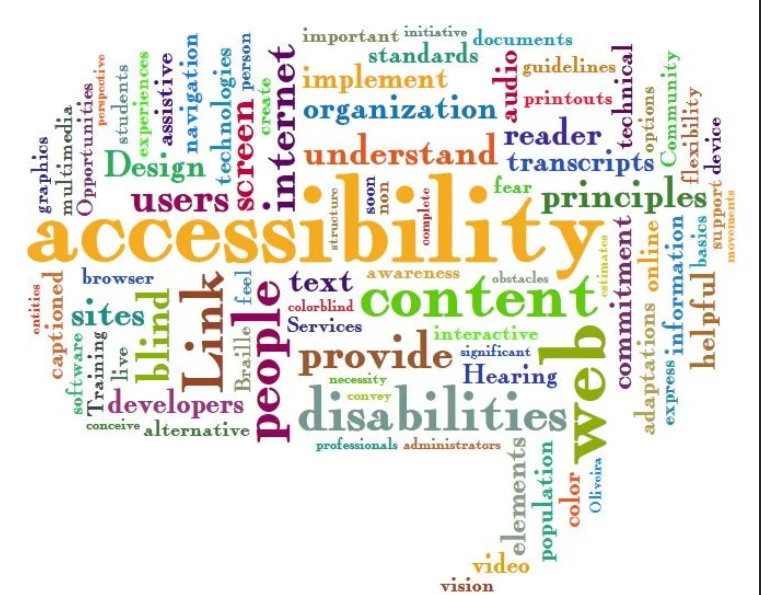
Are you considering implementing new programs, technology, or resources to enhance visitor experience for differently abled patrons? If your answer is yes, there are a few key points to remember: respect the community you are serving; ensure the changes are mission oriented; confirm ADA compliance; and install measurable methods of evaluation.
Image Credit: Jil Wright
There are a lot of options for how people may choose to allocate their time, attention, and financial resources. To an extent there is competition in the cultural sector between museums, theaters, and other similar organizations, but external options, such as other forms of entertainment or educational technology, present a plethora of choices for the consumer. With that in mind, as we start the year let’s take a brief scan of what was hot in the tech world through the 2018 holiday season, and what appears to be on the horizon.

As we wrap up 2018, we want to take a moment to thank our AMT-Lab readers and contributors for another great year of all things arts, management, and technology. We will be taking a short break to celebrate the holiday season, but we will be back after the New Year. In the meantime, be sure to follow the AMT-Lab Facebook, Twitter, Instagram, and LinkedIn pages for “sweet” updates and posts on some of our favorite past articles.
Have a safe and happy holiday season. We’ll see you next year!
The AMT-Lab Staff
Live streaming has become a popular trend for performing arts organizations, and many have turned to Facebook to broadcast their shows. Many organizations may find it beneficial to start their live streaming journey with Facebook Live, continue to use the platform for events that are likely to attract a lot of Facebook users, and invest in higher quality live streaming services as they grow.
In spring of 2017 AMT Lab contributor Kara Post created a Museum App blueprint that establishes a set of standards to consider when designing or evaluating a museum application for the enhancement of the visitor’s experience. This framework is applied to the CMOA Gallery Guide
Public art in commercial and recreational structures is a means to bring communities together and directly connect people with the physical space around them. Typically, public art is presented in the form of murals, sculptures, architecture, and environmental art. In addition to social bridging, public artworks can serve as identity-markers for particular locations, mediums to express distinct points of view, and vehicles to inspire personal and social change.
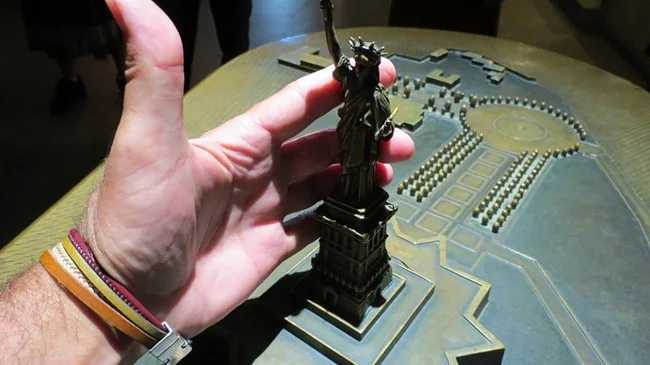
Technical innovations are increasing opportunities for patrons who have low or no vision to engage with the arts. There are four dominant approaches for serving these members of the community: seeing through touch tours, beacon technology, audio description, and applications on personal devices.
Image credit: National Park Service
Artificial Intelligence is opening up a new world of possibilities for arts organizations in terms of programmatic offerings, guest services, and management. A recent convening of the American Alliance of Museums, hosted by the Perez Art Museum Miami, and sponsored by The Knight Foundation and Alley Interactive, brought together museum professionals, technologists, and futurists to discuss how AI is, and can be used in museums.