Digital Futures

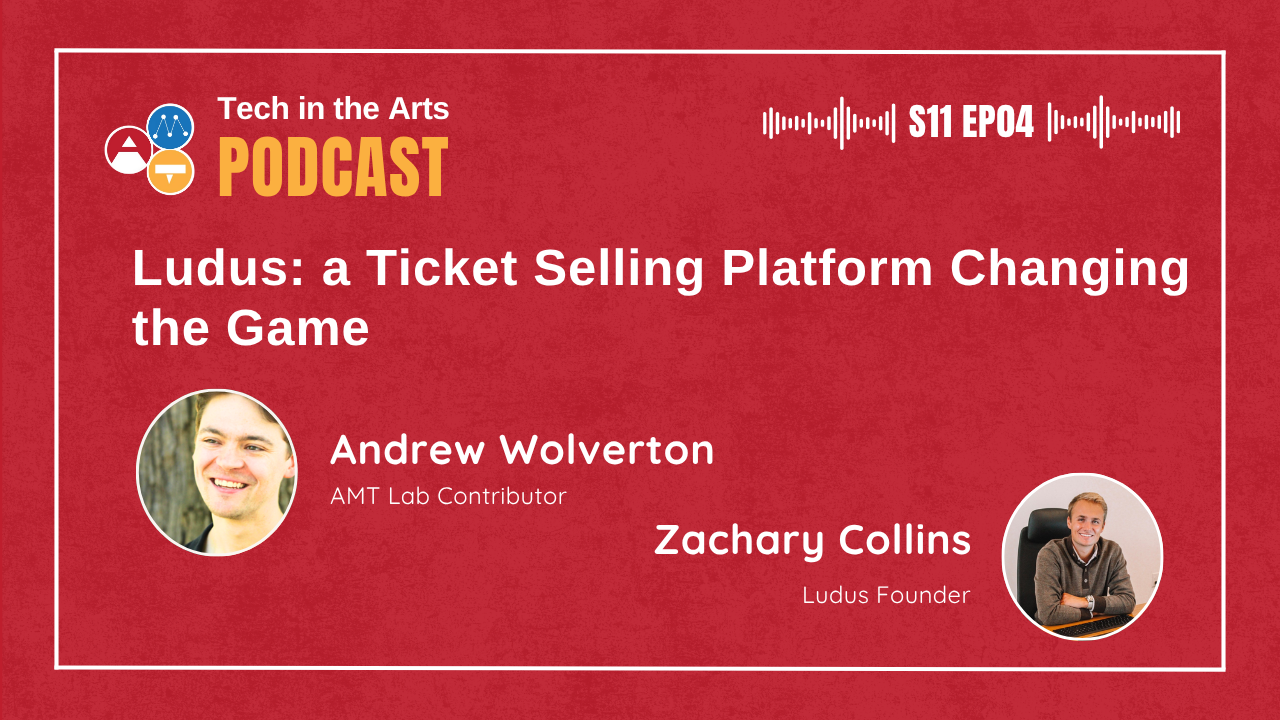
Ludus: a Ticket Selling Platform Changing the Game

 Ludus: a Ticket Selling Platform Changing the Game

In this episode of the Arts Management and Technology Lab, Andrew Wolverton and Zachary Collins explore how arts-focused technology can transform nonprofit ticketing and operations, tracing Ludus’s journey from a side project for a single high school musical to a nationwide platform serving more than 4,000 organizations. Collins explains how Ludus was built from the ground up around the real needs of drama teachers and community theaters, growing into an end-to-end system for ticketing, fundraising, marketing, volunteers, and concessions—while staying anchored in a people-first culture summed up by the company’s core value, “Give a Shit.” He reflects on navigating the COVID-19 shutdown through livestreaming and social-distancing tools, choosing the right growth equity partner, and why he believes AI shouldn’t replace arts workers but instead act as a “superpower” that frees them to focus on human-centered work and shared live experiences.

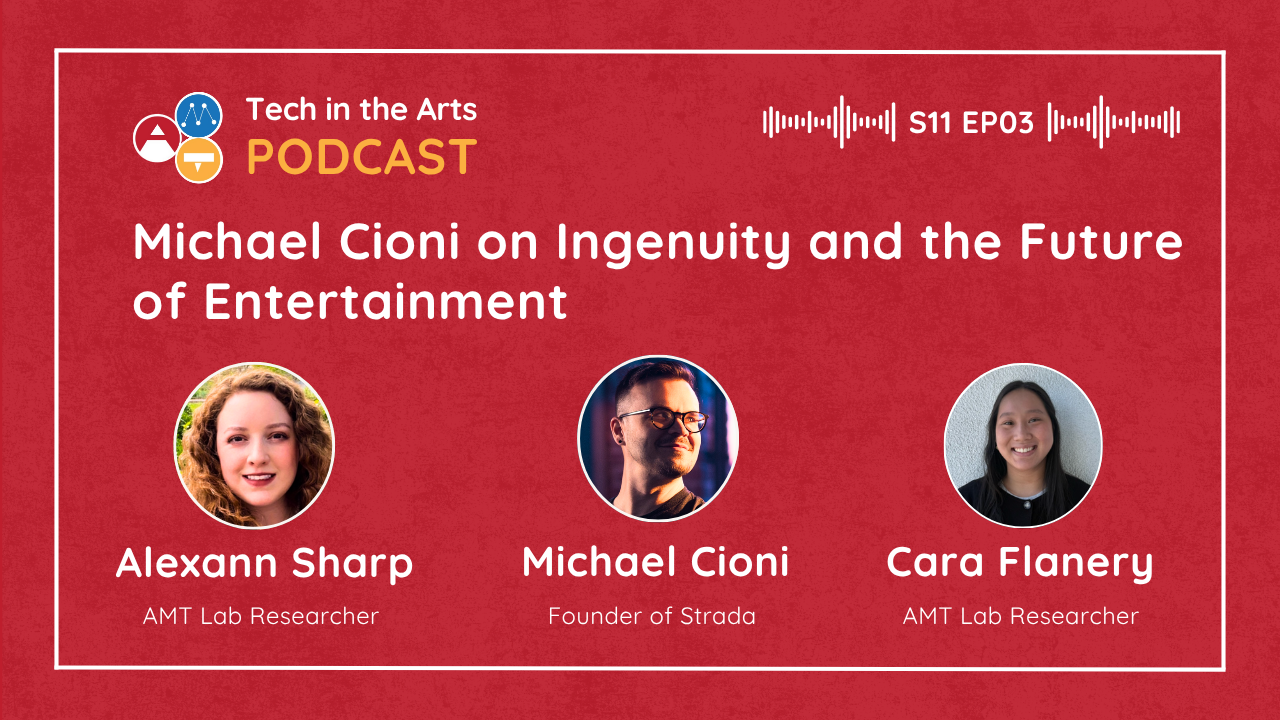
Michael Cioni on Ingenuity and the Future of Entertainment

Michael Cioni on Ingenuity and the Future of Entertainment

In this episode of the Arts Management and Technology Lab, Alexann Sharp and Cara Flannery sit down with four-time Emmy-winning innovator Michael Cioni to unpack how technology and creativity converge in modern media workflows. Cioni introduces Strada, a peer-to-peer platform designed to enable remote collaboration without cloud storage, and shares career lessons on building networks through industry events (NAB, Cine Gear, IBC) and assembling complementary teams (“Swiss-cheese” collaboration). He distinguishes generative vs. utilitarian AI, predicts a shakeout and rebound for GenAI, and outlines his Skills Gap Principle and “Technative” mindset for balancing creative and technical strengths. The conversation closes with candid advice on taking smarter risks and betting on yourself.

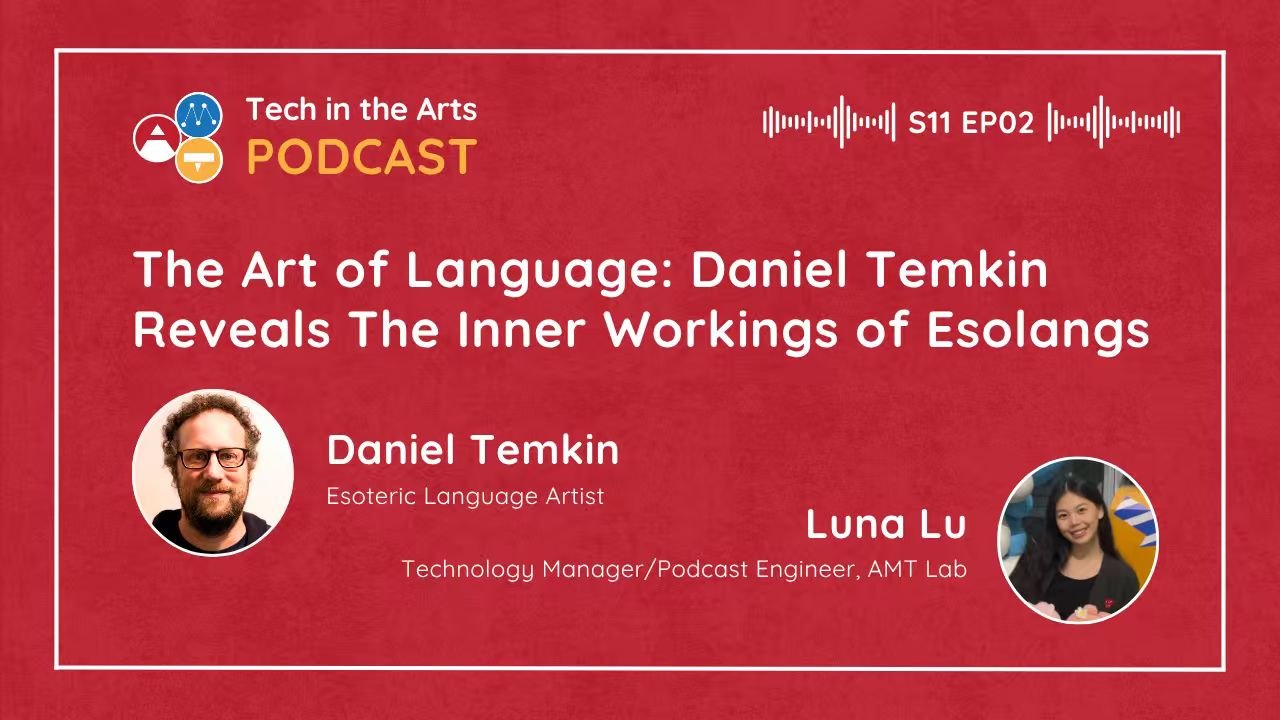
The Art of Language: Daniel Temkin Reveals The Inner Workings of Esolangs

The Art of Language: Daniel Temkin Reveals The Inner Workings of Esolangs

In this episode of the Arts Management and Technology Lab, Daniel Temkin and Luna Lu discussed the artistic possibilities of code, focusing on esoteric programming languages (esolangs) and how they can function as a medium for art and human expression. Temkin explained that his interest began with experimenting in existing esolangs (like Brainfuck) around 2007-2008, leading him to create his own and document them conceptually, moving away from overly technical documentation. The conversation highlighted how giving up on the idea that programming must be practical allows for artistic exploration, connecting esolangs to idea art, constraint-based work (such as the Oulipo Group), and performance art. Temkin detailed the structure of his book, which presents programming languages as idea-based art, containing both realized works and conceptual prompts inspired by artists like Yoko Ono, and described how his languages — such as Fat Finger, which inspired code poetry, and Folders, which manipulates file system hierarchy — explore themes of collaboration, human irrationality, and the extreme constraints of logical systems. Listeners were also encouraged to explore existing esolangs on the Esolang Wiki before trying to design their own.

Ethics, AI, and Sustainability in the Arts

Ethics, AI, and Sustainability in the Arts

In this episode of the Arts Management and Technology Lab, Hannah Brainard and Anuja Uppuluri explore two significant threats to artists and cultural institutions: the ethical and legal implications of Artificial Intelligence (AI), specifically its pre-training practices, and the impact of climate change on art and cultural heritage. They discuss how AI models often exploit artists' work without consent or compensation, leading to calls for dynamic consent systems, robust attribution, and fair compensation models.

The Future of Technology in the Performing Arts: VR versus Broadcast

The Future of Technology in the Performing Arts: VR versus Broadcast

Have you ever wished you could be front row for your favorite artist or see a sold-out Broadway show, all from your living room? Technology is making that a reality, from VR concerts with stars like Sabrina Carpenter to the National Theatre Live broadcasting plays live to cinemas or to your couch. But can a headset or a movie screen ever truly capture the magic of being there? In this episode, Alexann Sharp and Lehan Xu explore the technological revolution changing live entertainment and ask if we're gaining accessibility at the cost of authenticity.

Live-Coding, Performance, and Computational Art with Char Stiles

Live-Coding, Performance, and Computational Art with Char Stiles

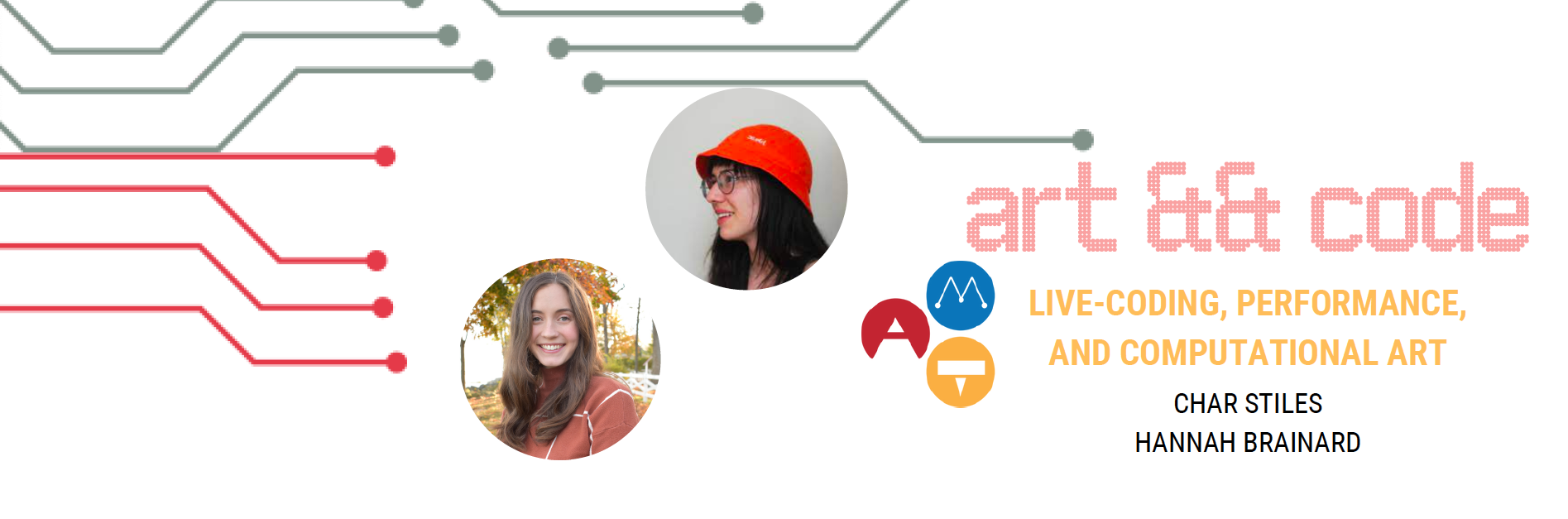
In the third episode of the Art&&Code podcast series AMT Lead Researcher, Hannah Brainard, talks with Char Stiles, a computational artist, educator and programmer based in Brooklyn, NY. Stiles works creatively in the lower levels of graphical computational systems and is currently at the MIT Media Lab’s Future Sketches group.

Meet the Creators of SudoMagic: Zoe Sandoval & Matthew Ragan

Meet the Creators of SudoMagic: Zoe Sandoval & Matthew Ragan

For our very first episode of the Art&&Code podcast series AMT Lead Researcher, Hannah Brainard, talks with Zoey Sandoval and Matthew Ragan, the creators of SudoMagic, a design and software development studio, which focuses on immersive experiences. While artificial intelligence and machine learning have been tools in their artistic practice, Sandvol and Ragan offer predictions and ethical concerns around how these models may be trained and implemented in the future. This podcast was made in partnership with the Frank Ratchye Studio for Creative Inquiry.

Identity, Ethics, and Voice in AI with Dorothy Santos

Identity, Ethics, and Voice in AI with Dorothy Santos

In the latest installment of our Let’s Talk podcast series, AMT Lab staff member Samantha Sonnet interviews interdisciplinary scholar and creative, Dorothy Santos. The two discuss the future of AI, identity, tech and culture, tarot reading, and much more.

Your Favorite Podcasts in 2022

Your Favorite Podcasts in 2022

Here are our top podcasts for 2022 — what did you hear? What did you miss?