
Imagine this…
Jon works for a small non-profit arts organization. In addition to his regular set of responsibilities as Marketing Coordinator, Jon has been asked to lead a small group on a new project. Although Jon eagerly accepts, he is fearful.
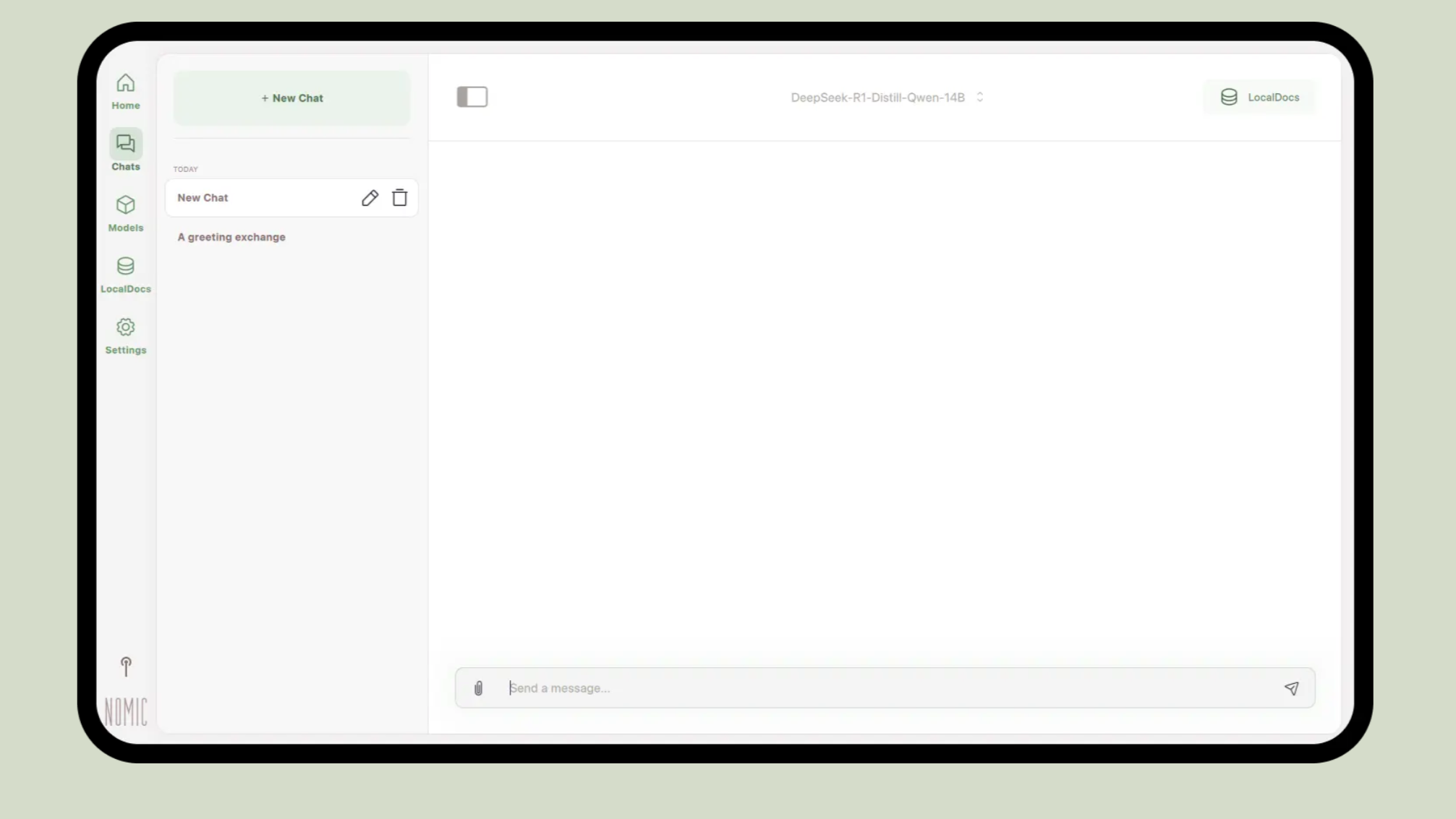
Local large language models (LLMs) can help artists and non-profit organizations with the grant writing process. AMT Lab Contributing Writer Morris McLennan explains how to setup a local LLM for grant writing and how grant writers can get consistently relevant output from LLMs.
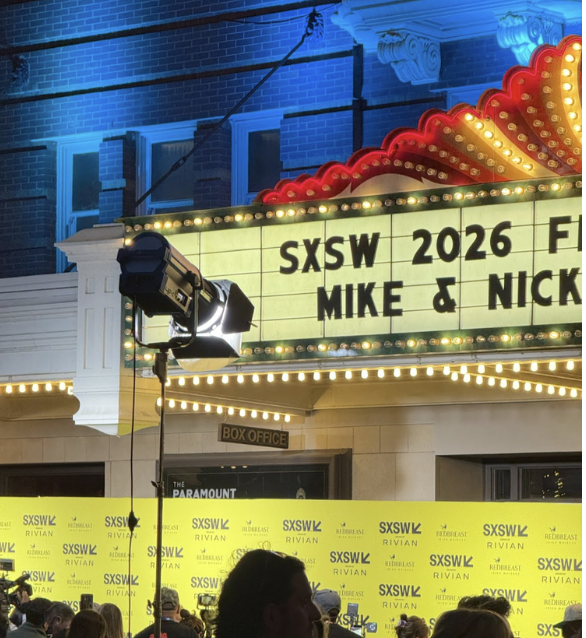
This article analyzes how SXSW 2026 reflects broader changes in the film festival circuit, particularly the transition from acquisition-driven markets to marketing-oriented platforms. It considers the implications of this shift for distribution strategies, industry access, and the sustainability of independent filmmaking.
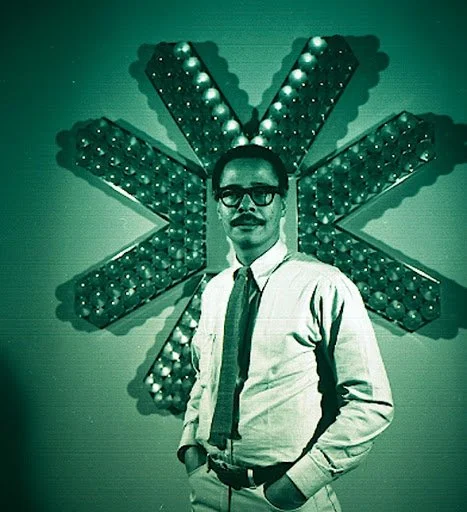
Tom Lloyd's light-based sculptures are now on view at the newly reopened Studio Museum in Harlem, marking the institution's return to 125th Street after years of renovation. This review examines how Lloyd built a practice around electric light and technology at a time when Black artists faced pressure to work in more representational forms, and why his work remains relevant today.
This article offers a philosophical analysis of Hamnet, focusing on how director Chloé Zhao constructs a cinematic language grounded in pre-linguistic perception, myth, and embodied affect. Centering on the character of Agnes, the essay argues that the film traces a movement from a holistic, pre-symbolic mode of being—rooted in nature, sensation, and maternal lineage—into the symbolic order shaped by rhetoric, narrative, and art. Drawing on mythology, psychoanalytic theory, and Western philosophical traditions, the analysis explores how grief resists linguistic assimilation and how artistic representation functions as a belated ethical container for loss. Rather than resolving trauma through narrative closure, Hamnet foregrounds ambiguity, sensory immersion, and emotional resonance as primary modes of meaning-making. The article ultimately positions Zhao’s film as a critique of interpretive dominance in Western thought, proposing cinema as a space where perception precedes language and where art enables a shared, collective encounter with otherwise inexpressible pain.
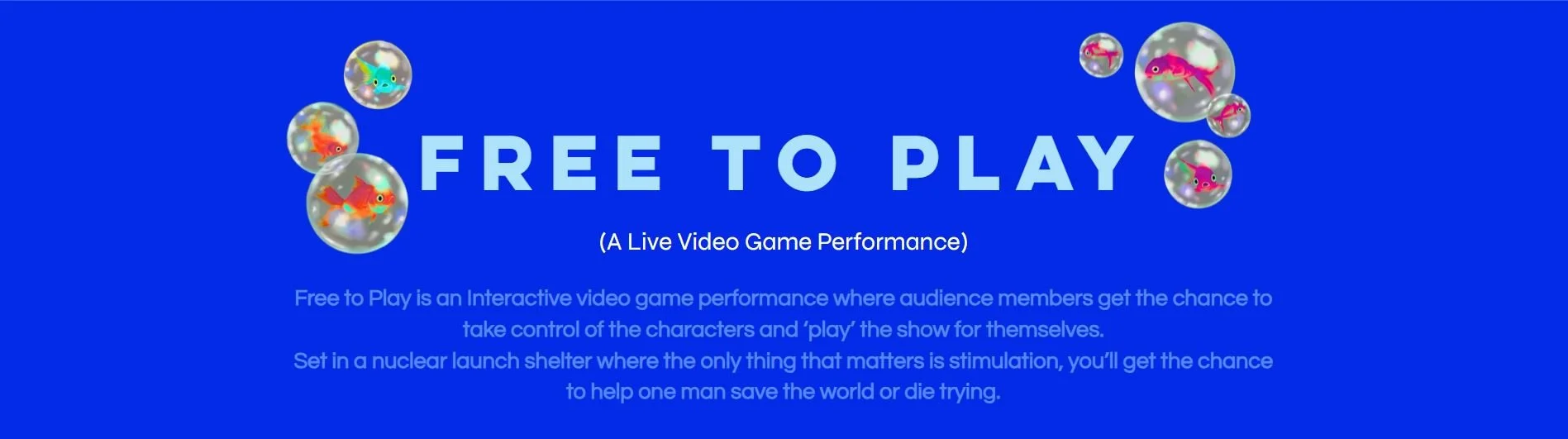
Free To Play: A Live Video Game Performance redefines interactive theatre by merging live performance with real-time gameplay. Supported by the Frank-Ratchye STUDIO for Creative Inquiry, the production explores how digital platforms, gamification, and audience participation reshape creative agency and engagement in contemporary performance.
A recent NTEN article provided a list of free online tools to help nonprofit organizations test their websites for accessibility. These tools help to ensure the features and content on a website can be experienced by persons of all abilities. Today I take a closer look at one of the tools listed, WAVE, and review another option not included in the report, AMP.
All nonprofits—regardless of size, scope, or location—need some sort of electronic storage space to keep track of day-to-day operations, such as expense reporting, client contact information, or meeting plans. As office buildings become more expensive to maintain and less environmentally sustainable, online workspaces are becoming more and more popular. Unfortunately, finding the right workspace for your specific organization can be difficult.
As I’m sure you’ve noticed, the advent of digital technologies have radically changed our world. Lately it seems like the process of art collecting finally caught up - Amazon sells original art and services like Gertrude and Art.sy digitize traditional collecting. Perhaps the most innovative and clever of these services is ARTtwo50 - I played with their app over the weekend.
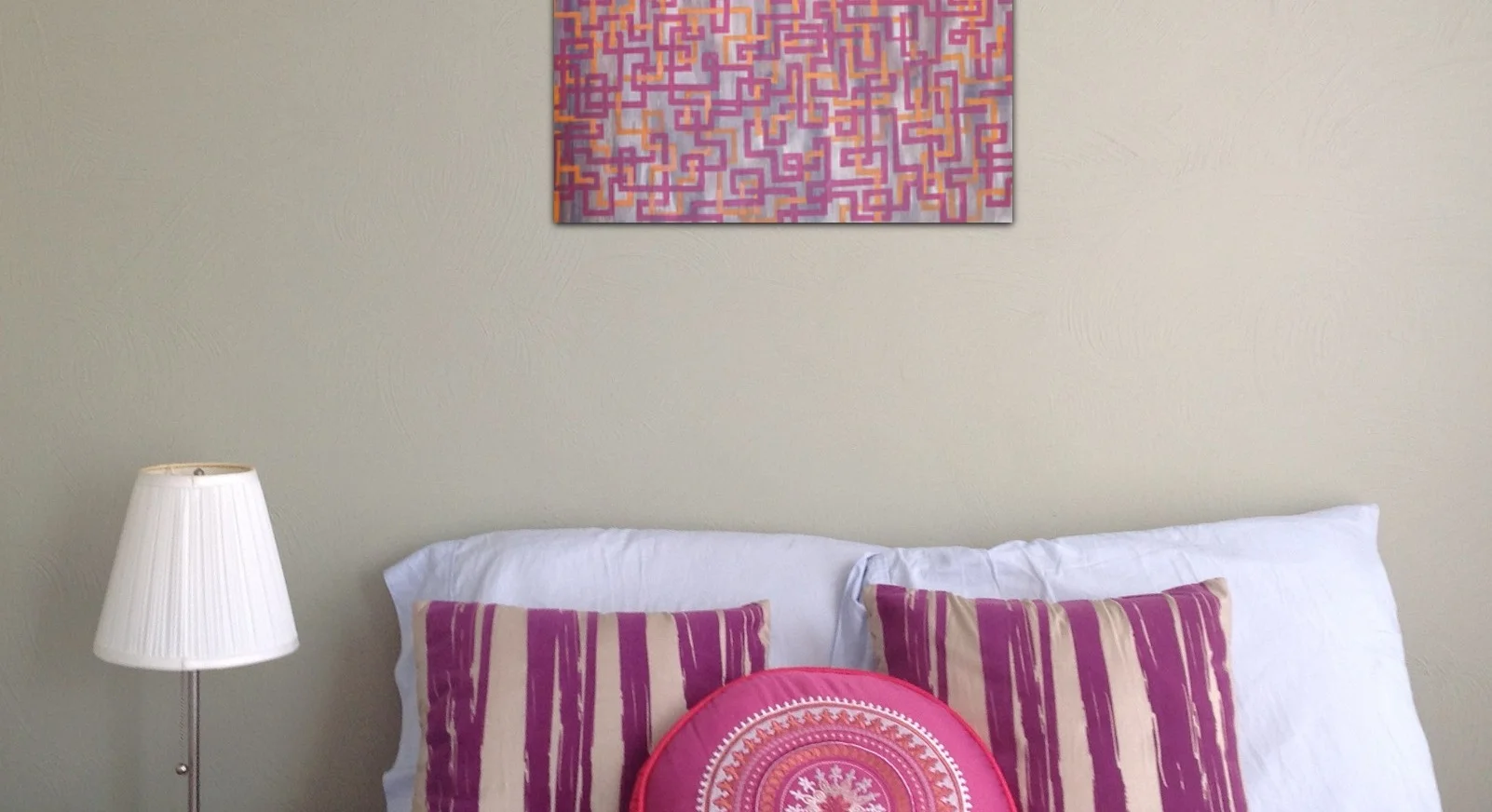
Being an artist or a gallery manager in the 21st century requires an changing degree of technological know-how and engagement -- or so it might seem. In 2008, Technology in the Arts presented some options for free web sites for artists: http://www.technologyinthearts.org/2008/06/free-web-sites-for-artists/. Over the past 5 years things have only gotten easier with html5, ipads, and an ever-growing app market, and artists have more options at their fingertips to create online galleries of their very own. A slick and simple option currently in public beta-test is Works.io.
Last month we began a conversation on database options for the nano-nonprofit, characterized here as the smallest of artistic enterprises, often in the early years of operation, with annual budgets under $60,000, and/or having a paid staff of 5 persons or fewer (if not entirely volunteer-run). When considering data solutions that will allow these lean organizations to capture the nuances of their patron relationships by integrating multiple points of contact (attendance, donations, communications, and personal info), top considerations that emerge are price, ease of use, customer support, and email compatibility.
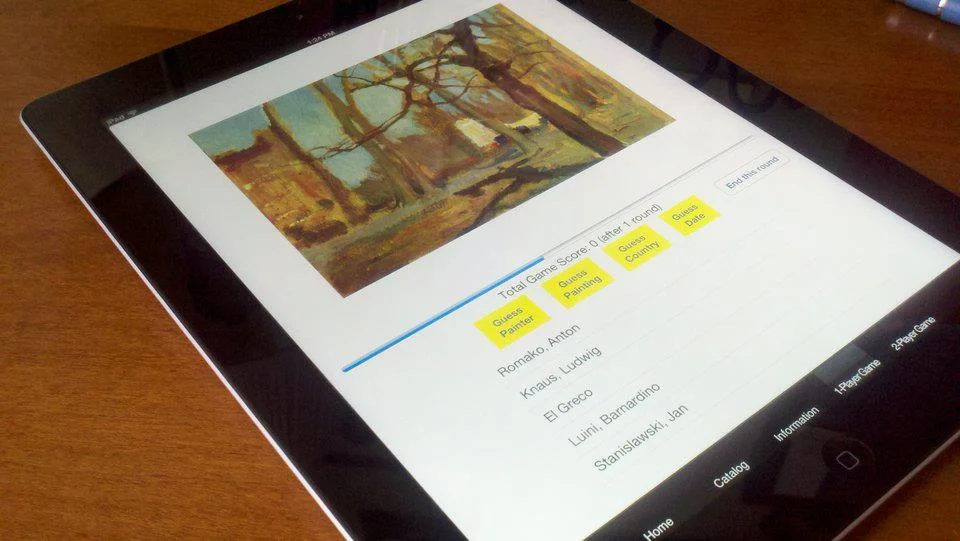
Whether you're someone who just loves to learn or an undergrad trying to absorb all the art history knowledge of all time - have I got a treat for you. I took some time to check out Painting Portal - a helpful compendium of paintings from the iTunes app store.
How many of you have ever imagined being able to see artwork in the greatest museums around the world without leaving your chair? Driven by his passion for art, Amit Sood developed Art Project to let people do just that. The Google Art Project includes various museums from nine different countries, which provides people an access to artworks worldwide. It’s not uncommon, many people and organizations began to think about “online museums” years ago. However, I found two important features, which I rarely notice on other similar websites, that differentiate Google Art Project from others-----the extremely high pixels (10 billion) and the collection button.
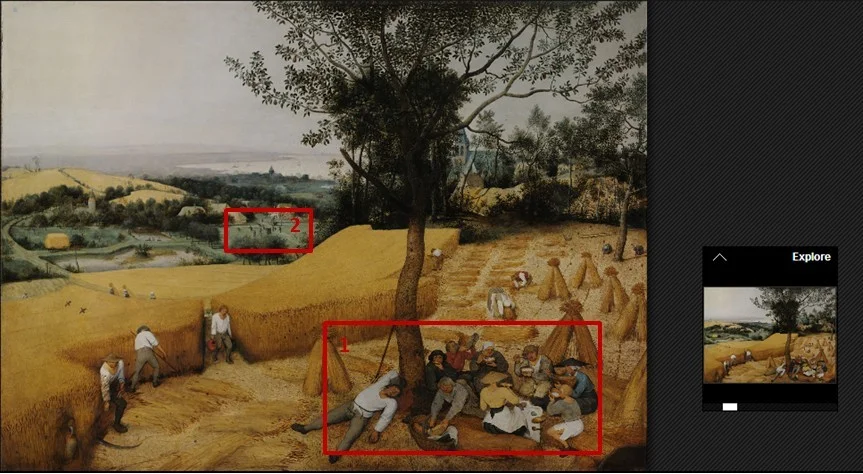
image 1
(Image 1)
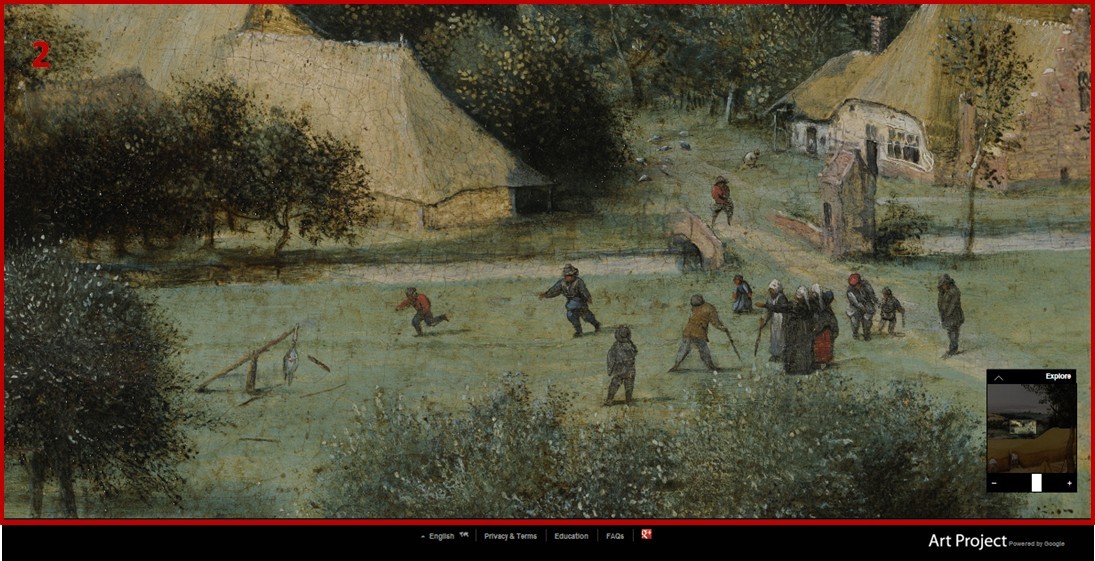
Some people wondering what could we get from 10 billion pixels? Google Art Project’s pursuit for an extremely high pixel count for each piece ensures audiences have a high level of exploration experience for artworks. For instance, the Harvesters, painted by Pieter Bruegel the Elder in 1565, gives you a general view on the artwork at the first glance (Image 1). Gradually, you will probably be curious about several detailed part of the paintings. What are people doing in the triangle 1 and triangle 2 areas (Image 1)? As you zoom in triangle 1 area, you will clearly see expressions on each person’s face (Image 2). Then you will really want to look deeply. As you start playing around, you will find something going on over there in triangle 2 area. As you zoom into the triangle 2 area, you will find that the artist depicted a scene of kids beating something (Image 3). Apparently, it seems to be a quite popular game. After I did a little research on Google, I found this was a game called score which involves in beating the goose with sticks. You see, I learned something from the exploration process for the painting.
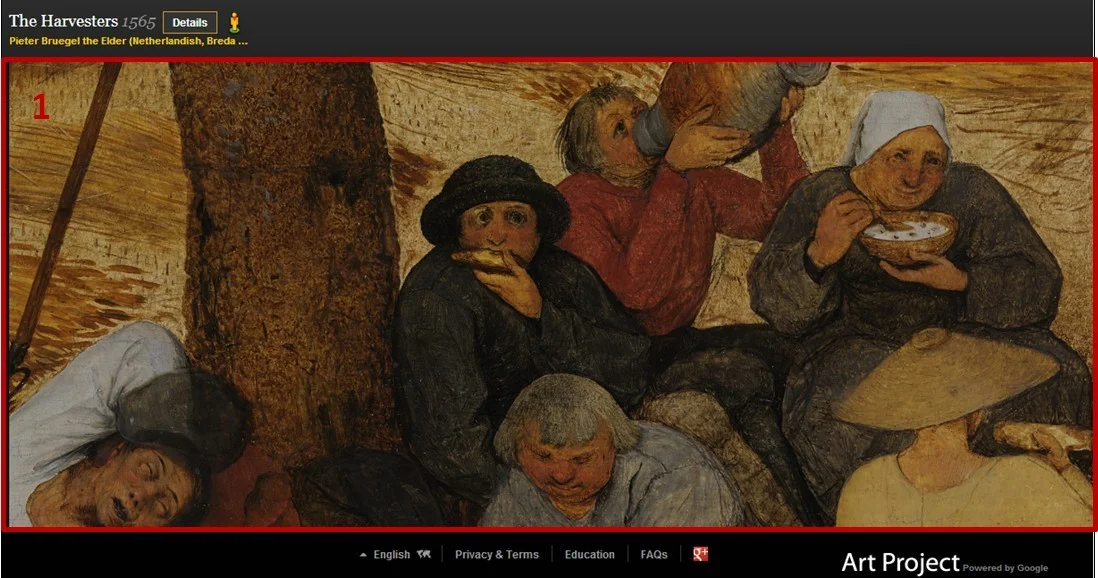
image 2
(Image 2)

image3
(Image 3)
This high standard of pixels also enables people to observe the details about brush strokes and to see how an artist actually creates the masterpiece. As I deeply go to the favorite part of the painting Starry Night painted by Van Gogh. Interestingly, as I zoomed in, the cracks noticed seemly closer the distance between Van Gogh and me. I've never gone into the Starry Night like this before.
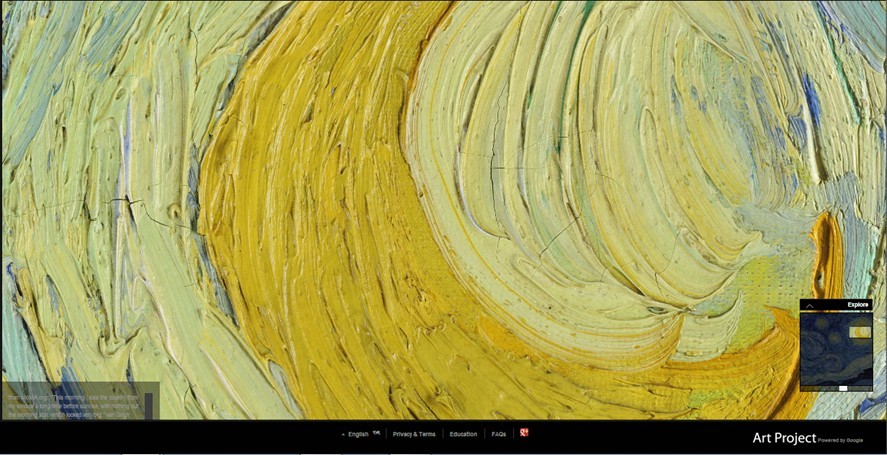
image5
Another amazing feature of this project is the collection button. This button enables any one of us to create our own museums online by creating our own collections out of all these images. Moreover, you can introduce your museum to your friends via sending an email and really get a conversation about what your feeling is when going to these masterpieces.
Additionally, we also see some potential values of this project for the arts education field. This could be a great tool for arts teachers to better get to the interpretations of interesting details of the masterpiece in class. For now, the Google Art Project seemingly performs well at a technical level. However, from a management perspective, some people doubt its problematic execution. Another concern is if the implication of Google Art Project is that in the future there will no longer be any need to visit a museum. This is not our focus of this post, but we are curious about your opinion about this project. Leave a comment below!