
The Studio Museum in Harlem serves as the nexus for artists of African descent— both locally and globally—and work that has been inspired and influenced by Black culture. It is a site for the dynamic exchange of ideas about art and society. It supports artists through initiatives such as its Artist-in-Residence program and the Joyce Alexander Wein Prize, which recognizes and honors the artistic achievements of an African American artist who demonstrates great innovation, promise, and creativity.
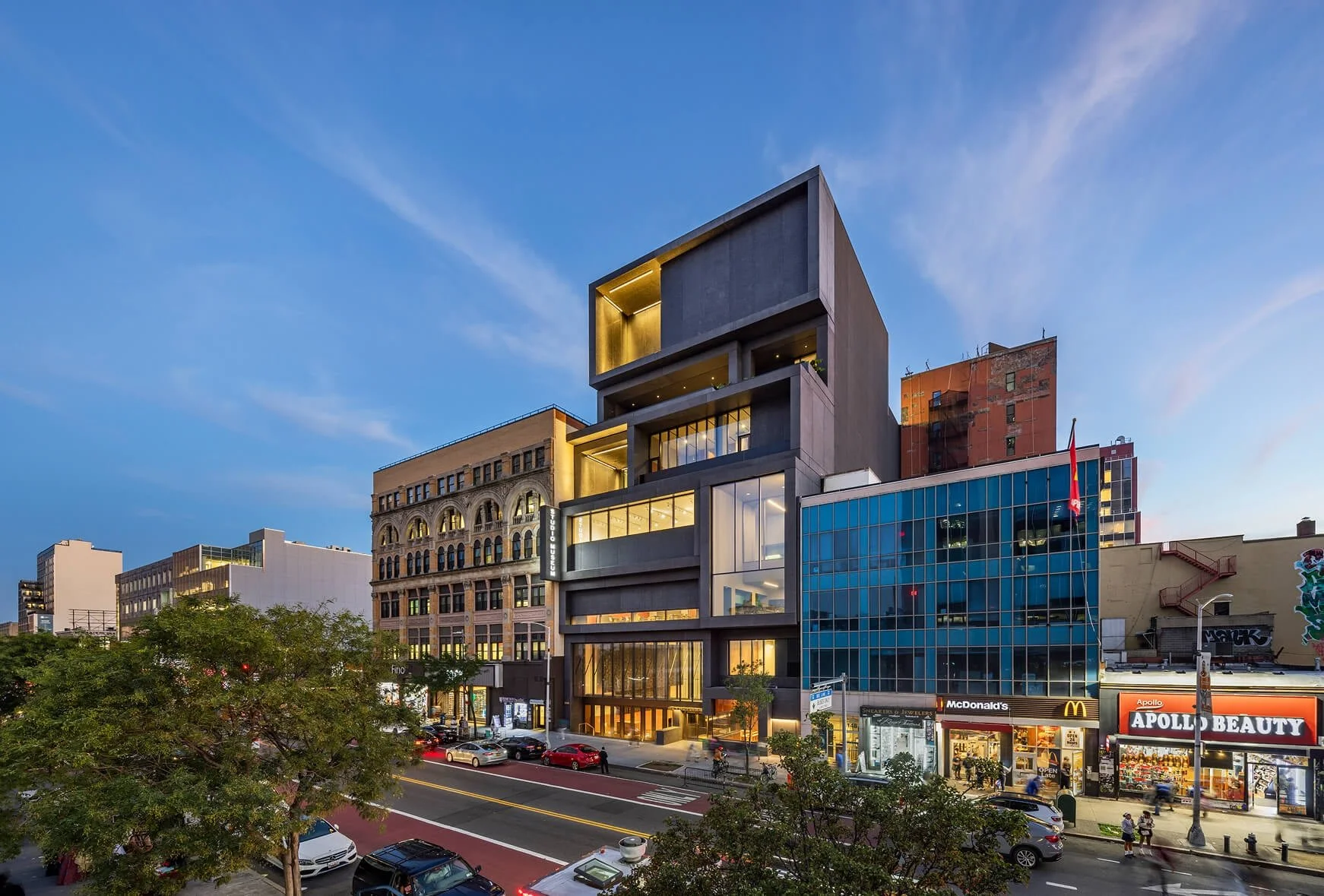
Figure 1: Exterior view of the STUDIO MUSEUM IN HARLEM'S new building, 2025. Courtesy of STUDIO MUSEUM IN HARLEM, photography by ALBERT VECERKA/ESTO, Source: Hube
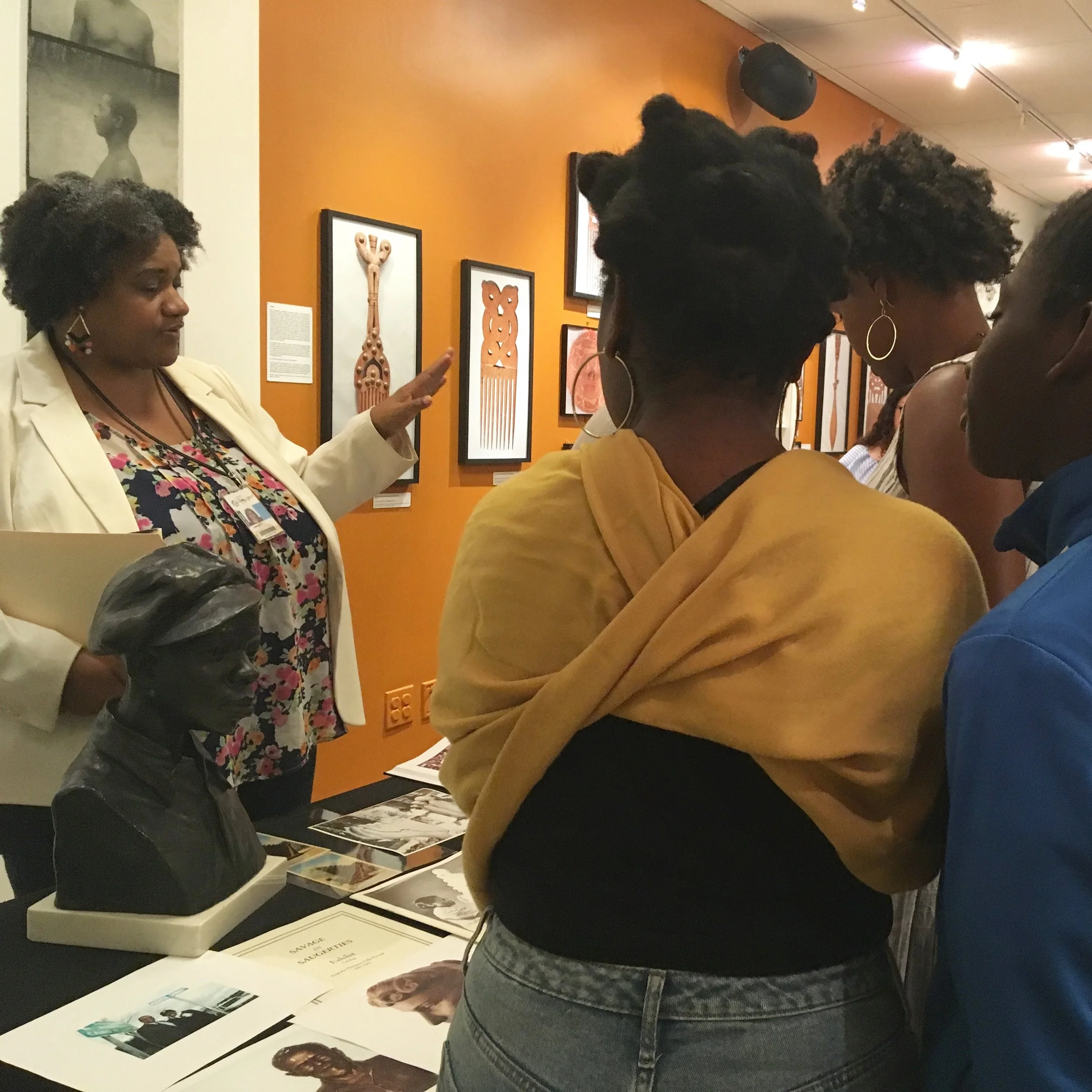
Figure 2: Schomburg Center for Research in Black Culture's Open Archive session with Studio Museum in Harlem with Black Lunch Table. Source: Wikimedia
Beyond direct artist support, the museum advances Black art through exhibitions, education programs, community partnerships, a permanent collection, and the Studio Museum Institute (SMI). Together, these efforts sustain and expand an ecosystem of artists and art workers.
The building reopened last November after being closed for seven years for renovations. The new museum is now 82,000 square feet and spans seven floors, with multiple galleries, meeting spaces, a café, and a potential performance or gathering space on the basement level.
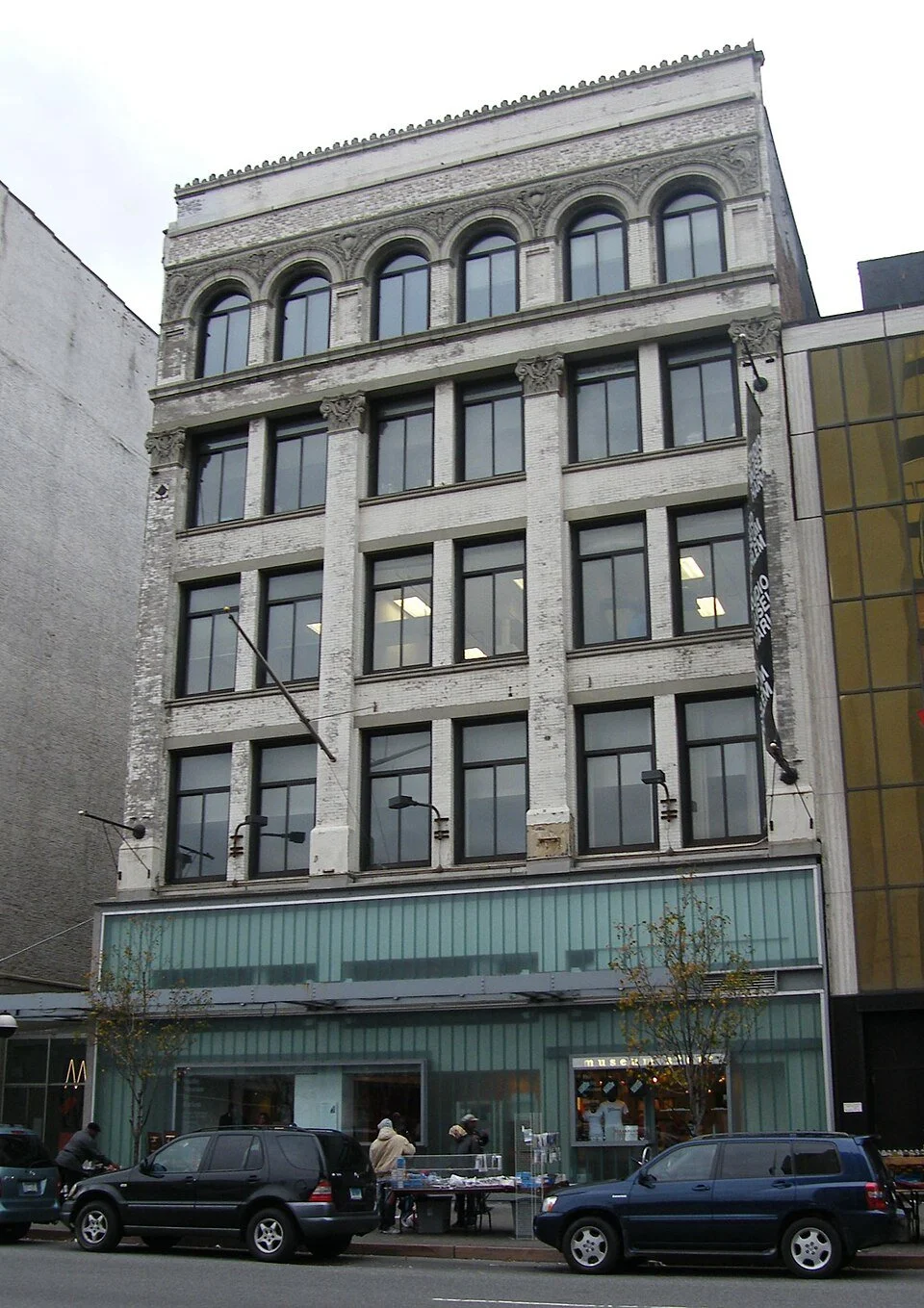
Figure 3: The Studio Museum’s now-demolished former building was renovated by J. Max Bond Jr. in the early 1980s. Photo © Americasroof, WIkimedia Commons. Source: Architectural Record
As part of the reopening, the museum curated a collection of work by Tom Lloyd, one of the inaugural exhibitors when the museum first opened in 1968.
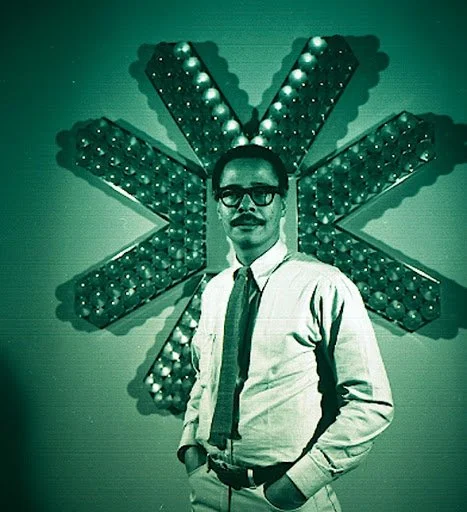
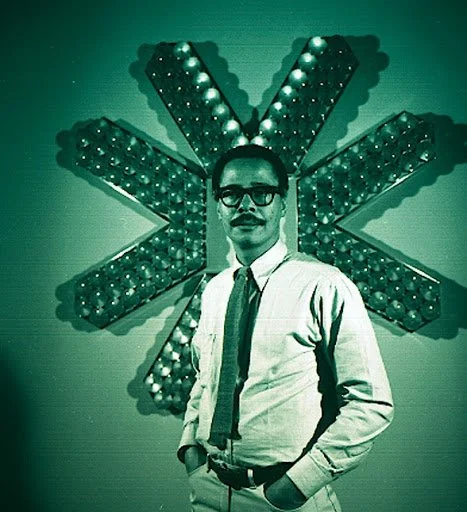
Figure 4: Portrait of Tom Lloyd, c. 1968, from the collection of The Studio Museum in Harlem, Source: Google Arts and Culture
Tom Lloyd (1929–1996) was an activist, community organizer, teacher, and trailblazer of a new mode of sculpture that incorporated light and technology. Born in Detroit, his family moved to New York in the 1930s during the Great Migration and settled in Queens. He attended Pratt Institute and the Brooklyn Museum Art School.
Lloyd was drawn to the ways electric light was already used to communicate in everyday life, such as traffic signals and theater marquees. He believed strongly that art should engage with new technology. Working with an engineer from the Radio Corporation of America (RCA), he learned programming and created modular, electronically programmed sculptures that used colored light bulbs to produce rhythmic, flashing projections of abstract color and form. He was particularly interested in refraction, the process by which a light wave bends when it interacts with a medium, as both a technical and conceptual foundation for his work.
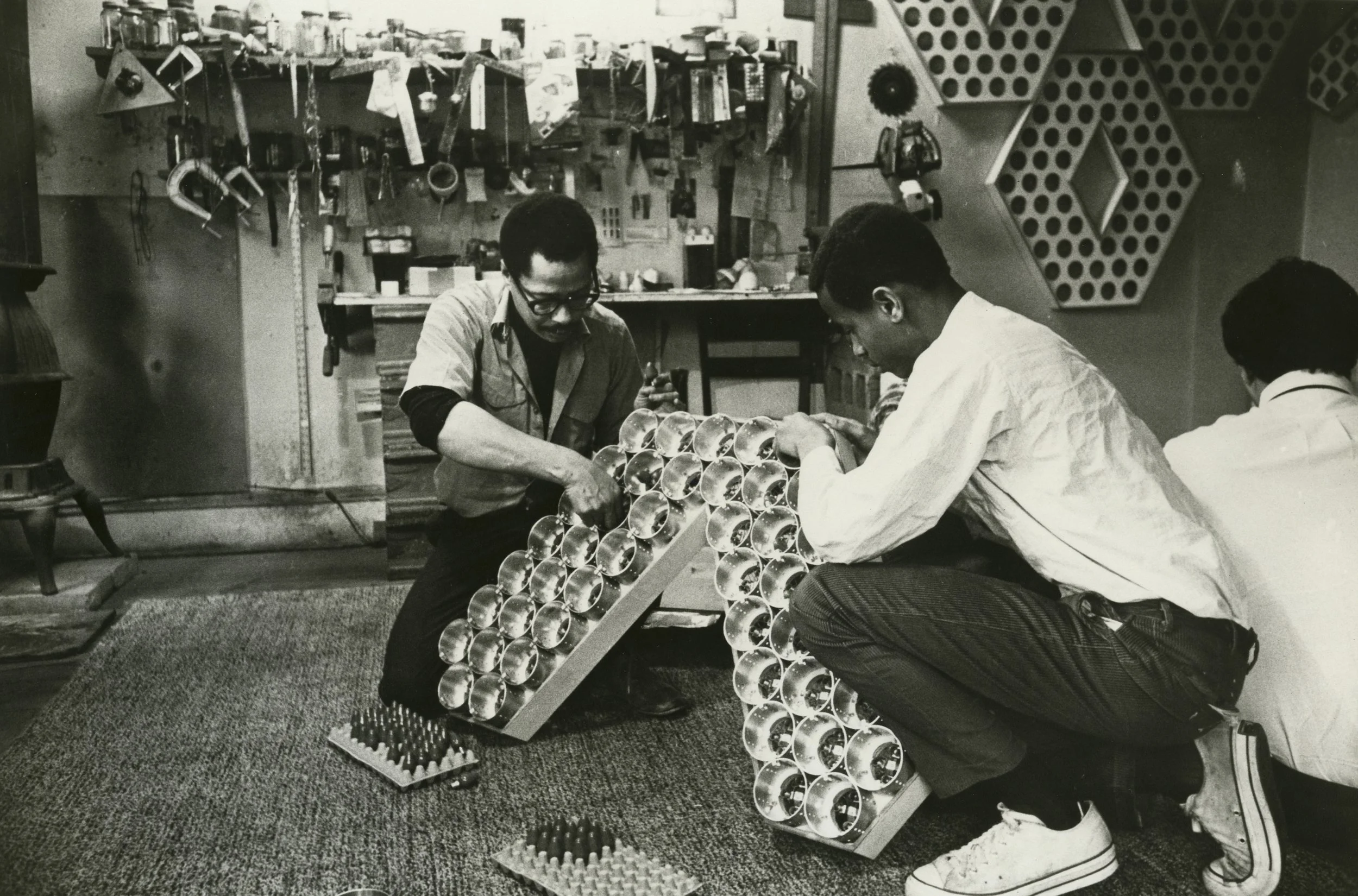
Figure 5: Tom Lloyd and apprentices, including his son Omar, in the artist’s studio in Jamaica, Queens, New York (c. 1968). Courtesy Studio Museum in Harlem. Photo: Reginald McGhee. Source: Ocula
His work proved controversial because both Black and White audiences often expected African American artists to produce work that was overtly socially relevant or figurative. His abstract, light-based sculptures did not immediately connect to the real world in the ways many had anticipated. Although he faced criticism, he illuminated a path for using light as a legitimate artistic medium. Lloyd maintained that his work spoke directly to the African American community through his identity and commitment as a Black artist, even if the visual language remained abstract rather than representational.
Towards the end of his career, he stepped back from his own art practice to dedicate himself to advocacy and community building, establishing the Store Front Museum and Paul Robeson Theatre in Queens to champion the visibility and representation of Black artists.
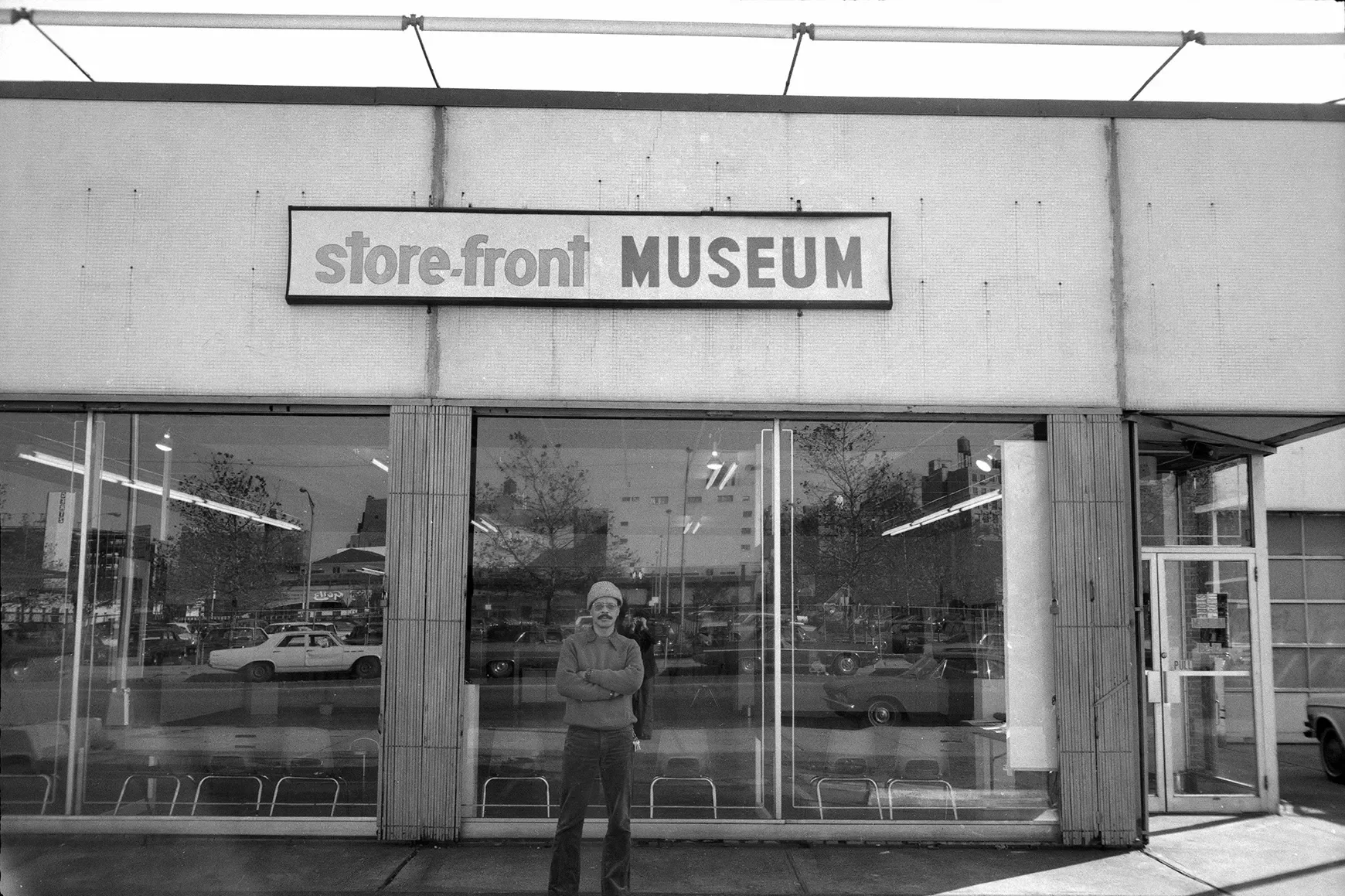
Figure 6: Tom Lloyd at the Store Front Museum, Queens, NY, November 3, 1972. Source: Artforum
Video taken by researcher, Hales Wilson, at the Tom Lloyd exhibit at the Studio Museum in Harlem.
The current exhibit serves as recognition of the long history and continued work of the Studio Museum in Harlem for Black artists and the Harlem community, and it appropriately opens with the work of one of the original exhibitors from 1968. The exhibition, organized by curator Connie H. Choi, opened in the museum’s new space on November 15, 2025.
The displayed collection includes ten of the artist’s lyrical and tender light-based abstract sculptures, as well as wall-mounted assemblages, works on paper, and assorted ephemera from the nineteen sixties.
Three white walls display the light installations across a large, open space. From a distance, the artworks appear small against the scale of the room, but proximity reveals their full force. The active shifts in high-intensity neon color generate a sense of movement and energy that commands the space entirely.
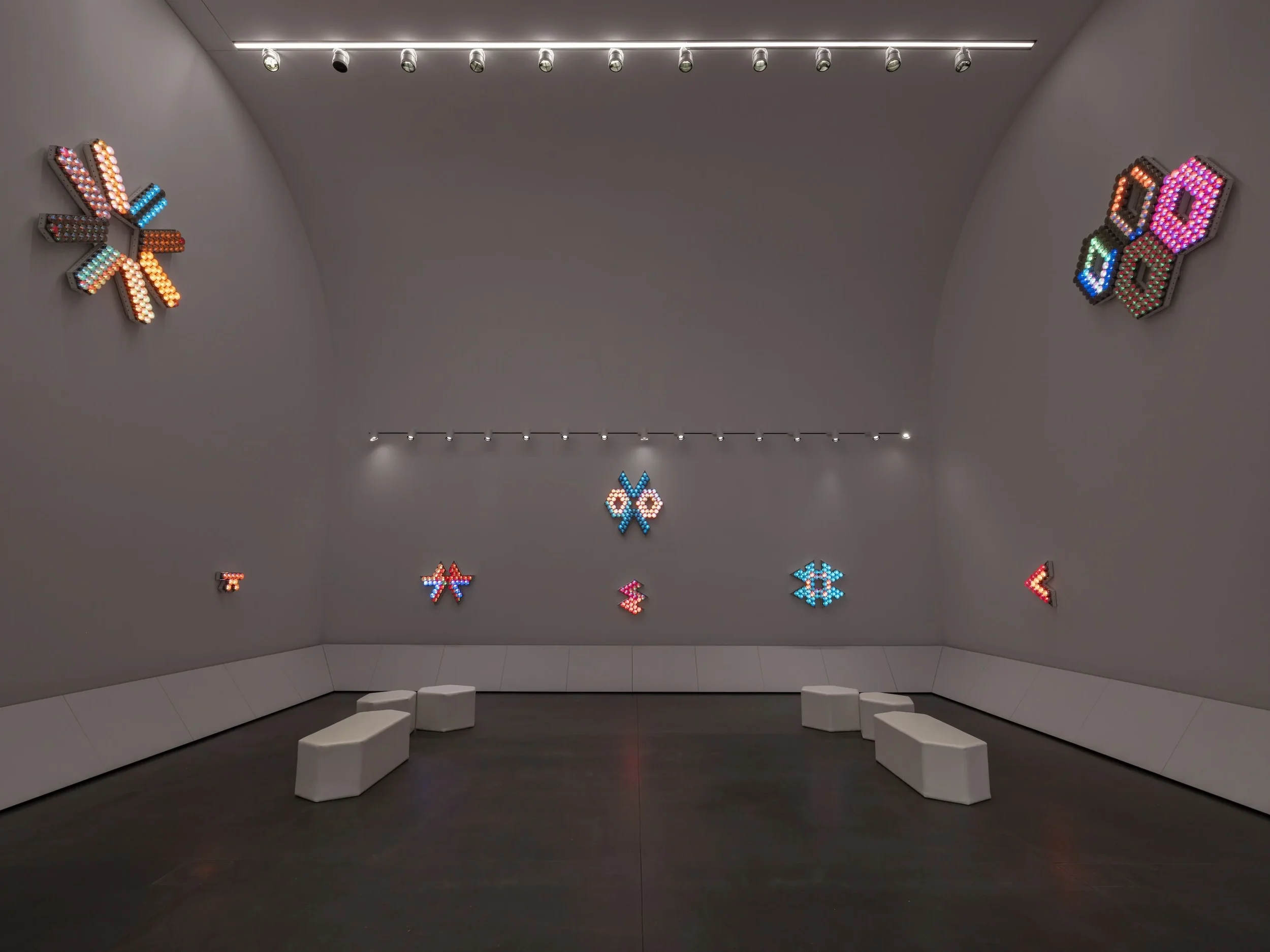
Figure 7: Tom Lloyd, Studio Museum in Harlem, New York (15 November 2025–22 March 2026). Courtesy Studio Museum in Harlem. Photo: Kris Graves. Source: Ocula
The deliberate use of negative space functions as more than an aesthetic choice. It articulates something about the condition of being one of the few Black artists working within a predominantly White art world: the isolation, the exposure, the visibility that comes without the comfort of company. And yet the scale and presence of the work resist a reading of loneliness. The installations do not shrink into the walls; they expand toward them. The effect is less isolation than invitation, as though Lloyd were actively creating room for others, particularly Black artists, to enter and claim territory within that artistic landscape.
Display cases containing personal items deepen the exhibition's context considerably. Lloyd co-founded the Art Workers' Coalition and campaigned for the Museum of Modern Art to dedicate a wing to Black and Brown artists. Placed alongside the installations, these objects reframe the work: Lloyd's practice was not only an experiment in light and technology, but a sustained effort to build institutional infrastructure and lasting visibility for artists who had been historically excluded from those very walls. The room's seating areas reinforce this reading. The space is designed for presence, reflection, and community, not passive viewing.
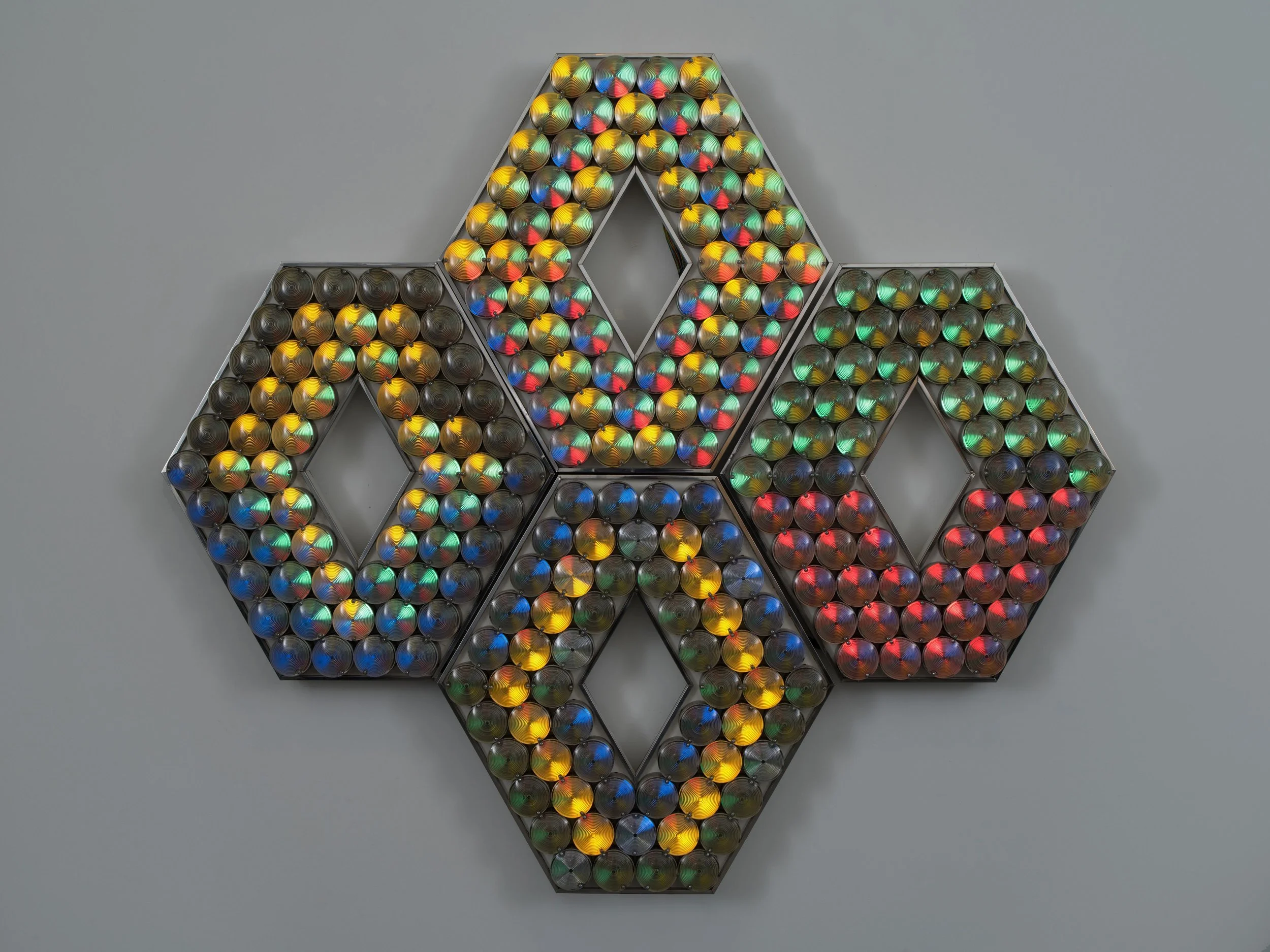
Figure 8: Tom Lloyd, Moussakoo (c. 1968). Aluminium, light bulbs, and plastic laminate. 35 × 33 × 15 inches (each); overall dimensions variable. Collection of Studio Museum in Harlem; gift of The Lloyd Family and Jamilah Wilson 1996.11. Photo: John Berens.Source: Ocula
Encountered during Black History Month, the exhibition carries an additional layer of resonance. Lloyd's early fascination with light, with traffic signals, theater marquees, and the visual language of everyday life, points to how profoundly ordinary technology can be transformed into radical artistic expression when engaged with intention and rigor.
His legacy also raises urgent questions about the responsibilities held by artists and arts managers of color who work within predominantly White institutional spaces: what it means to occupy those spaces, and what obligations come with that presence.
The trailblazing work of artists like Tom Lloyd and the institutional commitment of spaces like the Studio Museum in Harlem do not merely represent future generations. It builds the foundation from which they can move beyond what was once considered possible.
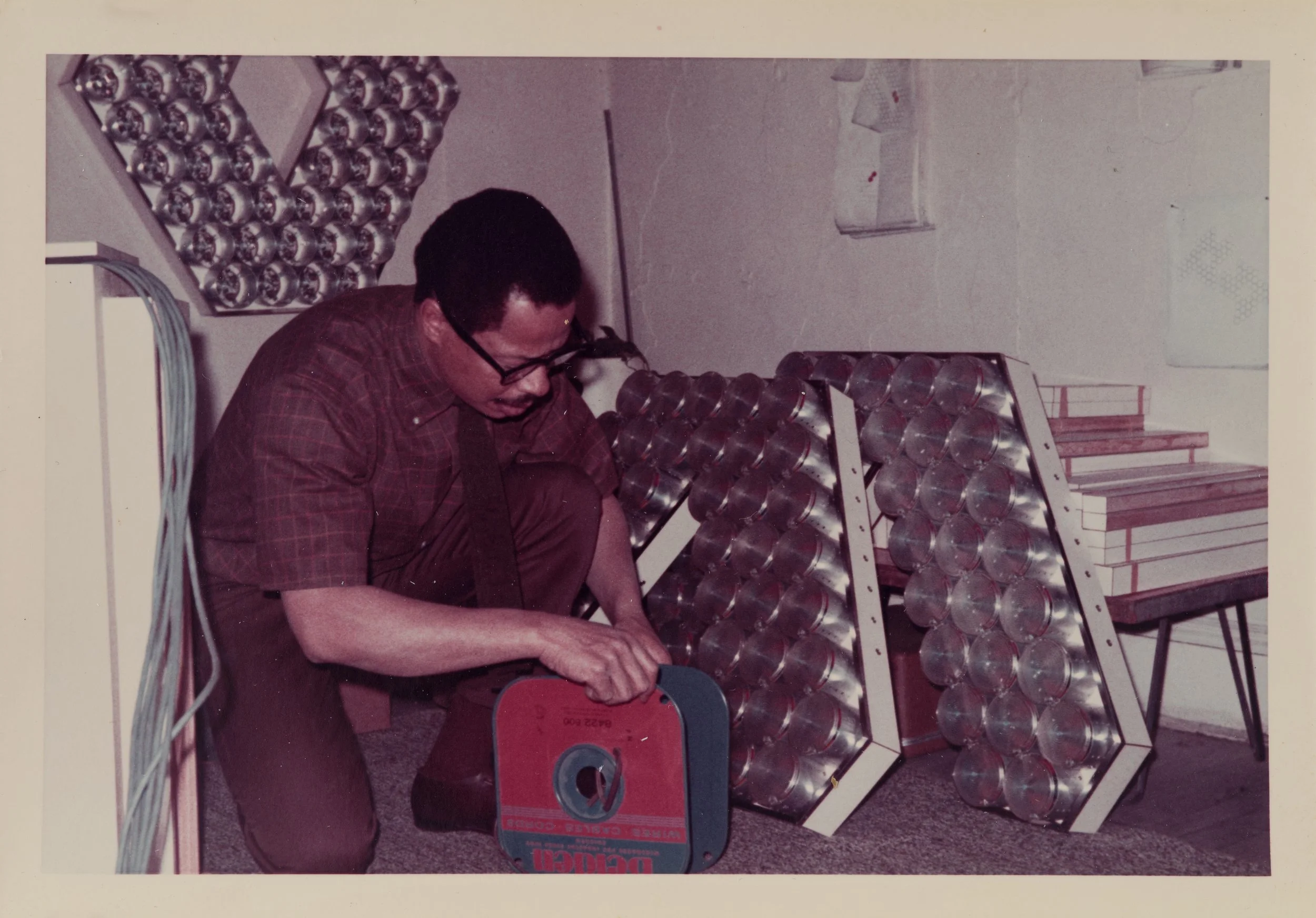
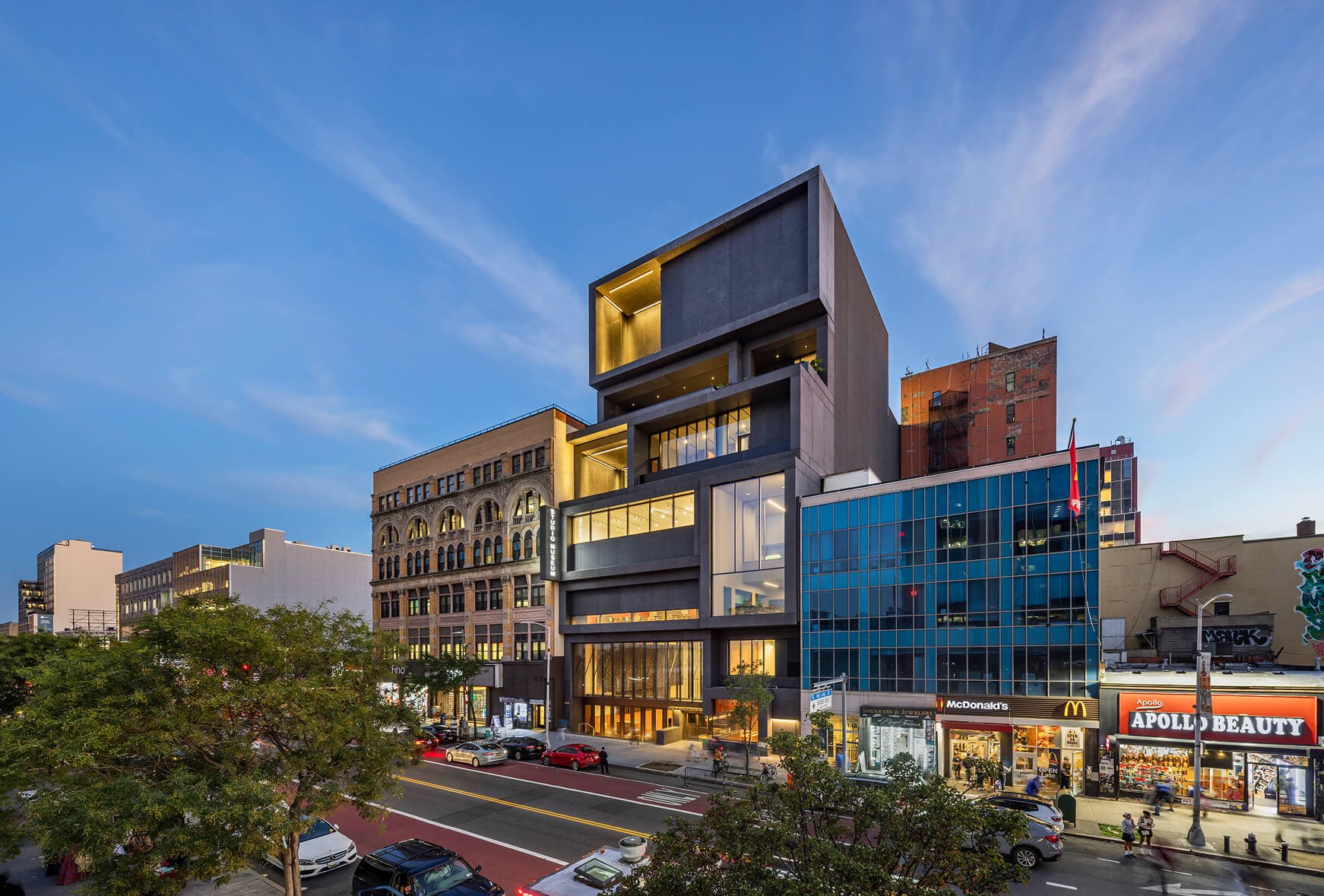

Figure 9: Tom Lloyd working on Veleuro (c. 1968). Colour photograph. 3 1/2 × 5 1/16 inches. Studio Museum in Harlem Archives; gift of Martha A. Cotter in honour of Alan Sussman TD.015.1. Photo: Unknown. Source: Ocula
The Tom Lloyd exhibit will be on display at the Studio Museum in Harlem until March 22, 2026.
-
Als, Hilton. "The New Studio Museum in Harlem Is a Landmark in the History of Black Art." The New Yorker, December 8, 2025. https://www.newyorker.com/magazine/2025/12/15/the-new-studio-museum-in-harlem-is-a-landmark-in-the-history-of-black-art.
Argueza, Marielle. "The Studio Museum, Harlem's Gem, Is Back and Brighter Than Ever." New York Amsterdam News, November 13, 2025. https://amsterdamnews.com/news/2025/11/13/the-studeio-museum-in-harlem-repopens-welcomes-a-new-future/.
Golden, Thelma, and Connie H. Choi. "Electronic Refractions: On Tom Lloyd and the Studio Museum in Harlem." Artforum, 2025. https://www.artforum.com/features/interview-studio-museum-harlem-thelma-golden-connie-h-choi-1234736990/.
Google Arts & Culture / Studio Museum in Harlem. "Tom Lloyd at the Studio Museum in Harlem." Google Arts & Culture, 2025. https://artsandculture.google.com/story/tom-lloyd-at-the-studio-museum-in-harlem-the-studio-museum-in-harlem/KwVBa6FIvz0YKQ?hl=en.
Hube Magazine. "Historic Opening: Studio Museum in Harlem Welcomes the Public to Its New Architectural Landmark." Hube Magazine, 2025. https://hubemag.com/studio-museum-in-harlem-opens-its-new-landmark-building.
Strauss, Isabel. "Sans Spectacle: The Studio Museum in Harlem Confronts Its New Future." Architectural Record, October 12, 2023. https://www.architecturalrecord.com/articles/16529-sans-spectacle-the-studio-museum-in-harlem-confronts-its-new-future.
Studio Museum in Harlem. "History." Studio Museum in Harlem, 2025. https://www.studiomuseum.org/history.
Studio Museum in Harlem. "Tom Lloyd." Studio Museum in Harlem, 2025. https://www.studiomuseum.org/exhibitions/tom-lloyd.
Thelot, Ruby Justice. "Tom Lloyd Forever Shines a Light on Black Art." Ocula Magazine, November 17, 2025. https://ocula.com/magazine/spotlights/tom-lloyd-forever-shines-a-light-on-black-art/.
Thompson, Krista. "Black Light: Tom Lloyd, Refraction, and Art Historical Disregard." Lecture, Department of Art History, University of Pennsylvania, Philadelphia, PA, 2025. https://arth.sas.upenn.edu/events/krista-thompson-black-light-tom-lloyd-refraction-and-art-historical-disregard.
Wikimedia Commons. "File: Schomburg's Open Sessions with Studio Museum in Harlem." Wikimedia Commons. https://commons.wikimedia.org/wiki/File:Schomburg%27s_Open_Sessions_with_Studio_Museum_in_Harlem.jpg.
Wikimedia Commons. "File: Studio-in-harlem1.jpg." Wikimedia Commons. https://commons.wikimedia.org/wiki/File:Studio-in-harlem1.jpg.
