

Spoiler Alert: This article contains detailed discussions of major plot points, character growth, and specific scenes from The Bear season 4.
It has taken more than a month for me to even begin to think about forming coherent thoughts on season four of The Bear. I went into season four with almost no expectations. By now, I trust the writers and creators of this show to shepherd this very personal story in the way they know best.
Why The Bear Takes Its Time: Slow Pacing on Purpose
Season four was no exception to that. Once again, many people took issue with the pacing and the way it seems to take entire seasons for storylines to conclude or resolve. The exceedingly slow pace, especially in seasons three and four, has felt metatextual to the modern TV landscape and the greater themes of the show.
When paired with the introduction of a literal clock in the first episode of season 4 — a clock counting down how much time they have left based on the cash available to the restaurant — it is nearly impossible to read the pacing of the show as anything less than entirely intentional.
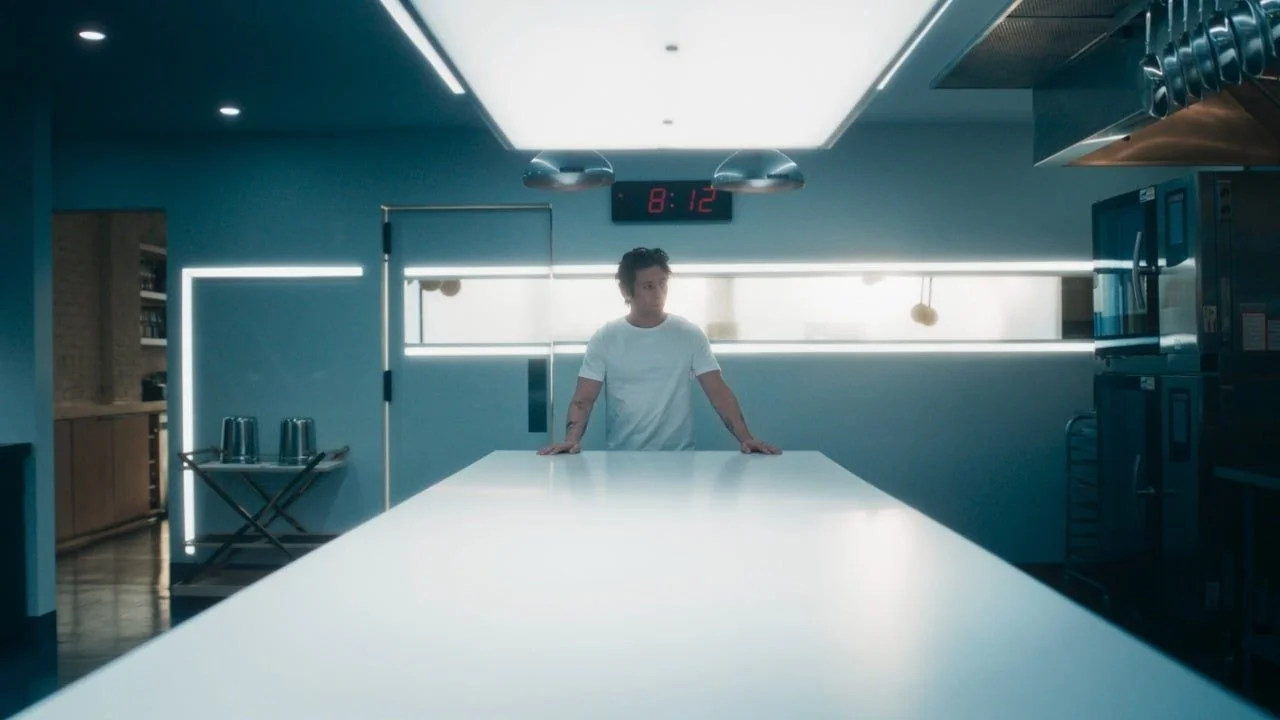
Figure 1. Image from The Bear season 4 opener. Source: IMDb
What is time in streaming television? There is a constant bemoaning of the loss of full 22-episode series orders from the halcyon days of network and cable television. To some extent, modern television isn’t allowed the same kind of room to grow into itself in an eight or ten-episode season.
Healing Takes Time: How The Bear Shows Real Recovery
Yet, when a show like The Bear uses its ten episodes with the intent to maximize going deeper versus faster, the cries of too slow pacing and ‘nothing happening’ abound. No one would argue that The Bear has gone unlauded, but season four continues to demonstrate the way that the impact it will have on the television landscape will reverberate far beyond awards sweeps.
So many things these days want to tackle the theme of trauma as a narrative force, as an antagonist, sometimes practically as a character. But none have been so nimble in the handling of it as The Bear.
Season four demonstrates the ways in which healing from trauma, especially deep and complex trauma like Carmy and other characters in the show have endured, is a long, hard, and often, maybe even a little boring process. There’s a patience and persistence that is hard to describe or capture, but season four captures it with bittersweet clarity.
Teamwork Over Star Power: Why Carmy Can't Do It Alone
What do you do when the thing you wanted the most also might be the thing making you the most miserable? That is the question that this season asks over and over again. The finale gives a suggestion of what the answer might be, at least in the short term, when Natalie tells Carmy early in the season: “It’s okay if you don’t love it anymore.”
The “it” in question being either cooking broadly or fine dining specifically, depending on your reading of the conversation. It’s a fascinating tension watching Carmy reckon with the fact that the drive, ambition, and raw talent that got him out of his hometown and took him across the world might not be enough anymore.
That tension feels like holding your breath for ten episodes. I am constantly impressed by the way this show subverts any anti-hero or male genius traps. Restaurants are fundamentally a team sport, and Carmy is explicitly told that the chaos he’s creating isn’t making the work better.
Beyond Carmy's World: Sydney's Story
In one of the many quiet yet dynamite exchanges between Ayo Edebiri and Jeremy Allen White’s characters, Edebiri’s Sydney tells him, “You don’t need this.” In reference to the chaos he admits to creating in an attempt to make the restaurant better.
The show continually demonstrates the ways in which the characters are better as a unit, and the ways in which their collaboration is much more powerful than individual contributions. Early on in the life of The Bear it felt as if there was a rush to put Carmen Berzatto in league with famous male anti-heroes like Don Draper, Walter White or Tony Soprano. Yes, the show spends a lot of time in his head and his perspective, but at least once a season, it takes the time to explore outside of Carmy’s own torturous mind.
This season, that digression is one of the highlights and an immediate pushback against the argument that The Bear is too dark to be considered a comedy. Episode four “Worms” written by cast members Edebiri and Lionel Boyce (who plays Marcus) is a beautiful and specific exploration of Sydney’s world.
It features Sydney on her day off, going to have her braids done by her cousin Chantel, played by Danielle Deadwyler. Which turns into an unexpected adventure in babysitting her pre-teen daughter, TJ.
One of the highlights of the episode is a conversation with Hamburger Helper on the stove about a social situation Sydney’s young cousin TJ is facing. TJ is struggling with an invitation to a sleepover, and Sydney describes her choice between staying at The Bear and joining Shapiro’s new restaurant as choosing between two different sleepovers.
The Breaking Point: When Everything Falls Apart
The funny and poignant translation of a pro/con list into the perks and downsides of two different sleepovers is priceless. Decisions in adulthood can carry so much weight, and when brought down to the level of choosing between sleepovers, it makes things feel so much clearer.
I have thoroughly enjoyed Edebiri’s extended role in The Bear, from directing in the previous season to co–writing this season. I will undoubtedly support any and all future writing and directing efforts.
The extended episode centered around the greater Berzatto circle this season is episode seven, “Bears.” This episode takes place entirely during the wedding of Riche’s ex-wife Tiffany, and is a lovely excuse to fill out the neighborhood feel of The Bear. To some, it can feel like an extended parade of cameos, but I always appreciate the glimpses into the ways in which our characters shift when surrounded by people whom they have known their whole life. Particular highlights are the reveal of Francie Fak and why Natalie can’t stand her, and the pairing of Carmy speaking to his mother for the first time in years. Donna then meets and has an extended conversation with Sydney about Carmy and the restaurant and Sydney’s role in it.
This episode is, in turns, funny and poignant and silly in the best ways. An extended bit that takes place underneath a table that expands to fit a majority of our characters is delightful. It proves the way that, despite cries otherwise, this show knows when not to take itself too seriously.
Episodes eight through ten are by far the hardest-hitting of the season and maybe the entire series. Episode nine “Tonnato” and ten “Goodbye” are absolute master turns for White, Edebiri and Moss-Bachrach. White gives a master performance in episode nine as he goes to visit his mother in his childhood home. There’s an observed and measured melancholy to the ways in which getting the apology you want rarely will give you the closure you need.
Time Moves Strangely
The anguish of the conversation is both hard to watch and impossible to look away from. Episode ten “Goodbye” does not let up on the audience for even one minute of its thirty-four minute runtime.
For anyone who has ever contemplated walking away from something they loved very much, this episode will strike a deep chord. The episode is shot like a one-act play, taking place entirely in the alleyway behind The Bear following their ‘final’ service. The episode is shot with numerous extremely claustrophobic close-ups, allowing the audience to see every micro-expression that White and Edebiri are capable of playing out across their faces.
This episode is a genuinely heart-wrenching unraveling of so many things. The way Sydney and Carmy say so much and are still incapable of saying exactly what they need to say is painfully well-drawn. A beautiful demonstration of the way arguments are rarely about the things being said.
Richie and Carmy do actually say the things we have been waiting for them to say for four seasons, and I audibly gasped. The level of catharsis in this episode is masterful because somehow, at the end, you kind of feel worse, which is the same way the characters mostly seem to feel, too. I won’t tell you what the turning point of the episode is, but if you’ve been paying attention, it’s not entirely a surprise. Yet that doesn’t lessen its impact in the slightest. Every jab and barb and too honest confession in this episode knocks the wind out of you. By the end it feels as if this thirty-four-minute episode has been hours long. That might sound like a criticism, but truthfully, it is envy.
The episode plays out in real time and yet manages to capture the way that the fights that you often need to have can stretch and compress time like taffy.
For a season with a literal ticking clock, it is masterful the ways in which time is rendered meaningless in this season. Every second counts, but season four of The Bear puts in stark relief the way that it is both impossible and the entire point to continuously weigh those seconds against one another.
If you liked this, you can read my review of The Bear season 3 or my analysis of the history of Prestige TV.