By Elisa Fan and Luna Lu
Walking between screenings at SXSW, it became clear how different kinds of filmmakers were sharing the same spaces. Student filmmakers were premiering their first projects alongside established directors with distribution deals already in place. This made SXSW feel less like a traditional festival and more like a snapshot of how filmmaking is changing.
How SXSW Reflects a Shift in Film Distribution Models
One of the clearest examples of this shift can be seen in the distribution pipeline, which seems to have changed drastically compared to earlier decades when film festivals primarily functioned as acquisition markets. Industry discussions from the Sundance Institute note that major festivals such as Sundance, Berlin, SXSW, Cannes, and Toronto have traditionally been places where distributors came specifically looking to acquire new films. Additionally, historical coverage of SXSW also shows that premieres often helped projects secure distribution deals and industry attention after their screening. However, this year, several films at SXSW are already set to be released in theaters or on streaming only a few weeks later, even though this was their world premiere. For example, Forbidden Fruits, directed by Meredith Alloway, premiered on March 16 and was released on March 27, less than two weeks later. Similarly, Ready or Not 2: Here I Come, directed by Matt Bettinelli-Olpin and Tyler Gillett, premiered at SXSW on March 13 and hit theaters on March 20.
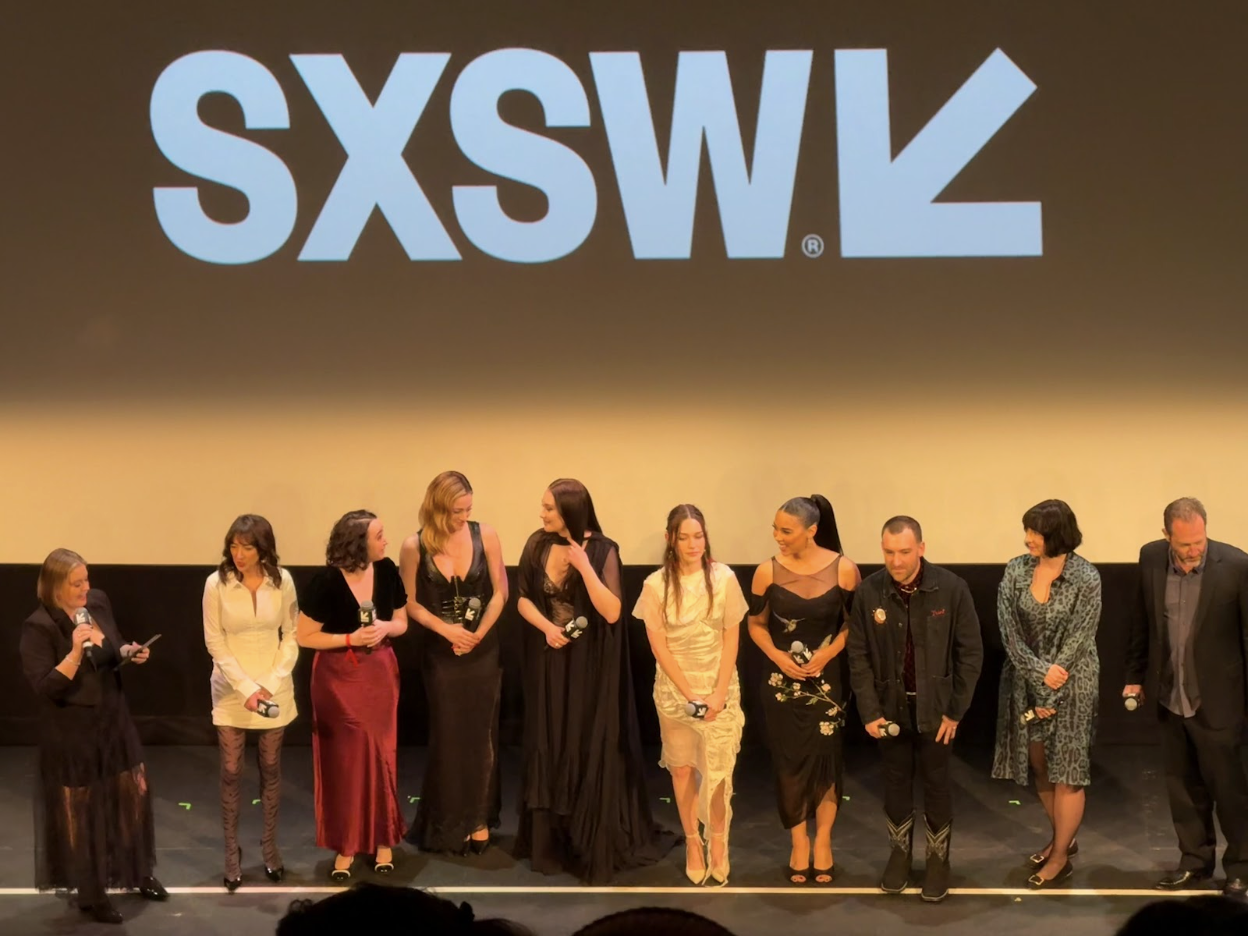
Figure 1: Forbidden Fruit World Premiered during SXSW 2026. Source: Photo taken by Luna Lu.
This suggests that festivals are no longer simply marketplaces where films wait to be bought and sold, but rather launchpads for marketing. Industry reporting also shows that many SXSW films now either secure distribution prior to their premieres or remain without distribution afterward, indicating that fewer deals are being made directly on the festival circuit. Instead, festivals are skewing towards functioning as marketing platforms that help films build early buzz and attract press attention.
This evolution did not happen overnight. SXSW started as an indie discovery engine. The turning point was in 2010 when the overnight acquisition deal for Monsters by Magnolia Pictures drew studio executives to Austin. In 2022, Everything Everywhere All at Once went from SXSW premiere to winning seven Oscars a year later, turning the festival into a legitimate awards pipeline.
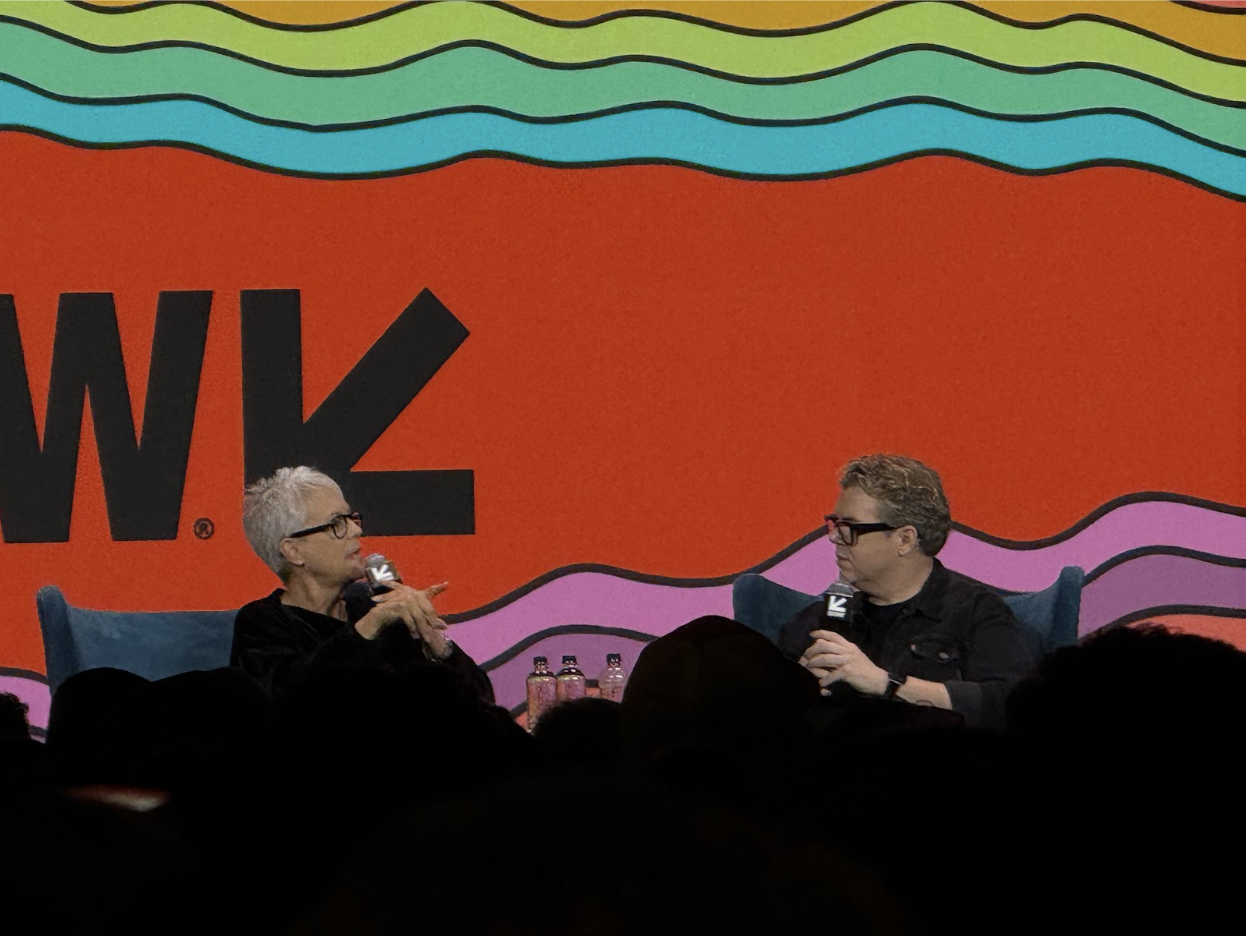
Figure 2: Jamie Lee Curtis speaks about her experience on Everything Everywhere All at Once during a discussion at SXSW 2026. Source: Photo taken by Luna Lu.
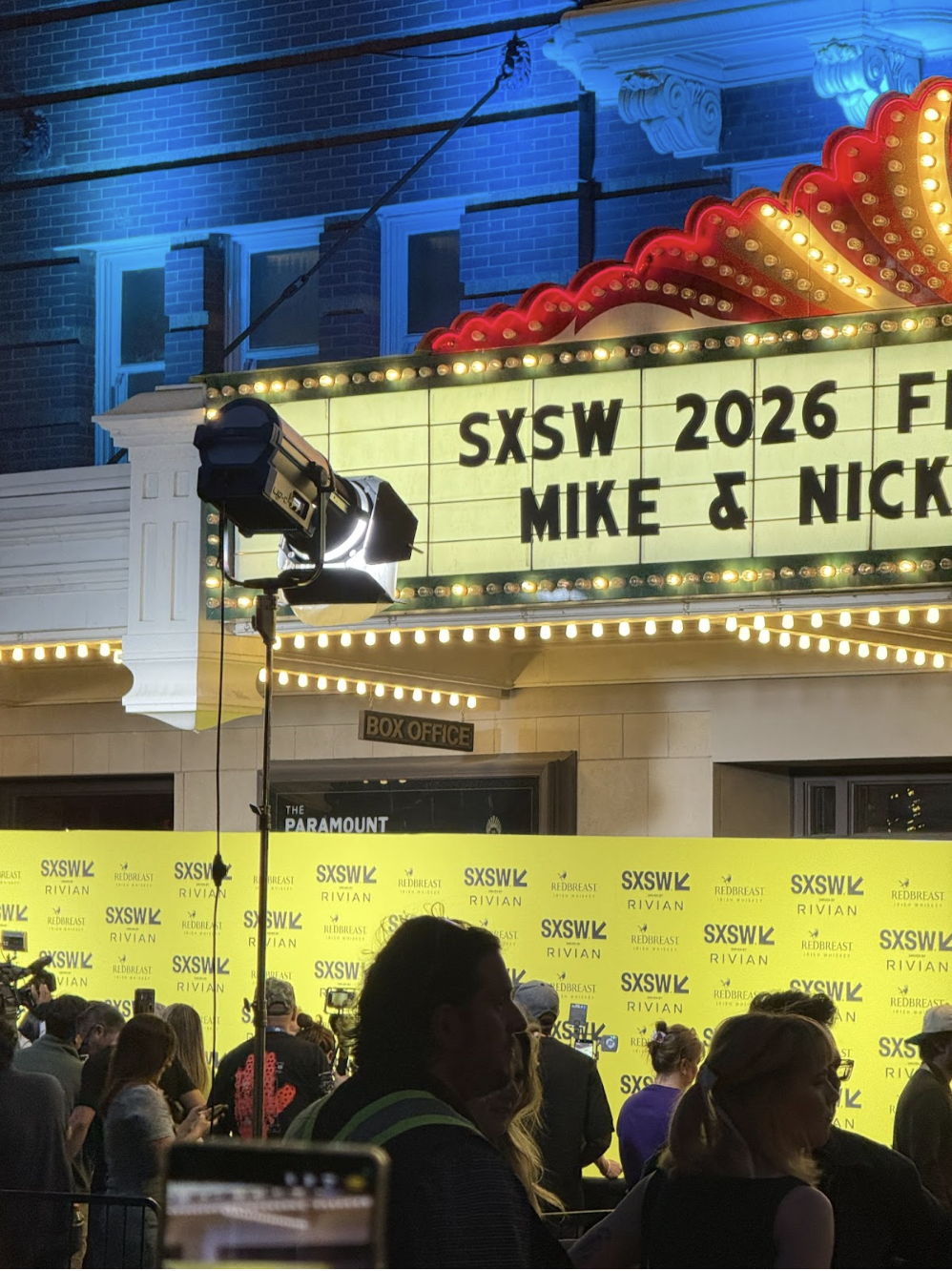
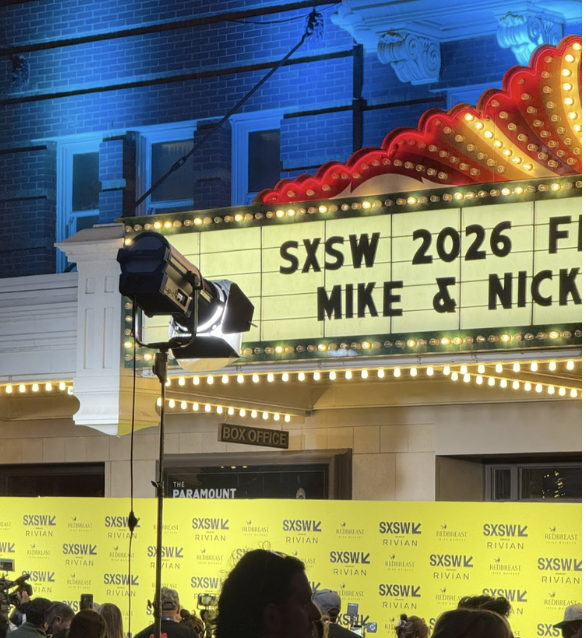
Figure 3: The Paramount Theatre during SXSW 2026. Source: Photo taken by Elisa Fan.
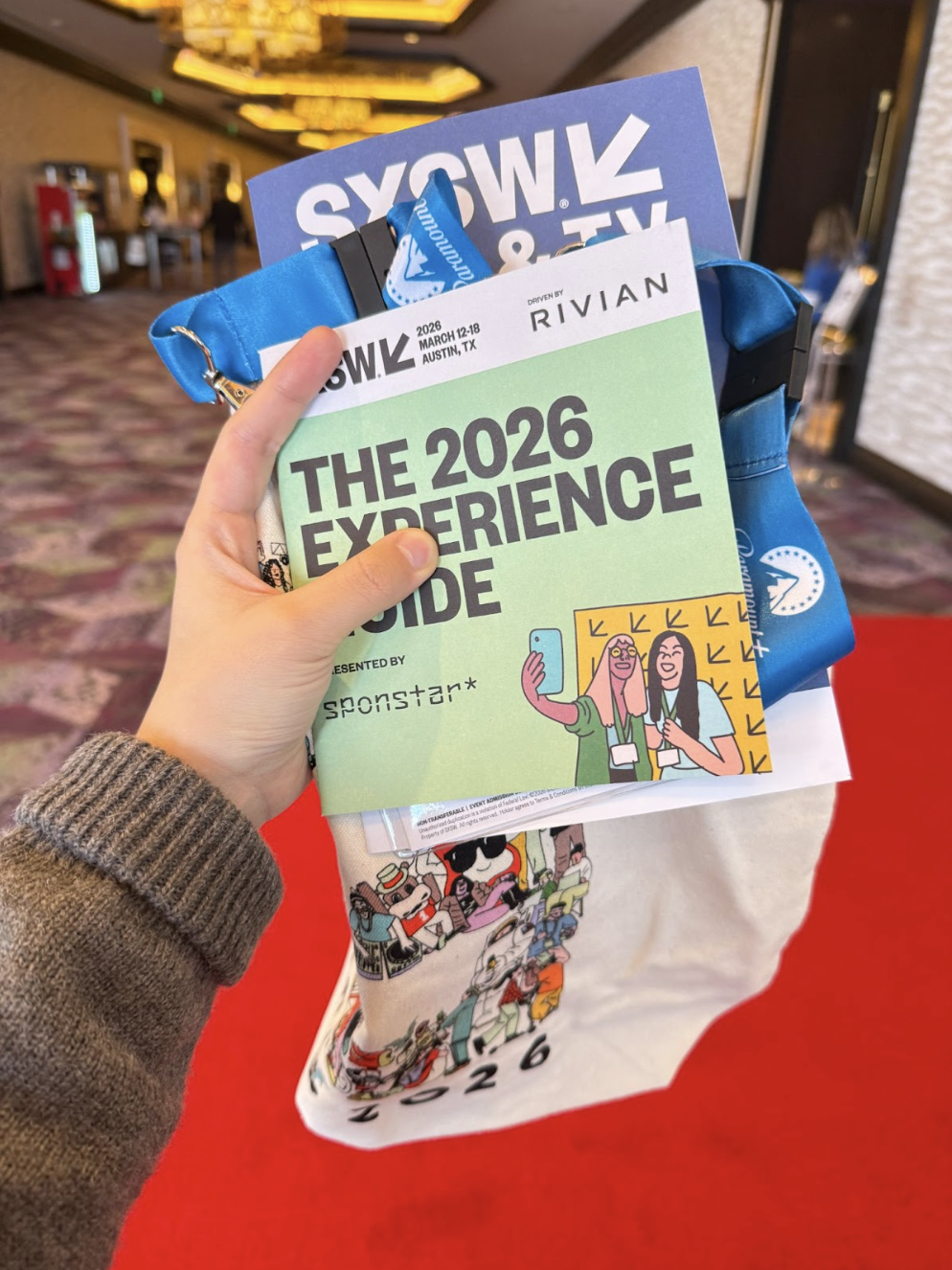
Figure 4: The SXSW 2026 Experience Guide, presented by Rivian. Source: Photo taken by Elisa Fan.
Over time, these successes helped transform SXSW from a purely discovery-focused space into a broader industry event. Yet, this year’s festival was compressed from nine days to seven, running film, music, tech, and comedy all at once for the first time. That might sound like a scheduling detail, but it had real consequences for indie filmmakers. In previous years, the film festival had room to breathe. Tech people would leave just as the filmmakers arrived. Now, an indie screening was competing for attention not just with studio premieres, but with music showcases, tech keynotes, and over 450 brand activations all happening in the same week.
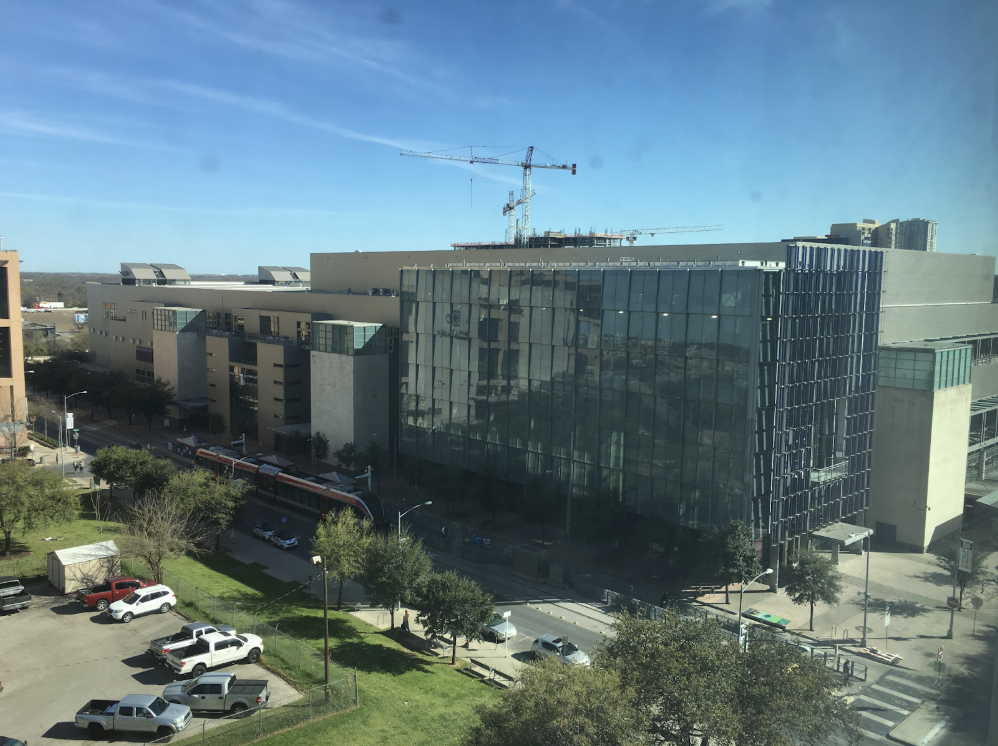
Figure 5: The Austin Convention Center. Source: Fredlyfish4, Wikimedia Commons
Second, the Austin Convention Center, the festival’s longtime central hub, is currently a mere construction site after being demolished as part of a $1.6 billion renovation. In its place, SXSW adopted a decentralized model, spreading conference panels and sessions across hotel ballrooms, clubhouses, and venues throughout downtown. Film screenings have always been held at separate theaters around Austin, but in past years, the convention center served as the place where the film community gathered in between attending panels, networking in hallways, and hearing buzz about what to see next. Without that anchor, the new Film & TV Clubhouse filled some of that role, but the overall experience was more scattered. Attendees had to be more intentional about where they went and what they saw, which made accidental discovery harder and naturally favored films with pre-existing buzz.
On top of all this, the 98th Academy Awards fell on the same weekend as SXSW. This created a real logistical problem for the festival. Stars and filmmakers with ties to both events had to split their travel between Austin and Los Angeles. Steven Spielberg, who was a Best Picture nominee for Hamnet, was scheduled for an SXSW panel on Friday but also had the ceremony to attend on Sunday.
Critically for indie filmmakers, some distribution buyers chose to stay in LA and screen movies remotely rather than make the trip to Austin. Without those buyers physically in the room, small films had fewer chances to generate the kind of in-person excitement that leads to an acquisition deal. For studio films that already had release dates and distribution deals in place before the festival even started, the Oscars overlap was a minor scheduling headache. For an indie filmmaker premiering their first feature to a half-empty room because the industry’s attention was split between two cities, it could mean going home with nothing.
And the lineup itself also showcased a split between the needs and wants of the filmmakers. On one side were studio-backed titles: Boots Riley’s I Love Boosters for Neon, Searchlight’s Ready or Not 2, Apple TV+’s Margo’s Got Money Troubles. These films arrived with release dates set, marketing campaigns running, and stars on the red carpet. On the other side were first-time filmmakers with no distribution deal and no guarantee anyone beyond the screening room would see their work. The math didn’t help either: SXSW programmed more features in 2026 than the year before (120 in 2026 compared to 111 in 2025) while cutting two days from the schedule. That's more films fighting for less time and attention, in a festival that was already harder to navigate. Some filmmakers came to SXSW to launch something. Others came hoping to be found. Those are very different experiences wearing the same badge.
How did SXSW and other festivals evolve into spaces where both studio-backed films with pre-secured distribution and independent filmmakers premiere, and how sustainable is this shared ecosystem? Part of the answer lies in the advancement of technology. In the past, making films required significant financial resources, expensive cameras, and potentially a huge production team, which limited access to studios or well-funded independent filmmakers. Today, more affordable cameras or digital phones and AI-assisted production tools have made it possible for more filmmakers to create high-quality work without needing major studio support.
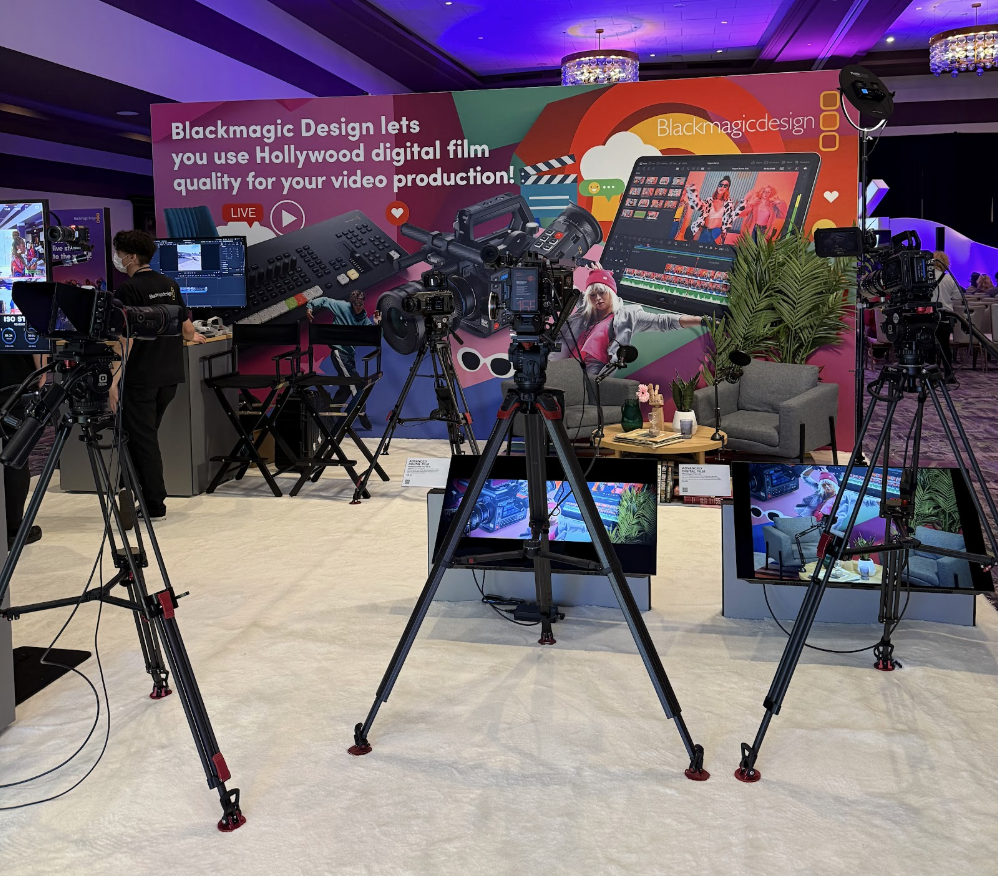
Figure 6: The SXSW 2026 Technology Showcase, Presented by Blackmagic. Source: Photo taken by Luna Lu.
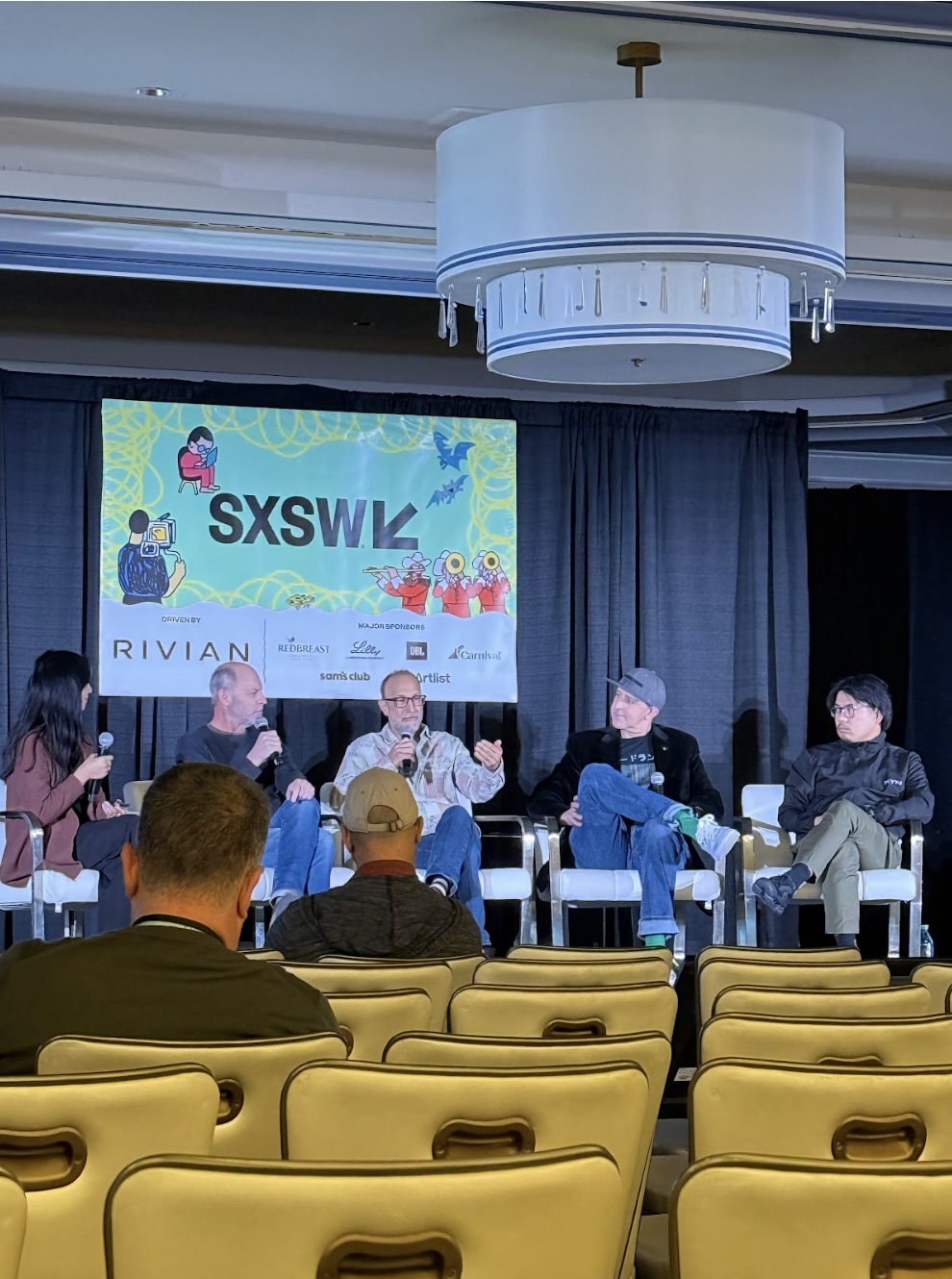
Figure 7: A Sony panel at SXSW 2026 discussing new camera technology. Source: Photo by Elisa Fan.
Research on independent filmmaking shows that the rise of digital production tools has significantly increased the number of films being produced and submitted to festivals, with Sundance submissions growing from approximately 250 films in 1992 to over 4,000 by 2015, reflecting how technological accessibility has lowered barriers to entry (Mendenhall, 2018). Supported by some panel discussions at SXSW, highlighting how emerging tools such as virtual production and AI technologies are becoming increasingly accessible to filmmakers working at different budget levels (No Film School; Variety). SXSW brings to the forefront how technology has the power to democratize the ability to create films.
But technology alone does not explain how the pipeline has shifted. At a Variety-hosted panel at SXSW, Blumhouse’s chief marketing officer, Karen Barragan, pointed to a new path that did not exist a decade ago: YouTube. He mentioned two great examples. Indie filmmaker Curry Baker started his career making short horror films on YouTube, and now he’s directed Obsession for Focus Features. Then there’s Markiplier, who skipped the studio system entirely, self-financed and self-distributed his own movie, Iron Lung, and still got it into 3,000 AMC theaters. The traditional path of going to film school, making short films, grinding the festival circuit, getting an agent, and hoping to be noticed by a studio is being replaced by something faster and messier. Creators are showing up with millions of followers already watching. As Hannah Elsakr from Adobe said at the same panel, “People are greenlighting themselves.”
With filmmakers now coming from very different paths, the result is two different festivals coexisting under the same badge. For studios, SXSW is a marketing launchpad, generating exposure before wide release. For indies, it is still a place to be discovered, but it is harder to stand out when the big premieres are sucking up all the attention. SXSW’s VP of Film & TV Claudette Godfrey admits that submissions are getting “more and more samey” because filmmakers are tailoring work to get bought rather than to take creative risks.
-
Anderson, Sam. “SXSW at 40: How 2026's 'Decentralized' Festival Found Life Beyond Convention Center.” The Drum, March 2026. https://www.thedrum.com/news/sxsw-at-40-how-2026-s-decentralized-festival-found-life-beyond-convention-center.
Caleri, Brianna, and Amber Heckler. “Our 10 Top Musical Artists, Films, and More from SXSW 2026.” CultureMap Austin, March 27, 2026. https://austin.culturemap.com/news/entertainment/sxsw-2026-music-film-highlights/.
Daher, Lana. “Icarus Films Boards ‘Do You Love Me’ Following SXSW Premiere.” Variety, 2026.
https://variety.com/2026/film/global/icarus-films-lana-dahers-do-you-love-me-sxsw-1236640616/
D’Alessandro, Anthony. “SXSW 2026 Movie Preview & Hot List.” Deadline, March 2026. https://deadline.com/2026/03/sxsw-movie-preview-hot-list-1236749645/.
Earl, William. “YouTube Star Markiplier’s Self-Financed Horror Film ‘Iron Lung’ Is Opening on 4,000 Screens After Fan Demand.” Variety, January 30, 2026. https://variety.com/2026/film/features/markiplier-iron-lung-4000-screens-fan-demand-1236641653/.
Hailu, Selome. “Innovators From Adobe, Blumhouse and More Discuss AI and
Democratizing Entertainment at SXSW.”Variety, 17 Mar. 2026.
https://variety.com/2026/film/news/adobe-blumhouse-ai-democratizing-entertainment-sxsw-1236691608/.
Macnab, Geoffrey. “Protagonist Scares Up US Deal for SXSW Hit Monsters.” Screen International, March 16, 2010. https://www.screendaily.com/protagonist-scares-up-us-deal-for-sxsw-hit-monsters/5011806.article.
Manashil, Liz. “We Spoke to Dozens of Independent Film Distributors; This Is What They Want in a Project.” Sundance Institute, Jan. 2019. https://www.sundance.org/blogs/we-spoke-to-dozens-of-independent-film-distributors-this-is-what-they-want-in-a-project-6/
Mendenhall, Jacob. The Local Film Scene: Developing a Model for Alternative Film Culture. Concordia University, 2018.
https://spectrum.library.concordia.ca/id/eprint/983396/1/Mendenhall_MA_S2018.pdf
SXSW. “SXSW Conferences & Festivals | March 12-18, 2026.” SXSW, 2026. https://sxsw.com/.
SXSW. “SXSW Film & TV Festival Announces 2026 Audience Award Winners.” SXSW, March 2026. https://sxsw.com/film/2026/film-tv-festival-2026-audience-award-winners/.
SXSW. “2025 SXSW Film & TV Festival Lineup Announced.” SXSW, 2025. https://sxsw.com/film/2025/2025-sxsw-film-tv-festival-lineup-announced/.
“SXSW Premieres We’ll Never Forget.” Rotten Tomatoes,
https://editorial.rottentomatoes.com/article/sxsw-premieres-well-never-forget/
“Virtual Production: How the Same Tech Can Be Used by Indie Filmmakers.” No Film School,
https://nofilmschool.com/virtual-production-indie-filmmakers-2676101660
Zilko, Christian. “SXSW Film Programmers Unpack a 2026 Festival Filled with ‘Risk Taking’ - and Unveil the Final 13 Films and Shows of the Lineup.” IndieWire, February 12, 2026. https://www.indiewire.com/news/festivals/sxsw-2026-film-festival-final-lineup-additions-1235179072/.