




A look back at Erin Wagner's publication on technological tools to expand board engagement.

The immersive entertainment industry is rapidly expanding, with a projected market growth from $133.6 billion in 2024 to $473.9 billion by 2030. Through research conducted on behalf of Gensler, the largest global design and architecture firm, this study investigates the problems persisting in the immersive entertainment industry, namely the lack of consensus regarding model distinctions, undefined success metrics, and unclear pathways for scaling projects.
In this month’s Byte-Sized Culture, lead researcher Julia Srnec examines artificial intelligence (A.I.), and how it is gaining traction in the arts. Legislation, funding for arts and technology research, and ethical museum-centric practices pave a future for how artists and organizations will navigate these significant changes to the industry.
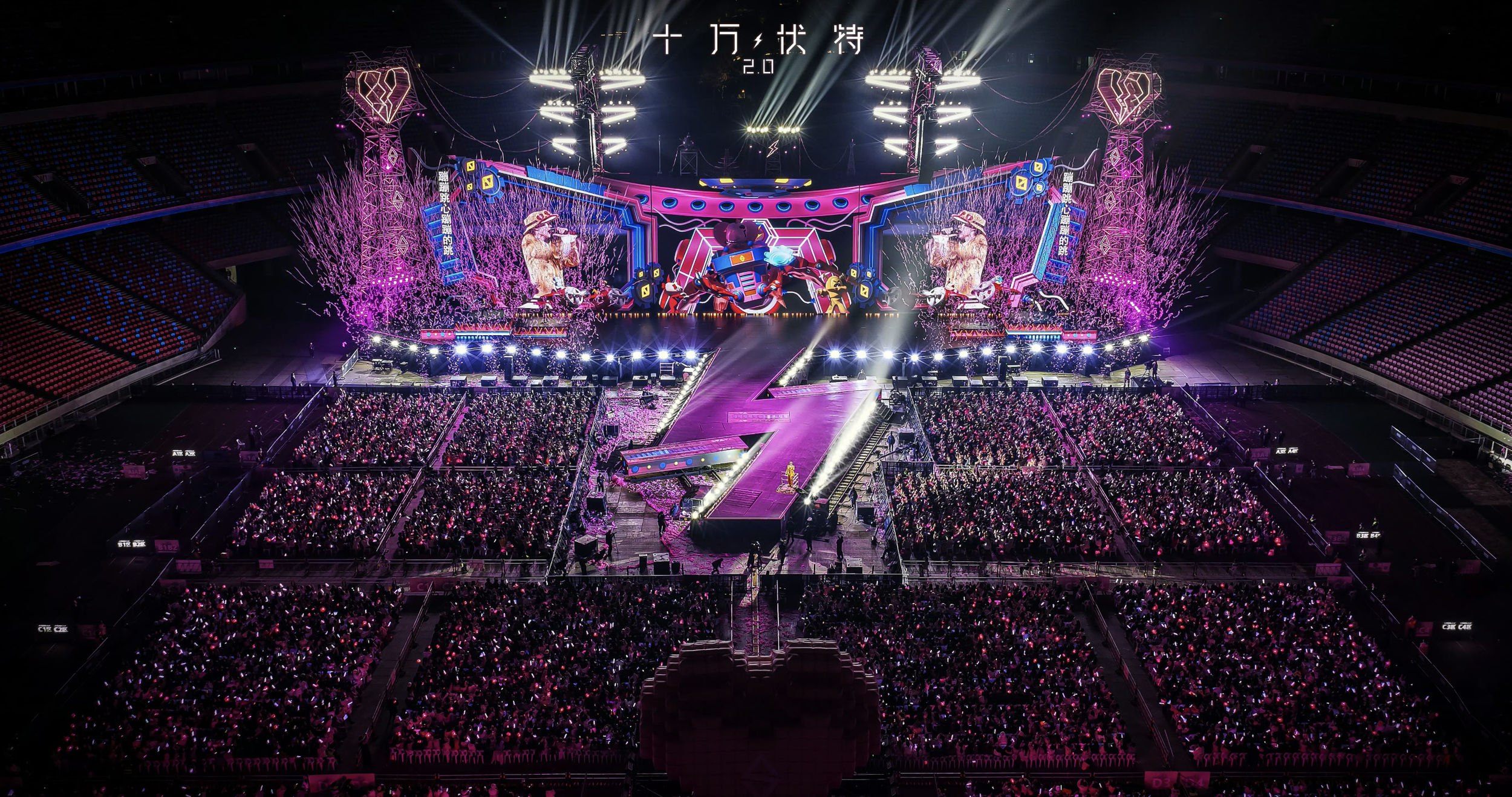
In an earlier article, we explored how live music concerts are evolving beyond mere performances into expansive, immersive storyworlds, using Silence Wang’s One Hundred Thousand Volts tour and its fictional setting of “Romance City” as a pioneering case study. By adapting world-building frameworks traditionally found in film, literature, and gaming—specifically the core principles of invention, completeness, and consistency—Wang transformed his stage into a dynamic socio-ecological system where the audience's emotional participation actively powered the narrative environment. Building upon this foundation of visual and spatial storytelling, this article will delve into the auditory and transmedia expansions of Romance City, examining the strategic role of sound and musical arrangement, the development of one of the world's first XR interactive concert films, and the unique integration of a "Concert Artbook" to deepen audience immersion and IP expansion.
How do you create an audience experience that drives not a one time purchase but a fan for life? Live concerts need to consider creating immersive worlds that engage fans before, during, and after their 2 - 3 hours in the space. This article uses a case study to unpack exactly how to to expand IP and build a world that creates a career sustaining model.
Turn-based games often rely on scripted opponents that are predictable, exploitable, and strategically limited. Through case studies from Final Fantasy X and Pokémon Trading Card Game Live, this article examines how current game AI falls short of creating engaging tactical experiences and explores whether more intelligent, adaptive opponents could improve player enjoyment and game design.