July has been a whirlwind of a month at the intersection of art and technology. From possible successful legislation on data privacy in the US, to the Italian government putting its foot down on NFT sales, or just an AI making uncanny valley art that is starting to get a little too real, a lot has happened in the world. The spread of articles below give a glimpse into a small portion of the interesting events that have occurred this month!
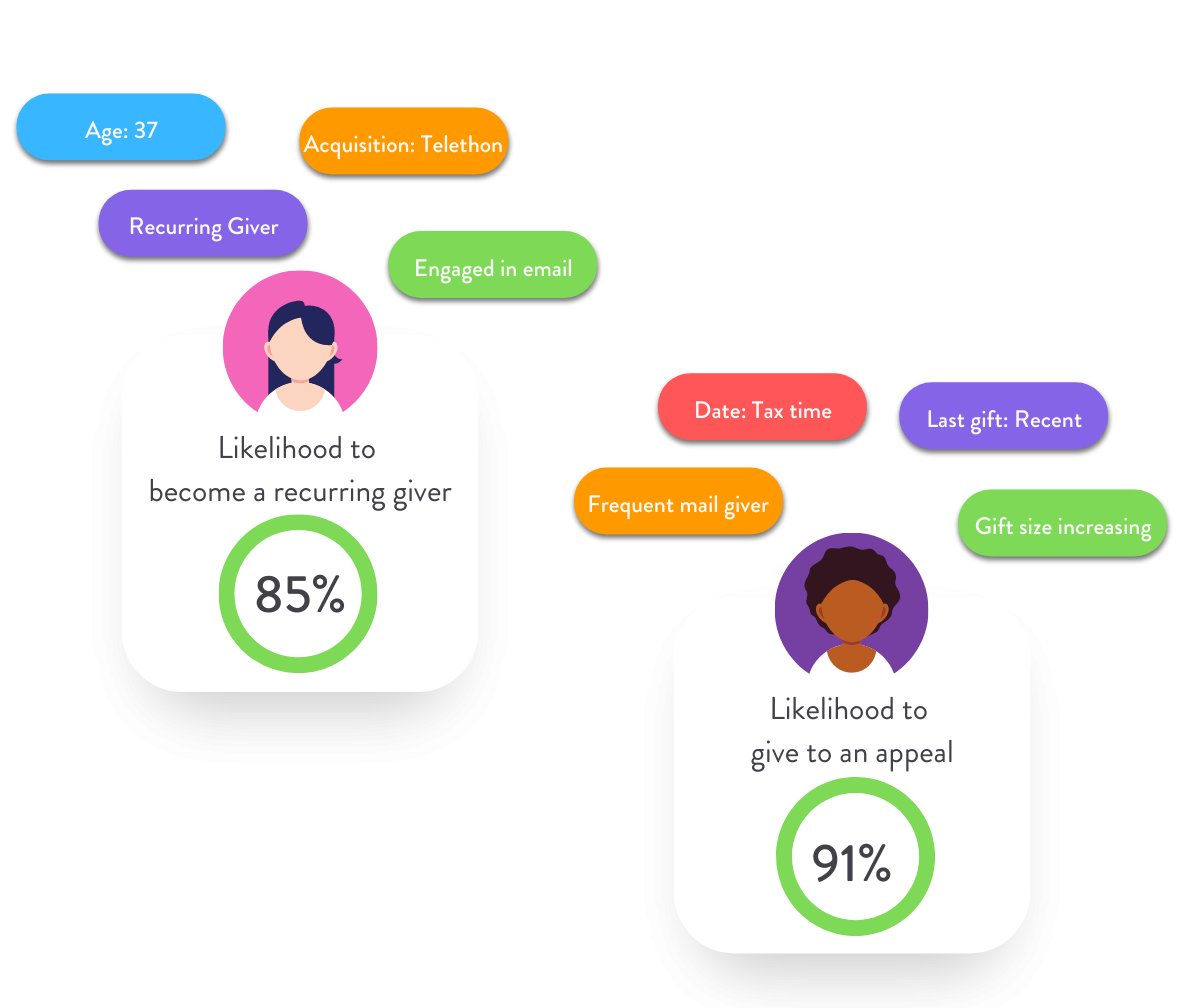
Predictive Modeling for Smarter Fundraising
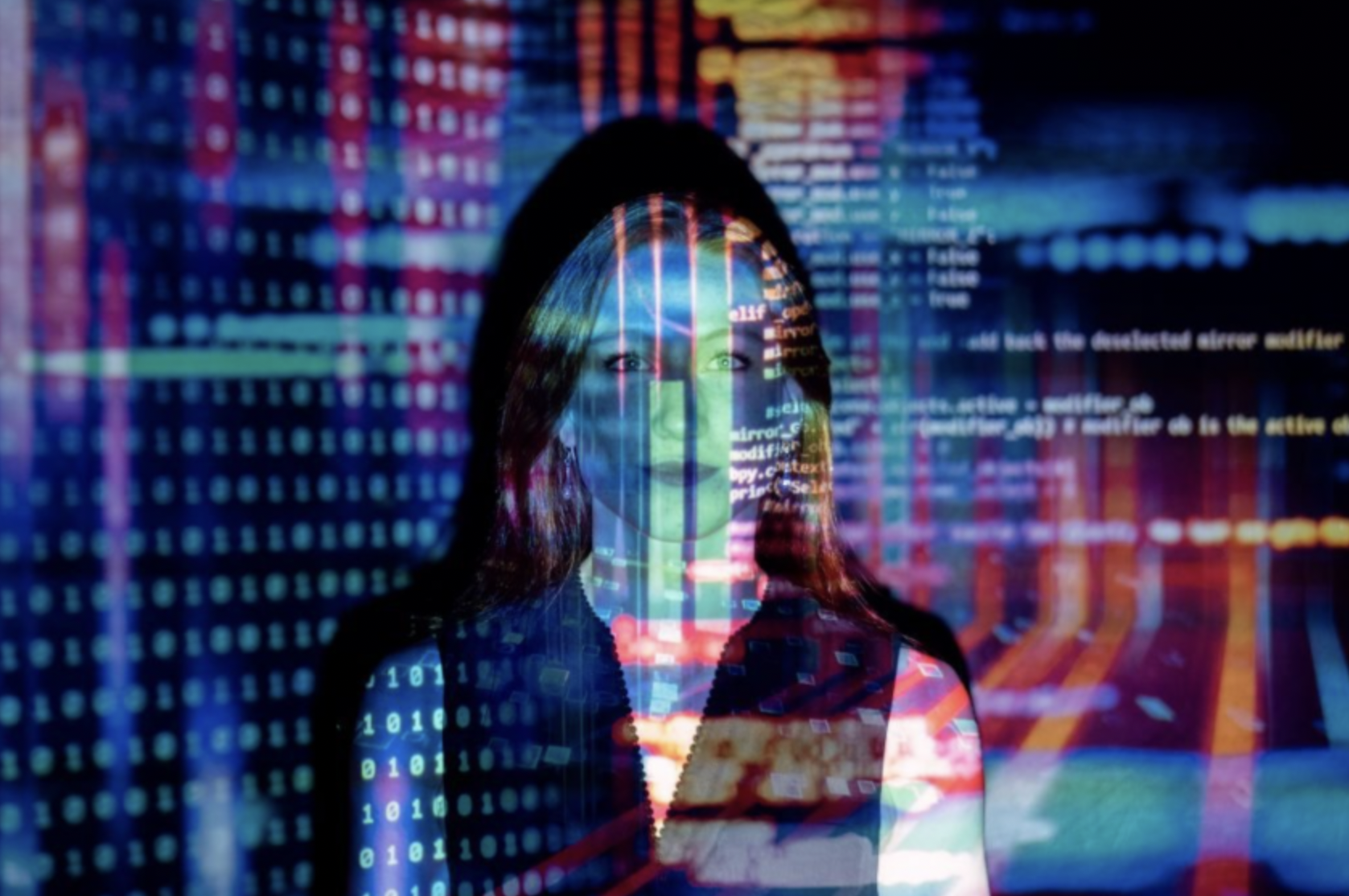
Nonprofit fundraisers are continually searching for efficient systems to discover, approach, solicit, and measure support from prospects. The market for fundraising software is over-saturated with business management technology that is constantly evolving. An increasingly prevalent trend in startup software is the integration of artificial intelligence technology, which has become more popular today thanks to greater access to data volumes, sophisticated algorithms, and improvements in computing power. The technology, if truly effective with the right organization’s data, harnesses the potential to shape how we prioritize our time with donors.
The Necessary Diversification of Pervasive Recommendation Algorithms
Artificial intelligence in the arts is growing increasingly more complex. It is 2022, and robots are co-creating art, NFTs are celebrating and confusing art consumers around the world, and at least 85% of Americans have smartphones that give immediate access to endless amounts of streaming content. However, AI has flaws. This article covers the recommendation algorithms built to support content delivery for this majority, their cultural implications, and bias control.
Spotify's Algorithm: Helping or Hurting Musicians?
The year is 1870, 7 years before the invention of the phonograph by Thomas Edison. As a musical artist, if you wanted to distribute your content to an audience, you did so through sheet music, either painstakingly copied by hand, or if you were lucky, replicated on some kind of a printing press. Music distribution has come a long way since then. Artists can upload music to platforms like TikTok or YouTube with the click of a button. But how has this changed the industry?
The most prolific way that people engaged with music in 2020 was streaming platforms, of which, Spotify continues to be the most popular. Even though it’s easier than ever for artists to upload content to a large audience, the question remains, are personalization algorithms and streaming services through Spotify harming or helping musical artists?