Artificial Intelligence, Arts & Technology, Fundraising
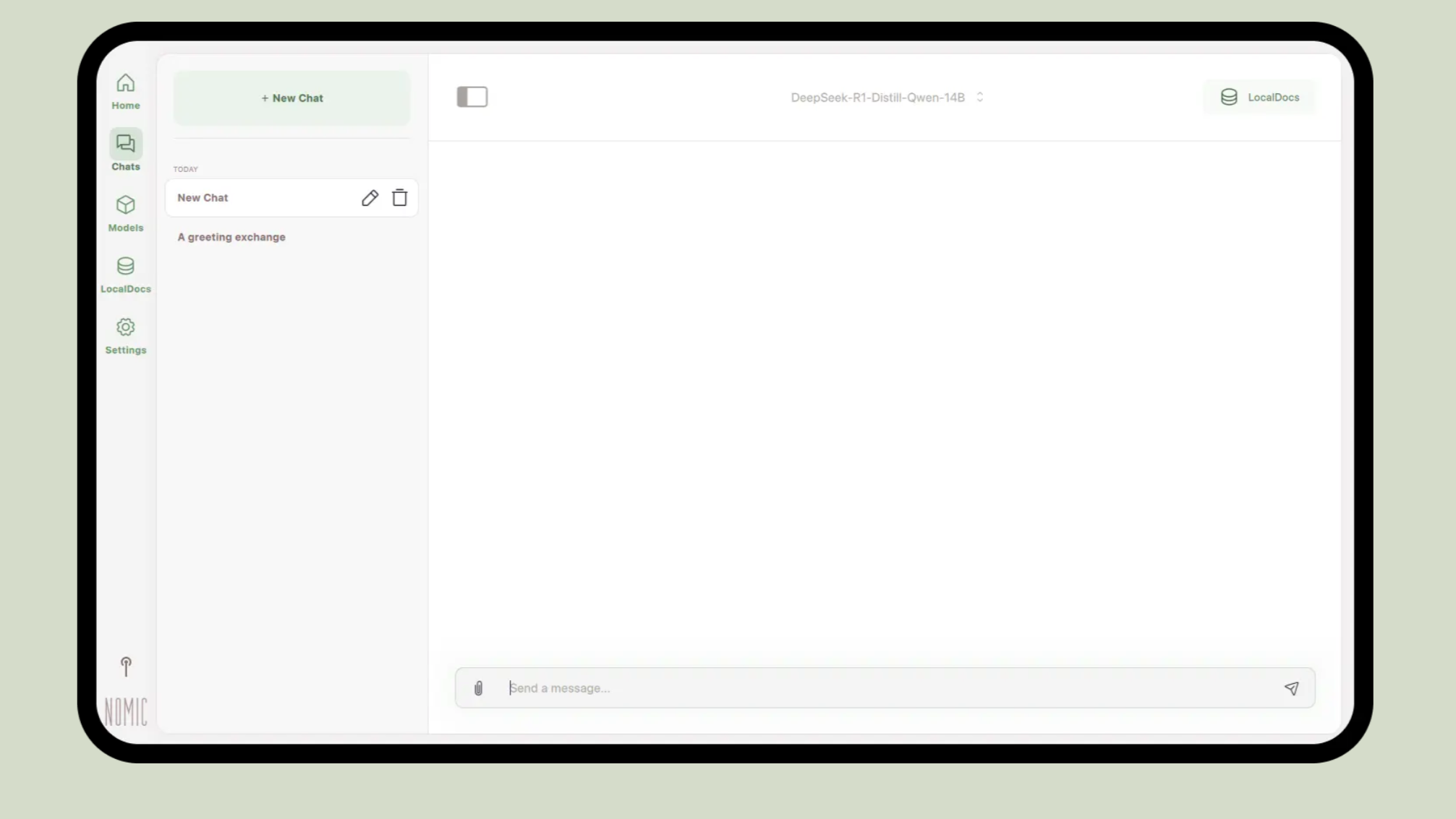
Local large language models (LLMs) can help artists and non-profit organizations with the grant writing process. AMT Lab Contributing Writer Morris McLennan explains how to setup a local LLM for grant writing and how grant writers can get consistently relevant output from LLMs.
entertainment, Multi-Media, Art Meets Tech
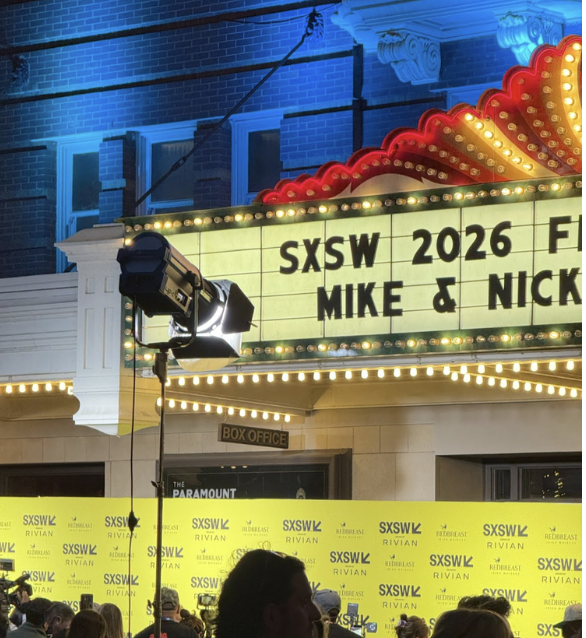
This article analyzes how SXSW 2026 reflects broader changes in the film festival circuit, particularly the transition from acquisition-driven markets to marketing-oriented platforms. It considers the implications of this shift for distribution strategies, industry access, and the sustainability of independent filmmaking.
Review, Museums, Exhibitions
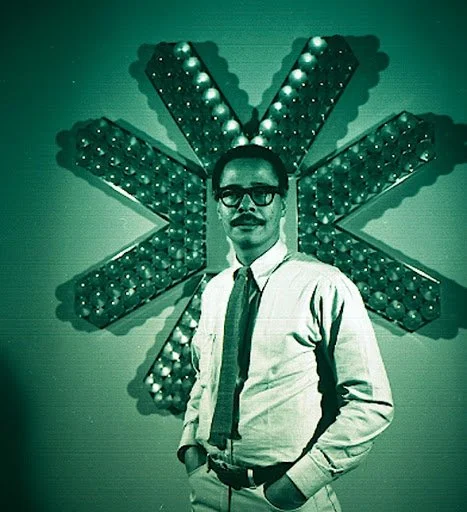
Tom Lloyd's light-based sculptures are now on view at the newly reopened Studio Museum in Harlem, marking the institution's return to 125th Street after years of renovation. This review examines how Lloyd built a practice around electric light and technology at a time when Black artists faced pressure to work in more representational forms, and why his work remains relevant today.
Review, entertainment
This article offers a philosophical analysis of Hamnet, focusing on how director Chloé Zhao constructs a cinematic language grounded in pre-linguistic perception, myth, and embodied affect. Centering on the character of Agnes, the essay argues that the film traces a movement from a holistic, pre-symbolic mode of being—rooted in nature, sensation, and maternal lineage—into the symbolic order shaped by rhetoric, narrative, and art. Drawing on mythology, psychoanalytic theory, and Western philosophical traditions, the analysis explores how grief resists linguistic assimilation and how artistic representation functions as a belated ethical container for loss. Rather than resolving trauma through narrative closure, Hamnet foregrounds ambiguity, sensory immersion, and emotional resonance as primary modes of meaning-making. The article ultimately positions Zhao’s film as a critique of interpretive dominance in Western thought, proposing cinema as a space where perception precedes language and where art enables a shared, collective encounter with otherwise inexpressible pain.

Review, Gamification, Theater
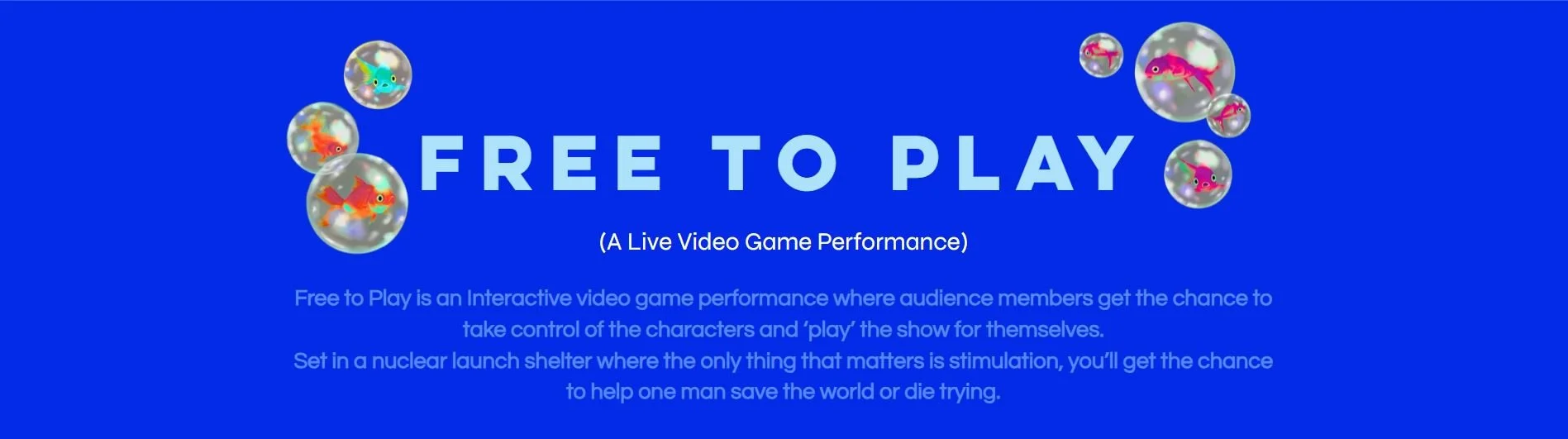
Free To Play: A Live Video Game Performance redefines interactive theatre by merging live performance with real-time gameplay. Supported by the Frank-Ratchye STUDIO for Creative Inquiry, the production explores how digital platforms, gamification, and audience participation reshape creative agency and engagement in contemporary performance.