Some of our favorite What's On Your Phone interviews from 2016.
Podcast, Entertainment, Media
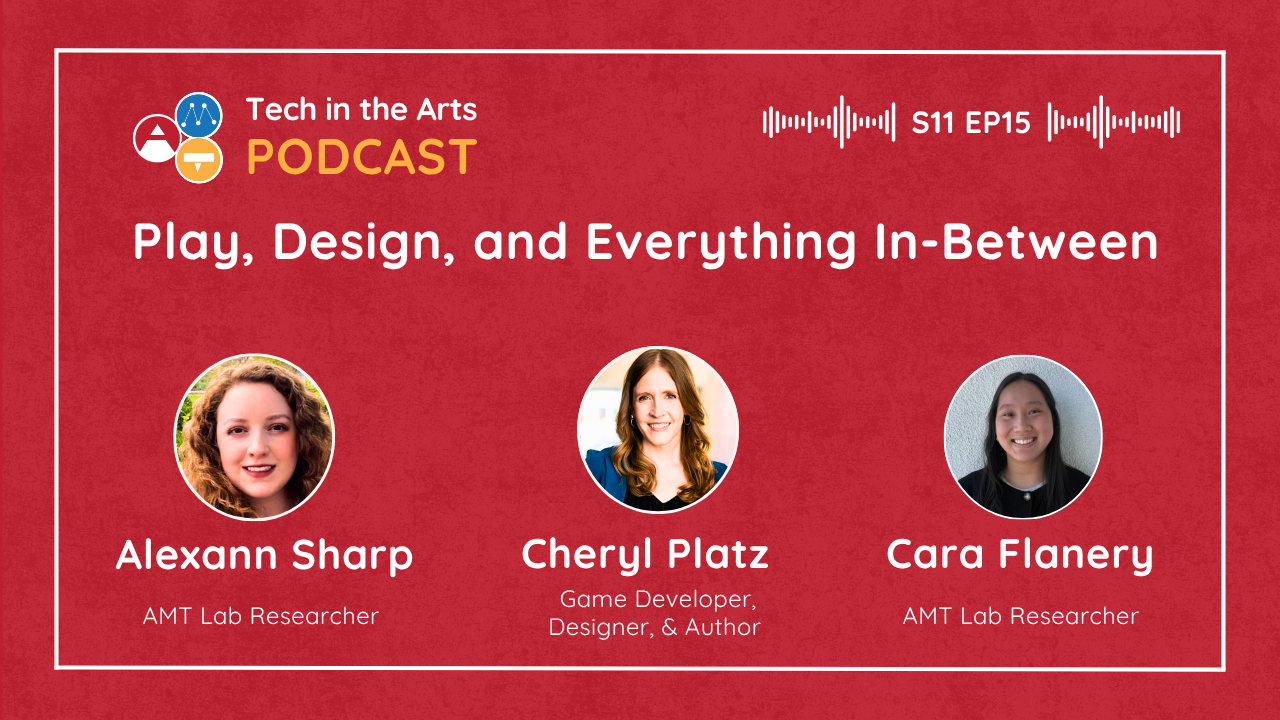
In this episode of the Arts Management and Technology Podcast: Tech in the Arts, Cara Flanery and Alexann Sharp speak with Cheryl Platz, game developer, designer, and author of The Game Development Strategy Guide: Crafting Modern Video Games That Thrive, about what makes games meaningful, the motivators that drive play, and the evolving distinction between UX and UI design in the games industry. Drawing from her career at companies including Electronic Arts, Griptonite Games, Amazon, and Riot Games, Cheryl discusses how self-expression became a central motivator of play, the collaborative challenges unique to game development, and the discipline instilled by working within the hardware constraints of early handheld consoles. She also reflects on her experience as a voice actor and performer, the importance of building community before a crisis hits, and the advice she offers students and aspiring developers navigating a volatile and fast-changing games industry.
Art Meets Tech, Digital Futures, Media, Podcast
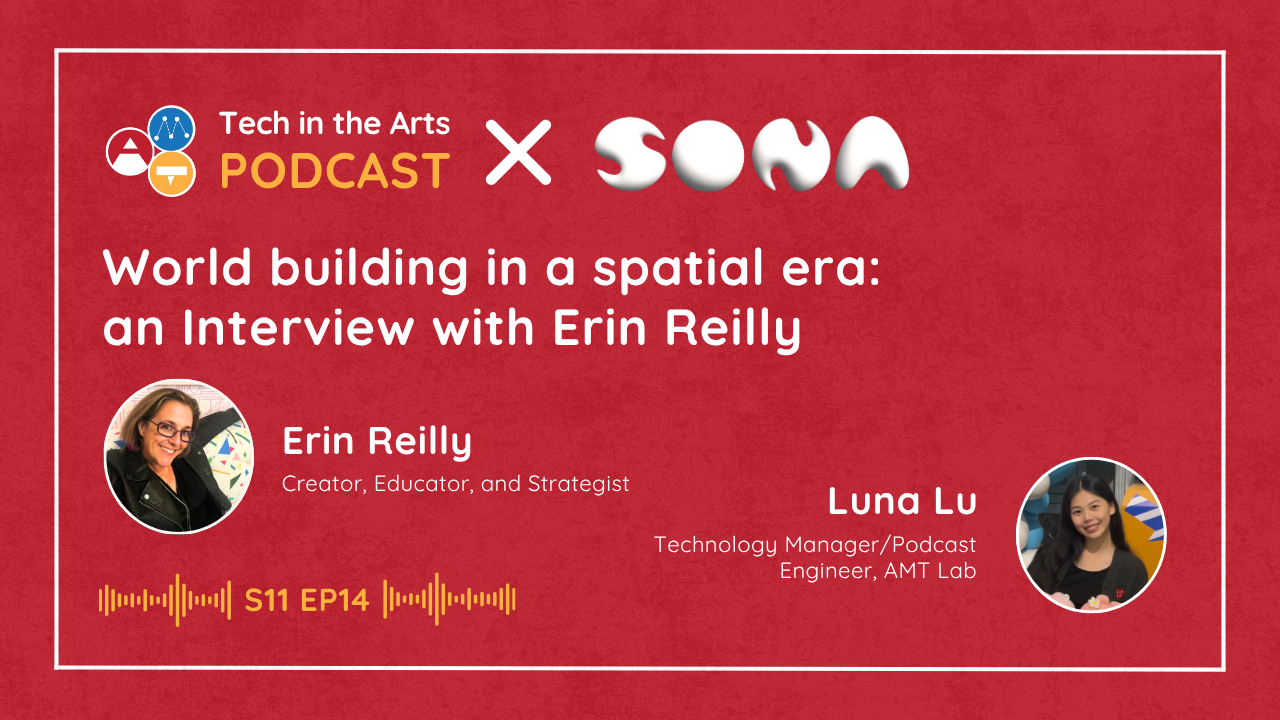
In this episode of the Arts Management and Technology Podcast: Tech in the Arts, Luna Lu speaks with Erin Reilly about the future of immersive storytelling, the transition from the mobile era to the spatial era, and the evolving relationship between AI, audience engagement, and world-building. Drawing from her work at the Texas Immersive Institute, Erin discusses how immersive media is reshaping communication, education, and entertainment through VR, AR, mixed reality, and multi-sensory experiences. She also reflects on ethical questions surrounding AI, participatory storytelling, and how emerging creators can design more inclusive and audience-centered immersive worlds.
Podcast, Art Meets Tech, Artificial Intelligence
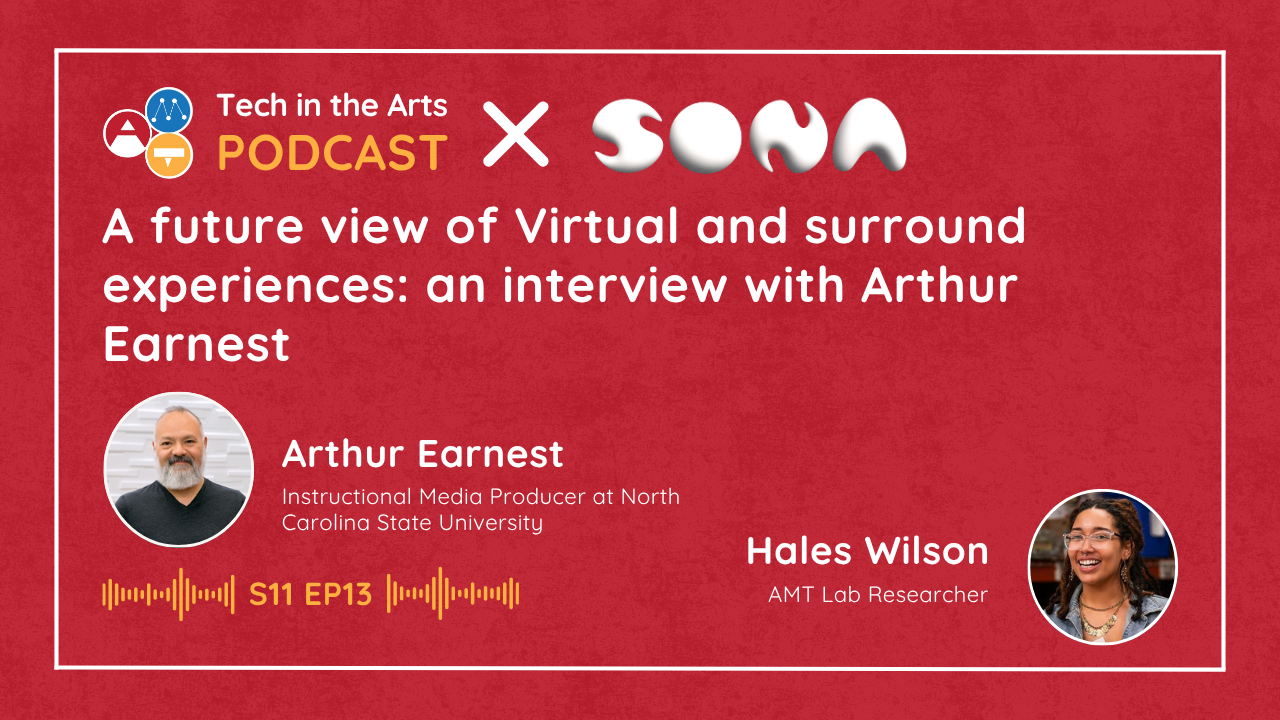
In this episode of the Arts Management and Technology Podcast: Tech in the Arts, Hales Wilson speaks with Arthur Earnest about immersive storytelling, community-centered filmmaking, and the evolving role of technology in creative practice. Drawing on his experience producing 360-degree documentaries and educational media at North Carolina State University, Arthur reflects on how immersive tools such as VR and 360 video can preserve spaces, deepen audience engagement, and amplify everyday stories. He also discusses the importance of accessibility in the arts, the realities of independent creative work, and his perspective on AI as a tool that should support — rather than replace — human creativity and storytelling.
Podcast, Art Meets Tech, Media
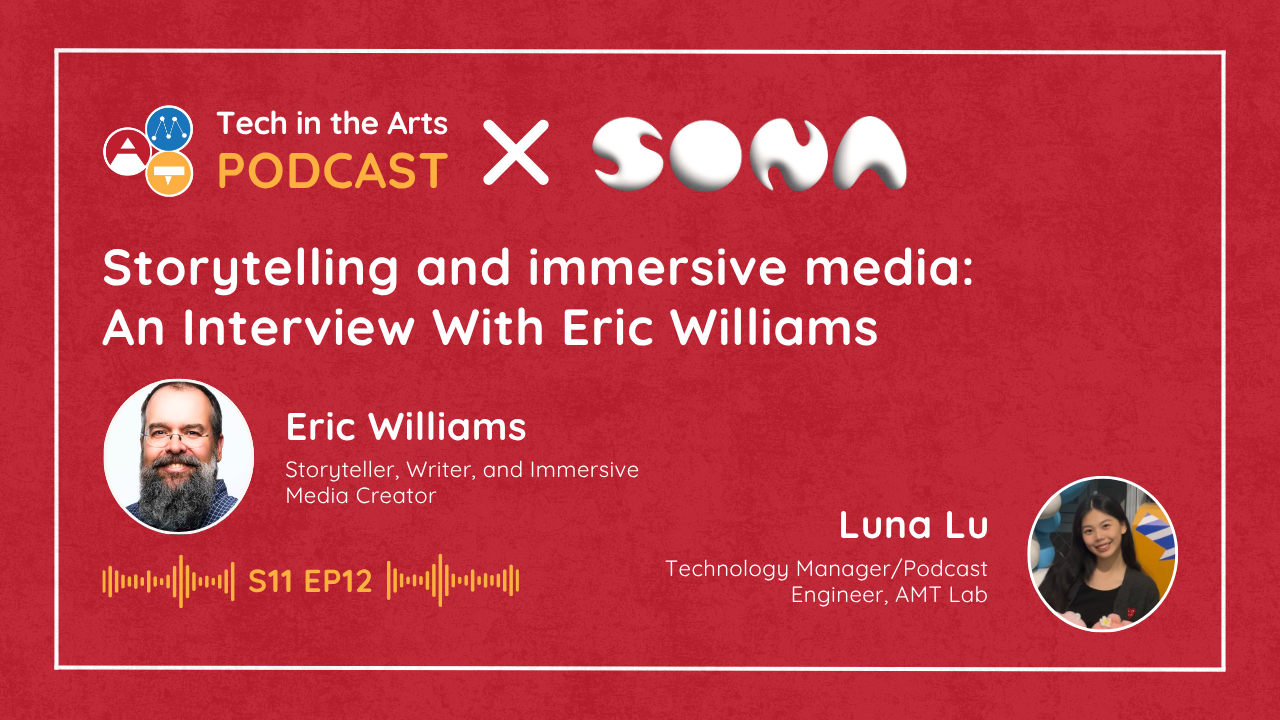
In this episode of the Arts Management and Technology Podcast: Tech in the Arts, Luna Lu speak with Eric Williams about the evolution of storytelling across emerging media, including VR, AR, and immersive experiences. Drawing on his work in cinematic virtual reality and the Cine-VR Lab, Eric explores how creators must adapt their narratives to different mediums, how immersive storytelling reshapes audience engagement and emotional connection, and how tools like AI are being integrated into creative workflows. He emphasizes the importance of choosing the right medium for each story and reflects on the future of storytelling as both a technological and deeply human practice.
Podcast, Art Meets Tech, Artificial Intelligence, Digital Futures, Media
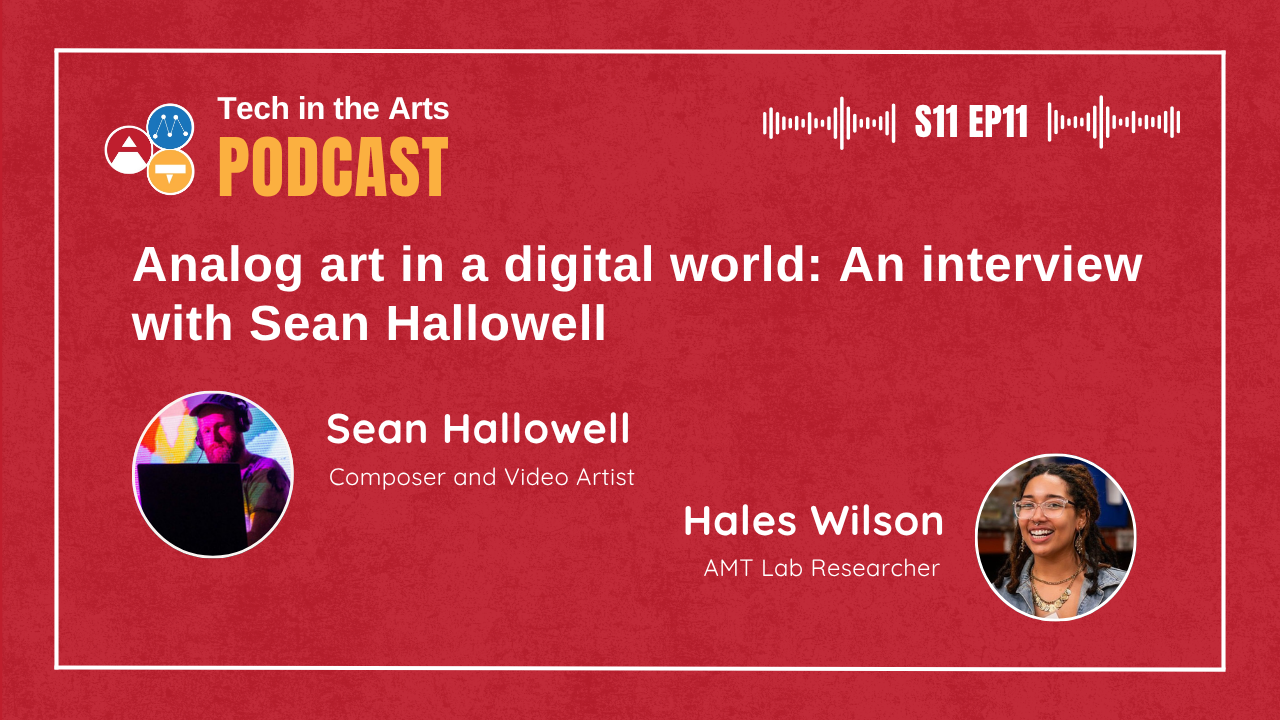
In this episode of the Arts Management and Technology Podcast: Tech in the Arts, Hales Wilson speaks with Sean Hallowell about building a hybrid analog–digital artistic practice, the creative potential of obsolete media technologies, and the evolving role of AI in music and visual art. Drawing on his background in music theory, handmade circuitry, and immersive audiovisual performance, Sean reflects on the value of constraints in artistic creation, the cultural significance of analog media, and the importance of preserving human expression in an increasingly automated creative landscape.