AMT Lab has been using Descript and Otter.ai for many years. Both have matured and created unique value propositions for creators, artists, and arts organizations. The following offers a summary of the tools and uses from a podcasting point of view. However, they have other valuable business uses that are easy to see. Selecting the best tool for your use will be dependent on budget and intended projects.
Bria.AI: The Fight for Fairness
As AI companies face widespread criticism for training models with unlicensed other content, Bria.ai reimagines generative AI with artists rights at the forefront. Learn more about how this startup is sourcing licensed content, tracking how specific images influence outputs, and compensating creators for their work.
Co-Intelligence Offers a Model for Integrating GenAI Into Your Work
Co-Intelligence: Living and Working with Artificial Intelligence by Ethan Mollick, offers a balance of playfulness, thoughtful analysis, and clarifying frameworks for working with artificial intelligence. In this book review, Dr. Brett Ashley Crawford shares a summary of what you will find in the text and a list to grow your bookshelf to better understand the opportunities and costs of Generative AI as it infiltrates our devices, work, and life
NotebookLM: A Reliable Knowledge Partner
Artificial intelligence is making headlines every day, but how can we, as cultural workers, use AI ethically and effectively in our jobs? While large LLMs like OpenAI offer workers AI assistance, they come with a significant impact on the environment, hallucinations, bias, and ethical concerns regarding copyright. Smaller LLM tools solve some of these issues. The following review analyzes NotebookLM, a Google experiment, that i particularly useful tool for researchers, students, and other knowledge workers engaged in complex information.
DipJar: The Future of Convenience in Fundraising
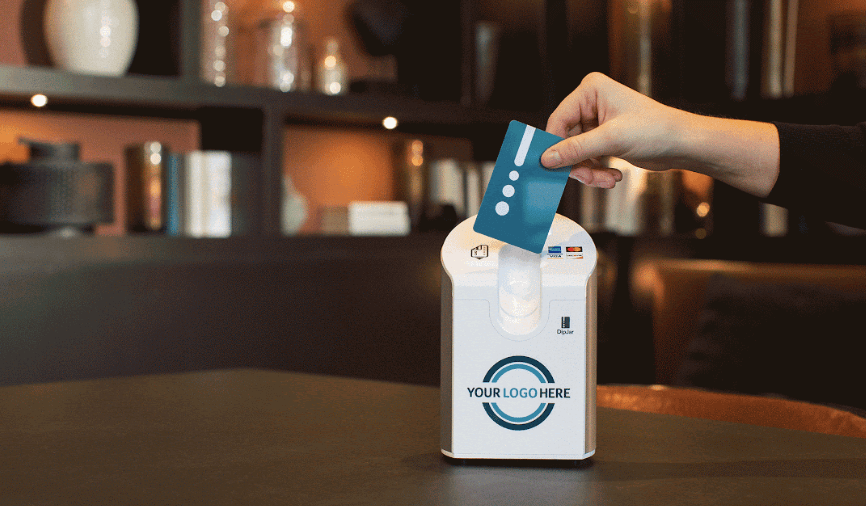
At the core of fundraising is the relationship between a nonprofit and those constituents who are most passionate about that organization’s mission. As development professionals it is vital to find touchpoints that cultivate and maintain these mutualistic relationships. Convenience for the donor is critical to getting a first gift that leads to a sustained philanthropic relationship. DipJar offers a unique giving opportunity for organizations “on the road,” those with a facility, or those hosting fundraising special events.
Nightshade: A defensive tool for artists against AI Art Generators
Computer science professor at the University of Chicago, Ben Zhao, created Nightshade, a tool to help defend artists from copyright infringement from GenAI companies that are scanninging their existing artwork. Clever in name, the tool has been purposely named Nightshade for its poisonous origins, a plant that was historically used to poison kings and emperors. Zhao’s digital Nightshade offers a future for artists to reclaim the ownership of their work from the artificial intelligence programs who use them.
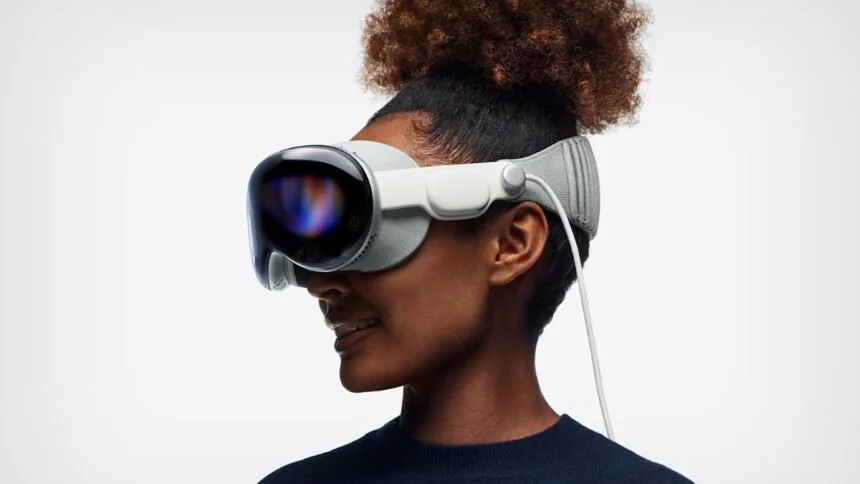
Apple Vision Pro: A New Era of Virtual Reality
As VR, AR, and MR technologies continue to advance, art organizations can leverage them to create immersive experiences, enhance collaboration, and engage with audiences in new and exciting ways, revolutionizing the way art is created, experienced, and engaged with. The Apple Vision Pro’s mixed-reality is rising to the top as an optimal contender in comparison to already existing competitors in the field.
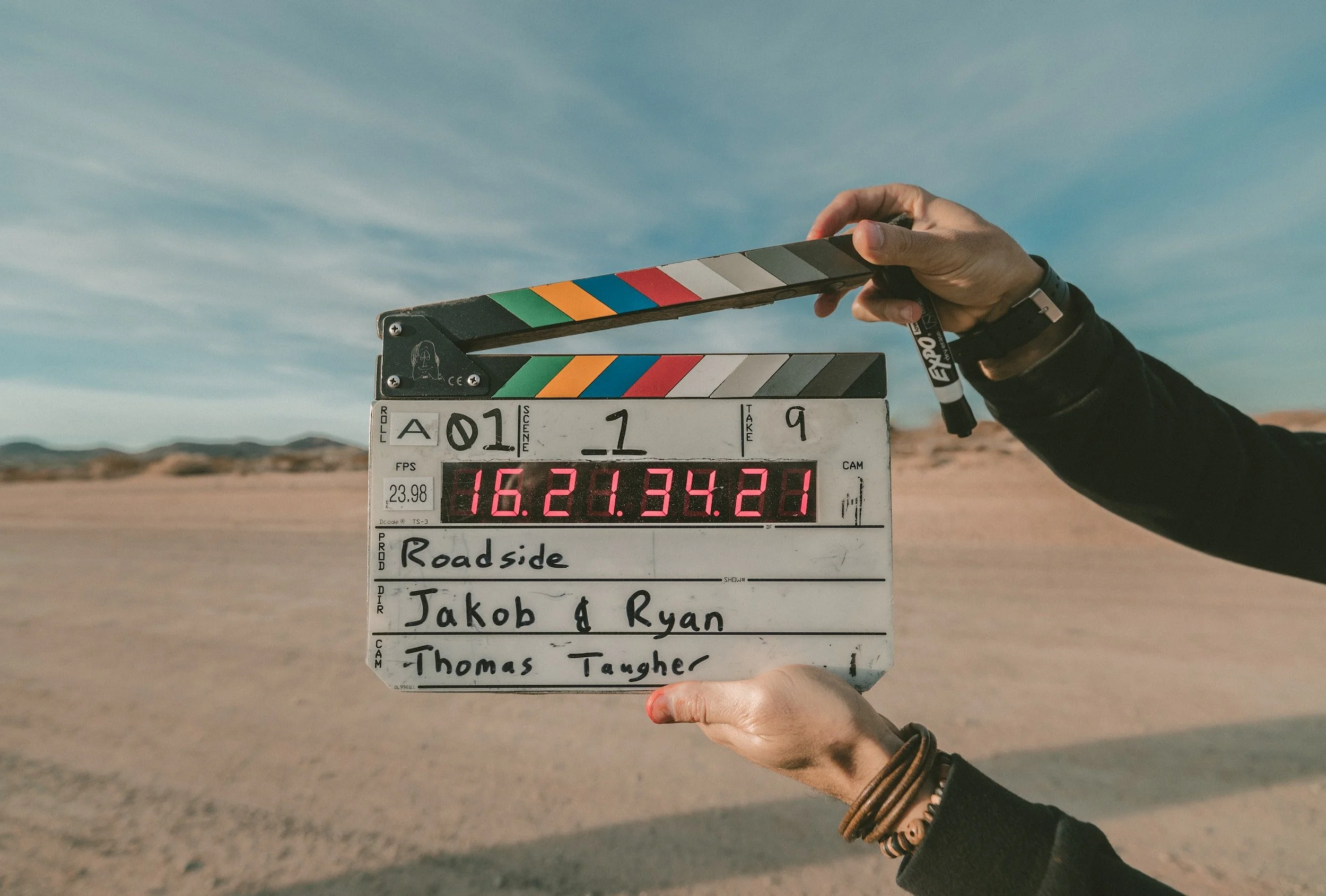
Can AI Write a Screenplay? A Review of 3 Programs
Building Your Tech Stack: Otter.ai Review
Binaural Audio for the Live Arts Audience
Emerging from COVID-19 lockdowns, being able to attend performing arts performances in person has felt like a sensory treat. Feeling the energy of the collective audience, the soft whispering and rustling in seats, the sounds of footsteps as performers take the stage, the low hum of stage lights - being present with art as it is performed heightens the senses in a way that its virtual counterpart simply cannot, in spite of numerous advances in the digital landscape over the last two and a half years.
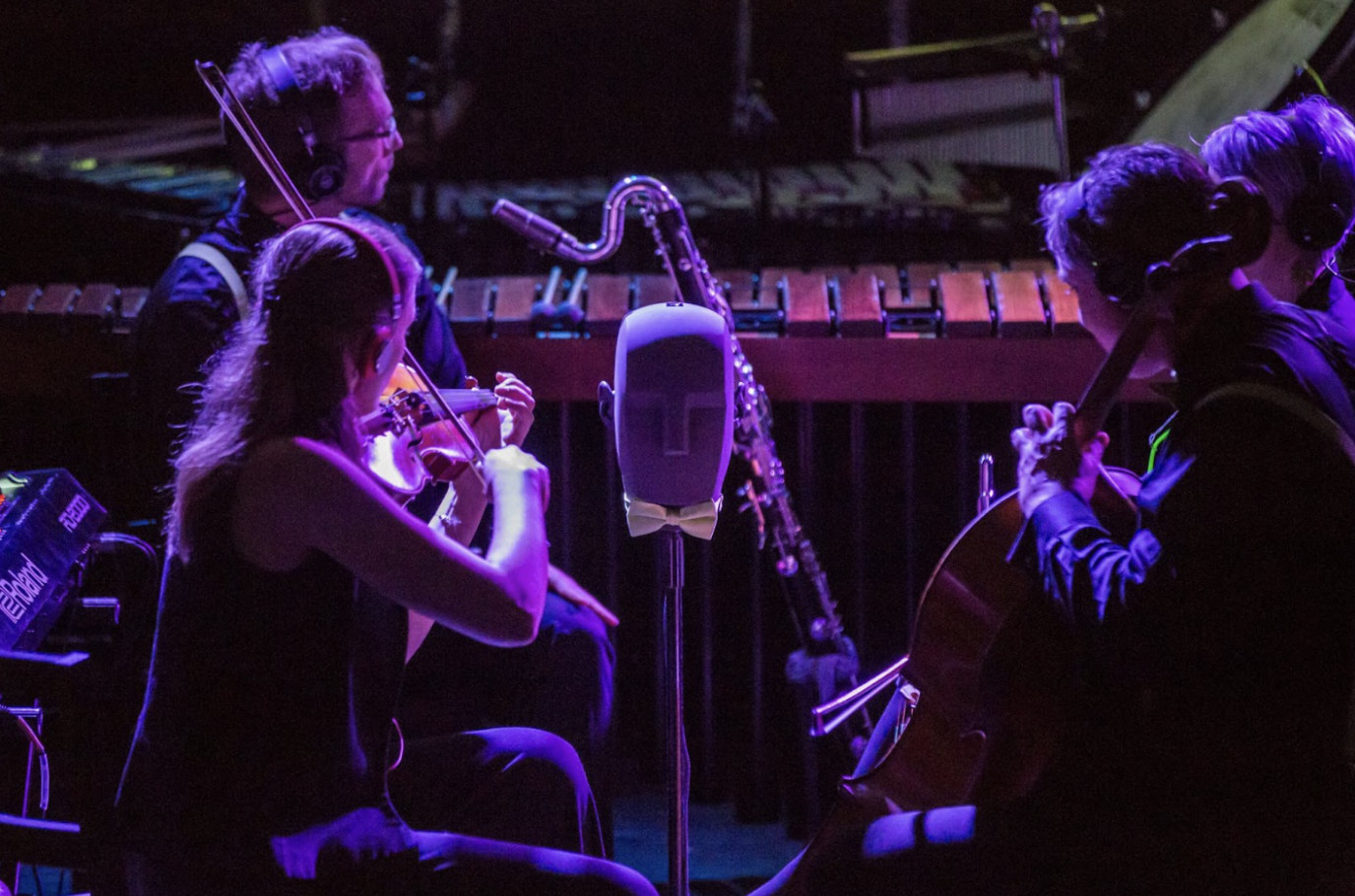
Enter the Neumann KU 100, or “Michel” as Kevin Noe, Artistic Director of Pittsburgh New Music Ensemble (PNME), affectionately calls the humanoid microphone that sits at the center of ensemble’s 2022 season finale show, literally and figuratively. The microphone is a feat in binaural audio, engineered to replicate how sound travels through the human ear. When heard through headphones, it’s as if the listener’s head is placed right where the microphone is placed. For PNME’s performance, this meant that the audience’s ears were placed on stage between a cello and clarinet, surrounded by an ensemble of musicians.